What does water damage restoration include—just pumping out water, or much more? You’ll see it starts with a full assessment, then water extraction, drying, dehumidification, and antimicrobial cleaning of salvageable materials. Technicians also document losses for insurance, address mold and odor issues, and complete structural repairs that match existing finishes. Each step matters, and the difference between partial recovery and lasting protection often comes down to what happens next.
Key Takeaways
- Inspection and damage assessment identify affected materials, contamination risks, and hidden moisture.
- Water extraction removes standing water using pumps, vacuums, and other specialized equipment.
- Drying and dehumidification use fans and dehumidifiers to remove remaining moisture from walls, floors, and framing.
- Cleaning and mold remediation treat salvageable surfaces, remove contaminated debris, and address odors.
- Repairs restore damaged drywall, flooring, trim, and structural elements, with documentation for insurance claims.
What Water Damage Restoration Covers
Water damage restoration covers the assessment, extraction, drying, cleaning, and repair work needed after water intrusion to stop further deterioration and return the affected area to a safe, usable condition.
You’ll get a documented inspection that identifies affected materials, moisture migration, and contamination risk. Technicians then isolate damaged zones, remove unsalvageable items, and clean salvageable surfaces with appropriate antimicrobial products.
You’ll also receive structural repairs that restore walls, floors, trim, and finishes to pre-loss condition. This process helps you support insurance claims with clear records and photos, while controlling restoration costs through timely action and accurate scope definition.
When you understand what’s included, you can make confident decisions and work with a team that treats your property like part of the same recovery effort.
How Water Removal Stops Further Damage
Once technicians identify the extent of the loss, rapid water removal becomes the step that prevents the damage from spreading.
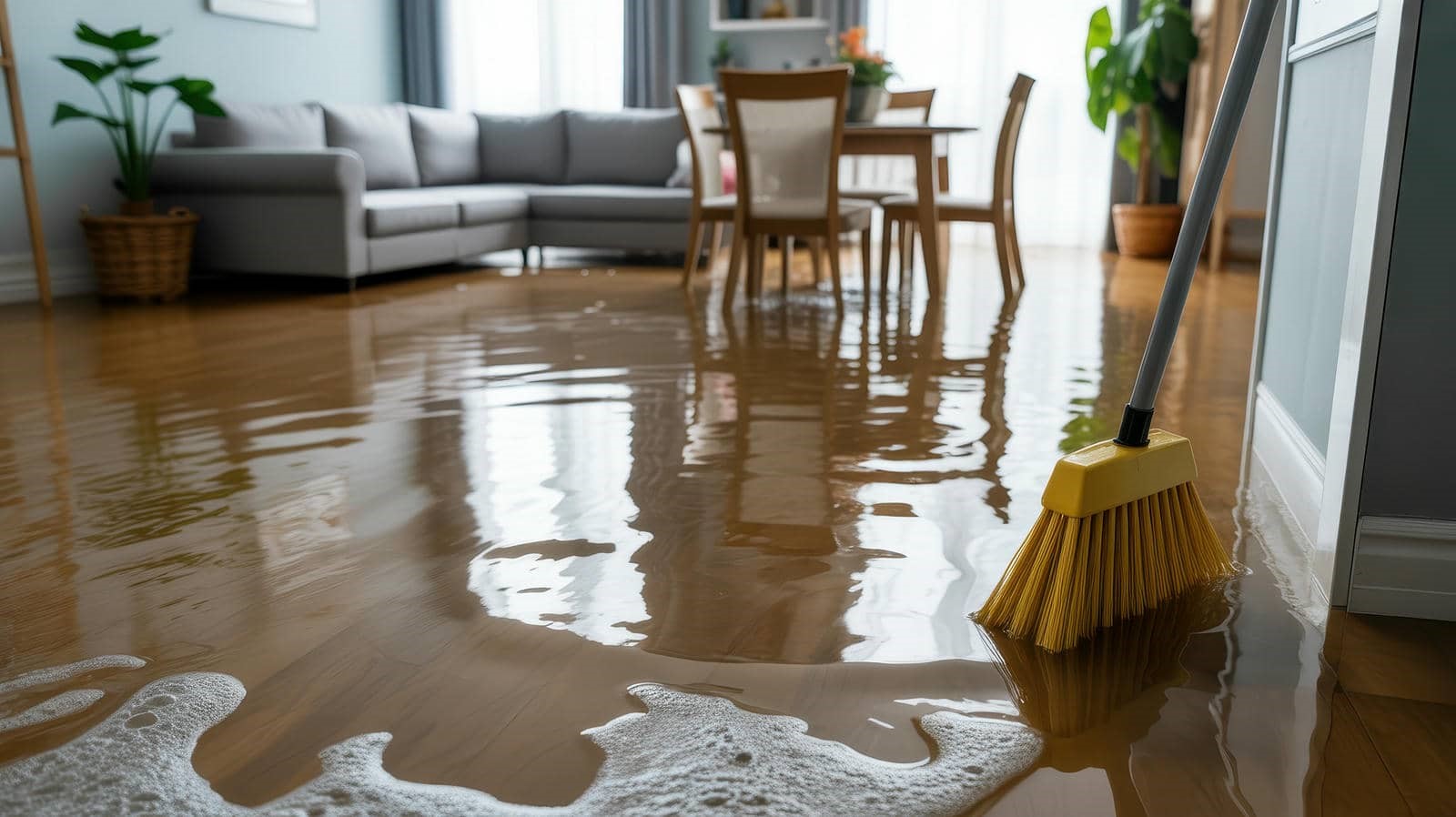
You protect your property when crews use water extraction methods tailored to the source, surface, and depth of intrusion. Vacuum units, pumps, and weighted tools remove standing water from flooring, cavities, and low points before it wicks into adjoining materials.
A detailed moisture assessment then shows where water has migrated, so you know the affected areas aren’t being missed. This fast response helps you limit structural weakening, staining, and contamination transfer.
It also reduces the chance that clean materials will contact wet ones and spread damage further. When you act quickly, you give your home or business the best chance for a controlled, efficient recovery.
Why Drying and Dehumidification Matter
Even after standing water is removed, hidden moisture can remain trapped in drywall, insulation, subfloors, and framing, which is why drying and dehumidification are essential to the restoration process.
You need targeted equipment to lower humidity, stabilize materials, and prevent prolonged saturation. Fans improve air circulation, while dehumidifiers extract vapor from the air and support moisture control across affected rooms.
You’ll get better results when technicians measure surface and ambient conditions, then adjust equipment placement and run times accordingly. This approach helps your structure dry at a predictable rate, so you can reoccupy your space with confidence.
Proper drying also limits secondary material stress, keeps repairs on schedule, and gives you a cleaner path back to normal after water damage.
What Mold Cleanup and Odor Removal Cover
After drying controls moisture, mold cleanup and odor removal address the contamination and lingering conditions that can follow water damage. You’ll get a targeted assessment that pinpoints mold identification and traces odor sources in affected rooms and materials.
Technicians isolate impacted areas, remove contaminated debris, and clean remaining surfaces with procedures matched to the material and extent of growth. They also apply deodorizing methods that neutralize musty smells instead of masking them, so your space feels safe again.
- Inspect visible and hidden growth
- Verify affected materials and boundaries
- Clean, disinfect, and contain residue
- Treat odor sources and airborne particles
This process helps you rejoin a healthy indoor environment with confidence, knowing the cleanup focuses on what’s actually driving the problem.
How Repairs Bring Your Home Back
With cleanup complete, repairs restore the damaged structure, finishes, and fixtures so your home can function normally again.
You’ll begin with a detailed home assessment to identify compromised drywall, flooring, trim, insulation, and electrical components.
Then technicians replace or rebuild affected materials, match existing finishes, and seal joints to prevent secondary damage.
If moisture reached structural framing, they’ll reinforce or substitute weakened sections so your home regains strength and safety.
During this stage, they also document work for insurance claims, giving you clear records for adjusters and approvals.
These repairs don’t just fix what you can see; they help you return to a home that feels stable, familiar, and ready for daily life again.
Frequently Asked Questions
How Quickly Should I Call for Water Damage Restoration?
You should call immediately, ideally within an hour, because emergency response limits structural damage and mold growth. Fast action shortens your restoration timeline, protects belongings, and helps you feel confident you’re taking the right steps.
Does Insurance Usually Cover Water Damage Restoration Costs?
Usually, yes—your insurance policies may cover water damage, if the flood’s gate wasn’t left open by neglect. You’ll need to verify exclusions, document loss fast, and work with your adjuster to secure restoration benefits.
Can I Stay in My Home During Restoration?
You can sometimes stay if damage is minor, but you’ll need safety precautions and may need temporary living arrangements during drying, demolition, or mold remediation. Your technician should confirm air quality, electricity, and structural safety first.
How Long Does the Entire Restoration Process Take?
You’ll usually finish in days to weeks; it can feel like forever. Your restoration timeline factors include damage extent, materials, and drying equipment types. You’ll get faster results when you act quickly and stay informed.
What Should I Do Before the Restoration Team Arrives?
You should shut off water, move valuables, and document damage. These initial steps support preventive measures, reduce losses, and help you feel prepared. Don’t enter unsafe areas, and keep pets away until technicians arrive.
Wrap-Up
In the end, water damage restoration gives your home a careful reset. You have standing water removed, damp materials gently dried, and salvageable surfaces cleaned with antimicrobial products. If mold or lingering odors have settled in, technicians isolate those areas and clear the air. Then repairs help rebuild what was softened or lost, with finishes matched as closely as possible. The process protects your property, reduces hidden trouble, and helps your space feel whole again.