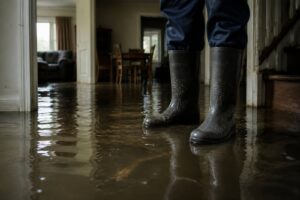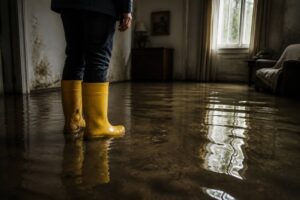
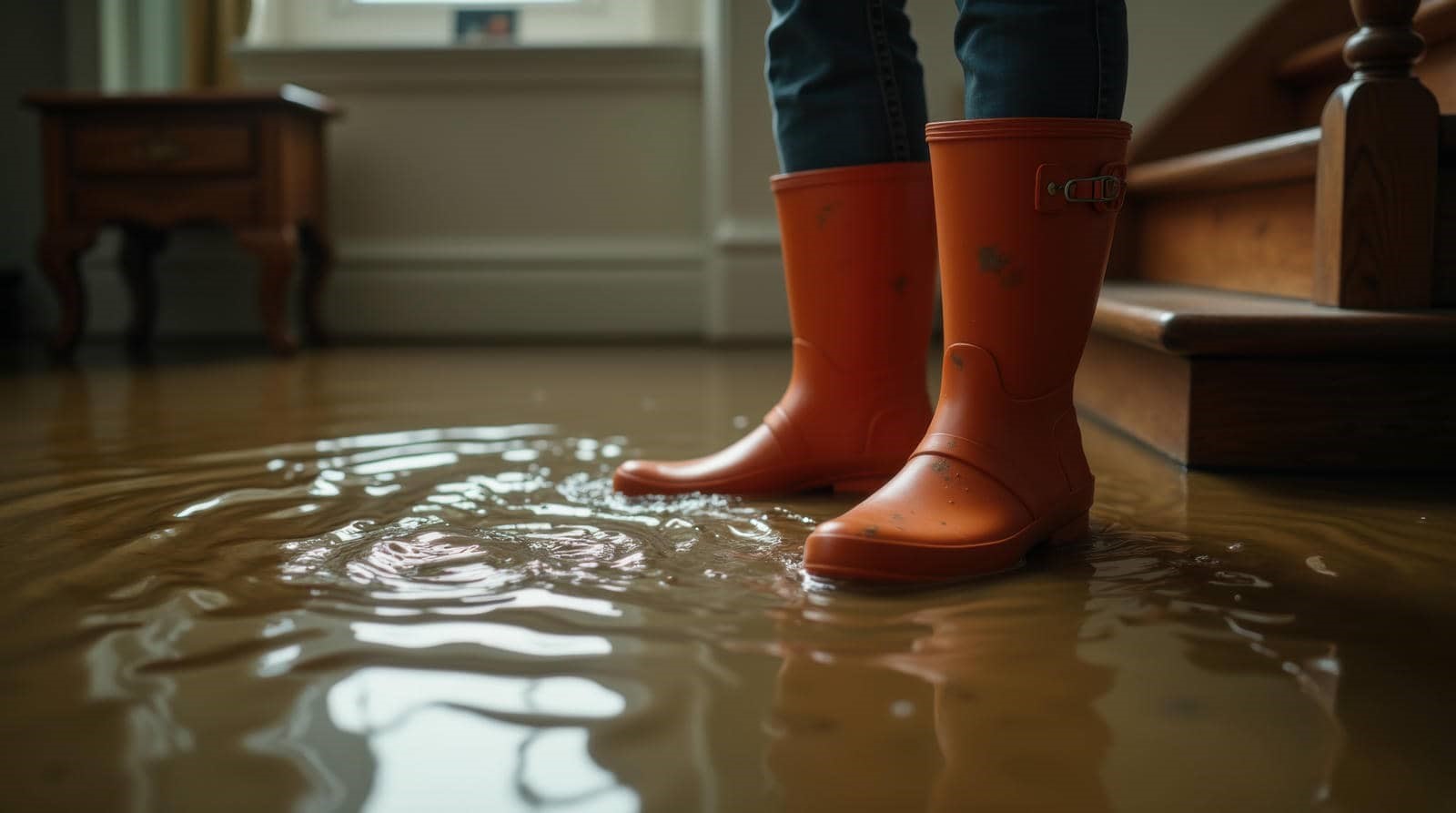
You may not realize that water damage keeps spreading long after the floodwater recedes. If you leave standing water in place, it wicks into framing, flooring, and insulation, where it weakens materials and creates ideal conditions for mold and contamination. You need fast extraction to limit structural loss, cut cleanup time, and protect indoor safety. What happens in the first few hours can shape the entire restoration.
Key Takeaways
- Fast water extraction reduces structural damage by preventing moisture from soaking into drywall, flooring, and framing.
- Removing standing water quickly lowers mold growth risk and improves indoor air safety.
- It helps prevent electrical hazards and contamination from floodwater, especially near outlets and appliances.
- Early extraction shortens restoration time and reduces repair costs by limiting further deterioration.
- Prompt removal protects salvageable belongings and supports a safer, more efficient cleanup process.
Why Fast Water Extraction Matters After Flooding
Fast water extraction matters after flooding because every hour of standing water increases the risk of structural damage, mold growth, and contamination.
You need an immediate response to limit losses and restore safe conditions for your home or business. When you act quickly, you protect flooring, drywall, insulation, and contents from saturation that can make recovery harder.
Effective techniques, such as high-capacity pumping, vacuum extraction, and controlled drying, help you remove water efficiently and prepare surfaces for remediation.
You’re not handling this alone; trained teams work with you to assess conditions, prioritize critical areas, and keep the process organized.
Fast action also supports faster cleanup, reduces downtime, and helps you move forward with confidence after the flood.
How Standing Water Causes More Damage
When water sits after a flood, it keeps moving into porous materials and weakens them from the inside out. Standing water increases structural damage by saturating drywall, framing, and subfloors, while you face health risks from mold and contaminated residue.
It also creates electrical hazards if moisture reaches outlets, panels, or wiring. Watch for:
- material degradation in wood, insulation, and finishes
- pest attraction as insects and rodents seek moisture
- long term effects that spread through hidden cavities
- insurance implications if you delay mitigation or documentation
You protect your property faster when you remove water promptly and keep conditions dry. Acting early helps you stay in control, reduce repair scope, and keep your home’s recovery on track with fewer surprises.
Signs You Need Emergency Water Extraction
If you still have standing water after a flood, you need emergency extraction fast because it keeps soaking materials and raising the risk of structural damage.
You should also watch for persistent dampness, since wet drywall, flooring, and insulation can trap moisture and spread hidden deterioration.
If musty odors develop, you’re likely dealing with active moisture problems that need immediate removal and drying.
Standing Water Risks
Standing water after flooding creates immediate hazards that go beyond visible damage, and you need emergency water extraction if water remains pooled for more than 24 to 48 hours, spreads into walls or flooring, or shows signs of contamination.
You’re protecting your home and your people from health hazards and structural damage when you act fast.
- Water seeps under baseboards and weakens subfloors.
- Contaminated water can expose you to bacteria and chemicals.
- Saturated materials lose strength and shift under load.
- Delays raise restoration costs and complicate cleanup.
If you see standing water near outlets, appliances, or support areas, shut off power and call a qualified team.
You don’t have to face the aftermath alone; prompt extraction helps your space recover safely and efficiently.
Dampness And Odors
Even after visible water is gone, persistent dampness, musty odors, and humid indoor air can signal hidden moisture that needs emergency water extraction.
You may feel the floors or walls staying cool, soft, or swollen, and that means water’s still trapped in materials. If you ignore it, you’re inviting mold growth, warped finishes, and structural damage.
Act fast with professional drying, moisture mapping, and targeted dehumidification to protect your home and your crew.
Strong odor removal depends on fully extracting water, not just masking smells with sprays or fans. When you smell mildew after cleanup, trust that warning and call for help.
Water Extraction Steps for Flooded Homes
Once the floodwater has receded enough to enter safely, you should start water extraction immediately to limit structural damage and mold growth.
First, shut off power and gas, then document the affected areas for your claim. Next, remove standing water with extraction equipment and proven water removal techniques, working from the deepest point outward.
Open doors and windows if weather permits to improve airflow. Then move salvageable items to a dry space and lift furniture off wet floors.
- Pump out pooled water
- Extract moisture from carpets
- Remove soaked padding
- Inspect subfloors and walls
You’ll work faster when you sequence each task carefully.
If you stay organized and act decisively, you protect your home, your repairs, and your place in the recovery process.
Why Water Extraction Helps Prevent Mold
When you remove floodwater quickly, you cut the time surfaces stay wet, and that slows mold growth.
Even after visible water is gone, hidden moisture can remain in walls, floors, and insulation, creating conditions for mold to spread.
Effective water extraction targets these trapped areas so you can dry the structure fully and reduce the risk of contamination.
Fast Drying Slows Mold
You protect your space, your team, and your routine when you act fast. Strong moisture control reduces mold growth and helps you stay ahead of damage.
- Remove standing water immediately.
- Increase airflow with professional equipment.
- Dehumidify to lower indoor humidity.
- Monitor wet materials until they’re dry.
When you extract water quickly, you shorten the window for spores to colonize surfaces. That means fewer disruptions, less cleanup, and a safer environment for everyone in your home or business.
Fast drying isn’t just efficient; it’s the practical first step that keeps your recovery on track and your property ready to rejoin normal use.
Hidden Moisture Creates Risks
Even after visible water is removed, hidden moisture can stay trapped in wall cavities, subfloors, insulation, and other porous materials, where mold can develop out of sight.
You need moisture detection tools to find these pockets before they spread damage. Infrared cameras, meters, and targeted inspections help you verify that structural materials are truly dry, not just surface-ready.
When you extract water quickly and thoroughly, you reduce the time mold has to colonize and you limit health hazards for everyone in the home.
You also protect your space from odor, rot, and costly repairs.
How to Handle Sewage and Storm Water
If floodwater contains sewage or storm runoff, treat the area as contaminated and keep people out until you can control the source and remove the water safely. You’re protecting your crew and your home when you act fast and follow sewage clean up and stormwater management best practices. Wear gloves, boots, and eye protection.
- Shut off electrical power before entry.
- Block drains and entry points.
- Separate clean areas from contaminated zones.
- Disinfect hard surfaces after water removal.
Don’t mix sewage with ordinary floodwater; pathogens can spread through carpet, drywall, and air gaps. Bag porous debris, then seal and dispose of it per local rules.
Keep records of affected rooms and materials so you stay organized and can explain the damage clearly to contractors, insurers, and neighbors who get it.
How Professional Water Removal Works
Professional water removal starts with a site assessment, moisture mapping, and a plan for safe extraction.
You’ll see technicians isolate affected zones, protect clean areas, and choose water removal techniques based on floor type, saturation depth, and contamination level.
They deploy extraction equipment such as truck-mounted vacuums, weighted wands, and portable units to pull standing water from carpets, subfloors, and hard surfaces.
Crews monitor each pass, checking moisture readings to confirm what’s left behind.
They also move furniture, lift carpet edges, and target hidden pockets near walls and baseboards.
When you work with trained pros, you’re part of a team that acts fast, follows protocol, and keeps your property on a controlled path toward recovery.
How Water Extraction Speeds Restoration
Fast water extraction shortens the restoration timeline by stopping moisture from spreading into building materials, structural cavities, and adjacent rooms. When you act quickly, you limit swelling, warping, and microbial growth, so crews can move to drying and repairs sooner.
Effective water removal also helps you avoid hidden damage that often slows inspections and demolition.
- It reduces saturation in drywall, flooring, and insulation.
- It supports faster dehumidification and air movement.
- It improves damage prevention by protecting framing and subfloors.
- It lets your team verify dry conditions with moisture readings.
With prompt extraction, you keep the job controlled, efficient, and safer for everyone involved. You’re not just drying a space—you’re helping your property rejoin the standard restoration workflow without avoidable delays.
Frequently Asked Questions
How Long Can Wet Drywall Stay Before Replacement Is Needed?
You’ve got about 24 to 48 hours before wet drywall often needs replacement, because drywall integrity drops fast and mold growth can start within that window; dry it immediately, inspect carefully, and replace any softened sections.
Does Floodwater Damage Electrical Wiring Immediately?
Yes, floodwater can damage wiring immediately, and you shouldn’t assume it’s safe. You need to cut power, avoid contact, and call a licensed electrician to assess flood damage and restore electrical safety.
Can Carpet Padding Be Dried and Reused After Flooding?
Usually, you can’t safely dry and reuse carpet padding after flooding. You should replace it during carpet restoration, because contaminated foam holds moisture, odors, and microbes. Padding replacement helps you protect your home and belongings.
Should Furniture Be Moved Before Extraction Begins?
Yes, you should move furniture before extraction begins, like a knight guarding the keep. You’ll improve extraction timing and furniture protection, reduce staining, and let technicians reach wet surfaces quickly for faster, more complete recovery.
Is Insurance Approval Needed Before Emergency Water Removal?
No, you don’t usually need insurance approval before emergency services start water removal; you should act fast to limit damage. Document everything, then notify your insurer so the insurance process stays smooth and your claim’s stronger.
Wrap-Up
After flooding, you need to act fast because standing water quickly damages floors, walls, and foundations. By scheduling immediate water extraction, you stop mold growth, reduce contamination risks, and protect your property from further loss. Don’t let a small problem snowball into a major restoration project. Professional removal speeds drying, limits repairs, and gets your home or business back on track. In flood recovery, time is money, and quick extraction saves both.