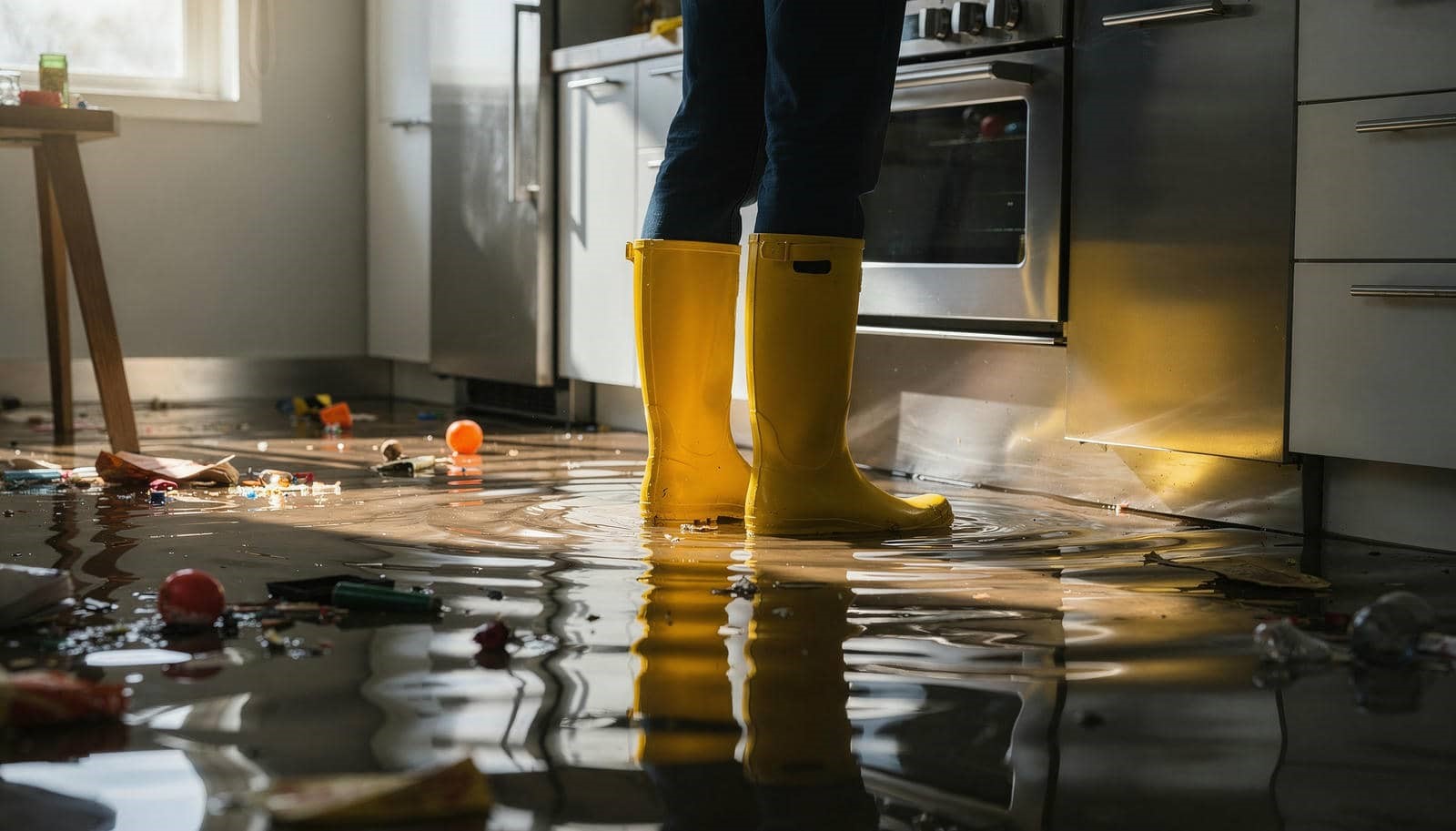
When floodwater leaves a silent mark on your home, you need to act like a technician, not a tourist. First, document every damaged room and item, then cut power before you step into wet areas. Remove standing water fast, separate salvageable materials, and start drying walls, floors, and furniture. Clean and disinfect next, but don’t ignore hidden mold or damage behind surfaces—those water damage problems often decide what happens after the surface looks safe.
Key Takeaways
- Document all flood damage with photos, notes, room locations, and receipts for repairs and emergency purchases.
- Shut off power safely, and call an electrician or utility company if the breaker is inaccessible or the area is wet.
- Remove standing water with pumps or wet vacuums, then sort items into salvageable and unsalvageable groups.
- Clean and disinfect dryable surfaces, launder washable items, and discard porous materials that cannot be properly cleaned.
- Check for hidden moisture and mold, keep humidity below 60%, and contact a licensed restoration professional for severe damage.
Assess Flood Damage
Before you clean up, assess the flood damage thoroughly so you can spot hazards and prioritize repairs.
Walk through each room with a notepad and camera, and document every affected wall, floor, cabinet, appliance, and stored item. Mark water lines, soft materials, staining, swelling, and warped surfaces.
Compare visible damage with your flood insurance policy, then start a damage assessment log that lists item condition, estimated loss, and room location.
Remove contents only after you’ve recorded them. Test for hidden moisture with a meter if you have one, and note odors or sediment.
Keep receipts for emergency purchases and temporary fixes. When you share clear records, you protect your claim and help your household move forward together with confidence.
Shut Off Power and Stay Safe
If floodwater has reached outlets, appliances, or the breaker panel, cut power at the main breaker only if you can reach it from a dry area and it’s safe to do so.
If you can’t, stay out and call your utility company or a licensed electrician. Don’t touch wet switches, cords, or plugged-in equipment.
Wear insulated boots and gloves if you must move through damp areas, and keep children and pets away. Use flashlights, not candles, to reduce fire risk.
Gather emergency supplies such as bottled water, a phone charger, and a first-aid kit before you leave the area.
Follow safety precautions, watch for downed lines, and treat every wet surface as energized until a professional clears it.
You’re safer together when everyone follows the same rules.
Remove Standing Water Fast
After you’ve shut off power, remove standing water as fast as you can with pumps and wet vacuums.
Keep electrical sources off while you work to reduce shock risk.
Once the water is out, start drying affected areas immediately to limit damage and mold growth.
Use Pumps And Wet Vacuums
Choose the right tool for each zone: submersible pumps handle larger depths, while wet vacuums work best on thinner layers and tight corners.
Follow proven water removal techniques by making slow, overlapping passes so you don’t leave hidden pockets behind.
Empty the recovery tank often to keep suction strong and reduce downtime.
Check hose connections, filters, and seals before each run, and do basic pump maintenance so equipment stays reliable through the job.
If you’re working with your team, assign one person to monitor fill levels and another to guide the hose.
Stay organized, stay efficient, and you’ll clear the space faster.
Shut Off Electrical Sources
Before you enter any flooded area, shut off electricity at the main breaker or disconnect power at the source if it’s safe to reach, then confirm the circuits are de-energized before you keep removing water.
You protect yourself and your team by treating every outlet, cord, and appliance as energized until verified otherwise. Keep hands dry, stand on a dry surface, and use insulated tools only.
If water reaches the panel, call a licensed electrician and stop work. Post a clear warning so everyone respects the zone and avoids electrical hazards.
This step is core flood safety because hidden current can arc through standing water, metal, and damp walls.
Once power is isolated, you can continue pumping with less risk and stay aligned with the crew’s safety plan.
Start Drying Affected Areas
Get standing water out as quickly as possible with pumps, wet vacs, squeegees, and absorbent materials so moisture doesn’t keep soaking into framing, flooring, and drywall.
Once the bulk water is gone, open safe windows and doors if conditions allow, then run fans to improve air circulation across affected rooms.
Position a dehumidifier near the wettest area and keep it operating continuously; proper dehumidifier use helps pull moisture from the air and speeds structural drying.
Move rugs, furniture, and boxes off damp surfaces so each member of your home can dry evenly.
Check hidden spaces behind baseboards, under cabinets, and inside wall cavities for trapped moisture.
Keep monitoring humidity, and stay connected with your restoration team so you know the space is drying on schedule.
Save Salvageable Items
Sort your wet belongings immediately and separate items you can still save from those that need disposal.
Move salvageable items to a clean, dry area and start drying them right away to limit mold growth and further damage.
Use fans, dehumidifiers, and open airflow to speed drying and protect materials that can be restored.
Sort Wet Belongings
Move wet belongings to a clean, dry area and separate them into salvageable and unsalvageable groups. You’ll protect your space and make recovery easier when you work methodically.
Inspect each item for structural damage, contamination, and material loss. If an item can’t be cleaned safely, discard damaged pieces immediately. Prioritize essentials like identification, medications, and irreplaceable records so your household stays organized.
- Label items by room and condition.
- Set aside cleanable fabrics, plastics, and sealed containers.
- Bag questionable items for later disposal review.
Keep like items together so you can track what belongs to your home and what doesn’t. This simple sorting step helps you regain control and stay connected to what matters most.
Dry Items Quickly
As soon as you’ve sorted salvageable items, dry them immediately to limit mold growth and further damage.
Move each item to a clean, dry area, then separate textiles, papers, and hard goods so moisture doesn’t spread.
Increase air circulation with open doors, fans, and elevated placement on racks or blocks.
Use dehumidifier usage to pull humidity down and keep it low until surfaces feel dry.
Blot excess water from fabrics and books; don’t rub, which can set stains and damage fibers.
For electronics, unplug them and let a qualified technician inspect them before power-up.
Check hidden seams, drawers, and padding daily.
Stay consistent, and you’ll protect more of what matters to your household and community.
Dry Walls, Floors, and Furniture
Start drying wet materials immediately to limit mold growth and structural damage. You should use drying techniques that match each material: remove standing water, open wall cavities, and lift rugs.
Run fans and dehumidifiers to improve air circulation and support moisture control. Check drywall, baseboards, and subfloors for soft spots, then schedule insulation inspection if walls stayed wet.
For furniture restoration, move pieces apart, prop cushions, and wipe visible water from joints.
- Keep contact points elevated to speed drying.
- Monitor humidity daily and adjust equipment.
- Track the recovery timeline so you know when to repair or replace.
Watch for warping, swelling, or odors; these signs tell you structural integrity may be reduced.
Work methodically, and you’ll help your space recover faster with less loss.
Clean and Disinfect Flooded Areas
Once the area is dry enough for safe access, clean all flood-exposed surfaces with soap and water, then disinfect them with an EPA-registered product to reduce contamination risk.
Wear gloves, boots, and eye protection so you can work safely with your cleanup crew. Scrub hard surfaces, baseboards, and fixtures, rinsing as needed, then apply the disinfectant at the label’s contact time.
Use separate cloths for clean and dirty zones to avoid spreading residue. Launder washable items in hot water with detergent. Discard porous materials that can’t be fully cleaned.
These flood cleanup tips support effective sanitation methods and help your home feel controlled again. Keep tools organized, change solutions when cloudy, and ventilate rooms while you work.
Check for Mold After Flooding
Even after you’ve cleaned and disinfected flood-exposed surfaces, you still need to check for mold growth in damp or hidden areas.
Inspect walls, baseboards, furniture, and soft materials for discoloration, musty odor, or fuzzy patches. Use mold prevention tips to keep the area dry and ventilated, and protect your indoor air quality by limiting dust and moisture.
If you spot growth, isolate the item, wear gloves and an N95 mask, and clean small affected areas with approved products.
For a fast check, follow these steps:
- Look daily for new spotting.
- Measure humidity; keep it below 60%.
- Dry wet items within 24 to 48 hours.
You’re not alone in this process; consistent checks help your home recover safely and confidently.
Find Damage Behind Walls and Floors
When floodwater has soaked your home, you need to inspect behind walls and under floors for hidden damage. Cut power to affected areas, then remove baseboards, outlet covers, and small wall sections where needed.
Look for hidden moisture, swollen drywall, stained insulation, and rusted fasteners. Press on wall surfaces; soft spots can signal lost wall integrity.
Check floorboards for cupping, buckling, or spongy sections, especially near low points and seams. Use a moisture meter if you have one, and compare readings in wet and dry zones. Mark damaged areas so you can track changes over time.
If you hear cracking, see gaps, or smell a musty odor, keep watching closely. Working carefully helps you protect your space and stay connected to the recovery process.
Call a Water Damage Restoration Pro
If hidden moisture, warped materials, or structural soft spots keep showing up, call a water damage restoration pro right away. You’ll protect your home, speed drying, and limit mold growth.
A licensed team uses meters, thermal imaging, and commercial dehumidifiers to find damage you can’t see. During restoration company selection, confirm 24/7 response, insurance documentation, and clear estimates.
If you file water damage insurance, ask the pro to photo-log losses and separate repair costs from mitigation costs.
- Verify moisture readings in walls, subfloors, and insulation.
- Request containment, extraction, and drying schedules.
- Keep all invoices and reports for claims.
Act quickly, stay informed, and work with a crew that treats your recovery like their own.
Frequently Asked Questions
What Insurance Documents Should I Gather After a Flood?
Gather your policy number, claim form, photos, repair estimates, receipts, and a document checklist. You’ll also need details on insurance types, coverage limits, and adjuster notes so you can file fast and feel supported.
How Do I File a Flood Damage Claim Quickly?
You’ll file fast by contacting your flood insurance carrier, submitting photos, receipts, and a loss list, then requesting claim process confirmation. It’s a tidal wave of paperwork, but you’ll stay organized, meet deadlines, and follow up.
Can I Use Tap Water During Recovery?
Yes, you can use tap water only if local officials declare it safe. Follow recovery guidelines, check tap water safety advisories, and boil or disinfect water when needed. You’ll protect yourself and your household.
When Should I Contact My Landlord After Flooding?
You should contact your landlord immediately, like a smoke alarm at 2 a.m.—fast and unavoidable. Tell them the damage, document it, and know landlord responsibilities and tenant rights so you can act confidently.
How Long Before a Flooded House Is Safe to Reenter?
You can’t reenter until authorities confirm flood safety and the structure’s dry, stable, and electrically cleared. Wait for water testing, gas checks, and mold assessment; even then, enter only with landlord approval and protective gear.
Review
If the flood hits your home and your plan hits back, you can limit the damage fast. Assess the loss, shut off power, and remove standing water right away. Save what you can, dry every surface, and disinfect thoroughly. When you spot mold or hidden damage, don’t wait—check behind walls and floors. If the cleanup seems bigger than you can handle, call a licensed water damage restoration pro and protect your insurance claim.