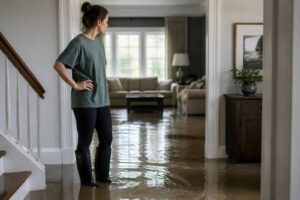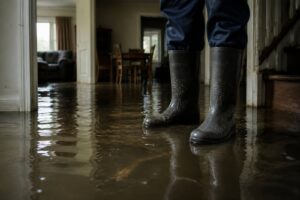
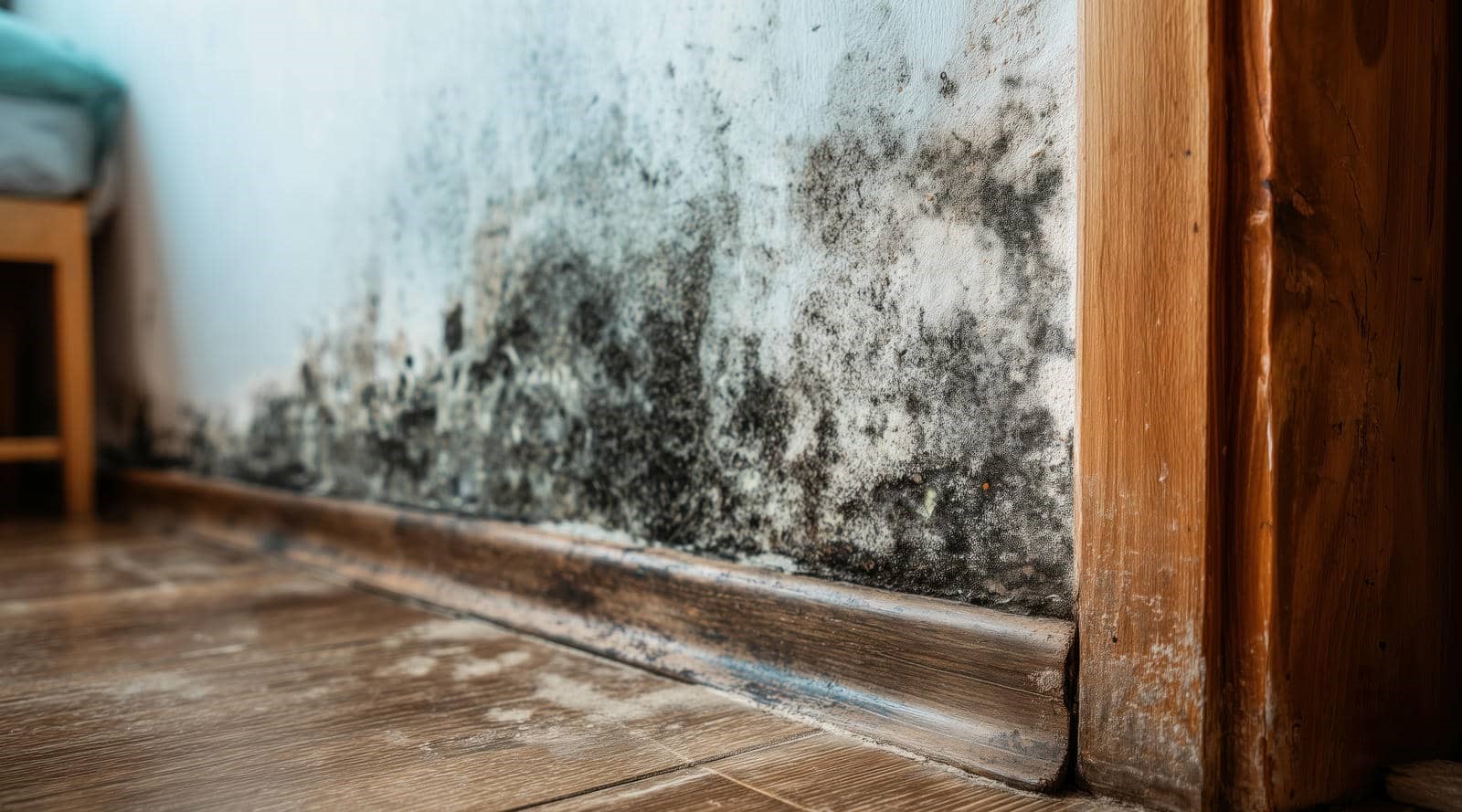
After flooding, you need to act fast to stop mold growth before it spreads. You can reduce moisture by drying wet areas with fans and dehumidifiers, then remove materials that can’t be saved, like soaked drywall or carpet. Once the space is dry, clean all surfaces with detergent and water, including mold cleanup hidden corners where mold can stay active. The next step is just as important.
Key Takeaways
- Dry wet materials immediately with fans and open windows to stop mold from spreading.
- Use dehumidifiers and keep indoor humidity below 60% for faster cleanup.
- Remove soaked carpets, padding, drywall, insulation, and ceiling tiles right away.
- Clean remaining surfaces with detergent and water, then rinse and dry them completely.
- Check hidden damp areas often and monitor moisture to catch mold early.
Stop Mold Growth After Flooding
After flooding, you need to dry wet materials fast to stop mold from taking hold. You can protect your space by opening windows, running fans, and using dehumidifiers to pull moisture from the air.
Check hidden spots like baseboards, closets, and under sinks, because mold starts where dampness lingers. Use mold prevention strategies such as keeping indoor surfaces dry and cleaning up small wet areas right away.
Track indoor moisture with a meter, and apply humidity control methods to keep levels below 60 percent. Stay consistent for several days, since early action reduces damage and helps your home feel safe again.
If you work together with your household, you’ll build a cleaner, healthier environment and keep mold from spreading further.
Dry and Remove Water-Damaged Materials
Once you’ve lowered indoor moisture, focus on materials that stayed wet during the flood. You’ll protect your space by acting quickly and methodically, so your cleanup team feels confident together. Start with water extraction from carpets, padding, and porous items, then separate anything that won’t dry fast enough.
Pull up the soaked carpet and underlayment.
Remove swollen drywall, insulation, and ceiling tiles.
Bag small contaminated items for material disposal.
Stack salvageable wood and furnishings off the floor for airflow.
Keep wet materials isolated so you don’t spread damage through the room. If a material still feels damp after a short drying period, don’t keep hoping it’ll recover—remove it.
Quick decisions now help your group move forward with less risk and more control.
Clean Surfaces and Prevent Mold Return
Now that wet materials are out, clean every remaining surface with detergent and water to remove mold residue and dirt. Scrub hard, rinse well, and dry each area completely so spores can’t settle again.
You’ll want to focus on hidden spots like baseboards, window frames, and under sinks, where moisture lingers and mold often returns.
Use ventilation strategies such as opening windows, running exhaust fans, and keeping air moving with dehumidifiers.
If you replace damaged finishes, choose mold resistant products for drywall, paint, and sealants to add lasting protection.
Check humidity often and keep it below 60 percent.
When you follow these steps, you’re not just cleaning—you’re helping your home feel safe, healthy, and ready for everyone who belongs there.
Frequently Asked Questions
How Soon Should Insurance Be Notified After Flood-Related Mold Cleanup Begins?
You should notify your insurer right away, ideally before mold remediation starts, so you protect insurance claims and preserve evidence. You’ll feel more supported when you document damage, keep receipts, and follow their reporting requirements closely.
Can Mold Cleanup Costs Be Tax-Deductible After a Flooding Event?
Yes, you may claim mold cleanup tax deductions if the flooding caused a federally declared disaster and you itemize eligible losses. You’ll need records, receipts, and insurer reimbursements to support your claim.
What Safety Gear Is Best for People With Asthma During Cleanup?
You should wear N95 or P100 asthma friendly masks and protective gloves; one study found respirable mold spores can spike tenfold after water damage. You’ll reduce exposure, breathe easier, and stay included in cleanup safely.
How Should Contaminated Clothing Be Washed After Mold Exposure?
Wash contaminated clothing separately in hot water with detergent and oxygen bleach, then dry it thoroughly on high heat. Use mold removal techniques and clothing sanitization steps, and you’ll protect your home and community.
When Is Professional Mold Testing Recommended After Flooding?
You should get professional mold testing if flooding lasted over 24 hours, you smell mold, or see hidden damage. Use mold testing methods to guide flood damage prevention, and you’ll protect your home and community.
Recap
By acting quickly, you stop mold before it spreads. Dry wet materials with fans and dehumidifiers, then remove anything too damaged to save. Clean every surface with detergent and water, including hidden areas where moisture can linger. Keep an eye on humidity so mold doesn’t get a foothold again. When you stay on top of each step, you’ll turn the tide after flooding and restore a safer, healthier space.