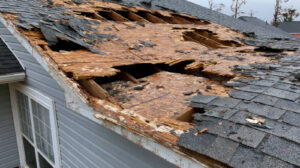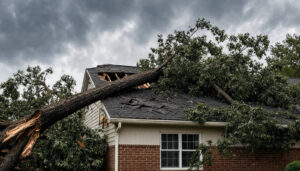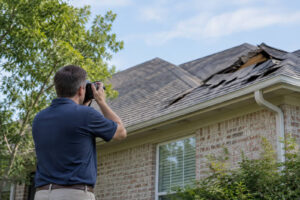

After a major storm, water damage can start where you can’t see it. Hidden Water Damage may show up as staining, peeling paint, or warped baseboards, but you should also check ceilings, attics, and areas around fixtures for dampness or sagging. Floors and carpets can hide moisture too, and the real warning signs often appear in places you’d never expect. Knowing where to look can help you catch problems before they become much harder to repair.
Key Takeaways
- Check ceilings and attic spaces for stains, sagging drywall, damp insulation, and rusted nails after storm exposure.
- Inspect walls, baseboards, and corners for discoloration, peeling paint, bubbling, swelling, or recurring mold spots.
- Look around windows, roof penetrations, flashing, and exterior corners where storm-driven rain often enters.
- Examine floors, carpets, and subfloors for soft spots, buckling, cool damp areas, and musty odors.
- Watch for hidden plumbing or foundation leaks worsened by storms, especially near chases, cracks, and clogged gutters.
Where Storm Water Damage Hides First
Storm water damage often hides in the first places you’re least likely to inspect: wall cavities, ceiling voids, and the subfloor beneath visible finishes.
You should focus your moisture checks there because hidden water damage caused by storms usually follows gravity, airflow, and framing gaps. Water can track along insulation, slip behind trim, and settle under flooring without leaving obvious surface marks.
Use a moisture meter, thermal scan, and targeted opening only where readings stay elevated. Pay special attention near roof penetrations, exterior corners, and plumbing chases, since these areas often share vulnerable pathways.
When you verify conditions early, you protect your home, your routine, and the people who count on you, and you stay part of the group that handles storm recovery well.
Signs of Hidden Storm Water Damage in Walls
When hidden water damage is active in walls, you’ll often notice subtle clues before any obvious staining appears. You may feel damp drywall, a faint musty odor, or cooler wall sections after a storm.
Paint can bubble, blister, or lose adhesion, and wallpaper may lift at the seams. You might also see slight discoloration, warped trim, or hairline cracks that widen as materials swell.
Tap suspect areas; a hollow or soft sound can signal saturated backing. Watch for recurring mold spots near baseboards or around outlets.
If you spot these signs, stay calm and act quickly. Document what you see, limit further moisture, and arrange a moisture inspection so you can confirm the extent and protect your home together.
Check Ceilings, Attics, and Fixtures
After a storm, check ceilings, attic spaces, and light fixtures for hidden water damage before stains spread. You’ll spot trouble faster when you inspect for sagging drywall, dark rings, or soft spots around seams.
In the attic, use a flashlight to look for damp insulation, rusted nails, and wet rafters, since these often show roof leaks early. Around fixtures, turn off power first, then watch for discoloration, dripping, or a musty odor.
- Press gently on suspicious ceiling areas to test firmness.
- Trace any stain to its highest point to find the entry path.
- Photograph every issue so you can compare changes later.
You’re not alone in this process; careful checks help your home recover safely and confidently.
Look for Moisture Under Floors and Carpets
Check carpets for cool spots, discoloration, musty odor, or a spongy feel, since these often signal trapped moisture after a storm.
Lift a corner and inspect the padding and subfloor for dampness, staining, or warping.
If you find moisture, dry the area quickly and monitor it so you can prevent hidden damage from spreading.
Carpet Dampness Signs
Where can storm moisture hide underfoot? In your carpet, it can settle after wind-driven rain or seepage, and you can catch it early by trusting small cues. You’re not alone if the room still feels off after a storm.
- Press the carpet with a clean towel; if it darkens or feels cool, moisture’s present.
- Walk slowly and notice spongy, uneven, or matted areas that don’t spring back.
- Smell for a musty odor near edges, seams, or furniture legs, where trapped water lingers.
Check the pad by lifting a corner just enough to inspect the backing. If you spot dampness, improve airflow and remove wet materials promptly. Acting quickly helps you protect your home and stay in control.
Subfloor Moisture Checks
If the carpet feels damp or looks uneven after a storm, the moisture may have reached the subfloor beneath it. You can confirm this by pressing on the floor for soft spots, checking for cupping or buckling, and lifting a corner of the carpet if it’s safe to do so.
Use a moisture meter to compare readings in affected and dry areas; higher numbers usually point to hidden saturation. Pay attention to tack strips, seams, and edges near exterior walls, where water often travels first.
If you notice a musty odor or cool surface, don’t ignore it. You’re not alone in this—many homeowners face the same issue after storms. Acting quickly helps you protect your home and keeps small damage from becoming a larger repair.
How Pros Find Hidden Moisture
After a storm, pros use moisture inspections to track hidden water that can settle behind walls, above ceilings, and under floors. You’re part of the process when they map damp zones with meters and heat cameras, then compare readings across materials. They’ll also check trim, insulation, and seams where water likes to linger.
- They scan surfaces for temperature changes.
- They probe wood and drywall for elevated moisture.
- They verify suspicious spots with repeat readings.
This method helps you identify damage before it spreads and keeps repairs targeted. You don’t need to guess where moisture hides; trained inspectors read the pattern for you.
With careful testing, you can feel confident your home’s wet spots are found, documented, and addressed the right way.
When to Call a Water Damage Pro
If you keep seeing persistent moisture signs after a storm, it’s time to call a water damage pro.
They can check for hidden structural damage behind walls, ceilings, and floors before it spreads.
If you notice mold or musty odors, professional drying and inspection can help you address the problem quickly and safely.
Persistent Moisture Signs
When moisture keeps returning after a storm, you may be dealing with hidden water damage that’s working its way behind walls, into ceilings, or beneath flooring. You can often spot the pattern by checking the same areas each day. If the damp spot grows after drying, call a pro.
- Musty odors that linger even with open windows
- Paint that blisters, stains, or peels again
- Floors or baseboards that feel cool, soft, or damp
These signs mean water’s still present, and your cleanup isn’t complete. You don’t have to guess or feel alone in it. A water damage specialist can use moisture meters and thermal imaging to confirm where water remains, then guide your next step with confidence.
Hidden Structural Damage
Storm-driven water can hide inside framing, insulation, subfloors, and ceiling cavities, where it weakens materials long before you see visible damage.
You may notice soft floors, warped trim, bowed drywall, or doors that suddenly stick. These clues often mean structural members absorbed moisture and lost strength.
Check for sagging ceilings, cracked joints, and uneven floors after heavy rain, roof leaks, or flooding. If you hear creaks, feel bounce in the floor, or spot stains that keep spreading, call a water damage pro.
They use moisture meters, thermal imaging, and targeted openings to find what’s trapped behind surfaces. Acting early protects your home’s safety, keeps repairs smaller, and helps you stay confident with neighbors who’ve faced the same storm challenges.
Mold And Odors
Musty odors and visible mold often show that storm moisture is still trapped inside your home, even after surfaces feel dry. You can’t ignore these signals, because mold can spread behind drywall, under flooring, and in insulation fast.
Call a water damage pro when you notice:
- Persistent earthy smells after airing out rooms
- New spots, stains, or fuzzy growth on walls or ceilings
- Allergy symptoms that flare when you’re home
A trained technician can measure hidden moisture, find the source, and dry affected materials before damage grows.
You’re not overreacting by asking for help; you’re protecting your home and the people in it. Quick action lowers repair costs, improves indoor air quality, and helps your space feel safe again.
Frequently Asked Questions
How Long Before Hidden Storm Water Damage Causes Mold?
Mold can start growing in 24 to 48 hours after hidden storm water damage. You should dry affected areas fast, inspect walls, ceilings, and floors, and call a moisture professional if you can’t confirm everything’s dry.
Can Storm Water Damage Affect Electrical Systems?
Yes—storm water damage can affect your electrical systems; about 1 in 3 fire losses involve wiring issues. You should inspect outlets, panels, and hidden junctions quickly, because moisture can corrode connections and restore safety.
Are Home Moisture Meters Accurate for Wall Inspections?
Yes, home moisture meters can help you inspect walls, but you’ll get the best results when you compare readings, calibrate properly, and look for patterns. They’re reliable enough to guide you, not replace a professional inspection.
Does Homeowners Insurance Cover Hidden Storm Water Damage?
Generally, yes, but policies vary. You’ll need to review your coverage, document storm damage, and file promptly. A moisture inspection can reveal hidden issues behind walls, ceilings, and floors, helping you support your claim.
What Should I Do Immediately After Discovering Moisture?
You should stop the leak, shut off power nearby, and dry the area fast. Then document damage, call your insurer, and schedule a moisture inspection. You’re not alone—quick action helps protect your home and your claim.
Final Thoughts
You’ve got to stay alert after a storm, because hidden water can spread fast behind walls, above ceilings, and under floors. In fact, water damage claims make up nearly 1 in 60 insured homes each year, so you’re not alone in facing it. Check for odors, stains, soft spots, and warped trim before damage worsens. If you suspect trapped moisture, don’t wait—bring in a pro to find it early and protect your home.