When you face water damage, you need to know whether you only need extraction or a full restoration plan. Water extraction removes standing water fast, but it doesn’t address hidden moisture, contamination, or structural repairs. Water damage restoration goes further, drying materials, sanitizing affected areas, and restoring damaged components. The difference can affect cost, timeline, and safety, so the next step matters more than you might expect.
Key Takeaways
- Water extraction removes standing water quickly after leaks or floods to limit immediate spread and reduce slip hazards.
- Water damage restoration is the full process of drying, cleaning, disinfecting, and repairing affected materials and structures.
- Extraction addresses visible water, while restoration handles hidden moisture in drywall, flooring, framing, and other concealed areas.
- Restoration includes sanitizing surfaces, controlling odors, removing contaminated materials, and preventing mold growth.
- Choose restoration, not just extraction, if moisture returns, materials warp or stain, or musty odors and soft spots remain.
What Is Water Extraction?
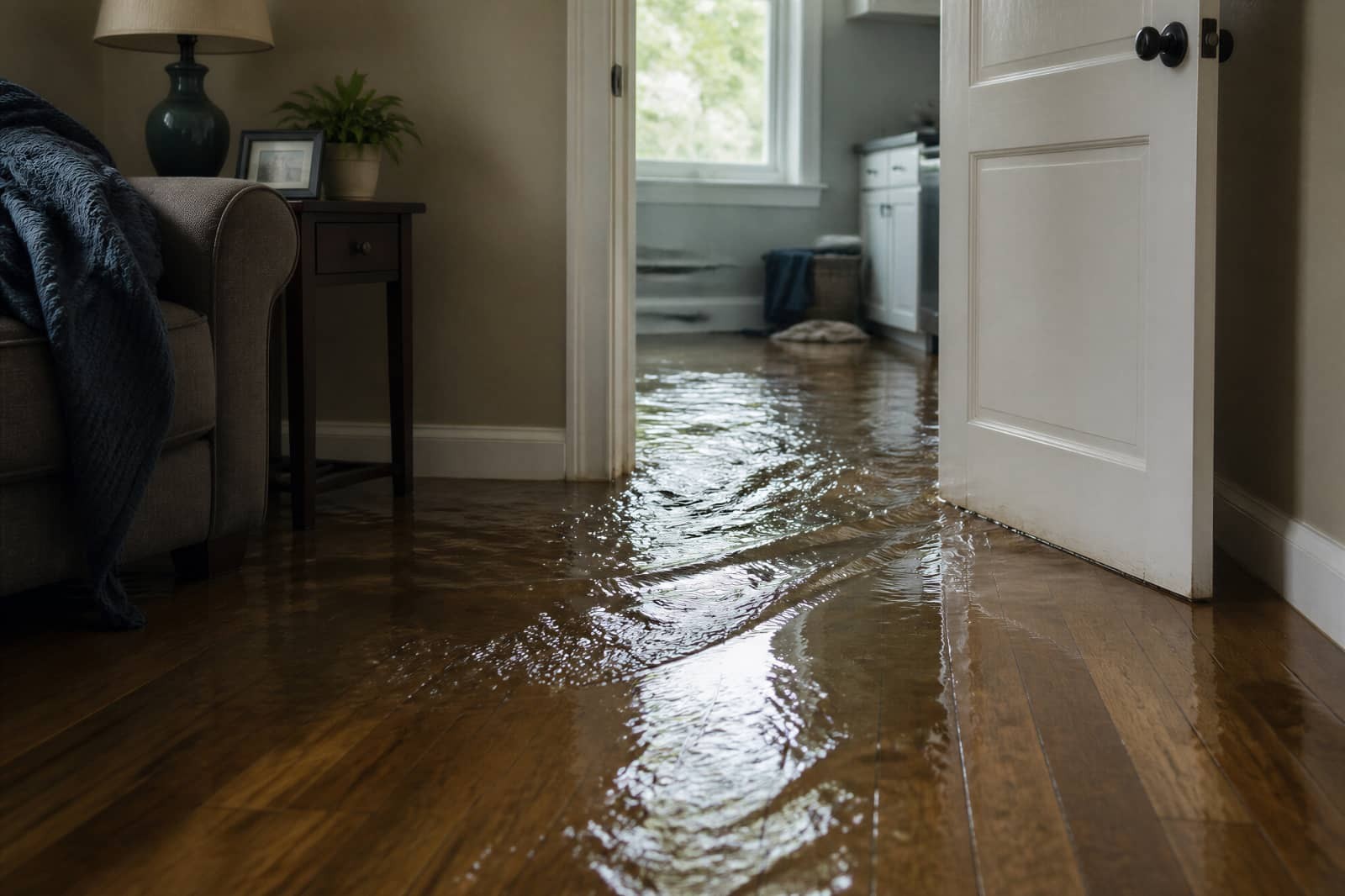
Water extraction is the process of removing standing water from a property as quickly as possible after a leak, flood, or other water intrusion.
You use pumps, wet vacuums, and specialized suction to pull water from floors, carpets, and cavities before it spreads farther.
In water extraction versus water damage restoration, extraction is the urgent first step, not the complete solution.
You limit saturation, reduce structural stress, and help protect materials from further deterioration.
You also make the site safer for you and your team by lowering slip risks and moisture exposure.
Fast extraction matters because trapped water can move into hidden areas and worsen the damage.
When you act quickly, you give your property the best chance to recover well and rejoin your space.
What Full Water Damage Restoration Includes
Full water damage restoration goes far beyond removing visible water, because you also need to dry, clean, disinfect, repair, and verify that the property is safe to use again.
You get a coordinated process that protects your home and helps you feel confident again. Technicians assess hidden moisture, dry affected materials, remove contaminants, and restore damaged surfaces with controlled methods.
- You regain a healthier space for your family.
- You reduce the stress of lingering odors and stains.
- You rebuild trust in your property’s safety.
Every step matters, because overlooked moisture can weaken materials and invite problems later.
When you choose full restoration, you’re not just fixing damage—you’re protecting your place, your comfort, and your peace of mind.
Water Extraction vs. Water Damage Restoration?
So, what’s the difference between water extraction and water damage restoration?
Water extraction is the immediate removal of standing water from your property using pumps, vacuums, and other specialized equipment. It stops visible water from lingering on floors, carpets, and structural surfaces.
Water damage restoration goes further. It includes drying materials, cleaning affected areas, sanitizing contaminated surfaces, repairing damaged structures, and returning your space to a safe, usable condition.
You can think of extraction as one step in a larger recovery process. Restoration addresses the hidden effects that water leaves behind, so you’re not left with unresolved problems.
When you choose a team that handles both, you’re joining a process built to protect your property, your comfort, and your peace of mind.
Why Fast Water Removal Matters
Fast water removal matters because every minute you wait lets moisture spread into flooring, drywall, and structural materials.
When you respond quickly, you limit secondary damage and reduce the conditions that support mold growth.
Acting fast also makes the full restoration process more controlled and far less disruptive.
Rapid Response Limits Damage
When water sits, it quickly soaks deeper into flooring, drywall, insulation, and structural framing, which is why rapid removal matters. You protect your property’s condition by acting fast, because every minute increases the area that needs attention.
Quick extraction helps you limit staining, warping, and swelling before they spread. It also gives your restoration team a cleaner starting point, so the work can move efficiently and with less disruption to your routine.
- You keep more of your original materials intact.
- You reduce the scope of repairs you may face.
- You regain a sense of control sooner.
When you respond quickly, you’re not just removing water—you’re helping your home or business stay stable, functional, and ready for the next step.
Prevents Mold Growth
Moisture left behind after a leak or flood creates the conditions mold needs to begin growing, often within 24 to 48 hours.
When you remove water quickly, you lower indoor humidity and stop spores from colonizing wet drywall, carpet, and framing. That fast action protects your home’s structure and keeps your family’s air safer.
You’re not just drying surfaces; you’re interrupting a biological process that thrives in damp, warm spaces.
In a proper restoration plan, technicians extract standing water, assess hidden moisture, and dry affected materials with monitored equipment. This helps you avoid costly demolition, lingering odors, and health concerns.
When you act early, you join the group of property owners who recover faster, with less disruption and more confidence in the outcome.
Drying, Dehumidifying, and Moisture Checks
After standing water is removed, you still need to dry the structure, dehumidify the air, and verify hidden moisture levels. You’ll feel better knowing each surface reaches safe moisture targets, because controlled drying protects your home and your sense of security.
Technicians place air movers to increase evaporation, then run dehumidifiers to pull vapor from the air. They also use moisture meters to check drywall, flooring, and framing that can trap water you can’t see.
- You regain confidence when readings drop steadily.
- You avoid hidden damage when damp pockets get caught early.
- You stay connected to a team that explains each step clearly.
When measurements confirm dryness, restoration can move forward with confidence.
Cleaning and Sanitizing Damaged Areas
You’ll need to clean and disinfect all affected surfaces to remove contaminants left behind after water intrusion.
This step helps prevent mold growth by eliminating residual moisture-supporting debris and microbial spores.
It also reduces lingering odors, so your space feels safe and fully restored.
Surface Disinfection
Surface disinfection removes contaminants from affected surfaces and helps stop bacterial growth after water exposure. You’ll want to treat floors, walls, cabinets, and hard fixtures with approved disinfectants after cleaning. This step lowers odor, reduces cross-contamination, and helps you reclaim a safe, familiar space.
Technicians select products that match the material and required contact time, then wipe or spray them evenly for consistent coverage.
- You feel relief when your home starts to look controlled again.
- You gain confidence knowing shared spaces are being treated carefully.
- You restore comfort when each surface supports a healthier return.
Disinfection works best after moisture and debris are removed, so you’re not just masking damage—you’re stabilizing the environment with care and precision.
Mold Prevention
Once surfaces are disinfected, the next step is to clean and sanitize all damaged areas to limit the conditions mold needs to grow. You’ll want to remove porous debris, scrub remaining surfaces, and apply approved sanitizers to framing, subfloors, and finishes.
This helps reduce microbial load and supports a healthier recovery process. Keep affected spaces dry with airflow and dehumidification, because trapped moisture can let spores colonize quickly.
Inspect hidden cavities, baseboards, and wall edges so you don’t leave damp pockets behind. When you address every exposed surface with care, you protect your property and your household.
You’re not just drying a space—you’re restoring a safer, more reliable environment where you can feel confident moving forward.
Odor Removal
Odor removal starts with cleaning and sanitizing every affected area, because lingering smells usually come from moisture, bacteria, and contaminated materials left behind after the water is gone.
You’ll need to remove porous items that hold odor, then apply antimicrobial cleaners and deodorize surfaces, framing, and ductwork. This step supports a healthier space and helps you feel at home again.
You can breathe easier when hidden contamination is addressed.
You regain confidence knowing your property is truly clean.
You feel relief as the space becomes welcoming again.
Professional restoration teams use HEPA filtration, thermal fogging, and hydroxyl treatment when needed.
These methods neutralize odor molecules instead of masking them, giving you lasting results and a safer environment.
Repairing Floors, Walls, and Contents
After the water is removed, restoration teams assess what can be salvaged and what needs replacement. They then repair damaged floors, walls, and contents to return the property to a safe, usable condition.
You’ll often see warped hardwood, softened drywall, and swollen trim, and technicians address each material with the right method. They remove compromised sections, dry framing cavities, replace insulation if needed, and rebuild surfaces so they meet structural and finish standards.
Salvageable furniture, electronics, and personal items get cleaned, disinfected, and carefully restored. When you work with a trained crew, you’re not handling this alone; you’re getting coordinated repairs that fit your home and help everyone feel settled again.
The goal isn’t just appearance. It’s restoring durability, function, and comfort with precision.
Signs You Need Full Restoration
Even with repairs underway, certain damage patterns show you need full restoration rather than simple drying or surface fixes. You should act when moisture keeps returning, drywall stays swollen, or odors remain after ventilation.
These signals often mean water has moved behind finishes, into insulation, framing, or subflooring, where hidden deterioration can spread. Full restoration also becomes necessary when you see staining, warped materials, or soft spots that change underfoot.
- You notice musty air that doesn’t fade.
- You find discoloration or bubbling in multiple rooms.
- You feel unsafe because materials keep loosening or sagging.
These conditions don’t mean you’re alone; they mean your property needs a complete, measured recovery to protect structure, comfort, and long-term indoor health.
How to Choose a Water Damage Restoration Company
Choosing the right water damage restoration company starts with confirming that the team can handle more than water removal, since true recovery often requires structural drying, moisture mapping, demolition, sanitizing, and rebuild coordination.
You should verify 24/7 response, licensed technicians, and documented IICRC training. Ask for thermal imaging, hygrometers, and clear drying logs, because accurate measurement protects hidden materials from secondary damage.
A trustworthy company will explain the scope, isolate affected areas, and communicate each step so you know what’s happening in your home. Request an itemized estimate and direct insurance support.
Check reviews for consistent workmanship and respectful service. When you choose a company that combines technical skill with steady communication, you’re not just hiring help—you’re joining a team committed to restoring your space safely and completely.
Frequently Asked Questions
How Long Does Water Extraction Usually Take?
Water extraction usually takes a few hours, though severe flooding can extend it to a day. You’ll get faster results when you act quickly, because professionals remove standing water and start drying right away.
Does Extraction Remove Hidden Moisture Behind Walls?
No, extraction usually won’t remove hidden moisture behind walls. You’ll need drying equipment, moisture meters, and sometimes demolition to reach trapped water. That’s how you protect your space, prevent mold, and restore your property fully.
Can I Stay Home During Restoration Work?
Usually, you can stay home during restoration, but your house may feel like a buzzing construction carnival. You’ll need safe access, good ventilation, and clear work zones. Your technician can tell you when to leave temporarily.
Will My Insurance Cover Water Damage Restoration?
Yes, you’re often covered if your policy includes sudden, accidental water damage. You’ll need to document losses, report promptly, and follow your insurer’s process. Gradual leaks, flooding, and neglect usually aren’t covered without extra endorsements.
How Much Does Full Restoration Cost?
Full restoration often costs $1,000–$10,000, and severe losses can exceed $25,000. You’ll get more than drying—you’ll have repairs, sanitation, and monitoring. You’re not alone; professionals can restore your property safely and efficiently.
Summary
When you face water damage, speed matters—but the real question is what comes next. If you stop at water extraction, hidden moisture can still threaten your floors, walls, and air quality. Full restoration gives you the drying, sanitizing, and repairs needed to protect your property long term. Don’t wait for damage to spread. Choose a team that can act fast, check every detail, and restore your space before a small problem becomes a bigger one.