Before storm season hits, you can take a few smart steps that may prevent costly damage and unnecessary stress. Start with the roof, gutters, and any weak spots around your home, then move outside to secure loose items and trim risky branches. A little preparation now can make a big difference when the weather turns. The first place to begin may surprise you.
Key Takeaways
- Inspect the roof for loose shingles, damaged flashing, and attic water stains.
- Clean gutters and downspouts so water drains away from the house.
- Trim dead branches and secure outdoor furniture, grills, and yard items.
- Prepare an emergency kit with water, food, flashlights, batteries, and medications.
- Photograph property and important belongings for insurance and repair records.
Check Your Roof Before the Storm
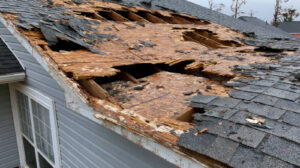
Before storm season hits, you should inspect your roof for loose shingles, damaged flashing, and any signs of wear that could let water in.
When you catch problems early, you protect your home and stay confident with the rest of your neighbors who are preparing your property for storm season.
Look for curled edges, missing pieces, sagging areas, and cracked seals around vents or chimneys. If you spot damage, arrange repairs right away so small issues don’t turn into costly leaks.
You can also check your attic for water stains, which may reveal hidden trouble.
Taking a few minutes now helps you feel ready, supported, and in control when severe weather arrives.
Clear Gutters and Improve Drainage
Clear gutters so rainwater can move away from your home without backing up under the roof or pooling near the foundation.
You’ll protect your property when you remove leaves, twigs, and grime before storm season starts. Check downspouts and make sure water flows at least several feet from the house. If you notice slow drainage, flush the lines or clear any blockages.
You can also inspect splash blocks, drains, and low spots in your yard to see where runoff collects. When water has a clear path, you reduce the chance of seepage, erosion, and costly repairs.
Taking this step helps you feel ready, supported, and part of a community that prepares wisely. A little maintenance now can make a big difference when heavy rain arrives.
Trim Trees and Secure Outdoor Items
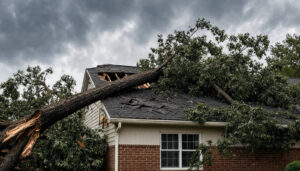
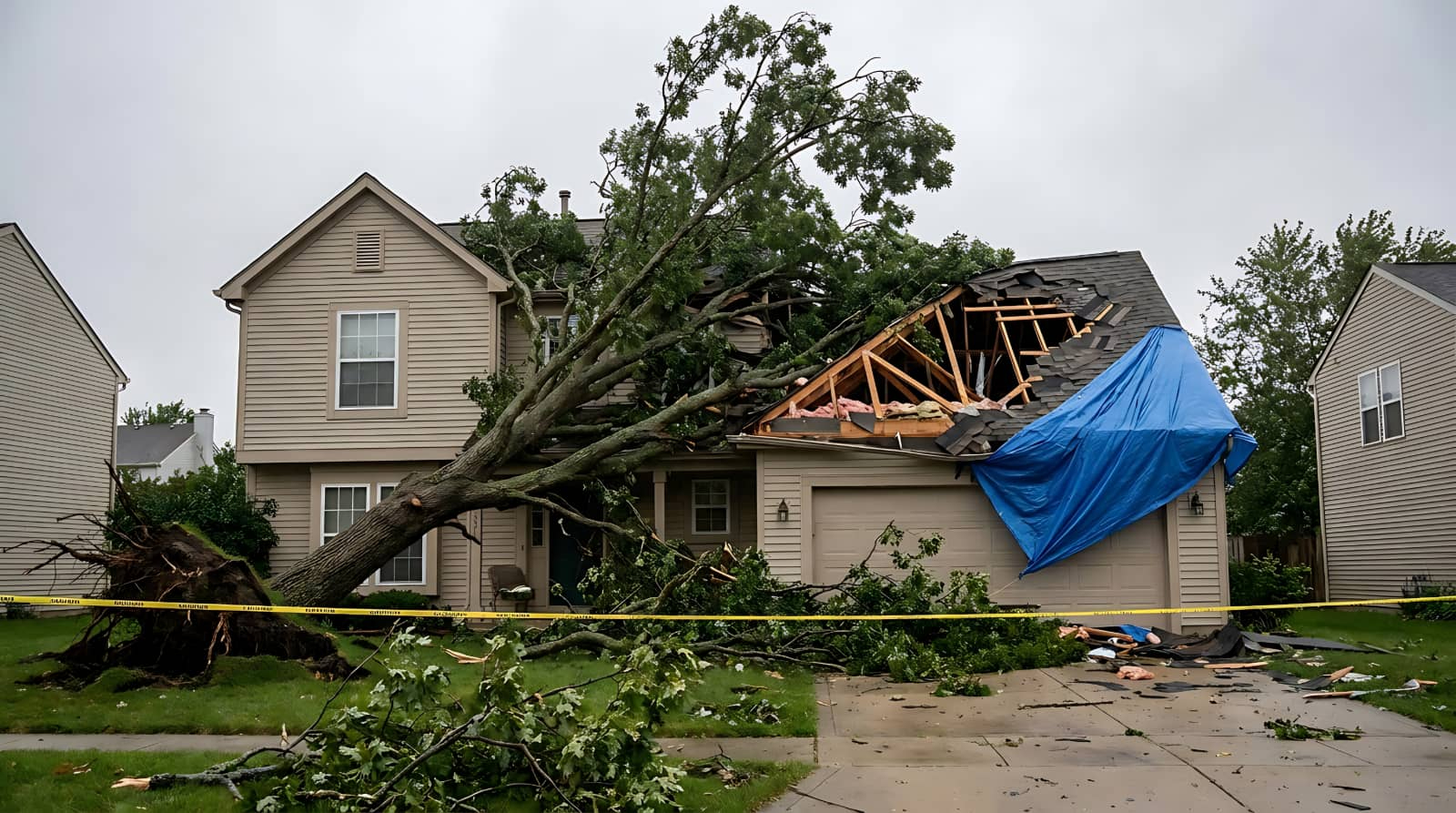
Trim back weak, dead, or overhanging branches so strong winds are less likely to break limbs and damage your roof, windows, or power lines.
You’ll also want to bring loose outdoor items inside or tie them down before storm conditions pick up. Taking these steps helps you protect your home and feel confident you’re ready alongside your neighbors.
- Store patio furniture in a garage or shed.
- Anchor grills, planters, and décor.
- Stack lightweight items in a sheltered spot.
- Check trees near walkways and driveways.
- Remove yard debris that could blow around.
When you handle these tasks early, you reduce avoidable damage and make cleanup easier.
A few careful minutes now can give you peace of mind and a safer property when the weather turns.
Secure Windows, Doors, and Utilities
After you’ve cleared the yard and secured loose items, turn your attention to the openings and systems that protect your home from wind and water.
Lock every window and door, and check that latches, hinges, and seals work properly. If you have storm shutters, install them before winds pick up.
Add weatherstripping where gaps let rain inside, and secure garage doors with approved bracing if needed.
Outside, know where your main water, gas, and electrical shutoffs are, and make sure they’re easy to reach.
If you spot frayed wires, leaking pipes, or loose fixtures, call a qualified professional now.
Taking these steps helps you protect your home, support your neighbors, and feel confident when storm season arrives.
Build a Storm Emergency Supply Kit
You should build a storm emergency supply kit with the essentials you may need if power or access is disrupted.
Pack enough water and nonperishable food for several days, along with a first aid kit, flashlights, batteries, and any needed medications.
Keep everything in one easy-to-reach place so you can respond quickly when a storm is coming.
Essential Emergency Supplies
Before storm season arrives, build a well-stocked emergency supply kit so you can stay safe and comfortable if power or water service goes out.
Pack items that help you manage the first several hours with confidence, and keep everything in one easy-to-grab container. You’ll feel more prepared when your kit reflects your family’s needs and your home’s layout.
- Flashlights with fresh batteries
- Battery-powered or hand-crank radio
- First-aid supplies and personal medications
- Multi-tool, matches, and work gloves
- Copies of key documents in a waterproof pouch
Store your kit where everyone can reach it quickly, and check it before each storm season.
When you prepare together, you strengthen your household’s readiness and peace of mind.
Water And Food Stock
Water and shelf-stable food are the backbone of a reliable storm emergency supply kit, giving you the comfort and energy to ride out outages without rushing for supplies.
You should store at least one gallon of water per person per day for several days, and keep extra for pets if they rely on you.
Choose foods you already enjoy, then rotate them before they expire so your kit stays ready. Canned goods, nut butters, dried fruit, granola, and ready-to-eat meals work well because they’re simple and filling.
Keep a manual can opener nearby and pack items in sealed bins to protect them from moisture.
When you prepare this way, you’re not just stocking shelves—you’re looking out for your household and joining a community of neighbors who stay ready together.
First Aid And Lighting
A strong storm kit goes beyond food and water, so add first aid and reliable lighting next. You’ll feel more prepared when you keep injuries, cuts, and power loss in mind.
Pack a compact kit and test every light before the season starts. That way, you and your household can stay calm and connected when the grid goes down.
- Adhesive bandages, gauze, and antiseptic wipes
- Pain relievers and any needed prescriptions
- Gloves, scissors, and tweezers
- Flashlights with extra batteries
- Battery-powered lanterns and a hand-crank option
Store everything in one easy-to-reach bin, and label it clearly. Check supplies often, replace expired items, and keep one flashlight near each exit.
Small steps like these help your home feel ready, safe, and supported.
Document Your Property for Insurance
Keep a clear record of your property before storm season arrives. Walk through your home and yard, and photograph every room, major appliance, roof area, windows, fences, and outdoor equipment.
Capture close-ups of serial numbers, receipts, and any recent upgrades. Store these files in the cloud and on a trusted device so you can reach them if power fails.
Update your inventory after repairs, purchases, or landscaping work. If you live in a neighborhood that looks out for one another, share a reminder to document too, because prepared households help the whole community recover faster.
When a claim is needed, your records can support it, reduce stress, and speed up the process. A few careful minutes now can protect your peace later.
Frequently Asked Questions
How Often Should Storm Preparation Be Updated Each Year?
You should update your storm preparation at least twice yearly, and more often if conditions change. Review your checklist before hurricane or winter seasons, after major storms, and whenever repairs, landscaping, or supplies change.
What Pets Need Special Storm Season Preparations?
You should prepare extra for anxious dogs, cats, birds, reptiles, and small mammals—they’re storm-sensitive sparks in the weather. Pack food, meds, carriers, and ID tags, and keep familiar blankets close for comfort and safety.
How Do I Choose a Safe Shelter Location?
You should choose an interior, windowless room on the lowest floor, away from exterior walls and flooding risks. You’ll want quick access, sturdy cover, and enough space for everyone, pets included, to wait safely.
Should I Review My Insurance Deductible Before Storms?
Yes, you should review your insurance deductible before storms—because surprises are only fun on birthdays. You’ll know what you’d pay, avoid panic later, and protect your household with confidence, clarity, and a stronger sense of preparedness.
What Neighborhood Resources Help During Extended Outages?
Your neighborhood can help with shared generators, cooling or warming centers, charging stations, meal distribution, and check-ins. You’ll also benefit from local alert groups, volunteer networks, and nearby friends who can share resources quickly.
Recap
As storm season approaches, you’ll want to act now, not later. The same steps that protect your roof, gutters, and yard also protect your peace of mind when the forecast suddenly changes. By checking your home, securing essentials, and documenting everything, you’re setting yourself up for a safer, smoother recovery. A little preparation today can mean a lot less damage tomorrow. Don’t wait for the wind to remind you—get ready before it’s too late.