When you notice a faint musty odor in one room, it’s like a warning light on a dashboard you can’t ignore. Mold Remediation may be necessary if you also spot discoloration, recurring dampness, or hidden mold after a leak. These signs often point to a moisture problem that can spread fast and affect indoor air quality. If these warning signs persist, the situation may already be more serious than it looks.
Key Takeaways
- Persistent musty odors, especially after rain or HVAC use, often indicate hidden mold and moisture problems.
- Visible mold patches on walls, ceilings, baseboards, or around windows signal the need for remediation.
- Water stains, bubbling paint, soft drywall, or recurring damp spots suggest active leaks and mold risk.
- Unexplained coughing, wheezing, irritation, or easier breathing away from home can point to indoor mold exposure.
- Condensation on walls, windows, or ductwork, especially with hidden areas like attics or closets, warrants professional inspection.
What Are the Early Signs of Mold?
Early signs of mold often show up as subtle but persistent changes in your home: a musty odor, small areas of visible growth, recurring moisture, or unexplained stains on walls, ceilings, or around windows.
You should treat these as signs your home needs mold remediation, especially if the same area keeps getting damp after cleaning or repairs.
Check for discoloration, peeling paint, warped materials, and soft drywall near sinks, basements, and vents.
If you notice condensation or humidity that stays high, you may have conditions that let mold spread quietly.
Act early so you can protect your household and keep your space healthy, comfortable, and welcoming.
Prompt inspection helps you confirm the source before damage worsens or spreads behind surfaces.
Musty Odors That Signal Mold
A persistent musty odor is one of the clearest signs your home needs mold remediation, even when you can’t see growth right away. You may notice it after rain, when HVAC systems run, or in closed rooms.
That smell often means spores and microbial compounds are active in damp materials. Don’t ignore it or mask it with fragrance; you’ll only delay proper action. Instead, track where the odor is strongest, note when it changes, and look for recent leaks, condensation, or poor ventilation.
If the smell returns after cleaning and airing out, you likely have an ongoing moisture issue that needs professional assessment. Acting early helps protect your home, your comfort, and your household’s shared indoor environment.
Visible Mold Growth and Hidden Spots
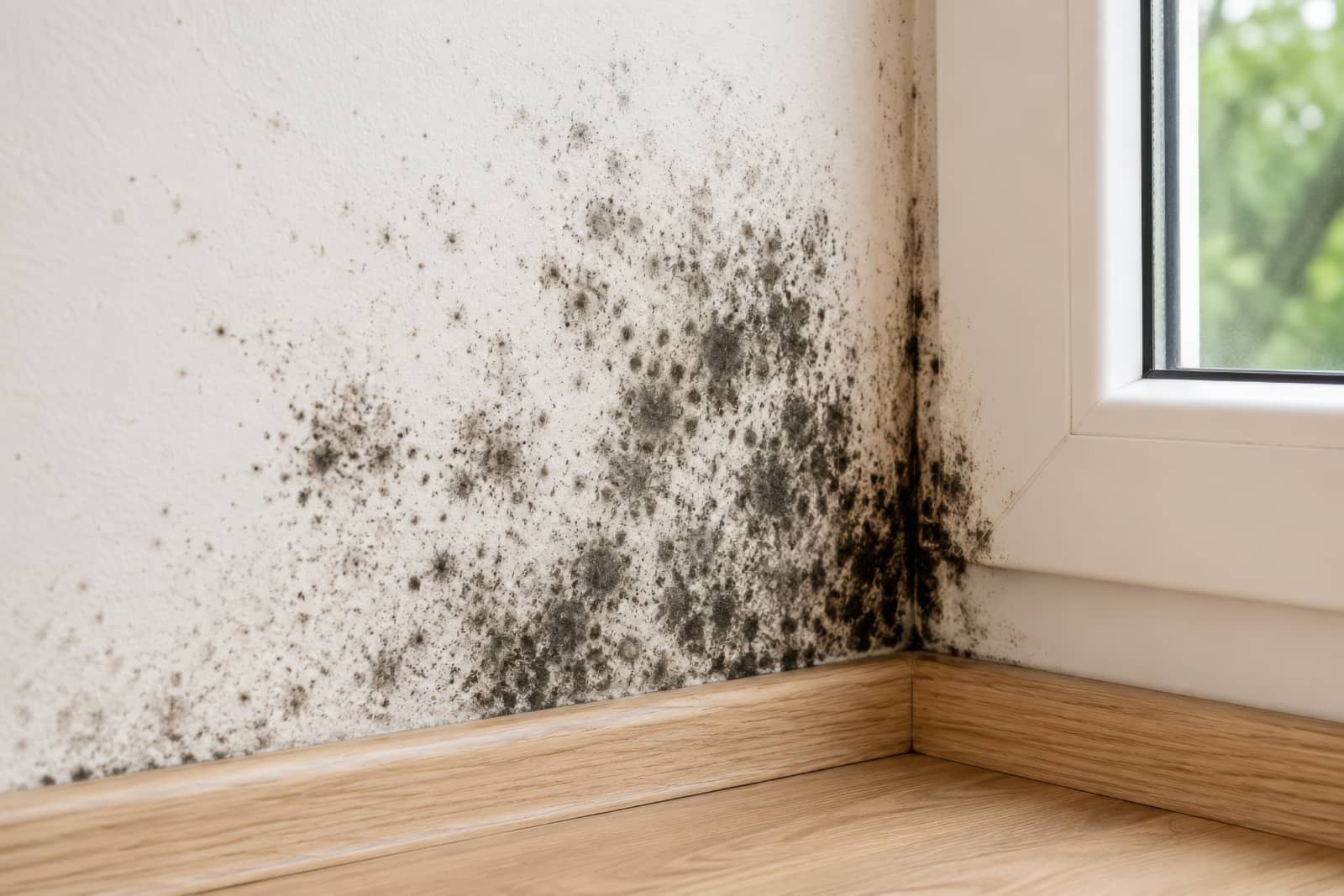
Visible mold growth is an unmistakable warning sign that your home needs remediation, especially when it appears on walls, ceilings, baseboards, or around windows.
However, the problem is often larger than the surface patch you can see. You need to inspect nearby cavities, since mold can spread behind drywall, under flooring, and inside insulation.
- Check closets and corners
- Inspect under sinks
- Look behind furniture
- Examine attic spaces
- Review HVAC registers
If you spot fuzzy, slimy, or speckled growth, don’t disturb it. You could release spores into your air and make conditions worse for everyone in the home.
A qualified remediation team can confirm the extent, isolate affected areas, and remove contaminated materials safely so you can restore a healthier living space.
Water Stains and Discoloration
Water stains and discoloration often point to an ongoing moisture problem that mold can use to grow, even when you don’t see active colonies yet.
You should treat yellow, brown, or rust-colored marks on ceilings, walls, or around windows as warning signs, not cosmetic flaws. These stains often indicate water has penetrated materials and left behind residue, weakening surfaces and creating conditions mold can exploit.
Look for bubbling paint, soft drywall, or darkened trim near the stain, since these changes suggest material damage. If the discoloration spreads, changes shape, or appears after a leak, you may need professional assessment.
Recurring Moisture Problems
If you keep finding damp spots, you’re likely dealing with an active moisture source, such as leaky pipes, basement dampness, or roof water intrusion.
You should treat these conditions as more than cosmetic issues, because repeated wetting creates a favorable environment for mold growth.
Inspect the affected area promptly and correct the source before the problem spreads.
Leaky Pipes
When pipes leak repeatedly, they create persistent damp conditions that can support mold growth behind walls, under sinks, and inside cabinets. You should treat even small drips as warning signs, because moisture can spread into wood, drywall, and insulation before you notice visible damage.
If you’re part of a home that feels healthy, act quickly and inspect these clues:
- warped cabinet bottoms
- dark staining near plumbing joints
- peeling paint or bubbling finish
- musty odors after water use
- recurring condensation or wet spots
Shut off the affected line, dry the area, and check for hidden leaks with a flashlight.
If stains return or odors persist, you may need professional mold remediation to protect your household and restore a safer indoor environment.
Basement Dampness
Why does your basement keep feeling damp? You may be dealing with chronic humidity, poor drainage, or seepage through foundation walls and slabs.
When moisture lingers, you create ideal conditions for mold growth, especially if you notice musty odors, peeling paint, efflorescence, or warped materials.
Check for cool, clammy surfaces, rust on metal, and stains that return after drying. You should also watch for worsening indoor air quality upstairs, since basement moisture can spread spores and odors through your home’s air system.
If dehumidifiers can’t keep levels stable, you likely need a professional inspection. Acting early helps you protect your home, your health, and your peace of mind, and it connects you with others who value a dry, safe living space.
Roof Water Intrusion
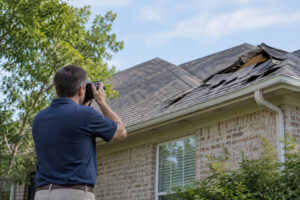
Roof leaks and ice dams can let moisture enter slowly, so you may only notice repeated stains on ceilings, peeling paint near exterior walls, or damp insulation after each storm. You should treat these patterns as a warning that your roof assembly may be feeding mold growth.
- Inspect attic framing for discoloration or fungal spotting.
- Check insulation for clumping, compression, or a wet feel.
- Look for bubbling drywall or soft plaster below the roofline.
- Watch for musty odors after rain or snowmelt.
- Verify flashing, shingles, and gutters for failures.
When water intrusion keeps returning, drying the surface isn’t enough. You need to find the source, limit spread, and protect your household’s shared airspace.
If you notice worsening odors or symptoms, contact a qualified remediation professional promptly.
How Mold Affects Indoor Air Quality
Mold can reduce indoor air quality by releasing microscopic spores and microbial byproducts that circulate through your home’s HVAC system and living spaces. You may notice the air feels stale, dusty, or consistently damp, even after cleaning.
As colonies grow behind walls, under flooring, or in insulation, they keep shedding particles into shared spaces, and your system can spread them room to room. This creates a persistent indoor environment that signals hidden moisture problems and possible contamination.
If you belong to a home that needs remediation, you’ll often see the air quality worsen near affected areas first. Pay attention to recurring musty odors, condensation, and stains, because they often indicate that mold is still active and affecting your home’s airflow and ventilation balance.
Health Symptoms Linked to Mold
If you’re exposed to mold indoors, you may notice allergy-like reactions such as sneezing, watery eyes, or nasal congestion.
You can also develop breathing difficulties, including cough, wheezing, or shortness of breath, especially if symptoms worsen at home.
These signs don’t confirm mold as the cause, but they do warrant caution and further inspection.
Allergy-Like Reactions
When mold is present indoors, you may notice allergy-like reactions such as sneezing, coughing, watery eyes, nasal congestion, or throat irritation, especially if these symptoms worsen when you’re at home and improve when you leave.
These signs often point to damp areas that support microbial growth, and you shouldn’t dismiss them as routine seasonal allergies. Pay attention to patterns:
- Symptoms start in one room
- Reactions recur after cleaning
- Moisture lingers on surfaces
- Odors feel stronger near walls
- Guests report similar irritation
If several of these occur together, your home may need a closer inspection.
You belong in a healthier indoor environment, and acting early can help you protect it. Reduce exposure, document what you notice, and arrange a professional evaluation if symptoms persist.
Breathing Difficulties
Breathing that feels tight, shallow, or unusually labored can be another sign your home needs mold remediation. When mold releases spores and fragments into indoor air, you may notice chest tightness, wheezing, coughing, or shortness of breath, especially in damp rooms or after HVAC cycles.
These symptoms can worsen if you already have asthma, allergies, or other respiratory sensitivities. Pay attention if you breathe easier away from home and symptoms return indoors. That pattern suggests an environmental trigger, not just a passing illness.
Don’t ignore persistent difficulty breathing, because it can signal a serious air quality problem that affects your household’s comfort and health. If you notice musty odors, visible growth, or repeated moisture, treat the space as part of your home community and act promptly.
Where Mold Hides After Leaks
After a leak, mold often hides in places you can’t see, including behind drywall, under flooring, inside insulation, and around baseboards. You may feel confident, but hidden moisture can keep colonies active long after surfaces look dry.
- Behind wall cavities
- Under carpets and pad
- Inside attic insulation
- Around window frames
- Beneath sink cabinets
Check these areas for discoloration, warping, and soft materials. If you notice damp spots or a persistent musty odor, treat the space as suspect.
Mold thrives where water lingers, so even a small leak can affect nearby materials. In homes like yours, shared attention to these hidden zones helps protect indoor comfort and supports timely cleanup before damage spreads further.
When to Call for Mold Remediation
Call a mold remediation professional as soon as you notice persistent musty odors, visible growth, recurring moisture, or staining that keeps returning after cleaning.
You should also act quickly if indoor air feels heavier, members of your household develop unexplained irritation, or condensation keeps forming on walls, windows, or ductwork.
These signs suggest active moisture intrusion and possible hidden contamination behind finishes, in insulation, or under flooring.
Don’t wait for the problem to spread through your living spaces. A qualified specialist can inspect, test when needed, contain affected areas, and remove growth safely.
Frequently Asked Questions
How Long Can Mold Grow Before It Becomes Dangerous?
Mold can become dangerous within 24 to 48 hours if moisture persists, especially in your home’s hidden spaces. You’ll protect your household best by acting quickly, since growth and spores escalate fast.
Can Mold Return After Professional Cleanup?
Yes, it can—if hidden moisture remains. You’ll need to inspect leaks, humidity, and damaged materials closely, because even professional cleanup won’t stop regrowth unless you control the source and verify drying.
Does Every Mold Smell Mean Hidden Growth?
No, not every mold smell means hidden growth. You can smell damp materials, bacteria, or HVAC issues too. Still, if odors persist, you should inspect moisture sources and consider professional testing promptly.
Will Fixing Leaks Stop Mold Permanently?
Fixing leaks helps, but it won’t always stop mold permanently. You’ve got to dry materials, remove contaminated growth, and correct hidden moisture. Otherwise, dampness returns, and mold can quietly reclaim your home.
Should I Test for Mold Before Remediation?
Yes, you should test for mold before remediation if you need to confirm species, spread, or hidden moisture. You’ll get clearer scope, and you can better protect your home, family, and peace of mind.
Recap
If you’ve noticed musty odors, stains, or recurring dampness, you shouldn’t ignore them. Mold can begin growing within 24 to 48 hours after a leak, so even a small water issue can become a bigger problem fast. You need to act quickly to protect your home and indoor air quality. If you’re unsure, get a professional inspection. Early mold remediation can limit damage, reduce health risks, and help you restore a safer environment.