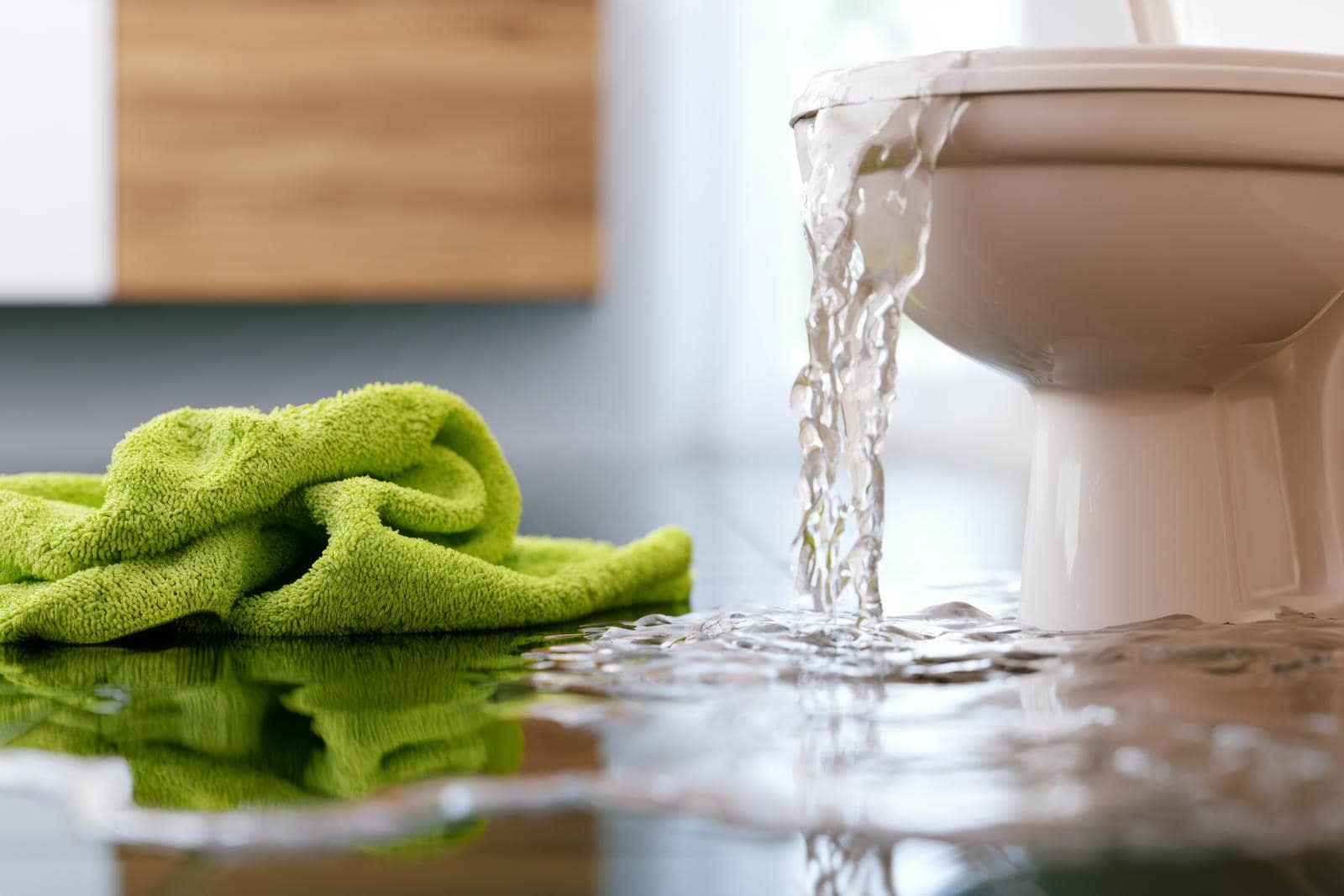
Before you touch anything, you need to treat the backup as a contamination event, not just a mess. You’ll shut off the source, document the damage, and put on protective gear before entering the area. Then you can isolate affected materials, remove standing sewage, and assess what can be cleaned versus what must go. The next steps determine whether you’ve contained the hazard or let it spread.
Key Takeaways
- Ensure the area is safe, wear protective gear, and keep children and pets away before cleanup.
- Stop the sewage source immediately by shutting off the affected fixture or main water valve.
- Remove and discard porous contaminated materials that cannot be fully sanitized.
- Clean hard surfaces with detergent, then disinfect with an EPA-registered product at the proper contact time.
- Dry the area thoroughly, control humidity, and call professionals if contamination is extensive or hidden.
Check Safety Before You Start
Before you begin, verify that the area is safe to enter and that the contamination source has been controlled. You should inspect for structural hazards, exposed wiring, and unstable surfaces before you step inside.
Put on protective equipment, including gloves, boots, eye protection, and a fitted respirator if airborne contaminants may remain. Keep children, pets, and unprotected helpers out of the zone.
Use safety precautions such as shutting off utilities when required and maintaining clear exit paths. Document visible damage so you can track conditions accurately.
If you detect strong odors, active leaks, or worsening contamination, stop and reassess. Your team’s discipline matters here; when you work methodically, you protect each other and create a safer, more organized response from the start.
Remove Sewage Water Fast
First, you need to stop the sewage water source to prevent further spread and reduce ongoing contamination.
Then you should remove all contaminated materials that can’t be safely cleaned, including porous items that retain waste.
Work methodically so you can clear the area fast and prepare it for disinfection.
Stop Water Source
If sewage water is still entering the area, shut off the source immediately to prevent further contamination and limit structural damage.
You should identify the active water sources, then isolate the affected line, valve, or fixture without delay. If you’re unsure which control stops flow, a fast plumbing inspection helps you trace the entry point and confirm you’ve closed the correct supply.
- Locate the main shutoff valve.
- Close branch valves serving the damaged zone.
- Verify that no additional flow continues.
- Document the shutdown time for your team.
Act with your crew, stay methodical, and keep communication direct. When you stop the source first, you protect everyone’s workspace and reduce the spread of contamination.
Remove Contaminated Materials
You should isolate the affected zone, then sort porous items, drywall, insulation, carpet, and textiles that can’t be sanitized.
Identify contamination sources before you touch anything, and bag debris in heavy-duty, sealed containers.
Use removal techniques that keep you protected: wear gloves, boots, eye protection, and an approved respirator.
Cut out saturated materials above the visible water line, then clean hard surfaces with detergent before disinfection.
Move waste out through a controlled path so you don’t track contaminants back into clean areas.
Work methodically with your team, maintain clear communication, and document each item removed.
This disciplined process helps your space recover safely and quickly.
Bag and Dispose of Damaged Materials
Place all contaminated or structurally damaged items into sealed, leak-resistant bags before moving them out of the recovery area. You’ll protect the team and keep your process organized when you separate waste by damage assessment and approved disposal methods.
Inspect each item for torn fibers, corrosion, or saturation.
Double-bag anything brittle, sharp, or likely to leak.
Label bags with content, date, and hazard status.
Store bags in a designated pickup zone until removal.
Use gloves and eye protection while handling each bag, and avoid overfilling so closures stay secure.
If you work methodically, you’ll fit right into a recovery crew that values control, traceability, and safe disposal from the start.
Clean and Disinfect All Surfaces
Wipe down every exposed surface with a detergent solution to lift dirt, residue, and any remaining contamination before you disinfect. You should work from the cleanest area to the dirtiest, changing cloths often so you don’t spread soil.
Rinse if the cleaner requires it, then apply an EPA-registered disinfectant at the labeled concentration and contact time. These surface sanitization techniques help you reduce microbial load on counters, walls, fixtures, and hard floors.
Use effective cleaning agents compatible with each material, and don’t mix products. Wear gloves, keep the area ventilated, and follow the manufacturer’s instructions exactly.
When you treat each surface methodically, you protect your space and help everyone in it return with confidence and ease.
Prevent Mold After a Sewage Backup
Once the surfaces are clean and disinfected, act quickly to keep moisture from becoming a mold source after a sewage backup. You’re not alone in this step; every crew member should follow the same prevention methods, so mold growth can’t gain a foothold.
Remove soaked porous materials that can’t be fully dried.
Bag debris immediately to limit contamination spread.
Inspect hidden cavities, baseboards, and subfloors for residual dampness.
Document removed items and affected areas for follow-up.
Use clean, sealed containers for salvageable items, and keep traffic through the area minimal.
Check daily for odor, staining, or softening, because these signs often precede mold growth.
When you act methodically, you protect the space and support the team’s shared recovery goal.
Control Moisture and Air Quality
After a sewage backup, you need to control humidity and ventilation immediately so contamination doesn’t spread through damp air. You should open windows, run exhaust fans, and place dehumidifiers to keep indoor relative humidity below 60 percent.
Use moisture control methods on floors, walls, and hidden cavities, because trapped water feeds bacterial growth and odor. Replace soaked filters, then run air filtration with a HEPA unit to capture fine particles and bioaerosols.
Seal off the affected room when possible so you and your household stay aligned on a clean, contained workspace. Monitor surfaces with a hygrometer and check for condensation on pipes, trim, and ductwork.
Dry materials quickly, but don’t create dust clouds. Keep airflow steady until readings stay stable and the space feels dry.
When to Call Sewage Cleanup Pros
You should call sewage cleanup pros if anyone shows health risk signs like nausea, respiratory irritation, or fever after exposure.
You also need professional service when contamination covers porous materials, multiple rooms, or HVAC pathways, because the extent of contamination can exceed safe DIY cleanup.
If you suspect hidden sewage damage behind walls, under flooring, or in insulation, a technician should inspect and remove it before mold and structural decay spread.
Health Risk Signs
When contamination from a backup affects indoor surfaces, call sewage cleanup pros immediately if anyone develops health risk signs such as nausea, vomiting, diarrhea, fever, respiratory irritation, skin rashes, or worsening asthma.
You and your household need fast symptom identification and strict health precautions to reduce exposure. Treat these signs as urgent, not routine.
- Note the first symptom and when it started.
- Move the affected person to clean air.
- Wash hands, skin, and exposed clothing.
- Contact medical care if symptoms persist or intensify.
Keep children, older adults, and anyone with asthma away from affected areas.
Don’t eat, drink, or sleep near contaminated surfaces. Your team belongs in a safe environment, and prompt response helps protect everyone.
Extent Of Contamination
The spread of sewage contamination determines whether you can handle cleanup yourself or need sewage cleanup pros. You should perform an extent assessment by mapping every wet area, then tracing contamination sources from the backup point outward.
If sewage stays on hard, nonporous surfaces and covers a small, contained zone, you may manage it with proper protection and disinfection. If it reaches multiple rooms, wicks into porous materials, or crosses from one level to another, call pros. You’re not overreacting; you’re protecting your home and everyone in it.
Professionals measure affected square footage, verify sanitation needs, and contain the spread quickly. When the contaminated area grows beyond a single, visible patch, your safest move is to join with experienced cleanup crews before you start restorative drying.
Hidden Sewage Damage
Even after visible sewage dries, hidden damage can remain inside wall cavities, subfloors, insulation, and baseboards. You need to treat these areas as active contamination sources until you verify dry, clean materials.
Look for hidden hazards that signal deeper failure:
- Soft drywall or swollen trim
- Musty odor after ventilation
- Stained framing or rusted fasteners
- Recurrent dampness near fixtures
If you find any of these, call sewage cleanup pros. They’ll open assemblies, measure moisture, and remove contaminated materials safely.
You belong in a home that’s truly sanitary, not one masking microbial growth behind finished surfaces. Quick surface cleaning won’t stop bacterial spread if wastewater entered porous layers.
Use professional remediation when damage extends beyond what you can see, so you can restore the structure methodically and protect your household.
Frequently Asked Questions
Can I Keep Food From a Kitchen Flooded by Sewage Backup?
No, you shouldn’t keep food from a sewage-flooded kitchen; you risk food safety. You must discard exposed items, then apply sanitation methods to all surfaces. You’re protecting your household and restoring a safe, trusted space.
How Do I Protect Pets During Sewage Contamination Cleanup?
Keep pets isolated in a clean room, leash them if moved, and block access to contaminated areas. You’ll protect pet safety and support contamination prevention by removing waste, disinfecting surfaces, and monitoring for symptoms.
What Should I Do With Electronics Exposed to Sewage Water?
You should unplug them, document contamination assessment, and avoid power-up attempts. If sewage reached internal components, choose professional cleaning or electronic disposal. You’re not alone—handle each device methodically, then follow local hazardous-waste guidance.
Is Sewage Backup Covered by Homeowners Insurance?
Usually not; you need a specific sewage backup endorsement. You’ll check your sewage insurance policies and coverage limits, because standard homeowners coverage often excludes backup losses, though some policies include limited protection.
How Soon Should I Replace Contaminated Drywall After Cleanup?
You should replace contaminated drywall within 24–48 hours after cleanup, like sealing a leaking ship’s hull. You’ll want prompt drywall disposal and contamination prevention because lingering moisture invites mold, odor, and structural damage.
Conclusion
By acting fast, you clear the stain of sewage before it spreads like a dark tide through your home. You protect yourself, shut down the source, and remove damaged materials with methodical care. Then you scrub, disinfect, and dry every surface until the air feels clean and still. Keep watching for hidden moisture and mold. When the damage runs deep, call pros. Your quick, precise response can restore safety and peace.