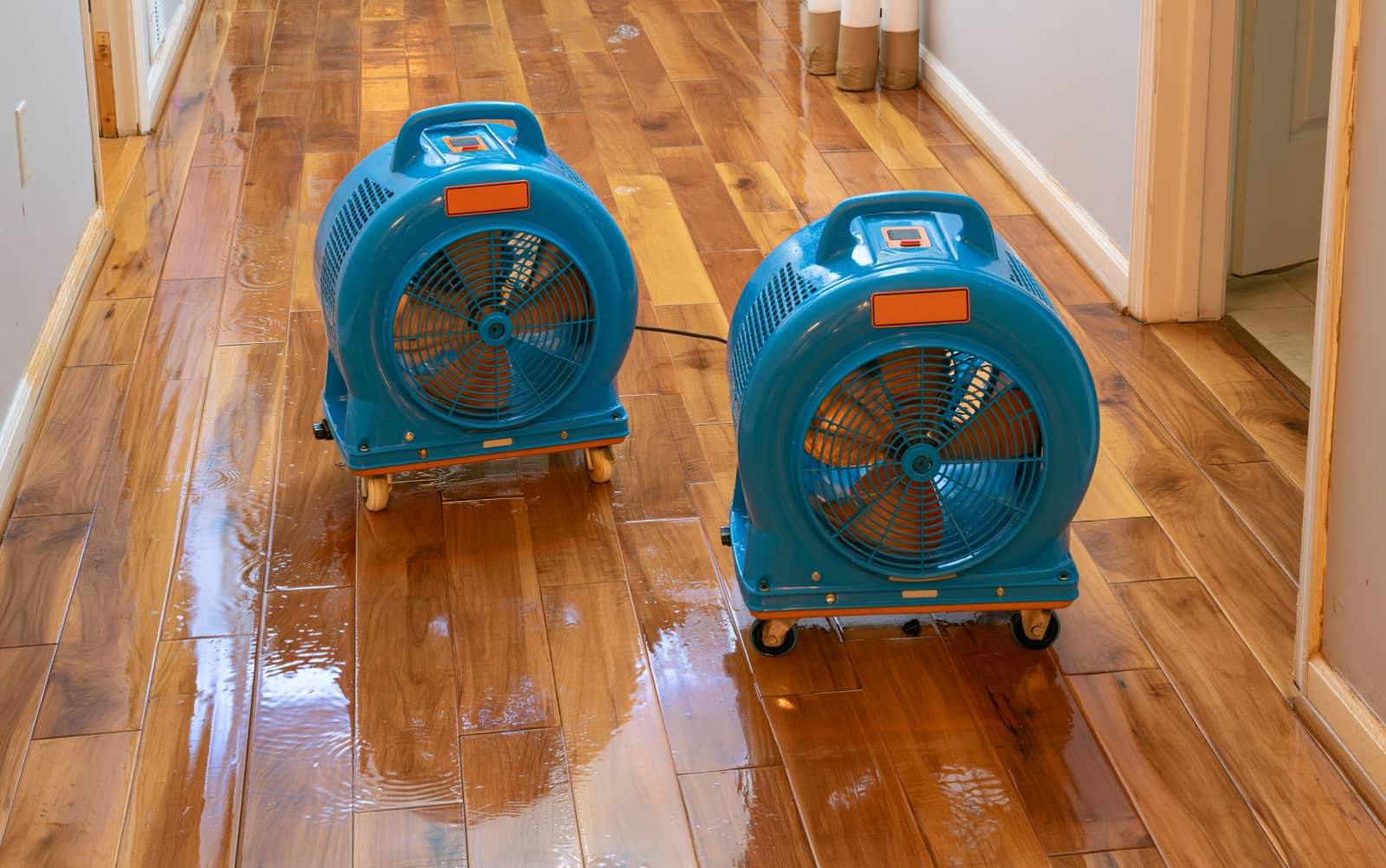
Hardwood floors can sometimes recover after water extraction, but the clock starts fast. You need to assess cupping, staining, and board movement right away, then dry the wood within 24 to 48 hours if possible. Moisture can hide below the surface, so a quick visual check isn’t enough. The real question is whether the damage stayed shallow, or whether the floor has already crossed a point you can’t reverse.
Key Takeaways
- Yes, hardwood floors can often be saved if drying starts within 24 to 48 hours after water extraction.
- Use strong airflow, dehumidification, and moisture monitoring to prevent further cupping, warping, or subfloor damage.
- Floors with minor swelling, light staining, or slight edge lift are often recoverable with targeted drying and stabilization.
- Persistent dampness, musty odors, soft boards, or severe cupping usually require professional repair or replacement.
- A qualified technician should assess board and subfloor moisture before sanding, repairing, or deciding on replacement.
Can Hardwood Floors Be Saved After Water Extraction?
Yes—hardwood floors can often be saved after water extraction if you act quickly and control the drying process. You can usually recover boards that haven’t cupped, stained, or separated from the subfloor.
With water extraction for hardwood floors, you remove standing moisture, then assess finish damage, edge lift, and any trapped water below the surface. You should inspect joints, baseboards, and adjacent rooms for hidden spread.
If the boards remain structurally sound, targeted drying and stabilization may preserve the floor’s appearance and integrity. You’re not alone in this situation; many homeowners face the same issue and keep their flooring.
A qualified technician can tell you whether cleaning, sanding, and refinishing will be enough, or whether replacement is the safer choice.
How Fast Should Hardwood Floors Dry?
Wood flooring needs to dry as quickly as possible after water extraction—ideally within 24 to 48 hours—to reduce the risk of cupping, staining, and subfloor damage.
You should start airflow, dehumidification, and moisture monitoring immediately, because every hour matters. Keep indoor conditions stable, and aim for a dry environment that helps the boards release moisture evenly.
You can use fans to move air across the floor, but don’t blast one area only; balanced circulation works better. If you’re part of a home care team or restoration crew, stay consistent and check readings often.
Fast, controlled drying gives your floor the best chance to recover without major intervention. When you act quickly and methodically, you’re protecting both the surface and the structure underneath, and you’re not handling it alone.
Common Hardwood Floor Damage After Water Extraction
Even with fast drying, hardwood can still show signs of water damage after extraction. You may notice cupping, where the board edges lift as the wood absorbs moisture unevenly.
Crowning can follow if the top surface dries faster than the underside, creating a raised center. You might also see minor gaps, finish haze, or discoloration from trapped moisture and dissolved minerals.
In some floors, the boards swell and tighten against each other, increasing stress at seams and fasteners. These changes don’t always mean failure, but they do signal that your floor has been stressed.
With prompt monitoring and controlled drying, you can limit further movement and protect the structure. You’re not dealing with this alone; these reactions are common, measurable, and often manageable.
Signs Your Hardwood Floors Are Still Salvageable
You can often save your hardwood floors if the surface shows only slight swelling, with no deep cupping, buckling, or separation at the seams.
Check the moisture level with a calibrated meter; if readings are trending down and staying close to normal, the boards may still recover.
Keep monitoring both the surface and subfloor, because steady drying is the clearest sign that replacement isn’t necessary.
Surface Swelling Signs
When surface swelling is minor and localized, your hardwood floors may still be salvageable after water extraction, especially if moisture removal begins quickly and drying stays consistent.
You should look for slight cupping, raised grain, or edge lift that stays limited to a few boards. These signs often mean the finish absorbed water, but the core hasn’t fully distorted. If the boards feel firm underfoot and the swelling doesn’t spread, your floor team can often stabilize the area.
You belong in the group that catches damage early: inspect seams, watch for soft spots, and compare affected planks with surrounding ones.
Avoid sanding too soon, because trapped distortion can worsen. With prompt drying and careful monitoring, you can often preserve both structure and appearance without full replacement.
Moisture Level Check
A moisture meter gives you the clearest read on whether hardwood floors can recover after water extraction. You’re looking for board readings that trend toward normal indoor levels, not just a dry surface.
Check several spots, especially seams, edges, and boards near the leak, because trapped moisture often hides there. If the readings drop steadily over 24 to 72 hours, your floor’s still in the salvageable zone.
- Compare suspect boards with untouched rooms.
- Confirm the subfloor isn’t holding excess water.
- Watch for shrinking gaps as drying continues.
- Recheck daily until numbers stabilize.
When you see consistent improvement, you can feel confident the floor is responding well. That’s the sign your team has a real chance to preserve it, together.
When Hardwood Floors Need Professional Drying
Even after water extraction, hardwood floors may still hold moisture beneath the surface, and that trapped water can lead to cupping, warping, or joint damage if it isn’t removed quickly.
You should call for professional drying when the spill or leak soaked through seams, reached the subfloor, or sat long enough for boards to swell. Specialists use dehumidifiers, air movers, and controlled temperature to pull moisture out evenly, which helps your floor stabilize without extra stress.
If you notice persistent dampness, a musty odor, or boards that feel soft or raised, don’t wait. Acting fast lets you stay ahead of structural issues and keeps your home’s floors in the group of recoverable materials.
Professional drying gives you the best chance to preserve the original fit, finish, and integrity.
Why Moisture Checks Prevent Hidden Damage
Moisture checks tell you whether hardwood has dried at safe levels or still has hidden water trapped below the surface. You can’t rely on the feel of the wood alone, because surface dryness often hides damp layers underneath.
By measuring moisture consistently, you protect your floor and join a group of homeowners who act early and confidently.
- Use a meter to compare affected boards with normal areas.
- Track readings until they stay stable.
- Check subfloor moisture, too.
- Confirm the room’s humidity supports drying.
These checks help you spot lingering moisture before it spreads through the system.
When you verify drying, you reduce uncertainty, avoid guesswork, and keep your floor recovery on the right path.
How to Repair Buckling, Cupping, and Stains
Once the floor is fully dry, you can assess whether buckling, cupping, or staining needs repair or replacement.
For minor buckling, gently resecure loose boards with flooring cleats after confirming the subfloor is stable. If cupping remains, keep airflow steady and allow the planks to equalize before sanding; never sand wet wood.
Light stains often respond to localized cleaning with a hardwood-safe peroxide solution, then careful buffing. Deeper discoloration may need spot refinishing to blend sheen and color.
You’ll get the best results by matching repairs to the affected area, not the whole room. Take your time, check moisture again, and work with the grain so the floor stays smooth, consistent, and part of your home’s story.
When Hardwood Floors Need Repairs vs. Replacement
You can usually repair minor surface damage when the boards stay flat and the finish is the main issue.
If you see structural board warping or persistent moisture behind the boards, replacement may be the safer option.
Careful drying and monitoring help you confirm whether the floor can stabilize or needs more extensive work.
Minor Surface Damage
Minor surface damage after water extraction often means your hardwood floors can still be repaired rather than replaced. You may notice light discoloration, small stains, or a dull finish, and these issues often respond well to targeted care.
By acting quickly, you help limit visible wear and support the floor’s long-term performance. A qualified technician can assess the finish, clean affected areas, and recommend refinishing when needed.
- Remove residue before it sets.
- Dry the surface evenly.
- Check for finish loss.
- Schedule spot repairs early.
These steps keep your flooring in the repair category and help you stay confident in your home. With the right response, you’re not facing a full replacement—you’re protecting a floor that still belongs in your space.
Structural Board Warping
When hardwood boards cup, crown, or buckle after water extraction, the key question is whether the wood has only temporarily deformed or suffered permanent structural damage.
You can often save boards that return toward flatness as moisture normalizes and fibers recover. If you see localized lifting, edge separation, or slight slope without fractured tongues, repairs may work.
You’ll likely need replacement when boards stay distorted, split, or lose fastening integrity. A pro checks deflection, gap patterns, and board stability to judge whether sanding, re-nailing, or selective board replacement will restore the floor.
Acting quickly helps you protect the surrounding field and keep the room’s look consistent. With careful assessment, you’re not facing an all-or-nothing choice; you’re choosing the safest repair path for your floor.
Moisture Behind Boards
Moisture trapped behind hardwood boards can keep a floor unstable even after the visible surface starts to dry. You need to verify subfloor and board moisture with a meter, not guess. If readings stay elevated, the boards may swell, cup, or loosen at the fasteners. You can often save the floor when drying starts quickly and the wood hasn’t delaminated.
- Remove standing water and increase airflow.
- Run dehumidifiers to lower ambient humidity.
- Check hidden spaces near walls and junctions.
- Reinspect until moisture levels match surrounding rooms.
If you still see movement, soft spots, or persistent gaps, call a flooring professional. They can tell you whether repairs will restore your floor or whether replacement will protect your home and keep your space feeling solid again.
When Replacement Makes More Sense
If the boards have cupped badly, buckled, delaminated, or stayed dimensionally unstable after thorough drying, replacement often makes more sense than repair.
You can confirm this by checking moisture content, subfloor condition, fastener hold, and finish integrity.
When planks have lost structural soundness, sanding won’t restore stability, and patching can leave uneven movement that invites gaps or squeaks.
A partial or full replacement gives you a predictable, long-term result, especially when water reached the tongue, adhesive, or underlayment.
You’re not failing the floor; you’re choosing the safest path for your space.
A qualified technician can help you match species, grade, and stain so the new boards blend in cleanly and your floor feels cohesive again.
Frequently Asked Questions
Can Rugs Trap Moisture Under Hardwood Floors?
Yes, rugs can trap moisture under hardwood floors, slowing drying and increasing warping risk. You should lift rugs promptly, improve airflow, and monitor moisture levels closely so you protect your floor and keep repairs manageable.
Does Subfloor Material Affect Drying Time?
Yes, you’ll dry faster over plywood, slower over concrete, and slowest over damp-insulating assemblies. You can monitor moisture, compare readings, and adjust airflow, dehumidification, and heat so you feel confident, supported, and in control.
Should Baseboards Be Removed During Drying?
Yes, you should remove baseboards during drying so you can expose hidden moisture, improve airflow, and protect your floors. You’ll dry faster, monitor progress better, and help your hardwood stay stable and salvageable.
Can Humidity Control Speed Hardwood Floor Recovery?
Yes—ironically, the air you usually ignore can save your floor. You’ll speed recovery with low humidity, steady airflow, and monitoring; you’re helping moisture leave the boards before warping, cupping, or replacement becomes necessary.
Are Dehumidifiers Enough After Water Extraction?
No, dehumidifiers alone usually aren’t enough after water extraction. You’ll need airflow, moisture monitoring, and sometimes professional drying to protect your hardwood floors. Acting quickly helps you reduce warping and keep your floor stable.
Wrap-Up
Yes, you can often save hardwood floors after water extraction if you act fast. You might think visible drying means the job is done, but hidden moisture can still cause cupping, buckling, or staining. Use dehumidification, airflow, and moisture checks within 24 to 48 hours. If boards haven’t warped or separated, targeted drying and repairs can restore them. When damage is severe, replacement may be the safer, longer-lasting choice.