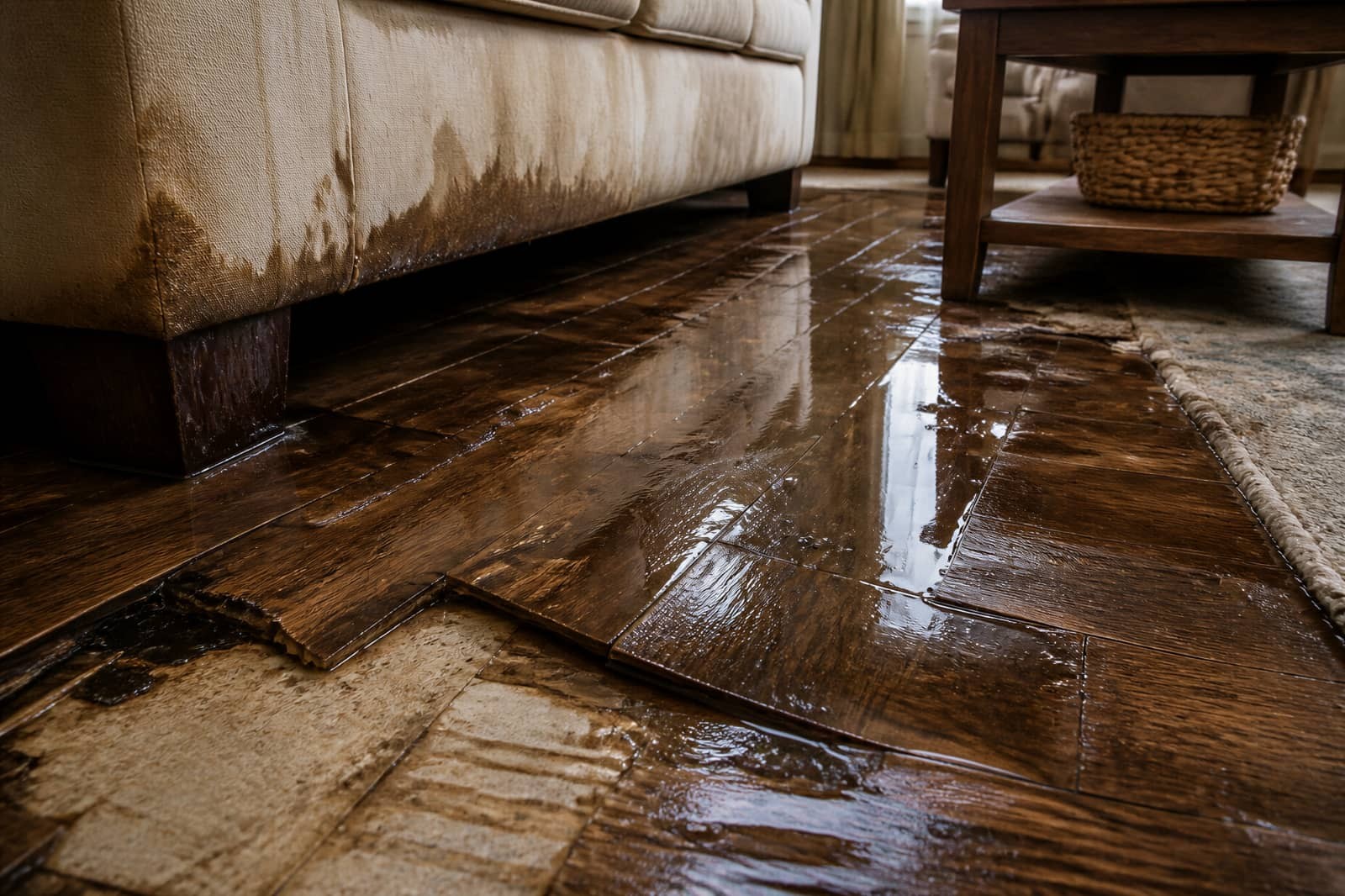
Even if the flooding looks minor, you still need to act fast because hidden moisture can spread damage. Flooded Basements require shutting off power, stopping the water source if you can, and removing standing water with a pump or wet/dry vac. Then dry the space thoroughly, check for mold, and inspect framing for damage. Knowing what to save, what to discard, and when to call a professional can change the outcome.
Key Takeaways
- Document the damage, remove wet porous items, and wear gloves and boots before cleanup.
- Shut off electricity if safe, avoid standing water, and use a flashlight instead of candles.
- Remove standing water with a pump or wet/dry vacuum, then use fans and dehumidifiers to dry the basement.
- Inspect for structural damage, mold, sewage, and hidden moisture, and call a professional when needed.
- Prevent future flooding by sealing cracks, extending downspouts, clearing gutters, and maintaining sump pumps.
What to Do After Basement Flooding?
After a basement floods, act fast to limit damage and reduce health risks. First, document the area with photos, then remove wet rugs, cardboard, and other porous items that trap moisture.
Open windows if weather allows, and set fans and a dehumidifier to start drying surfaces. During water damage restoration for flooded basements, you’ll want to check walls, floors, and stored items for hidden dampness, because trapped water can lead to mold.
Clean hard surfaces with a disinfectant, and wear gloves and boots for protection. If the water reached insulation or drywall, plan for prompt removal and replacement.
Stay organized, label salvageable items, and work room by room. You’re not handling this alone; a clear, steady response helps your home recover faster and safer.
Shut Off Power and Stop the Water
Before you enter the flooded basement, shut off electricity at the main breaker if you can reach it safely from a dry area.
Next, stop the water at the source by closing the main supply valve or isolating the affected line.
Taking these steps quickly reduces electrocution risk and limits further damage while you begin restoration.
Shut Off Electricity
First, shut off power to the basement at the main breaker if it’s safe to reach, and call the utility company or a licensed electrician if water is near the panel or outlets. You’re protecting yourself and your home from shock and fire hazards.
Stay out of standing water around cords, appliances, and extension strips.
- Verify the main breaker is off before entering the space.
- Use a flashlight, not candles, to inspect the area.
- Keep family members away until an electrician confirms the system is safe.
If you smell burning, hear buzzing, or see sparking, back out immediately and get help. Acting fast keeps your restoration team on solid ground and helps everyone in your home move forward safely together.
Stop The Water Source
Once the electrical hazard is under control, stop the incoming water as quickly as you can by shutting off the main water supply, closing nearby fixture valves, or isolating the source if it’s a burst pipe, leaking appliance, or failed sump system.
If you can’t find the shutoff, call your utility or a plumber right away. For a sump failure, unplug the pump only after power is off, then check the discharge line for blockages or a tripped breaker.
Keep family members away from standing water until the source is contained.
Then document the cause with photos; you’ll need them for repairs and insurance.
When you act fast and work methodically, you protect your basement, reduce cleanup time, and join the many homeowners who recover with confidence.
Remove Standing Water Fast
You should pump out standing water as quickly as possible to limit how far it spreads and soaks into materials.
Use a submersible pump or wet/dry vacuum for the water level, then switch to smaller extraction tools as the basement clears.
Fast removal helps prevent further structural damage, reduces moisture buildup, and lowers the risk of mold growth.
Pump Out Water Quickly
Pump out standing water as quickly as possible to limit further damage and reduce the chance of mold growth. Use a submersible pump or wet vacuum rated for the water depth, and keep discharge lines pointed away from your foundation.
If you’re part of a community recovering from a flood, you’re not alone—move step by step and stay methodical.
- Shut off power to the basement before you enter.
- Start in the deepest area and work outward.
- Monitor the pump so it doesn’t run dry.
Remove water in stages if the level is high, which helps equipment work efficiently. Wear waterproof boots and gloves, and watch for hidden hazards in murky water.
Fast extraction gives you a cleaner starting point for drying, inspection, and the next phase of restoration.
Prevent Further Basement Damage
After the bulk water’s out, keep acting fast to stop more damage from spreading through the basement. You should remove every puddle, drain low spots, and mop seams where moisture hides.
Use wet vacs, squeegees, and pumps with hose lines that discharge outdoors, away from the foundation. Open floor drains if they’re safe and clear, and check behind appliances, under shelving, and along wall edges.
Shut off power to wet outlets before you work. Move stored items onto dry surfaces or into another room so they don’t wick water back into the slab.
The faster you clear standing water, the less time mold, swelling, and corrosion have to take hold. You’re not alone here; quick, steady action protects your space and helps your basement recover.
Dry the Basement Completely
Dry the basement completely to stop hidden moisture from fueling mold, odors, and further structural damage. You’ll need steady airflow, dehumidification, and surface drying to bring materials back to safe levels.
Place fans to move air across walls, floors, and framing, and run a dehumidifier continuously until readings stabilize. Check moisture with a meter so you’re not guessing.
- Open access points to improve circulation.
- Remove standing water and damp debris.
- Dry drywall, concrete, and wood until measurements normalize.
If you’re part of a neighborhood facing the same flood risks, you know speed matters. Stay patient, keep equipment running, and verify dry conditions in hidden areas like corners and behind stored items.
Prevent Mold in Wet Basement Areas
Once the bulk water is out, you need to stop mold before it starts by keeping the basement as dry, clean, and well-ventilated as possible.
Run dehumidifiers continuously and keep indoor humidity below 60 percent. Open vents or windows only when outdoor air is drier than basement air.
Remove wet cardboard, fabrics, and paper fast, since they feed spores. Wipe hard surfaces with detergent and clean water, then dry them thoroughly.
Use fans to move air across floors and corners, but don’t aim them at visible mold, which can spread particles. Bag damp debris, seal it, and take it out promptly.
Check hidden spots around drains and storage bins daily. You’re protecting your space and keeping it safe for everyone who calls it home.
Inspect Foundation and Framing
With the basement stabilized, you should inspect the foundation and framing for signs of damage. Look for cracks wider than hairline, bowing walls, shifted blocks, and moisture stains along the sill plate or joists. A level, flashlight, and camera help you document what you see and track changes.
- Check foundation walls for new gaps, spalling, or fresh efflorescence.
- Tap wood framing with a screwdriver handle; soft spots can signal rot.
- Measure diagonals and plumb lines to catch movement early.
If anything looks out of alignment, contact a structural professional before you rebuild. You’re not overreacting by being thorough; you’re protecting the home your family relies on.
Careful inspection now keeps your recovery on solid ground and helps your repair team plan the next steps safely.
Salvage Wet Belongings and Contents
Before you toss anything, sort wet contents by material and salvage value, because quick decisions can save sentimental and functional items. Move paper, textiles, wood, plastics, and electronics into separate piles, then lift each item onto clean, dry surfaces.
Rinse mud from hard, nonporous belongings with cool water, blot fabric instead of rubbing, and air-dry items with space between them. Remove drawers, open books, and stand photos upright so moisture escapes faster.
Keep family keepsakes, tools, and supplies you still trust, and set aside anything warped, stained, or odors won’t leave. Wear gloves, label what you save, and track items by room so you can rebuild with confidence.
The goal isn’t perfection; it’s preserving what still supports your home and your sense of belonging.
When to Call a Water Damage Pro
When does a basement flood cross the line from DIY cleanup to professional restoration? You should call a water damage pro when standing water remains, the water smells foul, or the leak touched electrical systems.
Pros bring extraction pumps, moisture meters, and drying equipment that help protect your home and your peace of mind. Call sooner if you see warped materials, soaked insulation, or discoloration on walls.
- The water covered a large area.
- You can’t dry surfaces within 24–48 hours.
- You notice mold, sewage, or structural movement.
A qualified team can assess hidden moisture, remove damaged materials, and document the loss clearly.
If you’re unsure, trust the experts in your corner; quick action reduces risk and helps you get back to normal.
Prevent Future Basement Flooding
To reduce the chance of another basement flood, you’ll want to tackle both water entry points and drainage problems at the same time.
Seal wall cracks, service sump pumps, and extend downspouts at least 6 feet from the foundation. Regrade soil so it slopes away from your home, and keep gutters clear so water doesn’t overflow beside the walls.
Check window wells, floor drains, and pipe penetrations for leaks, then caulk or repair them promptly.
If you live in a flood-prone area, consider a backwater valve and a battery backup for your sump pump.
You’re not alone in this work; many homeowners build a stronger basement one fix at a time.
With regular inspections, you can protect your space and stay ready.
Frequently Asked Questions
How Much Does Basement Water Damage Restoration Usually Cost?
You’ll usually pay $1,500–$10,000, depending on water depth, damage extent, and mold risk. You can lower costs by acting fast, removing water promptly, and hiring licensed pros who document moisture and structural recovery.
Does Homeowners Insurance Cover Flooded Basement Cleanup?
Usually, you’re covered if a sudden pipe burst or appliance leak caused it, but you’re often not if floodwater or seepage did. You should review your policy, document damage, and call your insurer quickly.
How Long Does Basement Water Damage Restoration Take?
Usually, you’ll need one to seven days, depending on water depth, drying, mold checks, and repairs. You can speed things up by pumping quickly, running dehumidifiers, and calling certified restoration pros.
Can I Stay in My Home During Basement Restoration?
Yes, you can often stay home, but your basement may act like a storm shelter. You’ll need safe access, drying equipment, and good ventilation; if mold, sewage, or structural damage exists, you should leave temporarily.
What Equipment Is Best for Monitoring Basement Moisture?
You’ll get the best results with a digital hygrometer, moisture meter, and infrared thermometer. They’ll show humidity, hidden dampness, and temperature differences, so you can track drying accurately and protect your basement together.
Final Thoughts
You’ve seen how fast basement flooding can escalate, so act quickly and methodically. Shut off power, remove standing water, and dry every surface to limit structural damage and mold growth. Why risk a bigger repair bill by waiting? Inspect framing, save what you can, and call a pro if water keeps returning or mold appears. Finally, seal cracks, maintain gutters, and improve drainage so you’re better prepared for the next storm.