
When a hurricane causes flooding in your basement, it’s essential to approach the cleanup with a clear plan. You’ll need to prioritize safety and assess the basement flood situation before diving in. Each step, from removing standing water to addressing potential mold growth, plays an important role in restoring your space. Understanding the significance of these actions can make all the difference in how effectively you handle the aftermath of a flood. What comes next is critical for long-term prevention.
Key Takeaways
- Prioritize safety by wearing protective gear and assessing structural damage before entering the flooded basement.
- Use a sump pump for efficient water removal and monitor water levels continuously.
- Clean and disinfect submerged areas thoroughly, focusing on walls, floors, and furniture to prevent mold growth.
- Inspect the foundation for cracks and signs of water damage, sealing any identified issues.
- Engage with neighbors to share flood preparedness strategies and strengthen community resilience.
Assess the Situation Safely
When evaluating the situation after a hurricane-induced basement flood, it’s essential to prioritize safety before diving into the cleanup process.
Start by making sure you’re equipped with proper safety equipment, like gloves, boots, and masks, to protect yourself from contaminants. Review your surroundings carefully; structural damage or electrical hazards can pose serious risks.
Next, check in with your emergency contacts. It’s wise to have a list ready, including local authorities or repair services, in case you need assistance.
If the flooding is severe, consider reaching out to professionals who specialize in flood recovery.
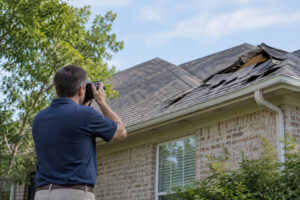
Documenting the damage with photos can also be useful for insurance purposes, so keep your phone handy.
Remove Standing Water
Once you’ve assessed the situation, your next priority is to remove standing water from your basement.
Using a sump pump is typically the most efficient method, but if the water level is low, you might need to manually remove it with buckets.
Regardless of the method, act quickly to prevent further damage and mold growth.
Use a Sump Pump
A sump pump is an essential tool for effectively removing standing water from your basement after a hurricane. You’ll find various sump pump types, including submersible and pedestal models, each suited for different situations.
When selecting a pump, consider your basement’s size and the volume of water. Regular sump pump maintenance is vital; check the pump’s operation, clean the inlet screen, and inspect the discharge pipe to prevent clogs.
After a hurricane, immediately connect your sump pump, ensuring all connections are secure. As you work, monitor the water level continuously, adjusting the pump’s settings as needed.
Manually Remove Water
Start by evaluating the extent of standing water in your basement, as this will guide your approach to manual removal.
If the water is shallow, you can use buckets or wet/dry vacuums, employing effective water removal techniques. For deeper water, consider manual pumping methods with a submersible pump.
Ascertain you have a clear plan for disposing of the water safely, directing it away from your home’s foundation. Remember to wear appropriate protective gear to avoid contamination.
After removing the bulk of the water, focus on drying out the area with fans or dehumidifiers to prevent mold growth.
Regularly check for signs of moisture to maintain a safe environment in your basement.
Dry Out the Basement
Immediately after a hurricane, drying out your basement is essential to prevent further damage and mold growth.
Start by evaluating your dehumidifier options. A powerful dehumidifier can greatly reduce humidity levels, helping you remove moisture effectively. Look for models with high capacity and adjustable settings to suit your basement size.
Next, implement ventilation techniques to enhance air circulation. Open windows and doors when the weather permits, and use fans to promote airflow. Position fans strategically to help evaporate moisture in hard-to-reach areas.
Consider using exhaust fans if available, directing humid air outside. For sustained results, keep the dehumidifier running continuously until the basement feels dry.
Monitor humidity levels regularly, aiming for a relative humidity of 30-60%.
Clean and Disinfect Affected Areas
Once you’ve dried out your basement, the next essential step is to clean and disinfect affected areas to eliminate contaminants and prevent mold growth.
Start by gathering your cleaning supplies: a mixture of water and a suitable disinfectant will do wonders for disinfecting surfaces. Pay special attention to areas that were submerged, like walls, floors, and any furniture.
Next, don’t forget about sanitizing equipment used during the cleanup, such as mops and buckets. After cleaning, apply the disinfectant according to the manufacturer’s instructions to ensure effectiveness.
Let surfaces air dry to enhance the disinfectant’s potency. If you encounter any stubborn stains or odors, repeat the cleaning process.
Finally, consider using a dehumidifier to maintain low moisture levels, further preventing mold growth. This thorough approach restores your space and fosters a sense of community as you share your experiences and tips with others facing similar challenges.
Inspect for Structural Damage
After cleaning and disinfecting your basement, it’s essential to inspect for structural damage.
Start by checking for cracks in the walls and floors, as these can indicate underlying issues.
Next, assess the stability of the foundation and inspect support beams to ensure the flooding hasn’t compromised them.
Check for Cracks
As you begin the cleanup process, it’s essential to check for cracks in your basement walls and foundation, since these can indicate structural damage.
Start with a thorough crack inspection, looking for any visible signs such as hairline fractures or wider gaps. Pay attention to the size and location of the cracks; horizontal cracks can be particularly concerning.
Document your findings, as this information is critical for any needed foundation repair. If you notice significant damage, it’s wise to consult a professional who can assess the situation more accurately.
Assess Foundation Stability
While inspecting your basement, it’s important to assess the overall stability of the foundation to identify any structural damage.
Begin your foundation inspection by looking for signs of shifting, such as uneven floors or misaligned windows. Check for cracks in the walls or floor, paying attention to their size and direction.
A stability assessment should also include examining the exterior for any signs of erosion or settling. If you notice any significant issues, document them for further evaluation.
Remember, addressing foundation problems early can save you from more extensive repairs later. Engaging a professional for a thorough inspection may be beneficial, especially if you’re uncertain about the severity of the damage.
Your home’s stability is vital to your safety and comfort.
Inspect Support Beams
Following your assessment of the foundation, turn your attention to the support beams in your basement. These beams are important for maintaining structural integrity.
Start by examining the support beam materials—whether they’re wood, steel, or concrete. Check for signs of warping, cracking, or rust, which could indicate damage.
Pay particular attention to any water stains or mold, as these can compromise strength. If you notice any abnormalities, it’s imperative to address them promptly.
Document your findings carefully; this will help you decide whether repairs are necessary or if you need professional assistance.
Address Mold Growth Promptly
Mold can begin to develop within 24 to 48 hours after a flood, so it’s crucial to address potential growth immediately.
Start by evaluating the affected areas in your basement. Remove any standing water and dry out surfaces using fans and dehumidifiers. Implement mold prevention strategies, such as maintaining low humidity levels and ensuring proper ventilation.
If you discover mold, don’t panic. Use mold remediation techniques, like scrubbing surfaces with a mixture of water and detergent.
For larger infestations, consider wearing protective gear and using specialized mold removers. It’s essential to dispose of contaminated materials, like drywall or carpeting, that can’t be salvaged.
Implement Preventive Measures for Future Storms
To effectively prepare for future storms, you need to take proactive steps that will minimize the risk of basement flooding.
Start by investing in storm-proof landscaping. This includes grading your yard to direct water away from your home and employing native plants that can absorb excess rainfall.
Next, assess and upgrade your drainage systems. Confirm gutters are clean and downspouts extend at least five feet from the foundation.
Consider installing a sump pump with a backup power source to handle unexpected downpours. Additionally, check for cracks in your foundation and seal them to prevent water ingress.
By implementing these measures, you protect your basement and contribute to a more resilient community.
Sharing these strategies with neighbors fosters a sense of belonging and collective responsibility. Together, you can create a safer environment, confirming everyone is better prepared for future storms.
Summary
In the wake of a hurricane’s wrath, tackling basement flood cleanup might feel like climbing Mount Everest. However, by following these strategic steps, you can restore your space and fortify it against future storms. Remember, prevention is key—just as a wise captain charts a course before setting sail, you too can implement measures that safeguard your home. With diligence and community support, you’ll recover and build resilience for the storms ahead.