Like smoke after a fire, mold often appears where water has settled and time has gone unchecked. You’ll need to isolate the area, control moisture, remove damaged materials, and treat affected surfaces before spores spread further. In many cases, cleanup also means finding the leak, drying the structure, and verifying safe humidity levels. The real challenge is knowing when simple cleaning isn’t enough—and that’s where the process gets more involved.
Key Takeaways
- Mold cleanup after water damage means quickly drying the area and removing moisture sources to stop mold growth.
- Contain the affected space by closing doors, turning off HVAC, and using protective gear during cleanup.
- Remove porous materials that cannot be cleaned, such as soaked drywall, insulation, or carpet padding.
- Clean and disinfect salvageable surfaces with antimicrobial products while checking for hidden mold.
- Use dehumidifiers, fans, and ventilation to keep humidity low and prevent mold from returning.
How to Handle Mold After Water Damage
If you spot mold after water damage, act quickly to stop it from spreading. You should isolate the affected area, close doors, and turn off HVAC fans that can move mold spores through your home.
Wear gloves, eye protection, and an N95 respirator before you touch damp materials. Remove porous items that can’t be cleaned, and bag them before disposal.
Clean hard surfaces with detergent and water, then dry them completely. Use dehumidifiers and fans to lower moisture and improve air quality.
If the area is larger than you can safely manage, call a licensed remediation team. You’re not dealing with this alone; a careful, methodical response helps protect your space, your health, and the people who share it.
Why Mold Grows After Water Damage
Mold grows after water damage because excess moisture and high humidity create the conditions it needs to spread quickly.
When you leave wet materials in place, mold can feed on organic sources like drywall, wood, paper, and dust.
You need to dry the area fast and remove contaminated materials to stop growth.
Moisture And Humidity
When water damage leaves materials damp, moisture lingers in porous surfaces, wall cavities, and hidden gaps, creating ideal conditions for mold to take hold.
You need fast moisture control because even small wet zones can keep growth active. Warm air holds more water vapor, so elevated humidity levels slow drying and raise the risk of hidden colonization.
Use dehumidifiers, ventilation, and targeted air movement to pull moisture out of rooms and building assemblies. Check readings in the air and in materials, not just what you can see.
If humidity stays high, mold can spread before surfaces look dry. You’ll protect your space faster when you monitor conditions closely and keep indoor moisture below the level mold needs to thrive.
Organic Material Sources
As moisture lingers, mold also needs a food source, and many common building materials provide it after water damage. You’ll often find fungal growth on drywall paper, wood framing, carpet backing, and dust that settles on damp surfaces. These organic materials let spores colonize fast, especially when you leave them wet for more than 24 to 48 hours.
Drywall and paper facings: cellulose feeds mold quickly.
Wood and plywood: porous fibers hold water and nutrients.
Fabric, insulation, and dust: trapped debris supports spread.
You can reduce risk by removing contaminated materials, cleaning adjacent surfaces, and drying everything fully. When you act early, you protect your space and keep your household on the same side.
Signs You Need Mold Cleanup
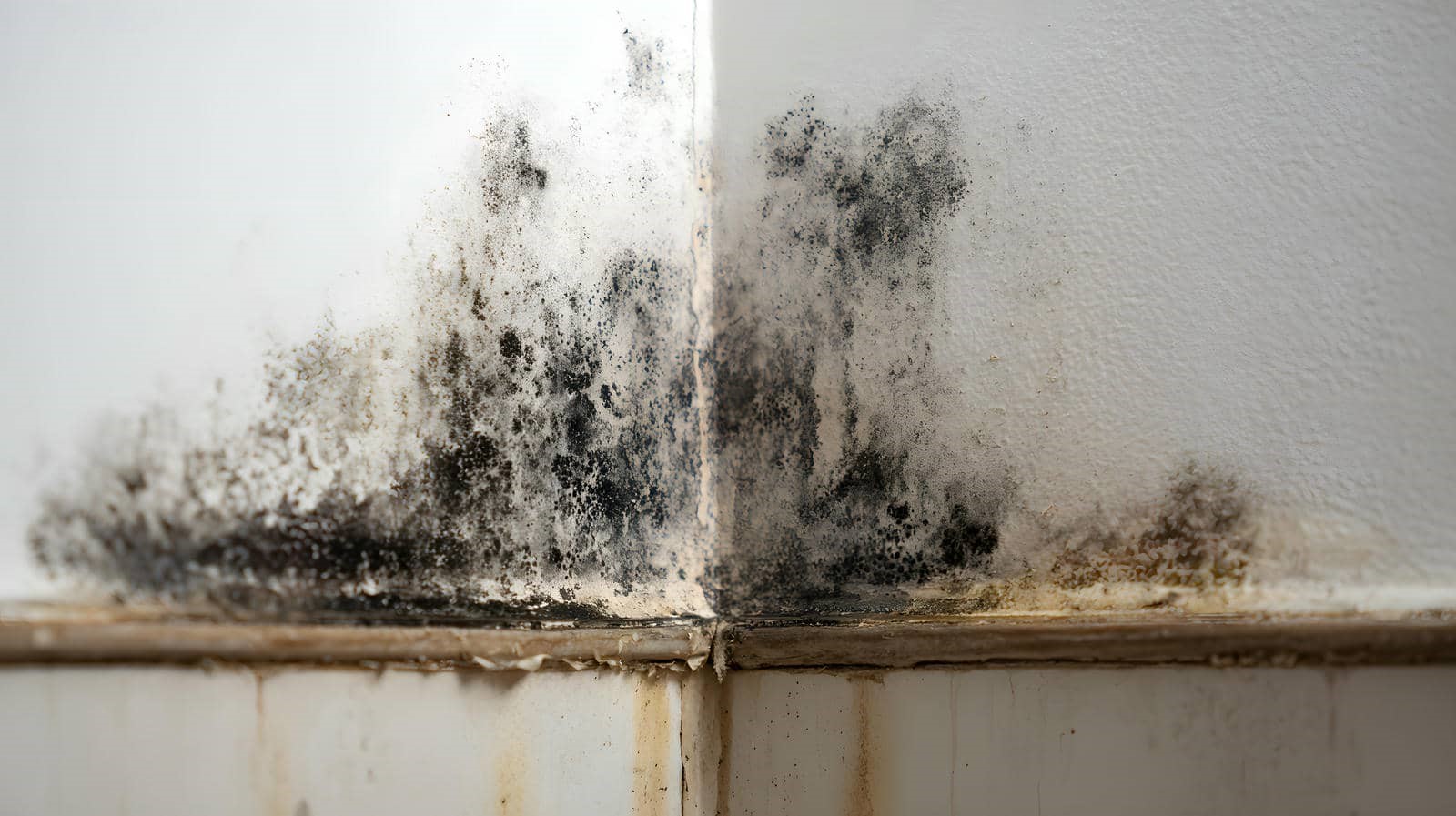
How can you tell if water damage has turned into a mold problem? You may notice a musty odor that lingers after drying, even when surfaces look clean.
Watch for visible discoloration on drywall, baseboards, ceilings, or around windows, especially if patches spread or return. You can also see warped materials, peeling paint, or dark spots near previous leaks.
If you or your household start having mold symptoms like coughing, sneezing, itchy eyes, or congestion indoors, take it seriously. These signs suggest moisture is still present and mold may be growing in hidden areas.
Acting quickly helps reduce health risks and limits further damage. When you recognize these clues, you’re not overreacting—you’re protecting your space, your comfort, and the people who live there.
Steps in Professional Mold Cleanup
Once mold signs show up after water damage, professional cleanup follows a careful process to stop spread and remove contamination safely.
You’ll usually see technicians inspect affected areas, identify mold types, and map moisture sources before work begins. Then they isolate the space with barriers and negative air pressure so spores don’t move through your home.
- Remove damaged porous materials and bag waste.
- Clean remaining surfaces with targeted cleanup techniques and antimicrobial products.
- Dry and verify moisture levels until conditions stay stable.
You stay informed through each step, and the crew documents progress so you know what was treated.
This approach helps protect your space, limit recurrence, and restore a healthier environment you can feel confident living in.
When DIY Mold Cleanup Isn’t Enough
If the mold keeps returning after you clean it, the affected area smells musty, or the growth covers more than a small spot, DIY methods usually won’t be enough. You may wipe visible patches, but hidden moisture and porous materials can keep feeding spores.
At that point, you need professional mold removal techniques that reach behind drywall, under flooring, and into HVAC paths. This matters because lingering colonies can spread fast and increase health risks, especially if you notice coughing, congestion, or irritation in your home.
You’ll also avoid wasting time on repeated surface cleaning that doesn’t solve the source. When the damage is widespread, think of calling a certified team as the practical next step for a safer, more complete result.
How to Prevent Mold After Water Damage
Preventing mold after water damage starts with acting fast: dry the area within 24 to 48 hours, remove standing water, and run dehumidifiers and fans to keep humidity low.
You can protect your home with smart preventive measures that focus on moisture control and steady air circulation.
- Use dehumidifier usage daily until surfaces and hidden cavities feel dry.
- Make ventilation improvements in bathrooms, kitchens, and attics, and keep routine inspections on a schedule.
- Choose material selection and insulation upgrades that resist dampness and dry quickly.
If you notice soft spots, odors, or staining, act right away so you stay ahead of mold.
Frequently Asked Questions
Does Homeowners Insurance Cover Mold Cleanup After Water Damage?
Usually, you’ll get mold cleanup coverage only if your policy covers the water loss and you act fast; coverage limits and policy exclusions often apply, so you should review your policy and file promptly.
How Long Does Mold Cleanup After Water Damage Usually Take?
Usually, you’ll need one to five days, but mold cleanup can take longer if mold growth is widespread. Like a storm clearing, your cleanup methods, drying, containment, and verification drive the schedule.
Can Mold Return After Professional Cleanup Is Completed?
Yes, mold can return after professional cleanup if you don’t control moisture. You should use mold prevention strategies, fix leaks fast, and schedule post cleanup inspections so you stay protected and confident in your space.
Is Mold Cleanup Safe for Children and Pets?
Yes, you can make it safe by controlling mold exposure. You’ll protect child safety and pet health when you use cleanup precautions, ventilate well, keep them away during work, and follow professional containment and drying steps.
What Should I Do With Contaminated Belongings During Cleanup?
You should bag contaminated belongings, separate salvageable items, and use approved disposal methods; some water-damaged porous items can’t be restored. You’ll protect your space, reduce spread, and move cleanup forward confidently.
Final Thoughts
You can stop mold after water damage by acting fast, staying safe, and controlling moisture. You inspect the source, contain the area, remove damaged materials, and clean affected surfaces. You dry the space, monitor humidity, and fix leaks before mold can spread again. You protect your health, protect your property, and prevent future growth by following each step with care and consistency. When you respond quickly and thoroughly, you restore a clean, stable environment.