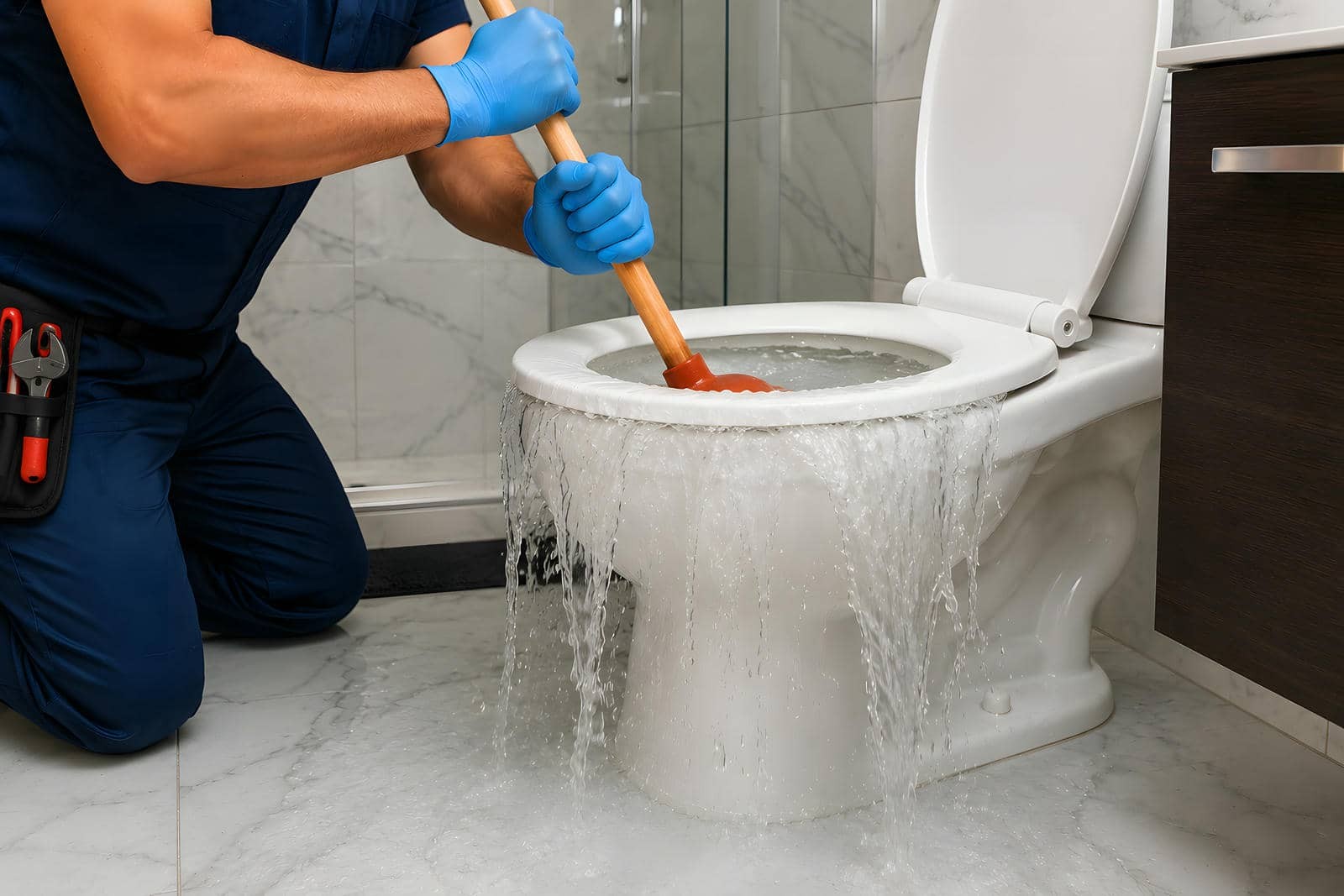
If you’ve got sewage damage, you need to act fast and stay protected. Wear gloves, goggles, and a fitted mask before you touch anything, then remove standing water and contaminated debris as soon as possible. After that, dry the area completely to limit mold growth and further damage. The right cleanup steps can reduce health risks, but there’s more you should watch for before you move on.
Key Takeaways
- Wear gloves, boots, goggles, and a respirator before entering sewage-contaminated areas.
- Shut off electricity in flooded zones if it is safe to do so.
- Remove standing sewage water and contaminated porous materials quickly in sealed bags.
- Clean hard surfaces with disposable tools, then dry the area with fans and dehumidifiers.
- Keep monitoring moisture, odors, and stains; remove any materials still wet after 48 hours.
Stay Safe After Sewage Damage
Before you enter any area affected by sewage, you need to protect yourself from exposure to bacteria, viruses, and other contaminants.
Wear personal protective gear: gloves, boots, goggles, and a fitted mask or respirator rated for the conditions. Keep your skin covered, and wash any exposed skin with soap and clean water right away.
Turn off electricity in flooded zones if you can do it safely, and stay out of standing water. Ventilate the space when possible, but don’t create splashes or aerosolize waste.
Treat all surfaces, tools, and fabrics as contaminated until they’re properly handled. If you feel unwell, leave the area and get medical advice.
Working together, you can reduce health hazards and keep your crew safer.
Remove Sewage Water and Contaminated Debris
Start by pumping out or mopping up all standing sewage water as quickly as you safely can. Then bag and remove any porous materials that soaked it up, such as carpet, padding, drywall, insulation, and damaged upholstery.
Use sealed containers or heavy-duty bags so you can move contaminated materials without spreading residue. If you have a pump, place the intake low and direct discharge to an approved drain or container.
During sewage extraction, work from the cleanest edge toward the dirtiest area to limit tracking. Keep removed items separate from salvageable contents, and label bags clearly for disposal.
Scrape up solids, sludge, and debris with disposable tools, then wipe hard surfaces with fresh towels. Stay organized, keep your team on the same page, and handle each load as if it still contains harmful waste.
Dry the Area and Prevent Mold
Once you’ve removed the sewage water and contaminated debris, dry the structure fast to limit mold growth and secondary damage.
Open windows only if outdoor air is dry, and run fans to boost air circulation across floors, walls, and hidden cavities. Use dehumidifier usage continuously in closed spaces, emptying collection tanks before they overflow.
Pull baseboards, drill small drying holes if needed, and expose trapped moisture behind drywall. Check subfloors, insulation, and framing with a moisture meter, then keep drying until readings return to safe levels.
You’ll protect your home and your crew by monitoring odor, staining, and dampness daily. If materials stay wet after 48 hours, remove them.
Stay disciplined, and you’ll reduce mold risk, restore indoor safety, and keep the space ready for rebuild.
Frequently Asked Questions
How Do I Know if Insurance Covers Sewage Cleanup?
Check your insurance policy for sewer or water backup coverage, then verify coverage limits. You’ll usually need to call your insurer and review exclusions, deductibles, and claim requirements to confirm sewage cleanup reimbursement.
Can Sewage Damage Affect My Home’s Electrical System?
Yes—sewage can damage your home’s electrical system; where water flows, trouble follows. You’ll face electrical hazards and wiring damage, so shut off power, avoid contact, and call a licensed electrician to inspect everything.
When Should I Call a Professional Sewage Remediation Company?
You should call a professional sewage remediation company immediately if contamination’s extensive, hidden, or touches electrical systems. They’ll reduce sewage health risks, verify prevention measures, and restore your space safely, so you’re not handling hazardous waste alone.
What Items Can Be Safely Salvaged After Sewage Exposure?
You can salvage sealed metal, glass, and hard plastic items if you disinfect them thoroughly; porous materials, mattresses, and paper usually aren’t safe. Prioritize your health risks, and discard anything you can’t fully sanitize.
How Long Does Sewage Odor Usually Linger After Cleanup?
Sewage odor usually fades within 24–72 hours after cleanup, though hidden contamination can extend it like a shadow. You’ll need odor removal techniques and lingering odor solutions, plus drying, sealing, and ventilation.
Review
So, if you’re wondering whether quick action really matters after sewage damage, the answer is yes. You’ll reduce health risks when you suit up with gloves, goggles, and a fitted mask, then remove standing water and bag contaminated porous materials right away. Clean hard surfaces thoroughly, dry the area fast, and keep the workspace organized. That’s how you limit mold growth, control contamination, and get the space safe for repairs.