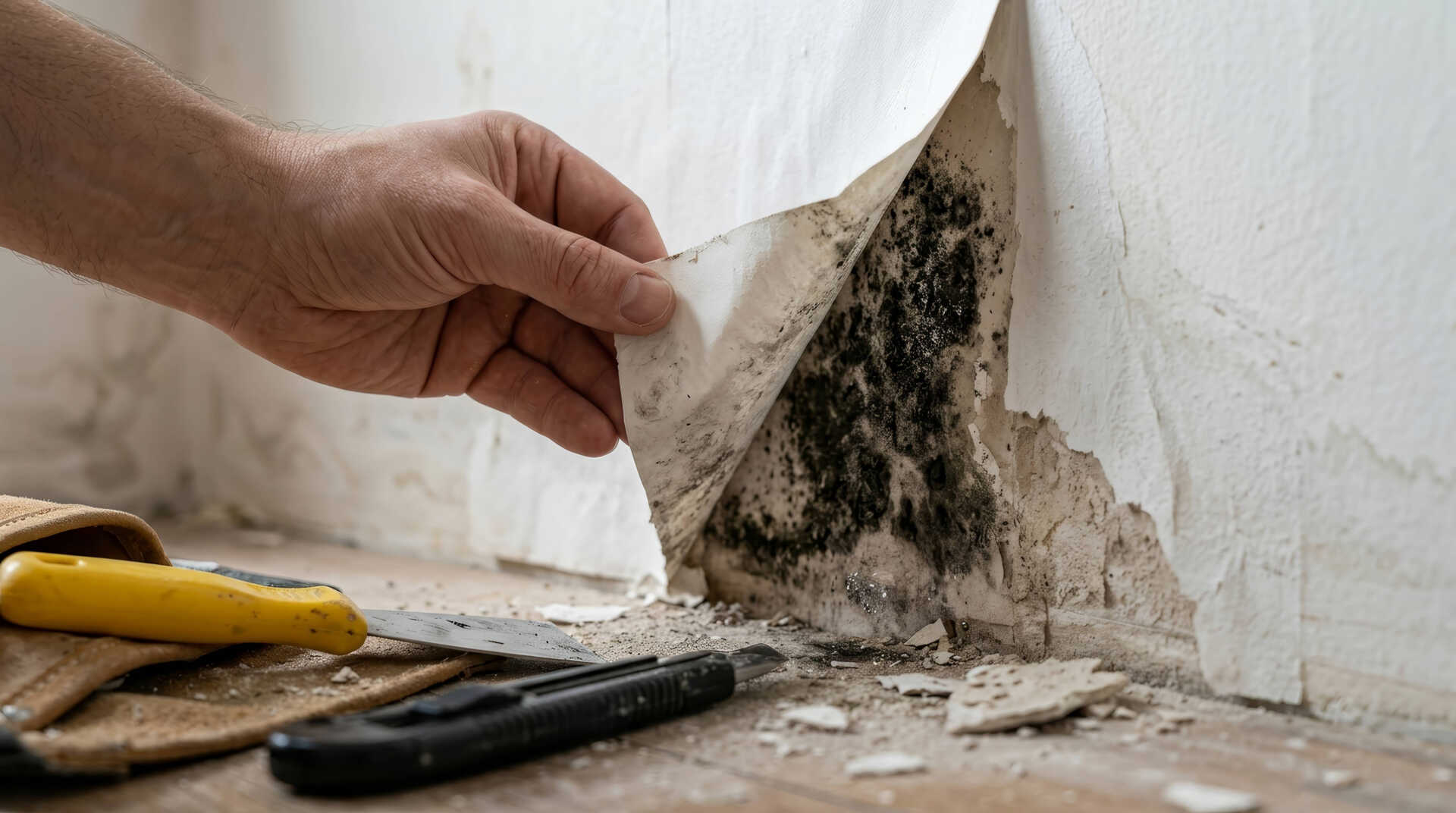
Mold remediation can feel like it stretches on forever, but how long mold remediation takes typically depends on the size and severity of the problem. You’ll see the timeline shift based on the affected area size, contamination level, material removal, drying time, and clearance testing. Small surface issues can move quickly, while hidden moisture and damaged materials can slow everything down. The real question is how much is behind the visible growth, because that can change the entire timeline.
Key Takeaways
- Mold remediation usually takes one day to several days, but larger or more damaged jobs can take much longer.
- Small, contained mold problems often take one to three days to remediate.
- The size of the affected area and how deep the contamination reaches strongly affect the timeline.
- Drying time and moisture checks can delay completion until materials reach safe moisture levels.
- Clearance testing and any needed re-cleaning can add 24–72 hours or more to the process.
How Long Does Mold Remediation Take?
How long does mold remediation take? You’ll usually see how long mold remediation takes range from a day to several days, and larger jobs can run longer.
You’ll work with a crew that isolates the area, removes contaminated materials, cleans remaining surfaces, dries the space, and verifies results.
Small, contained growth may finish quickly when access is easy and damage is limited. If mold has spread into drywall, insulation, or flooring, expect more time for demolition and replacement.
Drying can add hours or days before repairs begin. Clearance testing, when required, also extends the schedule.
You’re not alone in this process; a qualified team keeps each step controlled, documented, and focused on restoring a safe, usable space.
What Affects the Remediation Timeline?
The remediation timeline depends on the size of the affected area, how far the contamination has spread, and which materials need removal.
You’ll also see delays when hidden moisture keeps feeding growth, because your team must dry the structure before closure.
Porous materials like drywall, insulation, and carpet often need full removal, while nonporous surfaces usually need cleaning and containment.
Access matters too: tight crawlspaces, attics, and wall cavities slow setup and work.
Air filtration, containment, and demolition all add time, but they’re essential for a safe result.
After cleanup, you may need drying verification and clearance testing, which can extend the schedule by a day or more.
When you understand these factors, you can plan with confidence and stay aligned with your remediation team.
How Affected Area Size Changes the Schedule
When you’re handling a small affected area, cleanup usually stays contained and moves faster because you can limit demolition and drying to a narrow zone.
As the damaged area grows, you’ll need larger containment, more material removal, and longer drying time, which extends the schedule.
You should also expect clearance testing to take longer when contamination spreads beyond one room.
Small-Area Cleanup
For a small mold problem, cleanup usually moves faster because the crew can isolate the area, remove only limited materials, and finish drying in less time.
You’ll often see a timeline of one to three days when moisture is minor and damage stays contained. The team may inspect, clean, HEPA-vacuum, apply antimicrobial treatment, and replace a small section of drywall or insulation.
If you act quickly, you’ll reduce spread and cut labor. Drying time still matters, so dehumidifiers and airflow must reach safe moisture levels before rebuild work starts.
Clearance testing may be brief or unnecessary in very minor cases, but it’s often wise to confirm the space is clean.
When you’re dealing with a tight scope, you can expect a faster, simpler path back to normal.
Large-Area Containment
As the affected area grows, mold remediation usually takes longer because crews need more containment, more demolition, and more drying time before they can safely reopen the space.
You’ll usually see the schedule expand from a day or two for a small room to several days or weeks for larger zones, especially if mold has spread behind walls, under flooring, or into insulation.
Bigger jobs require plastic barriers, negative air machines, HEPA filtration, and staged removal, all of which add setup and inspection time.
If materials stay wet, drying can’t be rushed, and clearance testing may need repeat sampling.
You’re not alone in that delay; larger containment protects the rest of your home and helps your team finish the work safely and thoroughly.
How Contamination Level Changes Remediation Time
Contamination level often has the biggest impact on mold remediation time, because a larger or deeper spread means more containment, more material removal, and more cleaning cycles.
If you catch growth early and it stays on accessible surfaces, you can usually move through setup and cleaning faster.
When spores have spread through hidden voids, HVAC components, or multiple rooms, your team needs more inspection time, more labor, and tighter control to keep the job on track.
You’ll also spend longer verifying that each affected zone is clean enough for the next step.
That’s why prompt reporting matters: it helps you stay ahead of escalation, protect your space, and get back to normal sooner with less disruption and fewer surprises for your household or crew.
When Material Removal Takes Longer
When materials are porous, damaged, or difficult to access, removal can add significant time to mold remediation. You may need to pull out drywall, insulation, carpeting, or subflooring when contamination has penetrated beyond the surface.
Tight spaces, built-ins, and layered assemblies also slow the work because your team must isolate, cut, bag, and dispose of each piece carefully.
- Porous materials trap mold deeper
- Damaged sections can’t be cleaned reliably
- Hidden cavities take more labor
- Demolition requires containment and bagging
- Replacement planning adds coordination
You’re not dealing with extra delay alone; you’re also reducing the chance of leftover contamination. A thorough removal process helps your space return to safe use with fewer surprises later.
How Drying Extends the Timeline
You’ll need to account for drying time because remediation can’t finish until surfaces and concealed materials reach acceptable moisture levels.
Moisture checks can delay the schedule when readings stay elevated, since you may need more drying cycles before you can proceed. This step often adds days to the job, especially after heavy water intrusion or when porous materials hold moisture longer.
Drying Time Needs
Drying often adds the most time to mold remediation because crews must remove moisture from framing, drywall, subfloors, and other porous materials before rebuilding begins.
You’ll usually wait longer when the affected materials hold water deep inside their cores, not just on the surface.
- Dense materials dry slower
- Airflow speeds evaporation
- Dehumidifiers pull hidden moisture
- Cool, humid rooms extend drying
- More wet area means more time
You stay on track when your crew sets target moisture levels and keeps equipment running until readings level off.
If they rebuild too soon, trapped moisture can support new growth and delay your return to normal.
In most jobs, drying sets the pace, so your project team watches it closely and keeps you informed.
Moisture Check Delays
Moisture checks can add days to the schedule because crews must confirm that framing, drywall, subfloors, and other materials have dried to target levels before repairs start.
You’ll usually see repeated meter readings, surface inspections, and equipment adjustments until the data stays within spec. If hidden cavities, insulation, or thick assemblies still hold moisture, the team keeps dehumidifiers and air movers running, which extends your timeline.
You also may need extra wait time after demolition if trapped water resurfaces from below or behind finishes. Clear communication helps you stay aligned with the crew and avoid rushed repairs.
When you understand the drying criteria, you can plan around delays and move through remediation with your team confidently.
Why Clearance Testing Can Add Days
Even after visible mold is removed and surfaces are dried, clearance testing can add days because the area must be sampled, analyzed, and, if needed, retested before work is considered complete.
You’re waiting on lab turnaround, inspector availability, and any extra cleaning if counts stay elevated.
- Air and surface samples document safe conditions
- Labs often need 24–72 hours
- Failed results trigger another cleaning cycle
- Hidden moisture can keep readings high
- Larger jobs need more sampling points
If you want a clean handoff, plan for this buffer.
It protects your space, confirms the fix, and gives you confidence you’re back in a healthy environment.
Frequently Asked Questions
Can Mold Remediation Happen While I Stay in the Home?
Yes, you can stay, but only if the affected area stays isolated, ventilation works, and you avoid exposure. For larger contamination, material removal, drying, and clearance testing usually make temporary relocation safer.
Do I Need to Leave My House During Mold Cleanup?
Yes, you may need to leave if contamination’s heavy—then crews contain spores, remove damaged materials, dry wet areas, and test clearance. For a small, isolated cleanup, you can often stay nearby.
Is Mold Remediation Covered by Homeowners Insurance?
Usually, you’re covered if mold stems from a sudden, accidental peril, like a burst pipe. You may not be covered for long-term leaks, neglect, or flood damage unless you’ve added specific endorsements.
What Signs Indicate Mold Remediation Is Finished?
You’ll know remediation’s finished when visible mold is gone, moisture readings are normal, affected materials are replaced or cleaned, odors have disappeared, containment is removed, and clearance testing confirms your space meets safe, acceptable levels.
Can Mold Come Back After Professional Remediation?
Yes, mold can come back after professional remediation if moisture returns. You’ll prevent recurrence by fixing leaks, controlling humidity, and maintaining ventilation. If you skip these, spores can regrow on damp surfaces and spread quickly.
Final Thoughts
In the end, mold remediation usually takes a day or several days, but your timeline depends on the size of the area, contamination depth, material damage, drying time, and clearance testing. You can speed the process by addressing moisture fast and following each step closely. Think of remediation like peeling an onion: each layer you remove reveals what’s next. Stay patient, because thorough work now helps keep mold from coming back later.