After a flood, the most dangerous damage is often the water you can’t see. Storm damage restoration for flooded homes starts with shutting off utilities, documenting the loss, and removing standing water quickly, but that’s only the beginning. Hidden moisture, contamination, and weakened materials can continue causing problems long after the floor looks dry, so you’ll want to know which repairs matter most and what signs indicate the home may still be unsafe.
Key Takeaways
- Shut off electricity, gas, and water if safe, then document damage and contact your insurer and restoration team.
- Extract standing water quickly with pumps and extractors, then check walls, floors, and insulation for hidden moisture.
- Remove contaminated drywall, insulation, carpet, and debris, then clean hard surfaces with detergent and disinfectant.
- Repair or replace damaged subfloors, framing, drywall, trim, flooring, cabinets, and affected electrical, plumbing, and HVAC systems.
- Control mold and odors by drying thoroughly, monitoring humidity, and avoiding HVAC use until the home is stable.
What to Do First After Flood Damage
After a flood, you should act quickly to reduce further damage and protect your health. First, turn off electricity, gas, and water only if you can reach shutoffs safely.
Then document affected areas with photos for your records and insurance claim. Wear boots, gloves, and a mask before you enter any wet space, because hidden hazards and contaminants may be present.
Move valuables, paperwork, and dry furnishings to a clean area, and ventilate rooms by opening windows if weather allows.
Contact your insurer, local authorities, and a trusted team for storm damage restoration for flooded homes. Their guidance helps you stay organized, avoid unsafe shortcuts, and start recovery with confidence.
Keep children and pets away from affected rooms until a professional says it’s safe.
How Crews Remove Standing Water
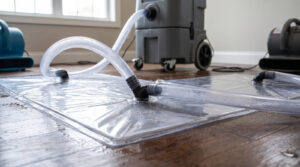
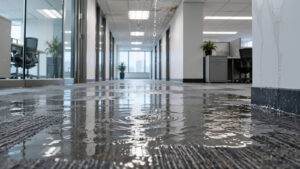
You’ll see crews use water extraction equipment and rapid pumping methods to pull standing water out fast and reduce further damage.
They’ll also check for hidden moisture in walls, floors, and cavities so they don’t leave soaked materials behind.
This targeted removal helps your home dry more evenly and lowers the risk of mold and structural issues.
Water Extraction Equipment
Crews use water extraction equipment to remove standing water quickly and limit further damage in a flooded home. You’ll usually see truck-mounted extractors, portable units, weighted wand attachments, and submersible pumps working together.
Technicians choose each tool based on water depth, floor type, and access around your rooms. They place hoses, vacuum heads, and intake lines to pull water from carpets, padding, tile, and hard-to-reach corners.
Moisture meters help confirm when surface water is gone, so your team can move to drying without guesswork. Using the right extraction setup also reduces contamination spread and protects subfloors, baseboards, and furnishings.
When you work with a trained crew, you’re not handling this alone; you’re getting a coordinated response built to restore your space safely and efficiently.
Rapid Pumping Methods
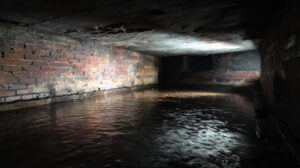
Rapid pumping methods move standing water out of a flooded home fast, reducing the time moisture has to seep into subfloors, walls, and built-in materials.
You’ll see crews place submersible pumps in the deepest areas, then route discharge hoses outside or to safe drainage points. They often start at the lowest level and work upward, keeping flow steady so water doesn’t spread back through rooms.
Technicians adjust pump speed to match depth and debris load, which helps protect finishes and framing.
If you’re facing this work, you’re not alone; trained crews coordinate the setup, monitor performance, and clear access paths so the job moves efficiently.
Fast removal limits further damage and gets your home ready for drying, cleanup, and repair.
Hidden Moisture Checks
After the visible water is gone, technicians check for hidden moisture in wall cavities, under flooring, and inside insulation to make sure standing water hasn’t lingered where it can keep damaging the structure.
They use moisture meters, thermal imaging, and targeted probing to map damp zones you can’t see. If readings stay high, they remove baseboards, open access points, and pull saturated materials so drying can reach every layer.
This careful check helps you avoid trapped moisture, warped framing, and mold growth. You’ll know the job’s on track when surfaces, subfloors, and insulation return to safe moisture levels.
Why Contamination Cleanup Matters
Floodwater can carry sewage, bacteria, and chemical residue, so you need contamination cleanup to reduce health risks in your home.
Crews remove affected debris and sanitize surfaces that came into contact with dirty water. This step helps you restore a safer environment before drying and repairs begin.
Health Risks From Floodwater
Even a small amount of floodwater can carry sewage, bacteria, chemicals, and other contaminants that put your health at risk. You’re not alone in needing to act quickly; prompt cleanup protects your household and reduces exposure.
Floodwater can enter through floor openings, wick into materials, and spread pathogens through contact or splashes. Watch for these common hazards:
- Skin irritation and infection from direct contact
- Breathing issues from damp, contaminated air
- Stomach illness if germs reach hands or food
- Chemical exposure from household or outdoor runoff
Wear gloves, boots, and a mask, and keep children and pets away.
If you feel unsure, call trained restoration professionals who can help you regain a safer, healthier home.
Sanitizing Affected Surfaces
Once standing water is removed, you’ll need to sanitize any surface that floodwater touched because contamination can linger in grout, cracks, drywall, and other porous materials.
You should clean hard surfaces with detergent first, then apply an EPA-registered disinfectant at the label’s contact time.
If you’re dealing with porous items, you may need to remove and replace them when cleaning can’t reach embedded contamination.
Wear gloves, boots, eye protection, and an N95 or better when you work.
Keep windows open and fans running to improve ventilation.
Don’t mix chemicals, and rinse food-contact surfaces after disinfecting.
How Structural Drying Stops Hidden Moisture
Structural drying uses controlled airflow, heat, and dehumidification to pull moisture out of walls, floors, and framing after the visible water is gone.
You still need this step because trapped moisture can linger inside cavities, where it slows recovery and keeps your home from feeling truly safe. Your team monitors readings so you know the structure is drying as planned.
- Air movers speed evaporation.
- Dehumidifiers remove water vapor.
- Moisture meters verify progress.
- Daily checks catch hidden wet spots.
When you follow this process, you join a clear path toward restoration, not guesswork.
It helps you protect indoor conditions, reduce lingering dampness, and move forward with confidence.
What Materials Need Removal or Repair?
You’ll need to remove or repair any material that soaked up floodwater, held contamination, or lost its structural integrity. That usually includes carpet, pad, insulation, drywall, baseboards, and particleboard cabinets.
If these materials stay wet too long, they can trap moisture and support microbial growth, so you want them out fast. Solid wood, metal, and masonry often can be cleaned, dried, and saved if they haven’t warped, rusted, or cracked.
You should also check electrical components, door trim, and built-in furnishings for swelling, staining, or odor. A qualified restoration team can help you sort keepers from losses, so you’re not guessing alone.
When you act early and make careful calls, you protect your home and move forward with confidence.
What Flood Damage Repairs to Expect
After the damaged materials are out, restoration crews can start the repair work that brings your home back to safe, usable condition. You’ll usually see a clear sequence that helps you feel oriented and supported:
- Replace compromised drywall, insulation, and trim.
- Repair or rebuild damaged subfloors and framing.
- Restore flooring, cabinets, and interior finishes.
- Reconnect electrical, plumbing, and HVAC components after inspection.
Your team may also patch exterior openings, seal gaps, and verify that surfaces are level and secure.
These repairs don’t just improve appearance; they restore function, strength, and daily comfort. You’re not facing this alone, and each step moves your home closer to normal.
With careful planning, the work stays organized, efficient, and focused on your family’s safety.
How to Prevent Mold and Odors
To prevent mold and lingering odors, crews focus on removing moisture fast and eliminating anything that can trap contamination.
You’ll see pumps, air movers, and dehumidifiers work together to dry framing, subfloors, and wall cavities before spores can spread.
Technicians remove wet drywall, insulation, carpet, and porous items that hold odor and feed growth.
They clean salvageable surfaces with approved antimicrobials, then monitor humidity and temperature until conditions stay stable.
You should keep windows closed during drying and avoid using HVAC systems that could circulate contamination.
If your home needs help, you’re not alone; a coordinated restoration team can guide each step, protect healthy spaces, and restore a clean, livable environment for your household.
Frequently Asked Questions
How Soon Should a Flooded Home Be Inspected After a Storm?
You should inspect a flooded home within 24 hours after the storm, ideally sooner. You’ll catch hidden moisture, contamination, and structural damage early, and you’ll protect your home, health, and recovery timeline.
Can Electrical Systems Be Safely Used After Flood Damage?
No, you can’t safely use electrical systems after flood damage—surprise, water isn’t an electrician’s friend. You should shut off power, call a licensed professional, and inspect wiring, outlets, and panels before reenergizing anything.
How Long Does Storm Damage Restoration Usually Take?
Usually, you’ll need a few days to several weeks, depending on water depth, contamination, drying time, and repairs. You’ll move faster when you document damage, start extraction quickly, and coordinate with your restoration team.
Does Insurance Typically Cover Flooded Home Restoration Costs?
Usually, yes—insurance can cover flooded home restoration costs, though policy limits and flood exclusions matter. You’ll want to review your policy, document damage, and contact your insurer quickly; it’s a thousand-piece puzzle, but manageable.
When Is It Safe to Return to a Flood-Damaged Home?
You’re safe to return when authorities clear the area, power and gas are off, standing water’s gone, and a professional confirms the structure’s dry, clean, and stable. Wear protective gear and avoid contaminated materials.
Conclusion
When you’ve handled flood damage step by step, you’re already reducing risk and speeding recovery. By shutting off utilities, removing standing water, drying hidden moisture, and cleaning contaminated materials, you give your home the best chance to recover safely. As repairs move forward, you’ll notice a useful coincidence: the same careful monitoring that prevents mold also helps preserve structural integrity. Stay vigilant, document progress, and you’ll restore a safer, drier, more livable home.