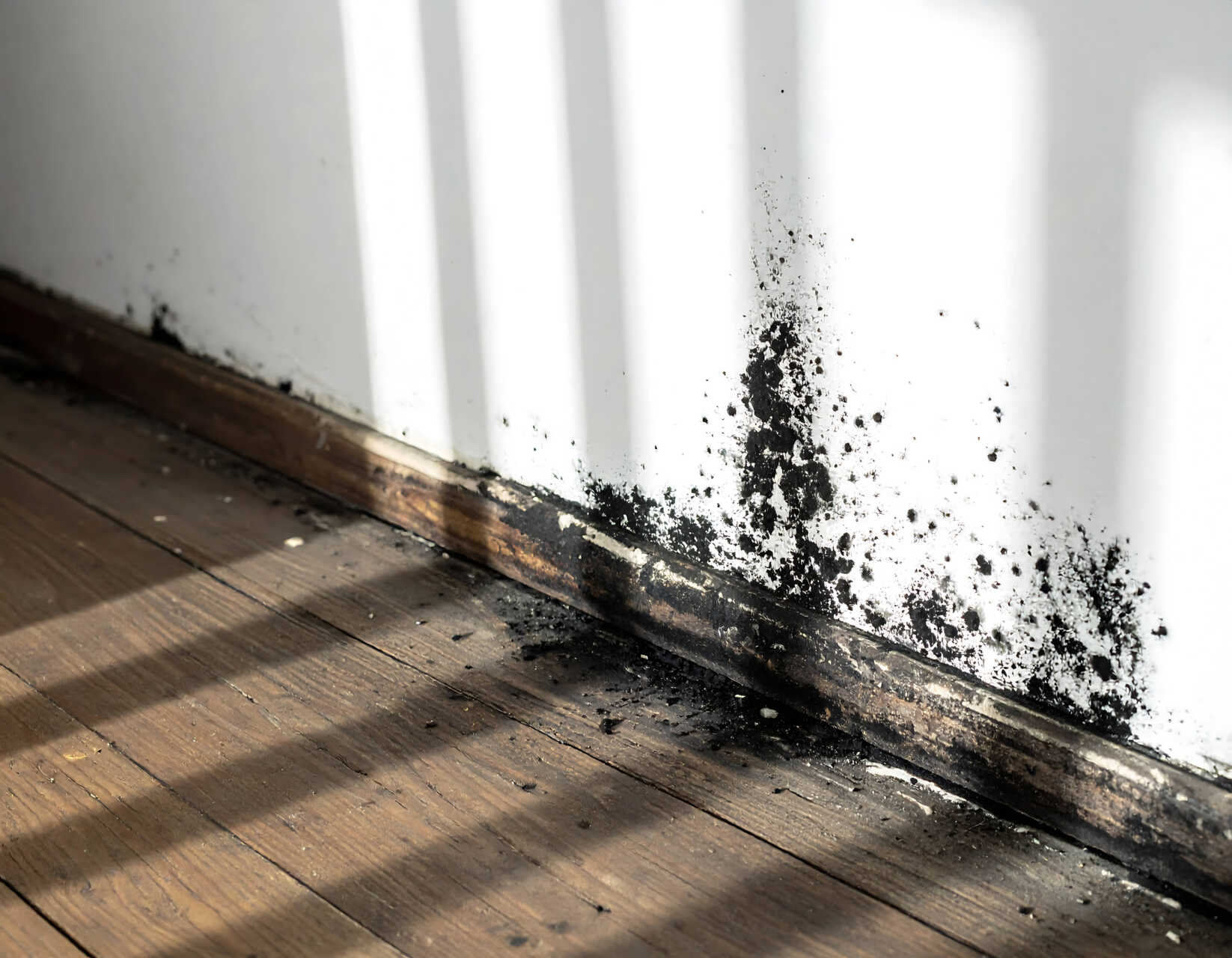
Many indoor air quality problems trace back to moisture and mold. Before remediation starts, preparing your home for mold remediation means clearing the work zone, packing labeled belongings, and moving valuables out of harm’s way. You should also shut down HVAC pathways, restrict access for kids and pets, and give the crew direct access to affected areas. If you miss one step, spores can spread farther than you expect, and proper preparation can make the remediation process safer and more effective.
Key Takeaways
- Clear the work area by moving furniture, rugs, electronics, and other items out of the affected room.
- Pack valuables, documents, and textiles in clean, labeled containers to keep them protected and organized.
- Keep children and pets away from the remediation zone and communicate all restricted areas clearly.
- Set up containment with plastic sheeting, sealed doorways, and negative air machines to stop mold spread.
- Shut down the HVAC system, replace contaminated filters, and seal vents before work begins.
Clear the Work Area First
Before the crew arrives, you should clear the work area completely so technicians can access the affected space without obstruction. Move furniture, rugs, electronics, decor, and stored items out of the room, and create a defined path from the entry point to the contamination zone.
Bag smaller belongings that can’t be relocated, and label them for easy handling. When you’re preparing your home for mold remediation, remove wall hangings, secure loose cords, and detach fragile items that could shift during cleanup.
Keep doors, hallways, and vents unobstructed so the team can work efficiently. If you live with others, coordinate each task so everyone knows where items belong.
This organized setup helps the contractor protect surfaces, maintain containment, and start remediation without delay or confusion.
Keep Kids and Pets Out During Mold Remediation
During mold remediation, keep children and pets completely away from the work zone so they aren’t exposed to disturbed spores, dust, or chemical treatments.
You should set a firm boundary with closed doors, locked gates, and clear signage, then keep that barrier intact until the contractor confirms the area is safe.
If your family needs access to adjacent rooms, supervise every entry and exit so no one crosses into containment.
Bring pets to a trusted friend, boarding facility, or separate floor with no airflow connection.
Tell everyone in your household the schedule, the restricted areas, and the reason for the restriction.
When you protect the most vulnerable people and animals, you help the crew work efficiently and keep your home’s recovery on track.
Pack Up Belongings and Valuables
Pack up as many movable belongings and valuables as you can from the affected rooms, because leaving them in place can expose them to mold, dust, and moisture during remediation. You should sort items quickly, then relocate them to a clean, dry area where your household can stay organized and protected.
- Seal documents, photos, and small electronics in clean containers.
- Bag textiles, books, and decor that you can’t immediately clean.
- Label boxes by room and contents for fast return after clearance.
Keep pathways open so technicians can access walls, floors, and fixtures without delay. Handle items with clean hands, and avoid dragging contaminated objects through other rooms.
If you’re unsure whether an item is salvageable, set it aside for the contractor’s review. This preparation helps your home stay orderly and gives your family confidence during remediation.
Protect Your HVAC System From Mold
If mold has reached your HVAC system or nearby ductwork, you need to shut it down and protect it before remediation begins.
Turn off the thermostat, disconnect power at the breaker, and avoid running the system until the contractor clears it.
Replace or remove the filter if it’s contaminated, and seal the return and supply registers with plastic and tape to limit spore movement.
If you have a separate zoning or fresh-air unit, isolate it as well.
Tell your remediation team exactly where you’ve seen growth, moisture, or odors so they can plan containment around your equipment.
Make Access Easy for the Crew
Clear hallways, doorways, and stairwells so the remediation crew can move equipment and containment materials without delay.
Open gates, doors, and utility access points before they arrive, and keep keys or codes available if needed.
Move furniture, storage bins, and other obstacles out of work areas to maintain safe, unobstructed access.
Clear Pathways
You should remove obstacles and widen access routes so the remediation crew can move equipment, containment materials, and debris without delay. Keep hallways, stairs, and room entrances clear, and relocate furniture, rugs, and loose cords to another area. This helps the team work efficiently and reduces trip hazards in shared spaces where everyone’s safety matters.
- Stack boxes away from walk paths.
- Secure fragile items before work starts.
- Leave enough room for carts and vacuums.
If you use a basement, attic, or utility area, create an uninterrupted route from the exterior to the work zone. Mark narrow turns, protect flooring where needed, and keep children and pets out of the path.
Clear pathways support faster setup, cleaner containment, and smoother daily progress for your household.
Unlock Entry Points
Once the routes are open, make sure the remediation crew can get into every needed space without delay. Open exterior doors, interior doors, attic hatches, crawlspace panels, and utility-room access points before they arrive.
If a door uses a code, key, or spare lockbox, confirm the current access method and share it with the project lead. Test each latch so it opens smoothly, and note any sticking hardware that could slow work.
Keep garage-to-house doors, basement entries, and closet access panels unblocked and fully functional. If your home uses keyed knobs or deadbolts, leave keys in the agreed location.
Clear, reliable entry helps the crew work efficiently and keeps your project on track with less disruption for everyone involved.
Move Obstacles Aside
Move at least a few feet of space around every work area so the crew can reach walls, vents, flooring, and affected materials without obstruction. You’ll help the job run safely and efficiently when you clear paths before they arrive. Group nearby items in another room, and leave equipment access open at all times.
- Remove chairs, rugs, and small furniture.
- Pull appliances away from affected walls.
- Stack boxes neatly outside the work zone.
If you can’t move a heavy item, tell the contractor before setup.
Keep personal belongings, décor, and fragile items away from dust barriers. This preparation helps your team work as one, reduces delays, and protects your home from unnecessary disturbance.
Follow the Remediation Plan
Follow the remediation plan exactly so the crew can work efficiently and contain the affected area. You should review the written scope, ask questions about access points, and confirm which rooms stay closed.
If the contractor asks you to remove items, bag debris, or relocate belongings, do it before the scheduled start. Keep pets, children, and household members out of restricted zones, and don’t reopen sealed areas.
Follow any HVAC guidance, including shutting off registers or changing filters, because circulation can spread spores. If you notice a change in moisture source, leak, or odor, tell the team right away.
When you stay aligned with the plan, you help protect your home and support a clean, coordinated remediation process for everyone involved.
Know What Happens on Remediation Day
On remediation day, you’ll receive the crew’s arrival time, confirm access, and move pets, valuables, and any instructed belongings out of the work area.
The team will then set up containment, protect adjacent surfaces, and isolate the HVAC system as needed to limit spore spread.
Expect noise, restricted access, and periodic checks while the contractor removes contaminated materials and verifies progress.
Arrival And Setup
When the remediation team arrives, you’ll need to provide clear access to the affected areas, confirm which rooms and belongings they can enter, and review the work plan before setup begins.
You’ll want to stay available for questions, but let the crew organize tools, document conditions, and verify utility locations without interruption. Keep pets secured, and tell the lead technician about any locked doors, fragile items, or special instructions from your contractor.
- Show the team the nearest entry path
- Identify items that must stay untouched
- Confirm the contact person for decisions
This quick coordination helps everyone work as one unit and keeps the project moving efficiently.
When you’re prepared, the crew can start accurately and keep your home’s remediation on schedule.
Containment And Protection
Before the crew starts demolition, they’ll usually set up containment to keep mold spores from spreading into clean areas. You’ll see plastic sheeting, taped seams, and sealed doorways or vents that isolate the work zone.
This barrier helps your household stay protected while the team removes contaminated materials. You should keep the area clear and follow any access limits the contractor gives you. If you share the home, let everyone know which rooms are off-limits.
Negative air machines or filtered fans may run to control airflow and capture particles. Don’t disturb the barrier, and don’t let pets or children near it.
These controls work best when you respect them, so the crew can safely protect your home and everyone in it.
Workday Expectations
Once the containment is in place, the remediation day can move forward in a controlled way. You’ll usually see the crew verify access, protect nearby surfaces, and confirm the work zone with you before starting.
Expect loud equipment, negative air machines, and short pauses for inspections. Keep kids, pets, and unneeded belongings out of the area so the team can work safely and efficiently.
- Clear a path to affected rooms and utility panels.
- Follow contractor instructions on HVAC shutdown or isolation.
- Stay available for questions, signatures, and progress updates.
You’re part of the process, and your cooperation helps the crew remove contaminated materials, clean the space, and keep the rest of your home stable.
Frequently Asked Questions
How Do I Know if Mold Remediation Is Necessary?
You’ll need remediation if you see mold growth, smell persistent mustiness, or have water damage and allergy symptoms. If contamination covers over 10 square feet, or recurs after cleaning, hire a qualified professional.
Will Mold Remediation Affect My Home’s Insurance Claim?
Yes—mold remediation can affect your insurance claim if you document damage, follow policy requirements, and hire licensed pros. You should notify your insurer first, keep receipts, and protect your claim file with photos and written estimates.
How Long Does Mold Remediation Usually Take?
You’re usually looking at one to five days, though extensive contamination can take longer. You’ll need to clear access, secure belongings and pets, and follow your contractor’s HVAC and containment instructions closely.
Can I Stay in the House During Remediation?
You can sometimes stay, but you’ll usually need to leave the work area and follow contractor instructions. If remediation affects HVAC, sealed rooms, or heavy contamination, you should relocate temporarily for safety and access.
What Should I Do After the Mold Is Removed?
You should inspect cleaned areas, verify that moisture is gone, and monitor humidity below 60%; mold can return within 24–48 hours if conditions stay wet. Keep ventilation running, replace contaminated materials, and follow your contractor’s clearance instructions.
Conclusion
By clearing the area, securing valuables, and giving the crew easy access, you set the stage for a smoother remediation day. Keep children and pets out of the way, and have your HVAC system gently taken offline to limit unwelcome spread. When you follow the plan and communicate clearly, you help the process stay efficient, controlled, and effective. A little preparation now can spare you from bigger complications later.