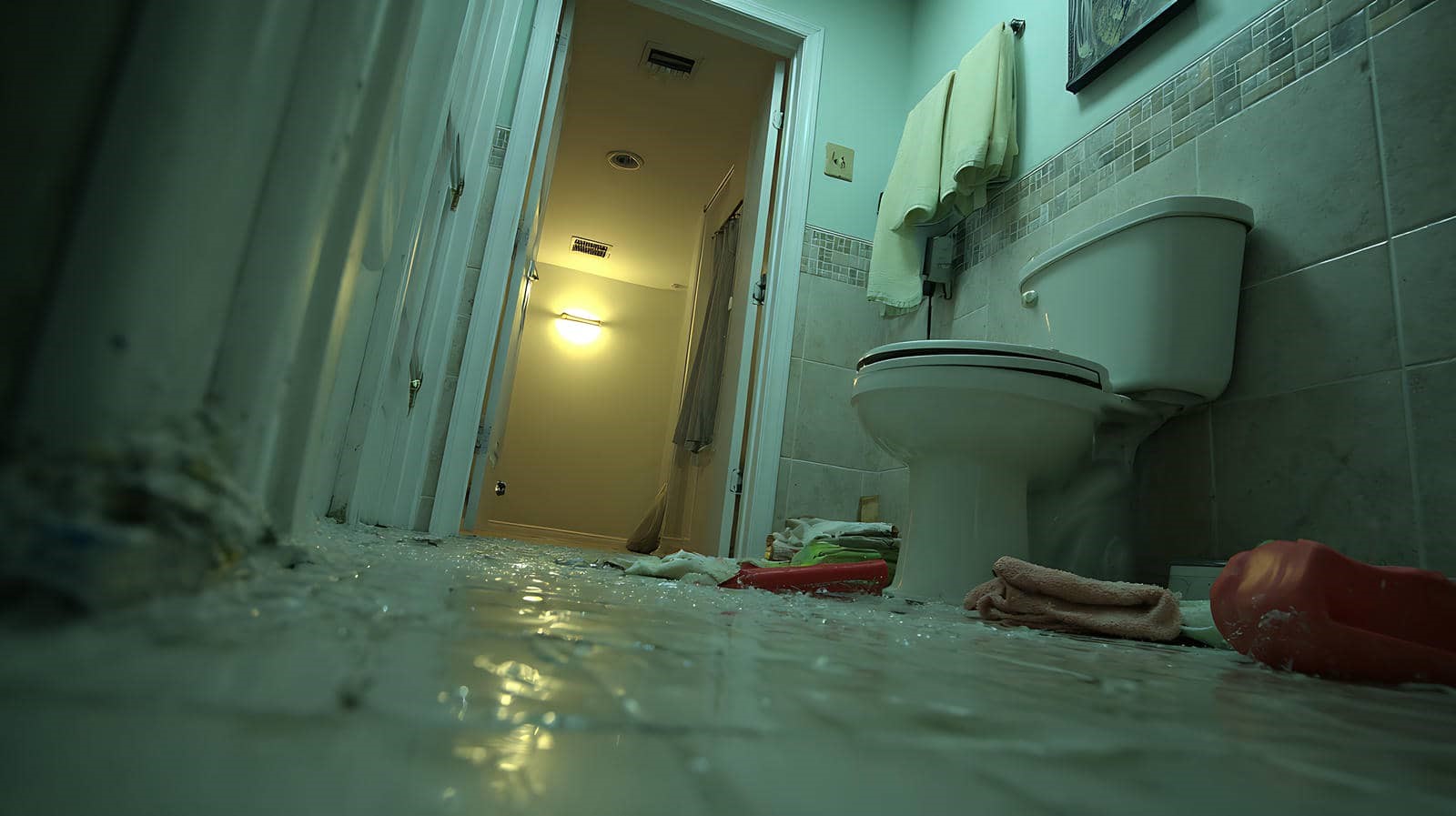
Wastewater looks like water, but it behaves like a contaminant, not a resource. When you face it, you’re not just drying a space—you’re removing hazardous liquid, isolating damage, and restoring sanitary conditions. The process can involve extraction, filtration, disinfection, and controlled disposal, but the right approach depends on the source and exposure level. What gets removed, what stays behind, and what happens next can change everything.
Key Takeaways
- Wastewater removal and remediation is the process of extracting contaminated water and restoring affected areas safely.
- It involves identifying wastewater sources like plumbing failures, storm runoff, and industrial discharge.
- Common remediation steps include containment, removal, cleaning, filtration, disinfection, and monitoring.
- Timely action helps prevent pathogens, mold growth, structural damage, and electrical corrosion.
- Effective services use proper equipment, follow regulations, and tailor treatment to the specific contaminants present.
What Is Wastewater Remediation?
Wastewater remediation is the process of removing, neutralizing, or reducing contaminants in used water so it can be safely discharged, reused, or further treated.
You evaluate wastewater sources such as residential flows, industrial effluent, and storm runoff to identify contaminant loads and treatment needs. Then you select remediation technologies that match those characteristics, including screening, sedimentation, biological treatment, filtration, and disinfection.
Each step targets specific solids, nutrients, organics, or pathogens with measured efficiency. You stay aligned with your system’s design limits by monitoring flow, pH, and concentration changes.
This approach helps you integrate with a treatment team that values shared standards, reliable performance, and clear technical results.
Wastewater remediation turns a complex waste stream into a controlled process you can manage confidently.
Why Wastewater Cleanup Can’t Wait
When contaminated water lingers, the risks escalate fast: pathogens multiply, oxygen levels drop, corrosive compounds attack infrastructure, and dissolved pollutants can migrate into soil and groundwater.
You need rapid containment because every hour increases health risks for occupants, responders, and nearby communities. A coordinated emergency response limits exposure, stabilizes affected surfaces, and prevents secondary spread through drains, porous materials, and standing water.
You’ll also reduce structural degradation, which can complicate repairs and extend downtime. Cleanup can’t wait because microbial growth and chemical intrusion become harder to control with delay.
When you act quickly, you protect your site, your team, and the people who rely on the space. Fast remediation keeps the system safer, cleaner, and more predictable for everyone involved.
Common Causes of Wastewater Damage
You’ll often trace wastewater damage to plumbing failures, such as cracked pipes, blocked drains, or failed seals that let contaminated water escape.
Heavy rainfall can also overwhelm sewer systems and storm drains, forcing wastewater back into your property.
When you identify these causes early, you can target remediation before the damage spreads.
Plumbing Failures
Even a small plumbing failure can trigger significant wastewater damage by allowing contaminated water to escape its intended path. You may see leaks at joints, cracked supply lines, worn seals, or failed shutoff valves, and each one can spread moisture into walls, floors, and fixtures.
When drains clog or traps lose integrity, wastewater backs up and contaminates nearby surfaces. Regular plumbing inspections help you spot early stress, while disciplined pipe maintenance reduces corrosion, scale, and fatigue.
You protect your system when you replace aging components before they rupture and verify pressure stays within design limits. If you stay alert to odors, staining, and slow drainage, you can act fast and keep your home’s shared environment cleaner, safer, and more resilient.
Heavy Rainfall
Heavy rainfall can overwhelm drainage and sewer systems, forcing surface water and wastewater to mix when storm drains, gutters, and sanitary lines exceed capacity.
You may see backups, basement flooding, and contaminated runoff when inflow rises faster than your system can handle. This stress increases pipe surcharge, reduces treatment efficiency, and spreads pathogens into occupied spaces.
You protect your property by keeping gutters clear, sealing foundation cracks, and maintaining backflow valves. Pair these steps with flood prevention plans and drainage solutions that move water away from low points.
If you live in a storm-prone area, monitor weather alerts and inspect your lines after major events. Acting early helps you stay prepared, protect your home, and support your community’s sanitation network.
How Wastewater Damage Affects Your Property
When wastewater enters your property, it quickly degrades building materials, saturates structural assemblies, and introduces contaminants that can spread beyond the initial impact zone.
You’ll see drywall swell, flooring delaminate, insulation retain moisture, and framing lose strength as microbes colonize surfaces. These conditions raise health risks for everyone in the space, especially when aerosolized particles or hidden residues persist.
Your electrical systems may corrode, your HVAC can distribute odors, and trapped moisture can drive secondary deterioration in adjacent rooms.
If you ignore the damage, you’ll usually face higher repair costs and a measurable drop in property value. Acting fast helps you protect your space, limit losses, and stay aligned with the people who count on a safe, well-maintained environment.
How Wastewater Remediation Works
When you remediate wastewater, you first isolate the affected area, remove standing liquid, and assess the contamination load.
You then apply treatment steps such as filtration, disinfection, and targeted chemical or biological processing to reduce hazards.
Each contaminant removal method has a specific role, so you need to match the process to the wastewater source and composition.
Treatment Process Steps
Wastewater remediation usually follows a staged sequence in which you remove solids, separate oils and grease, reduce dissolved pollutants, and disinfect the final effluent before release or reuse.
You typically begin with screening and settling, then refine flow through filtration techniques that capture smaller suspended particles. Next, biological treatments use microbes to stabilize organic matter and lower oxygen demand, so your system stays efficient and predictable.
After that, you monitor clarity, pH, and residual contamination to verify performance against design targets. Each step builds on the last, so you and your team can match treatment intensity to the water’s condition without overprocessing.
When you understand the sequence, you can coordinate equipment, reduce downtime, and support safer reuse with confidence.
Contaminant Removal Methods
To remove contaminants effectively, you match each pollutant class to a specific physical, chemical, or biological mechanism.
You start with physical methods: screening, grit separation, settling, and filtration strip out suspended solids and protect downstream units.
Next, chemical treatments adjust pH, destabilize colloids, and precipitate dissolved metals or phosphorus. Coagulation and disinfection reduce fine particles and pathogens, so your system stays stable.
Biological stages then let microbes consume biodegradable organics and convert nitrogen compounds.
- Physical methods remove bulk solids early.
- Chemical treatments target dissolved and colloidal contaminants.
- Biological reactors lower biochemical oxygen demand and nutrients.
When you combine these controls, you build a reliable removal train that fits your plant’s load, meets discharge limits, and keeps your team aligned on performance.
What Professionals Remove During Cleanup
During cleanup, professionals remove solids, sludge, grease, oils, debris, and contaminated residues that impede system recovery or pose health risks.
You also need removal of chemical contaminants and hazardous waste from floors, drains, walls, and saturated materials.
Crews isolate affected zones, extract standing water, and collect settled sediment so you can limit spread and verify conditions.
They target damaged insulation, porous debris, and any item that retains pollutants or blocks sanitization.
This process helps your site return to controlled operation with lower exposure and fewer secondary failures.
You’re part of a safer recovery when technicians document what they take out, separate disposal streams, and confirm that remaining surfaces meet cleanup standards.
Precision here protects your team, your property, and your next remediation step.
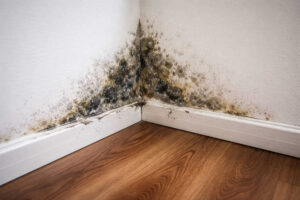
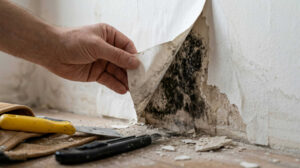
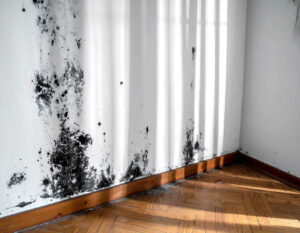
How Mold Grows After Wastewater Exposure
After wastewater exposure, mold can begin colonizing wet materials within 24 to 48 hours if moisture remains and temperatures stay within a favorable range.
You’re dealing with a biological process that starts when mold spores settle on damp surfaces and absorb water. Once moisture levels remain high, spores germinate and hyphae spread into porous materials like drywall, insulation, and wood.
Warm, stagnant air accelerates this growth, while organic debris supplies nutrients. You can reduce spread by lowering humidity, removing saturated materials, and improving airflow.
- Wet surfaces support rapid spore activation.
- Porous materials trap water and feed growth.
- Drying limits colony expansion and related contamination.
Signs You Need Emergency Wastewater Extraction
Once wastewater has soaked into flooring, walls, or insulation, you need to assess the damage fast because standing contaminated water quickly escalates health and structural risks.
You should call for emergency extraction when you see flood indicators like rising water lines, saturated baseboards, warped flooring, or a persistent damp odor.
Visible sewage leaks, gurgling drains, and backed-up fixtures signal active contamination that won’t resolve on its own. If water keeps spreading after you shut off fixtures, the loss is still in progress.
You’re not overreacting; you’re protecting your household and your community’s standards of safety.
Any water intrusion near electrical systems, HVAC components, or porous materials also warrants immediate action. The longer you wait, the more contamination migrates and the harder restoration becomes.
How To Choose a Wastewater Remediation Service
How do you choose the right wastewater remediation service? You should compare providers on response time, certifications, equipment, and containment methods.
Ask for site assessments, documented processes, and disposal compliance so you can verify technical competence. Strong service reliability matters because delays can worsen contamination and raise recovery costs.
Evaluate cost considerations by reviewing estimates, scope limits, and emergency fees, but don’t pick solely on price. You want a team that communicates clearly and fits your facility’s risk profile.
- Confirm licensing, insurance, and local regulatory knowledge
- Check 24/7 availability and ensured mobilization times
- Review customer references and remediation outcomes
Frequently Asked Questions
How Much Does Wastewater Remediation Typically Cost?
You’ll typically pay $1,000-$50,000+, depending on cost factors like contamination level, volume, permits, and site access. Your remediation techniques—biological treatment, filtration, or chemical neutralization—drive pricing, so you should compare bids carefully.
Is Wastewater Cleanup Covered by Homeowners Insurance?
Usually, your homeowners policy won’t cover wastewater cleanup unless a covered peril caused it—talk about a costly surprise. Check your insurance coverage, then start the claims process fast; exclusions, endorsements, and sewer backups matter.
Can I Stay Home During Wastewater Remediation?
You can stay home during wastewater remediation only if you’ve got home safety cleared by the crew; otherwise, leave. The remediation process may release contaminants, odors, and aerosols, so you’ll need proper containment and ventilation.
How Long Does Wastewater Contamination Remain Hazardous?
It depends: wastewater contamination can stay hazardous for hours to months. You’ll need a hazard assessment, because contamination duration varies with pathogens, chemicals, and moisture. Until testing clears it, you shouldn’t assume safety.
What Permits Are Needed for Wastewater Disposal?
You’ll need discharge, transport, and treatment permits, plus local wastewater regulations approvals. You must match disposal methods to state and federal standards, and you should verify site-specific requirements with your environmental agency before releasing effluent.
Summary
In wastewater removal and remediation, you need fast, targeted action to limit contamination, protect structural materials, and reduce health risks. When you act quickly, you improve the odds of restoring safe conditions and preventing mold, corrosion, and long-term damage. As the adage goes, time is money, and in wastewater events, delay increases both. Choose a qualified remediation team, verify containment and disposal methods, and monitor the site until it’s fully stabilized.