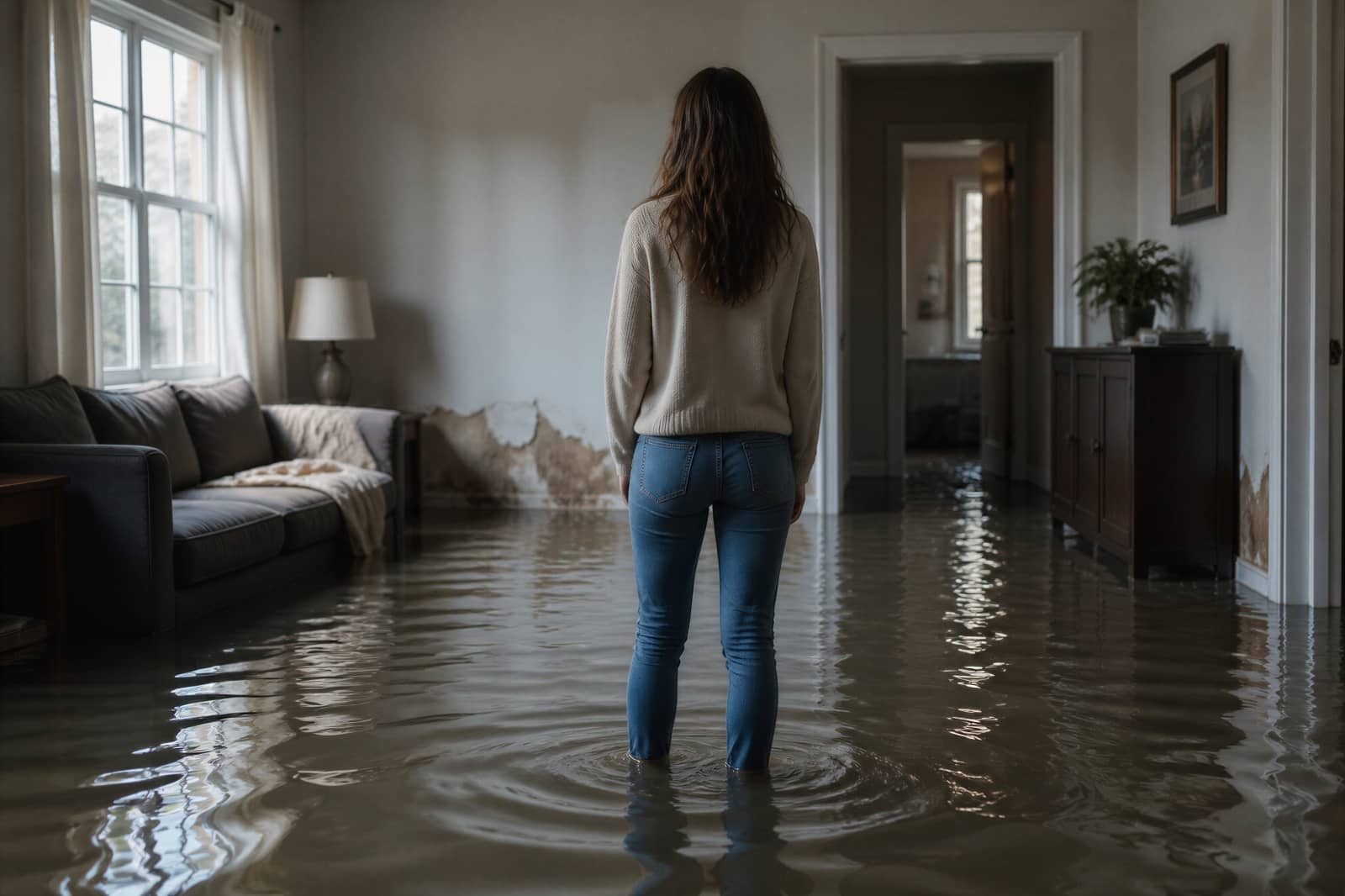
If you notice stains, warping, or musty odors, you may be dealing with more than a surface issue. Water Damage Restoration is often necessary when moisture lingers past 24 to 48 hours, or drywall, baseboards, or flooring feel soft or swollen. Hidden damage behind walls can quickly lead to mold and structural problems. In cases like sewage backup or a burst pipe, the next steps matter more than you might think.
Key Takeaways
- Water keeps returning or surfaces stay damp more than 24 to 48 hours after cleanup.
- You notice musty odors, brown stains, bubbling paint, or other visible water damage.
- Floors, baseboards, or drywall feel soft, swollen, buckled, or warped.
- Moisture has reached insulation, subfloors, drywall cavities, or other hidden areas.
- The leak involves sewage, a burst pipe, or an appliance failure, which needs professional restoration.
Signs You Need Water Damage Restoration?
How do you know when water damage has gone beyond a quick cleanup? You look for signs you need professional water damage restoration when moisture keeps returning, surfaces feel damp, or your efforts don’t fully dry the area.
If water reached insulation, subfloors, drywall cavities, or framing, you’re likely dealing with hidden damage that needs specialized drying equipment and inspection. You may also notice higher humidity, peeling finishes, or materials that stay soft after 24 to 48 hours.
Those clues mean water isn’t just on the surface. Acting fast helps you protect your home, reduce repair costs, and stay part of a community that values safe, healthy spaces.
A trained crew can measure moisture, find trapped water, and stop problems before they spread.
Visible Water Damage: Stains, Odors, and Warping
Visible water damage often shows up as stains, musty odors, and warped materials that don’t return to normal after drying. You’ll usually notice these signs on walls, ceilings, flooring, or trim after a leak, overflow, or storm.
When you see them, act quickly; damage can spread and weaken finishes. Professional restoration gives you a clear path back to a safe, comfortable space.
- Brown or yellow stains
- Persistent damp, earthy odor
- Buckled hardwood or laminate
- Swollen baseboards or drywall
- Paint that bubbles or peels
If you spot several of these at once, you’re likely dealing with more than a surface issue. A trained team can assess the extent, remove affected materials, and restore your property with less disruption.
Hidden Moisture Problems You Can’t Ignore
Even when surfaces look dry, hidden moisture can stay trapped behind walls, under flooring, and inside insulation after a leak or flood. You may not see it, but you can spot clues: baseboards that feel soft, paint that bubbles, flooring that lifts, and a musty smell that returns after cleaning.
These signs tell you water’s still inside materials. If you notice damp drywall, cool spots on floors, or repeated humidity near the affected area, act fast. Left alone, trapped water can weaken framing, damage finishes, and spread to nearby rooms.
A professional team uses moisture meters, thermal imaging, and controlled drying to find what you can’t reach. When you want your home safe and stable, hidden moisture isn’t something you should ignore.
Why Water Damage Raises Mold Risk
Once water gets into drywall, insulation, carpet, or framing, mold can start developing quickly if the area stays damp. You create ideal growth conditions when moisture, warmth, and organic material remain together. Mold spores already exist indoors, so they only need a wet surface to colonize.
- Porous materials hold moisture
- Hidden cavities stay damp longer
- Humidity slows drying
- Dust feeds spores
- Delayed drying increases spread
You can spot risk through musty odor, discoloration, and soft surfaces. Even small leaks can raise humidity around affected materials and let mold spread behind finishes.
When you act early, you protect your space and keep your home environment healthier for everyone who lives there.
When to Call a Water Damage Restoration Pro
Call a water damage restoration pro when you see staining, warping, persistent odors, or moisture that won’t dry within 24 to 48 hours.
You’re likely dealing with hidden saturation behind walls, under flooring, or in insulation, and those areas need professional drying equipment and moisture mapping.
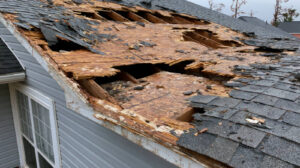
If the water came from a sewage backup, appliance leak, roof intrusion, or burst pipe, act fast.
You also should call a pro if drywall feels soft, baseboards swell, or flooring lifts.
These signs mean damage is spreading and mold risk is rising.
A qualified team can extract water, document losses, and restore safe conditions so you can get back to normal with confidence.
Frequently Asked Questions
How Quickly Should Water Damage Be Addressed After Discovery?
You should address water damage immediately, ideally within 24 hours. You’ll reduce staining, warping, hidden moisture, and mold growth by acting fast, drying thoroughly, and calling professionals before damage spreads and costs rise.
Can I Stay in My Home During Water Damage Restoration?
You can often stay, but you’ll need to check the situation carefully. If moisture lingers, odors grow, or mold risk rises, you should relocate briefly while pros dry, clean, and stabilize your home.
Does Homeowners Insurance Usually Cover Water Damage Cleanup?
Usually, yes, if you’ve got sudden, accidental damage, like a burst pipe. You’ll need to review your policy, report losses fast, and document everything. Floods and neglect usually aren’t covered.
What Equipment Do Professionals Use to Dry Water-Damaged Areas?
You’ll see pros use truck-mounted extractors, air movers, dehumidifiers, moisture meters, and infrared cameras to remove water, accelerate evaporation, and verify hidden dampness, so you can feel confident your space’s dry and safe.
How Long Does Professional Water Damage Restoration Typically Take?
You’ll typically need 3-7 days for drying and restoration, though severe damage can take weeks. You can speed things up by calling pros quickly, since hidden moisture, stains, odors, and mold risk drive longer repairs.
Recap
If you notice stains, warping, or musty odors, you need professional water damage restoration fast. You should also act if moisture still hasn’t dried after 24 to 48 hours, since hidden water can damage drywall and flooring. For example, a burst pipe in a bathroom can soak the subfloor before you see anything obvious. Don’t wait, because unresolved moisture can lead to mold growth and more expensive repairs.