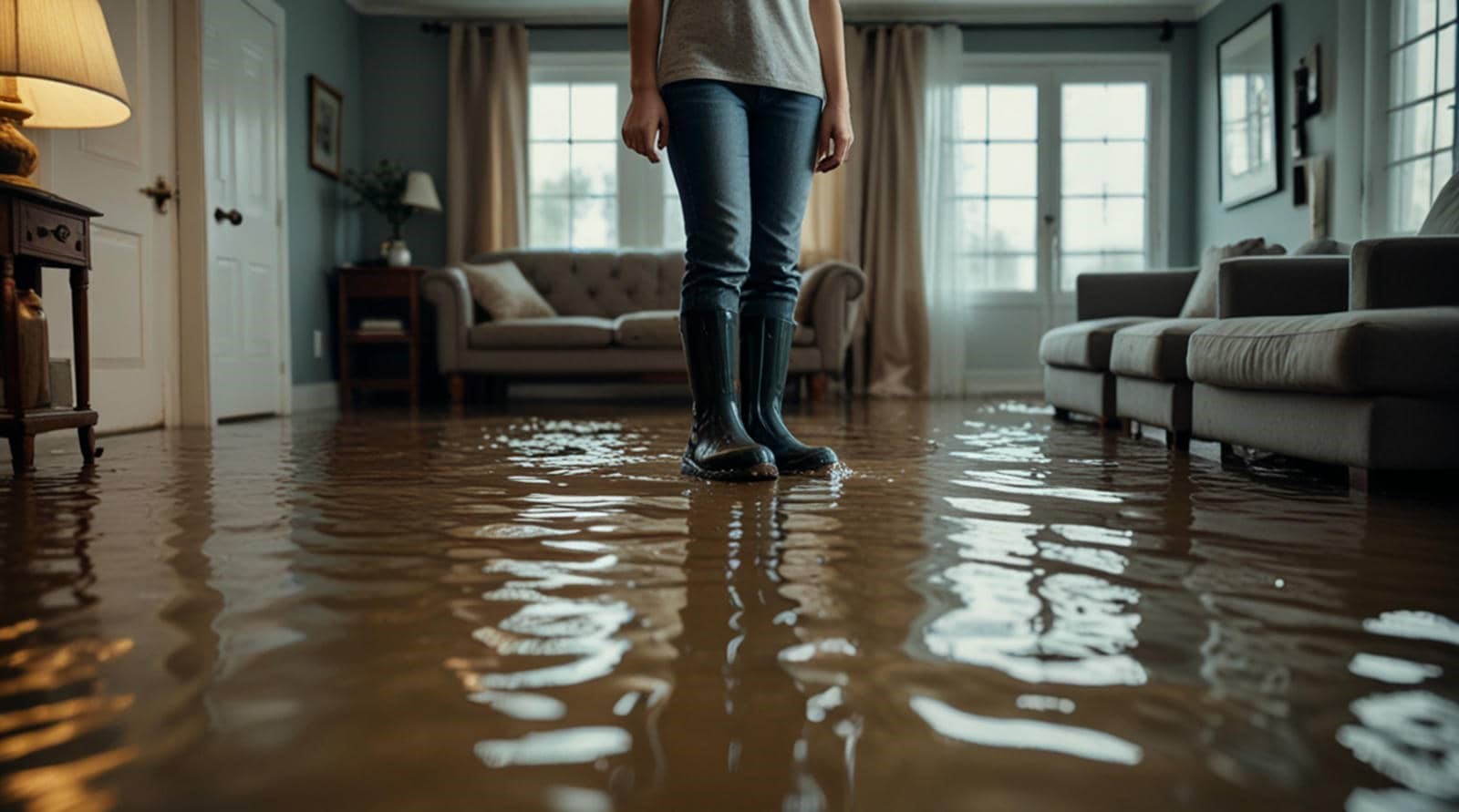
Restore a Flooded Home by following a structured recovery process that prioritizes safety, water removal, and preventing further damage. Begin by checking for electrical, structural, and contamination hazards before entering the affected area. Remove standing water as quickly as possible, then use proper drying equipment such as air movers and dehumidifiers to eliminate hidden moisture. Once the area is dry, clean, disinfect, and inspect for mold before starting repairs. Following the correct sequence helps protect your belongings, reduce restoration costs, and improve the chances of a successful recovery.
Key Takeaways
- Ensure the home is safe first by checking for electrical hazards, gas leaks, structural damage, and keeping people and pets away.
- Remove standing water quickly using pumps or wet vacs, then shut off power to wet areas and document damage for insurance.
- Dry walls, floors, and air with fans, dehumidifiers, and open windows while checking hidden moisture in corners, cabinets, and base plates.
- Clean and disinfect flooded surfaces, remove mud and debris, and discard porous materials that cannot be thoroughly cleaned.
- Inspect for mold and repair damaged areas with proper materials, while also improving flood preparedness for future events.
Make Sure the Area Is Safe
Before you enter a flooded home, make sure the area is safe. You protect yourself and your crew by checking for downed power lines, gas odors, structural shifts, and unstable floors. If anything seems wrong, stay out and call emergency services.
Follow flood safety guidance and use emergency procedures: wear insulated boots, gloves, and a respirator if needed; shut off utilities only if you can do it without risk; and mark hazards so everyone in your team can see them.
Test doors carefully before opening them, because hidden pressure can force debris outward. Keep children and pets away until you’ve confirmed conditions are stable.
When you act methodically, you reduce danger and help your household move forward with confidence together.
Remove Standing Water Fast
Now that the space is safe, you should remove standing water as quickly as possible to limit further damage and mold growth.
Use water extraction techniques that match the depth and volume of water: mops and wet vacuums handle small areas, while pumps move larger amounts faster. If you have access to emergency response tools, deploy them early to reduce soak time and protect structural materials.
Work methodically from the lowest point toward drains or exits, and empty collection containers before they overflow. Keep electrical devices clear of wet areas and shut off power to flooded circuits.
As you extract water, document the conditions for your insurer. Acting quickly helps you protect your home, supports your recovery team, and gives you a stronger start.
Dry Out Walls, Floors, and Air
You should remove any remaining moisture from walls, floors, and hidden spaces right away to limit further damage.
Open windows when conditions allow and use fans, dehumidifiers, or HVAC airflow to increase air circulation and speed evaporation.
Keep monitoring damp materials until they’re fully dry, since trapped moisture can lead to mold and structural decay.
Remove Standing Moisture
Start removing standing moisture as soon as it’s safe, because every hour of delay gives water more time to soak into drywall, subfloors, insulation, and framing.
First, you’ll perform a moisture assessment to identify the wettest areas and track progress. Then you’ll remove pooled water with pumps, wet vacuums, and absorbent materials, working from the cleanest zone toward the most saturated.
Keep surfaces open enough to expose hidden water, and use drying techniques suited to each material so you don’t trap moisture behind finishes.
Check corners, base plates, and under cabinets, since these spots hold water longer.
If you stay methodical, you’ll protect the structure and move your home toward safe recovery with confidence.
Increase Air Circulation
Once standing water is gone, move air aggressively through the space to speed evaporation from walls, floors, and framing.
You’ll want to place high-velocity fans to create crossflow, keeping them aimed across wet surfaces, not directly at one spot. Open interior doors and, when weather allows, windows to support ventilation techniques that replace damp indoor air with drier outdoor air.
Pair this with dehumidifier usage so moisture pulled from building materials doesn’t linger and re-enter the room.
Check hidden cavities, baseboards, and under flooring, because trapped humidity can slow recovery. Replace air filters if they clog with debris.
Clean and Disinfect Flooded Surfaces
Begin by removing mud, debris, and visible residue from every flooded surface with clean water and detergent.
Then disinfect hard, nonporous materials with an EPA-registered product or a bleach solution mixed to label directions, and keep the surface wet for the full contact time.
You’ll reduce contamination further by wearing gloves, ventilating the area, and discarding any porous items that can’t be fully cleaned.
Surface Cleaning Steps
After the floodwater recedes, you need to clean every surface that the water touched, then disinfect it to reduce contamination risk. Start by sorting surface materials so you can choose safe cleaning supplies for wood, tile, metal, and painted drywall.
Wear gloves, open windows, and remove mud, residue, and damaged debris before scrubbing.
- Mix detergent with warm water.
- Wipe from top to bottom.
- Rinse cloths often.
- Dry surfaces completely.
Work in small sections so you can inspect each area closely and keep your cleanup organized. If a surface still feels slimy or looks stained, clean it again before moving on.
You’re not doing this alone; steady, careful steps help your home become safe and familiar again, one room at a time.
Disinfection Best Practices
With the visible dirt removed, you can disinfect the cleaned surfaces to lower the risk of mold, bacteria, and other flood-related contaminants.
Choose a product labeled for flood cleanup, and follow the manufacturer’s dilution, contact time, and ventilation instructions. Good chemical selection matters: use bleach only on compatible, nonporous materials, and never mix it with ammonia or acids.
Apply sanitation techniques that keep you safe and efficient, such as working from top to bottom, using clean cloths, and changing rinse water often. Wear gloves, goggles, and a respirator if needed.
After contact time, rinse food-contact surfaces with clean water. Keep the area dry and air moving so your home team can rebuild with confidence and less risk.
Remove Mold After Flood Damage
As soon as floodwater recedes, remove mold quickly to limit structural damage and health risks. You’ll protect your home and your family by acting fast and methodically.
Begin with mold identification: look for musty odors, discoloration, and fuzzy growth on surfaces. Wear gloves, an N95 respirator, and eye protection. Keep the area dry, seal off contaminated rooms, and discard porous materials you can’t fully clean.
Use detergent and water on nonporous surfaces, then dry them completely.
- Ventilate with fans and dehumidifiers
- Clean visible growth promptly
- Dispose of soaked insulation and fabric
- Monitor humidity for mold prevention
Your careful response helps everyone in your household feel safer and supported.
Repair Walls, Floors, and Contents
Once the structure is dry and mold is under control, inspect walls, floors, and contents for damage you can safely repair. Mark swollen drywall, warped trim, and delaminated panels, then remove only what’s unsalvageable.
Match replacement wall materials to the original assembly so seams, fasteners, and finishes align cleanly. For floors, compare flooring options, including tile, laminate, and engineered wood, and choose materials that fit the room’s moisture exposure and subfloor condition.
Clean hard-surface contents with approved disinfectant, and discard porous items that stayed saturated too long. Salvageable furniture can often be dried, stabilized, and refinished.
Work methodically, document each step, and replace components in stages. You’re rebuilding a familiar space, and each precise repair brings your home closer to feeling like yours again.
Prevent Future Flood Damage
Now that the house is repaired, you can reduce the chance of another loss by addressing the paths water used to enter. Inspect the foundation, utility penetrations, and grading, then seal gaps with compatible waterproof materials.
If you live in a flood-prone area, install flood barriers at doors and vents before storm season. Keep drainage systems clear so runoff moves away from your home, not toward it.
- Extend downspouts at least 6 feet.
- Regrade soil to slope outward.
- Test sump pumps and backup power.
- Store valuables above expected flood level.
You’re not just protecting a structure; you’re strengthening the home your people depend on.
Schedule annual inspections after major storms, and update your plan when local risks change. Small upgrades now can spare you costly repairs later.
Frequently Asked Questions
How Soon Should Insurance Be Contacted After Flood Damage?
Contact your insurer immediately after flood damage—ideally within 24 hours—to start the flood insurance claims process. You’ll protect your coverage, document losses faster, and feel supported while you move forward.
Can Electrical Appliances Be Saved After Flooding?
Like a patient rescued from storm surge, you can sometimes save electrical appliances after flooding, but you shouldn’t power them up. You’ll need appliance inspection and professional restoration methods to assess safety, drying, and repair.
When Should a Professional Restoration Company Be Called?
You should call a professional restoration company immediately after significant flooding, especially if water extraction is ongoing or mold prevention matters. You’ll protect your home faster, reduce damage, and join neighbors who’ve restored safely.
How Do I Document Flood Damage for a Claim?
You’ll document flood damage with clear flood documentation: photograph every affected area, list damaged items, note dates, and save receipts. Share everything with your insurer promptly to strengthen insurance claims and support faster recovery.
What Personal Items Are Usually Impossible to Salvage?
You’ll usually lose porous items, like mattresses, upholstered furniture, photos, books, electronics, and contaminated sentimental items or irreplaceable documents. You can sometimes recover hard goods, but mold, swelling, and contamination often make them unsafe.
Final Thoughts
To restore a flooded home, you’ve got to move step by step: make the area safe, pump out standing water, dry every surface, and clean and disinfect thoroughly. If mold appears, remove it quickly and safely. Then repair damaged walls, floors, and contents with compatible materials. Finally, strengthen your defenses so you’re ready next time. Safety, speed, and thoroughness aren’t just tasks—they’re your path back to a healthy home.