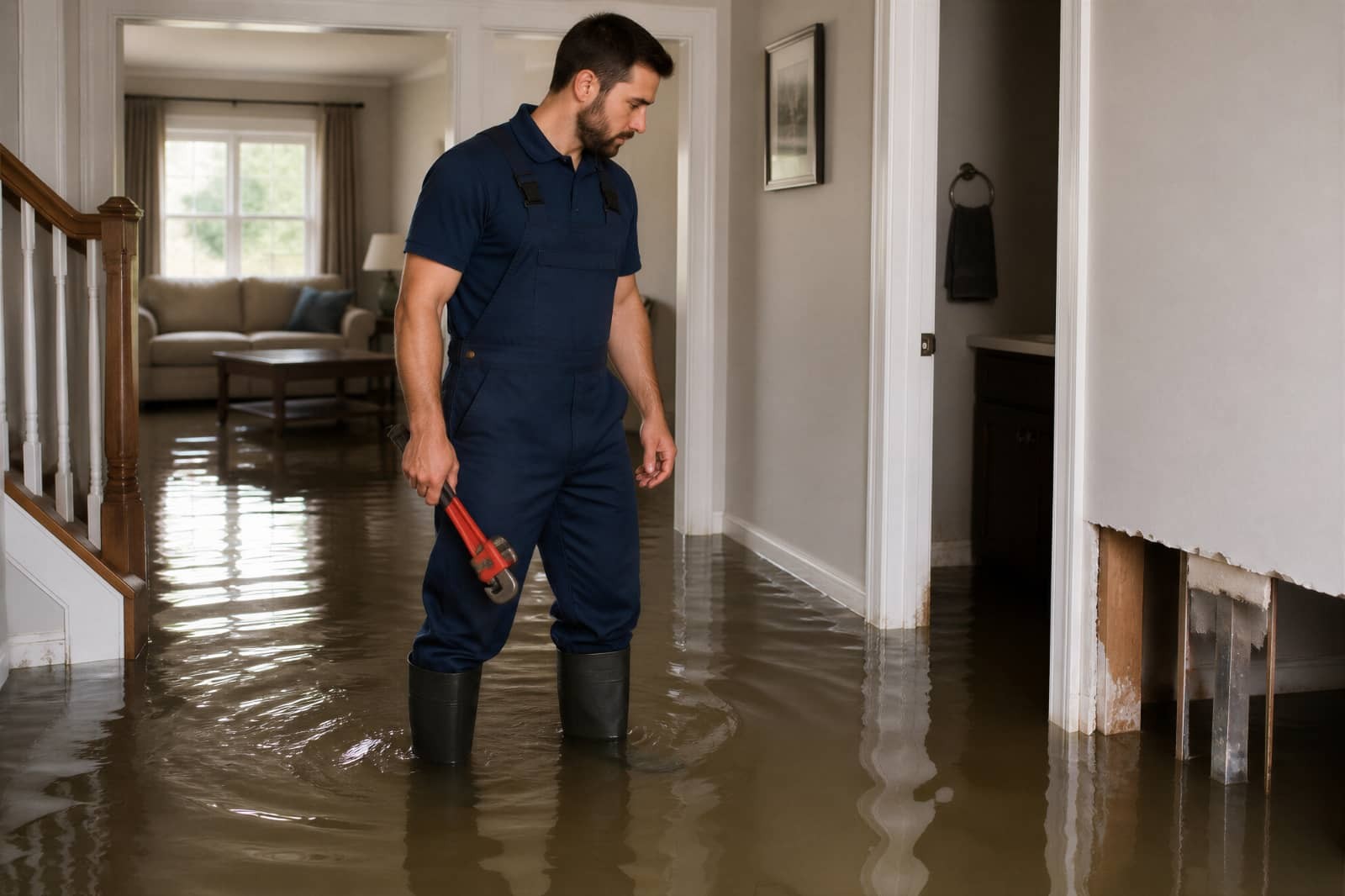
After a burst pipe, you’ll need to act fast to limit damage and protect the structure of your home. Damage Restoration professionals will shut off the water, extract standing water, and start controlled drying with specialized equipment. They’ll also check for hidden moisture that can affect walls, floors, and framing. From there, they’ll map out the repairs needed to restore the space, but the most important details often show up after the first inspection.
Key Takeaways
- Shut off the main water and electricity, then move people and pets to safety and document visible damage.
- Professionals remove standing water with pumps and wet vacs, working room by room to prevent spread.
- Structural drying uses air movers and dehumidifiers, with moisture readings tracked until materials are dry.
- Hidden damage may show as bubbling paint, warped trim, musty odors, or soft drywall.
- Repairs involve inspecting and replacing damaged materials, then patching, repainting, and checking quality.
What to Do Right After a Burst Pipe
If a pipe bursts, shut off the main water supply right away to stop the flow and limit further damage.
Then cut power to affected rooms if water reaches outlets, appliances, or your breaker panel.
Move people and pets to a dry area, and protect yourself with shoes and gloves.
Open nearby cabinets and doors to reduce trapped moisture and let air circulate.
Take quick photos of visible damage for your records and insurance claim.
Call a trusted restoration team for water damage restoration after a burst pipe, and tell them where the leak started, what materials got wet, and whether the ceiling or walls have softened.
You’re not dealing with this alone; these first steps help you stabilize the space, reduce risk, and prepare for cleanup and repairs.
How Professionals Remove Standing Water
Once the site is stabilized, professionals begin removing standing water with high-capacity pumps, wet vacuums, and extraction tools sized to the depth and spread of the flood.
You’ll usually see them work room by room, pulling water from carpets, hard floors, and low spots before it can migrate farther. They monitor flow, adjust equipment, and switch tools as conditions change, so extraction stays efficient and controlled.
If water has pooled under furniture or along baseboards, they’ll lift items only as needed and remove moisture from hidden edges. This step helps protect your home and keeps you in the loop.
You can expect clear communication, careful handling, and a team that works as if your space were their own.
What Happens During Structural Drying
During structural drying, technicians use air movers, dehumidifiers, and sometimes targeted heat to pull moisture out of framing, drywall, insulation, and subfloors.
You’ll see equipment placed to create steady airflow and control humidity, so materials dry evenly instead of trapping dampness. The team measures moisture with meters and checks progress against baseline readings, adjusting the setup as conditions change.
You won’t need to guess what’s happening; good technicians explain the plan, the timeline, and what each machine is doing. They also protect clean areas with containment when needed and keep walkways safe.
This process helps your home return to stable, repair-ready conditions while reducing the chance of lingering damage. By staying informed, you can feel included, confident, and supported throughout the work.
Signs of Hidden Water Damage
Hidden water damage often shows up in subtle ways, so you’ll want to look beyond the obvious wet spots after a burst pipe.
You may notice paint bubbling, warped baseboards, or drywall that feels soft when you press it. Musty odors often signal moisture trapped inside cavities, and you might hear faint dripping after the visible leak stops.
Check for discoloration around ceiling seams, along flooring edges, and near cabinets or trim. If you see swelling in wood, separation at joints, or new cracks that weren’t there before, moisture may still be present.
You’re not alone in watching for these clues; they’re common after pipe failures. When you catch them early, you help limit further damage and support a cleaner, safer restoration process for your home.
How Repairs and Rebuilds Are Planned
After the water is removed and the structure is dry, you can move into a step-by-step repair plan that addresses both visible and concealed damage.
Your team will inspect framing, drywall, insulation, flooring, and wiring, then map repairs by severity so nothing’s missed. You’ll get a clear scope, timeline, and material list, which helps you feel grounded and included in each decision.
- Document damage and confirm what must be removed.
- Replace compromised materials, then patch, seal, and repaint.
- Rebuild finishes and test systems before sign-off.
You can expect updates as work progresses, with moisture checks and quality inspections guiding each phase.
That process keeps your home safe, restores function, and helps your space feel like yours again.
Frequently Asked Questions
Does Homeowners Insurance Cover Burst Pipe Water Damage?
Usually, your homeowners insurance covers burst pipe water damage if the break was sudden and accidental. You’ll need to act fast, document damage, and review exclusions, because neglect, flooding, or wear may not be covered.
How Long Does the Restoration Process Usually Take?
Usually, you’re looking at three to seven days, but hidden damage can stretch it longer. You’ll see extraction first, then drying, then repairs. Your team monitors moisture closely so you’re not left guessing.
Can I Stay in My Home During Restoration?
Yes, you can sometimes stay, but you’ll need to verify safety, power, and air quality first. You’ll likely move around equipment, drying zones, and crews, so you’ll stay informed and protected throughout restoration.
What Belongings Can Be Saved After Water Damage?
You can often save hard furniture, sealed documents, photos, electronics, and textiles if you act fast. You’ll lose items soaked long, but drying, cleaning, and deodorizing can rescue your belongings and your peace of mind.
How Much Does Burst Pipe Restoration Typically Cost?
Burst pipe restoration usually costs you $1,500–$7,000, but severe damage can exceed $15,000. You’ll pay for extraction, drying, repairs, and mold prevention. Your insurer may cover much of it, depending on your policy.
Wrap-Up
When a pipe bursts, acting fast helps you limit damage and speed recovery. You’ll shut off the water, remove standing water, and start structural drying right away. Even if the surface looks fine, hidden moisture can still cause mold or structural problems, so professional inspection matters. A thorough restoration plan won’t just dry the area—it’ll confirm what’s damaged, repair it correctly, and help you get your space back to normal with confidence.