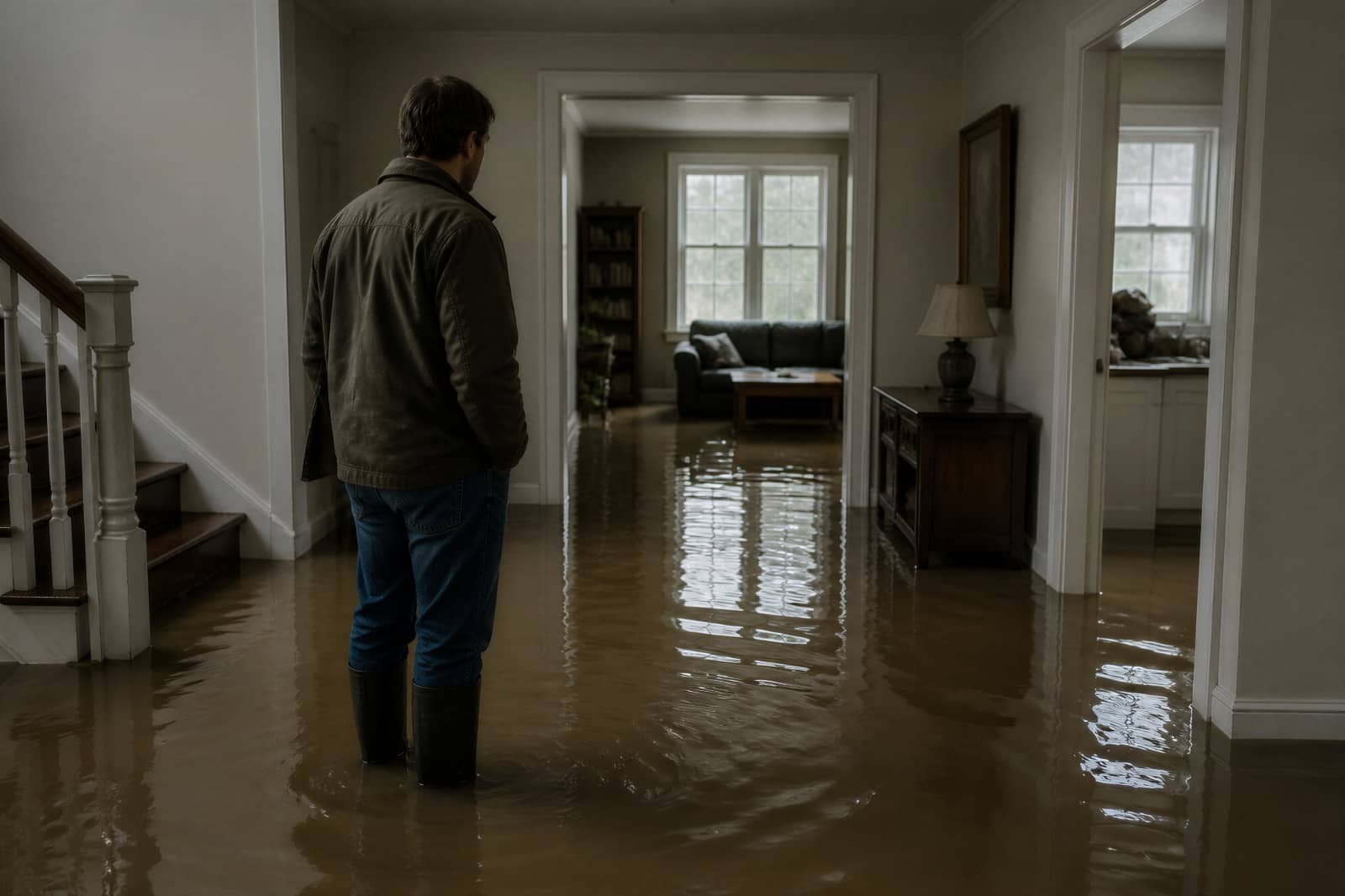
When a small moisture issue starts acting up, you need to move fast. You’ll learn how to spot hidden damage, what to do right after a leak, and how restoration teams dry, disinfect, and repair your space. You’ll also see what can go wrong if you wait too long and how to choose a qualified restorer before the situation becomes harder to manage.
Key Takeaways
- Water damage restoration removes water, dries materials, and repairs damage to restore a safe, usable property.
- Common warning signs include staining, warping, musty odors, soft drywall, and cupped or raised flooring.
- After a leak, shut off the water, document damage, avoid electrical hazards, and notify affected occupants.
- Restoration usually includes inspection, moisture mapping, water extraction, drying, cleaning, disinfecting, and removing unsalvageable materials.
- Prompt, professional help with licensed, insured technicians reduces damage, tracks moisture, and speeds recovery.
What Is Water Damage Restoration?
Water damage restoration is the process of removing water, drying affected materials, cleaning contaminated areas, and repairing damage to return your property to a safe, usable condition.
When you choose water damage restoration, you’re getting a controlled, step-by-step service that limits structural deterioration and helps preserve interior finishes, contents, and indoor air quality.
Technicians assess the affected area, extract moisture, set up professional drying equipment, and monitor progress until materials reach acceptable levels. They also address sanitation when water has introduced contaminants.
You’re not handling this alone; you’re working with a team that follows proven procedures and understands how to restore your space efficiently.
That support helps you move forward with confidence, protect your investment, and regain a secure place where you and your household belong.
How to Spot Water Damage Fast
You can spot water damage fast by checking for visible warning signs like staining, warping, peeling paint, or swelling on walls, ceilings, and floors.
You should also look for hidden moisture clues, including damp insulation, soft drywall, and elevated readings from a moisture meter.
If you notice a musty odor, act quickly, because it often signals trapped moisture and active microbial growth.
Visible Warning Signs
One of the fastest ways to spot water damage is by looking for visible changes in materials and surfaces. You may notice stains, dark rings, bubbling paint, warped baseboards, or swollen drywall. These signs usually appear where water has contacted finishes, trim, or flooring.
You should also check for discoloration on ceilings, wall corners, cabinet fronts, and around windows or plumbing fixtures. Fresh damage often looks damp, glossy, or uneven, while older damage may leave tide marks or mineral staining.
If flooring feels raised, cupped, or separated at the seams, that’s another clear warning. Trust these cues; they’re your property’s way of asking for help. When you act quickly, you protect your space, your investment, and the comfort you share with everyone inside.
Hidden Moisture Clues
Not all water damage shows up on the surface, so you’ll need to look for subtler clues like musty odors, unexplained humidity, peeling caulk, and cool or damp-feeling walls.
Check baseboards, trim joints, and cabinet backs for swelling, staining, or soft spots. Look for paint that bubbles, wallpaper that lifts, and floors that feel slightly uneven.
In attics and crawlspaces, inspect insulation for clumping or discoloration. You can also use a moisture meter to confirm suspect areas before damage spreads.
If readings stay elevated, shut off the water source if you can and contact a restoration professional quickly. Acting early helps you protect your home, reduce repair costs, and stay confident that your property’s hidden spaces are being cared for.
Musty Odor Indicators
When hidden moisture lingers, a musty odor is often one of the earliest and most reliable warning signs of water damage. You may notice it in closed rooms, under sinks, near baseboards, or inside HVAC returns.
This smell usually comes from microbial growth on damp materials, so don’t dismiss it as stale air. If the odor intensifies after rain, plumbing use, or running the air handler, you likely have an active moisture source.
Check carpeting, drywall, insulation, and cabinetry for dampness, staining, or soft spots. You belong to the group of owners who act early, and that matters.
Prompt inspection, drying, and professional restoration can limit structural damage, reduce health risks, and help your property recover faster.
What to Do Right After a Leak
First, shut off the water at the main valve to stop the leak and limit further intrusion.
Then document all visible damage with clear photos and notes, including affected walls, floors, and belongings.
These steps help you stabilize the situation and support a faster restoration process.
Shut Off Water
Immediately shut off the water supply to stop the leak from spreading and reduce the risk of structural damage, mold growth, and electrical hazards.
If you know the source, turn the nearest fixture valve clockwise; if you can’t isolate it, use the main shutoff valve for the property. In homes with a water heater, shut that valve too if the leak involves hot water lines.
Keep your footing dry and avoid standing water near outlets or appliances. If you share the building, let neighbors or occupants know so they can respond quickly.
Once the flow stops, you’ve bought time for safe assessment and professional restoration. Acting fast keeps you in control, protects your space, and helps your household stay safe while the cleanup process begins.
Document Visible Damage
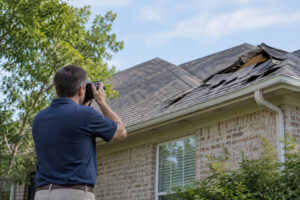
With the water source shut off, you can start documenting the visible damage right away. Use your phone or camera to take clear photos and short videos of wet floors, stained ceilings, warped baseboards, damaged belongings, and the leak’s origin.
Capture wide shots first, then close-ups that show texture, discoloration, and standing water. Note the date, time, room, and any actions you’ve taken. Keep a simple log so your insurance claim and restoration team have accurate records.
Don’t move damaged items unless they’re a safety hazard; their position can matter. If you’re part of a property community, this documentation also helps everyone understand the scope of the loss.
Precise records speed decisions, support repairs, and help you feel prepared for the next step.
What Happens During Water Damage Restoration?
During water damage restoration, technicians inspect the affected areas, stop the source of moisture if needed, and begin removing standing water as quickly as possible.
You’ll usually get a clear action plan so you know what’s happening and why it matters. The team then documents conditions, checks affected materials, and decides what can stay and what needs removal.
This process helps protect your home and keeps you informed, so you’re not facing it alone.
- Initial site assessment and safety checks
- Moisture mapping and damage classification
- Removal of unsalvageable materials and debris
You can expect careful communication at each step, with technicians explaining priorities in plain language. Their goal is to stabilize your property, limit further loss, and help you feel confident about the next phase.
How Pros Dry and Disinfect Your Home
Pros then set up targeted drying equipment to pull moisture out of walls, floors, and hidden cavities while monitoring humidity, temperature, and airflow to speed evaporation safely.
You’ll usually see air movers, dehumidifiers, and moisture meters working together so every affected area dries at the right rate.
Technicians also isolate wet zones to protect the rest of your home and keep the process efficient.
Once surfaces reach proper moisture levels, they clean and disinfect with professional-grade solutions matched to the material.
This step helps reduce microbial growth and leaves your space safer to reoccupy.
Throughout the job, you get clear updates, so you know what’s happening and why.
That’s how your team restores a healthy, stable environment with precision and care.
Common Problems After Water Damage
Even after the visible water is gone, hidden damage can keep causing problems in your home. You may notice warped flooring, stained drywall, and musty odors that signal moisture trapped in materials.
When water reaches framing or insulation, it can weaken structures and create ideal conditions for mold growth. Electrical systems can also suffer, so you shouldn’t ignore flickering outlets or tripped breakers. You’re not alone in dealing with these issues; many property owners face the same aftermath.
- Soft spots in subfloors can spread quickly
- Microbial growth may start behind walls
- Corroded metal parts can fail unexpectedly
Careful inspection helps you catch these concerns early and protect your home’s safety, comfort, and long-term value.
How Long Water Damage Restoration Takes
How long does water damage restoration take? It usually takes from a few days to several weeks, depending on the water source, material saturation, and how far moisture has spread.
If you act quickly, your team can begin extraction, drying, and monitoring within hours, which helps limit structural impact. Minor clean water events may finish in 2 to 3 days.
Larger losses, especially with soaked drywall, insulation, or flooring, often need 1 to 2 weeks or more. You’ll also need time for repairs, which can extend the timeline.
Throughout the process, technicians check moisture levels and adjust equipment until your property reaches safe dryness. With prompt, coordinated service, you’re not facing this alone, and recovery stays predictable.
How to Choose the Right Restorer?
Choosing the right water damage restorer starts with verifying that the company is licensed, insured, and experienced with your specific type of loss. You should also confirm 24/7 response, clear drying plans, and documented moisture readings.
Ask whether they use industry-standard extraction, containment, and antimicrobial treatment, because these steps reduce secondary damage and support a safer home. A dependable team will explain each phase, provide written estimates, and communicate with you in plain language. That helps you feel informed, not overwhelmed, while your property is being restored.
- Check certifications, references, and local reputation.
- Confirm direct insurance billing and photo documentation.
- Review equipment, timelines, and customer updates.
Frequently Asked Questions
Does Homeowner’s Insurance Usually Cover Water Damage Restoration?
Usually, yes—your policy often covers sudden, accidental water damage, but not gradual leaks or floodwater. You’ll want to review exclusions, document the loss, and file your claim quickly to maximize coverage.
Can I Stay in My Home During the Restoration Process?
You can stay if damage is minor; many restorations allow partial occupancy. You’ll need isolated rooms, strong drying equipment, and safe utilities. Your team will guide you, so you’ll still feel secure.
How Much Does Water Damage Restoration Typically Cost?
Water damage restoration typically costs you $1,200 to $5,000, but severe losses can exceed that. You’ll pay for extraction, drying, repairs, and mold prevention. Fast action helps you avoid bigger expenses and keeps your home safer.
What Personal Belongings Can Be Saved After Water Damage?
You can often save furniture, documents, clothing, electronics, photos, and keepsakes if you act fast. You’ll recover more when materials dry quickly, cleaners remove contaminants, and specialists evaluate structural and sentimental items carefully.
How Can I Prevent Future Water Damage in My Property?
You can prevent future water damage by inspecting plumbing, sealing cracks, cleaning gutters, maintaining grading, testing appliances, and installing leak detectors. You’ll protect your property, reduce surprises, and feel confident your home’s cared for.
Conclusion
Water damage can feel sudden and chaotic, but a clear restoration plan turns disruption into recovery. You act fast, document the loss, and call a licensed restorer; they extract water, dry hidden areas, disinfect surfaces, and verify that your home is safe. What looks like a disaster becomes a controlled process. With the right team, you’re not just removing moisture—you’re protecting structure, health, and peace of mind for the long term.