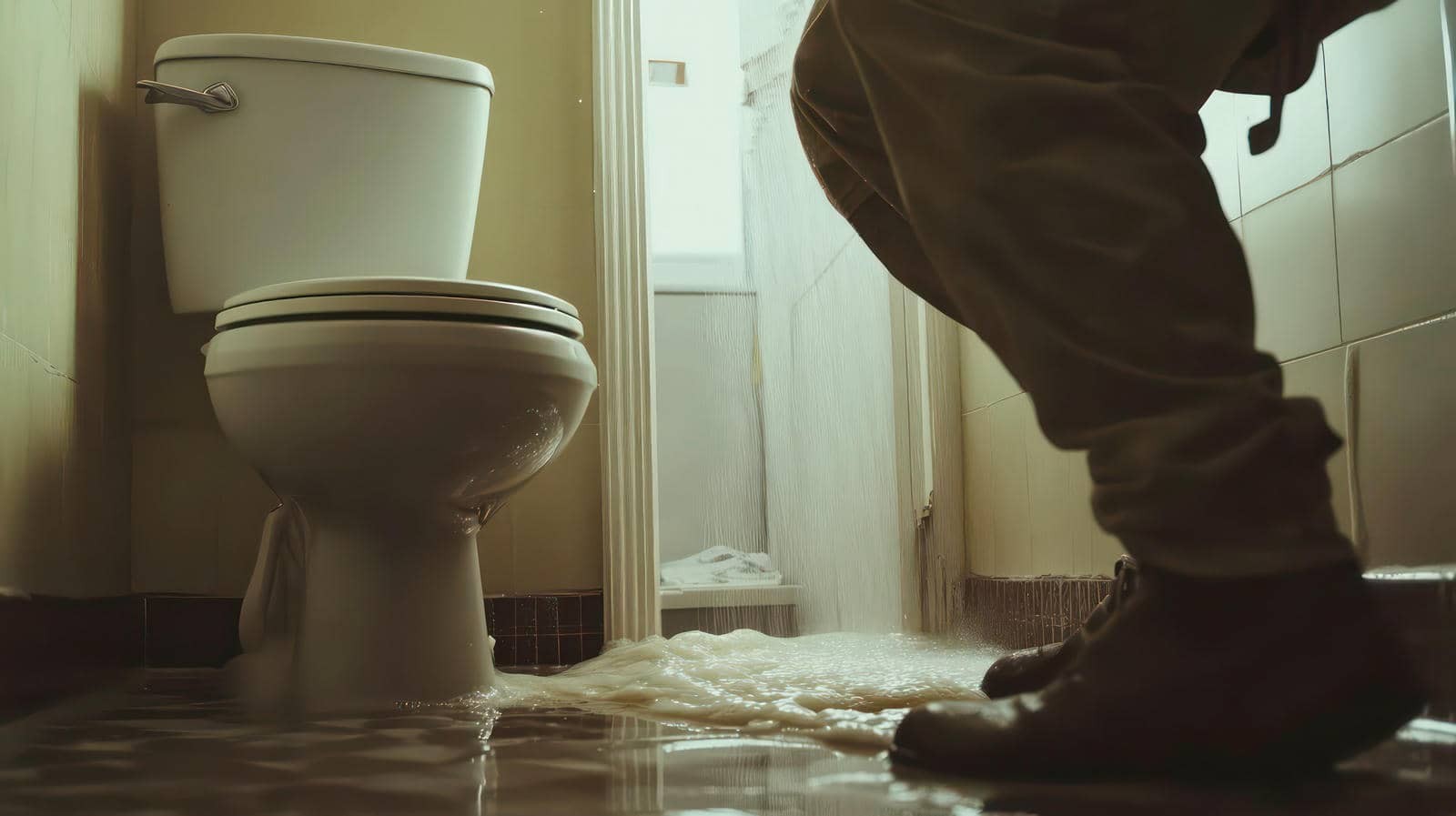
Sewage Cleanup Company services are essential when a sewage backup creates contamination risks that go beyond what is visible. Trained restoration technicians can safely isolate affected areas, remove contaminated materials, and thoroughly clean and disinfect surfaces to reduce health hazards and prevent mold growth. DIY cleanup may overlook hidden sewage residue, trapped moisture, and damage behind walls or beneath flooring, allowing problems to continue developing. A professional assessment helps identify the full extent of the damage and ensures the property is properly restored, sanitized, and safe to return to.
Key Takeaways
- They quickly contain sewage to reduce health risks and prevent contamination from spreading.
- Trained technicians safely remove waste, disinfect surfaces, and follow industry cleanup standards.
- Professionals assess the source and stop further damage before it worsens.
- They protect structural materials by removing contaminated items and drying the area fast.
- They restore air quality by controlling moisture, deodorizing, and preventing mold growth.
Why Hire a Sewage Cleanup Company?
When sewage backs up or spills into your property, hiring a sewage cleanup company helps you address the hazard quickly and correctly. You get trained technicians who assess the source, stop further spread, and restore your space with the right equipment.
They understand how a sewage system fails and how contamination moves through floors, walls, and fixtures. That expertise helps you avoid delays and limit damage to your home or business.
You also gain a clear plan for removal, cleaning, and deodorizing, so you can return to normal sooner. Because sewage creates serious health hazards, professional cleanup gives you confidence that the job’s handled to industry standards and that you’re protecting everyone who belongs in your space.
Sewage Cleanup Safety Risks
Even with professional help, sewage cleanup still carries serious safety risks that you need to understand.
Sewage exposure can trigger health hazards like infection, respiratory irritation, and skin contamination, so you shouldn’t enter the area without proper biohazard safety steps.
Trained crews use protective gear, perform a risk assessment, and follow sanitation protocols before any work begins.
These measures help limit contact with harmful microbes and reduce cross-contamination in your home or business.
You’ll also benefit from crews that understand cleanup regulations, because compliance helps keep everyone safer and supports effective pathogen removal.
When you rely on a qualified team, you’re not just getting cleanup; you’re joining a process built to protect you, your space, and the people who share it.
What Pros Remove After a Backup
After a sewage backup, you’ll first need pros to extract all contaminated water so the area can dry and hazards can be controlled.
They’ll then remove damaged materials like soaked drywall, insulation, carpet, and baseboards that can’t be safely restored.
This targeted removal helps stop contamination from spreading and sets up a proper cleanup and repair process.
Contaminated Water Extraction
Following a sewage backup, professionals quickly extract contaminated water to stop it from spreading deeper into the structure and to reduce exposure to harmful bacteria and waste.
You’re not left guessing where it’s coming from; technicians trace contaminated water sources, map the affected area, and choose extraction techniques that match the material and layout.
Using truck-mounted vacuums, submersible pumps, and wet vacs, they remove standing water from floors, cavities, and low points with precision.
This rapid response lowers moisture levels, limits aerosolized contaminants, and helps your space move toward safe recovery.
You can trust a trained team to work methodically, keep the process controlled, and protect the people who belong in your home or business.
Damaged Material Removal
Once the standing water is gone, pros remove materials that have absorbed sewage and can’t be safely cleaned, including saturated drywall, insulation, carpet padding, baseboards, and any porous contents with deep contamination.
You get an impact assessment first, so the team can separate salvageable items from structural hazards and plan precise demolition. They cut out affected sections, bag debris securely, and follow approved material disposal methods to keep contaminants from spreading through your home.
This step protects indoor air, limits odor, and helps prevent hidden mold and bacteria from lingering in wall cavities and subfloors.
You’re not left guessing; trained technicians document what they remove, explain why it has to go, and help you move toward a safer, cleaner space with confidence.
How Cleanup Companies Stop Mold
When sewage or floodwater enters a building, cleanup companies stop mold by removing moisture fast, isolating contaminated areas, and disinfecting surfaces before spores can spread.
You get a disciplined process that supports mold prevention techniques and air quality improvement from the start. Technicians inspect hidden cavities, measure humidity, and deploy industrial dehumidifiers and HEPA filtration to dry materials and capture airborne spores.
They also clean and sanitize affected structures so residue doesn’t feed growth. By controlling moisture, temperature, and contamination, they create conditions where mold can’t gain a foothold.
You’re then left with a safer space and a clearer path to recovery, while your home or business stays protected for the people who belong there.
Why DIY Sewage Cleanup Often Fails?
DIY sewage cleanup often fails because you can’t fully control contamination, drying, and disinfection without specialized equipment and training.
You may remove visible waste, but DIY pitfalls leave porous materials, joints, and underfloor spaces exposed to contamination risks. That creates health hazards for your household and prolongs odor, moisture, and microbial growth.
With insufficient training, you can miss hidden damages behind walls or beneath flooring, where sewage keeps spreading. Equipment limitations also make it hard to extract water and verify safe dryness.
Add time constraints, and you may rush cleanup before the area is stable.
When you work with professional expertise, you get a safer process, clearer recovery steps, and support that helps you feel protected, informed, and confident again.
Sewage Cleanup Equipment That Works
Effective sewage cleanup depends on equipment that can remove, contain, and disinfect contamination thoroughly. You’ll see professionals use truck-mounted extractors, submersible pumps, wet vacuums, and sealed disposal containers to control waste fast.
These sewage removal techniques limit spread and help you regain a safe, familiar space sooner. After removal, air scrubbers with advanced filtration systems capture fine particles and odors, while dehumidifiers reduce moisture that can support microbial growth.
Technicians also rely on moisture meters, pressure sprayers, and EPA-registered disinfectants to verify cleanup and sanitize affected surfaces.
When you work with the right team, you’re not facing the mess alone—you’re getting proven tools, trained support, and a clear path back to normal.
How Storms Cause Sewage Backups
When heavy rain hits, it can overload municipal sewer systems and slow wastewater flow through the lines.
If floodwater enters sewer pipes, it can push sewage back into your home or business through drains and low openings.
You can reduce damage by recognizing these conditions early and responding quickly.
Heavy Rain Overloads Systems
Heavy rain can quickly overload sewer systems by sending more water into pipes than they were designed to handle, forcing wastewater to back up into homes, businesses, and streets.
You can think of storm drainage as the first line of defense, but when runoff arrives too fast, the system reaches overload. That pressure slows flow, raises levels in the main line, and can push sewage toward low-lying fixtures and floor drains.
You’re not dealing with a random failure; you’re seeing a capacity problem that storms make worse. By recognizing the signs early, you protect your property and stay part of a community that acts fast.
A sewage cleanup company can assess the damage, contain contamination, and restore safe conditions with the right equipment and know-how.
Floodwater Enters Sewer Lines
As floodwater rises around manholes, drains, and foundation lines, it can force its way into sewer pipes through cracks, loose joints, and overloaded connections, displacing wastewater and pushing it back toward your property.
You may notice slow drains, gurgling fixtures, or odors before a full backup starts. Stormwater from nearby floodwater sources can enter the public system, especially when the network is saturated, and that extra volume raises pressure in your lateral line.
Good sewer line maintenance helps you reduce weak points, but storm damage can still overwhelm even well-kept pipes.
If you spot rising water or sewage indoors, act fast and contact a cleanup team that understands your situation. They’ll help you restore safety, protect your space, and get your home back to normal.
What to Expect From Emergency Sewage Cleanup
A sewage emergency demands fast, controlled action, and a professional cleanup crew will usually begin with an immediate site assessment, containment of the affected area, and removal of standing wastewater.
You’ll get an emergency response that prioritizes safety, maps contamination, and sets a clear work plan. Technicians then identify materials that can’t be salvaged, apply disinfectants, and use specialized extraction and drying equipment.
They’ll wear protective gear, monitor air quality, and explain each step so you’re never left guessing. This process helps reduce health risks from bacteria, viruses, and airborne contaminants.
You can expect updates, documentation, and guidance on when it’s safe to reenter. When your space is treated with care, you’re not dealing with this alone—you’re working with a team that knows how to restore control.
How Sewage Cleanup Protects Your Home
Sewage cleanup stops contamination from spreading by removing waste, disinfecting affected areas, and containing contaminated materials before they reach other rooms.
It also helps prevent structural damage by extracting moisture quickly and drying hidden spaces that can weaken flooring, walls, and subfloors.
As cleanup continues, it restores healthier air by reducing odors, airborne bacteria, and other pollutants that can affect your home’s indoor environment.
Stops Contamination Spread
Containment starts the moment a sewage cleanup team arrives, because quick isolation prevents contaminated water from spreading into drywall, flooring, insulation, and other hidden spaces.
You’re protected by controlled entry, sealed work zones, and negative-air practices that keep contamination sources from migrating through your home.
Technicians map the affected area, remove standing waste, and apply prevention methods that limit aerosolized particles and cross-contact with clean surfaces.
This fast response helps you stay safer while reducing exposure to bacteria, viruses, and unpleasant odors.
You can feel confident knowing the team treats every step as part of a larger containment plan, designed to stop contamination at the source and keep your household connected to a clean, healthier environment.
Prevents Structural Damage
Once the contaminated area is isolated, the next priority is protecting your home’s structure from long-term harm. Sewage cleanup teams remove soaked materials, extract standing water, and dry framing before moisture can weaken wood, drywall, and subfloors.
You get faster control of water damage, which helps limit swelling, warping, and hidden decay behind walls or under flooring. Technicians also inspect load-bearing areas, seal exposed surfaces, and document any compromised structural integrity so you know what needs repair.
That matters because even small delays can let contamination keep breaking down building materials. When you work with a skilled crew, you’re not just cleaning a mess—you’re joining a response that safeguards your home, preserves its value, and keeps your space stable for the long term.
Restores Healthy Air
Fresh filtration and thorough deodorization help return your home’s air to a safer, more breathable state after a sewage event. You’re not just removing visible waste; you’re also reducing airborne contaminants, moisture, and odor-causing gases that can linger in ducts, fabrics, and wall cavities.
A sewage cleanup company uses targeted extraction, HEPA filtration, and antimicrobial treatment to improve air quality and limit the spread of bacteria and mold spores. That means you and your family can breathe easier and stay more comfortable during recovery.
These health benefits matter when you want your home to feel like a secure place again. With professional cleanup, you restore a cleaner indoor environment and reestablish the sense of belonging your household deserves.
Choosing the Right Sewage Cleanup Company
Check credentials and compliance records.
Review equipment, PPE, and containment methods.
Compare response times, cleanup scope, and communication.
When you choose a company that follows strict protocols, you protect your home, your health, and your peace of mind.
You’re not facing this alone; the right crew will guide you through restoration with clarity, respect, and steady support from start to finish.
Frequently Asked Questions
How Long Does Sewage Cleanup Usually Take?
Sewage cleanup usually takes a few hours to several days, depending on sewage cleanup duration and factors affecting cleanup like contamination level, affected materials, and drying time. You’ll get a safer, faster restoration with professional help.
Does Insurance Cover Professional Sewage Cleanup?
Yes, your insurance often covers professional sewage cleanup, but it depends on your insurance policies and coverage limits. You’ll want to review exclusions, document damage quickly, and contact your adjuster for approval.
Can Sewage Damage Hardwood Floors Permanently?
Yes, sewage damage can permanently warp your hardwood floors—like a silent thief, it seeps in. You’ll need prompt hardwood restoration, because sewage contamination can stain, swell, and weaken boards beyond repair.
Are Pets Safe During Sewage Cleanup?
No, you shouldn’t keep pets near sewage cleanup. You need strict pet safety and cleanup precautions, so you should isolate animals, ventilate areas, and wait until professionals finish disinfection before they return home safely.
Should I Leave Home During Cleanup?
Yes—you should leave home during cleanup; one sewage incident can expose you to toxic exposure and health risks. You’ll stay safer, and you’ll help crews work faster, restoring your home and peace of mind.
Conclusion
When you hire a sewage cleanup company, you protect your home and your health from contamination that can spread like wildfire. Their technicians assess the damage, remove waste, disinfect affected areas, and help prevent mold growth before it takes hold. You also get fast emergency response and a clear cleanup plan, so you’re not left guessing. For safe, thorough restoration, professionals give you the expertise and peace of mind you need.