After a storm, you need to act fast because hidden damage can put your home and safety at risk. Standing water, loose debris, and broken materials can lead to slips, electrical hazards, and mold if you wait too long. Quick cleanup also helps protect your property, support insurance claims, and limit costly repairs. Knowing what to look for next can make all the difference.
Key Takeaways
- Storm damage cleanup prevents slips, electrical hazards, and other immediate safety risks.
- Fast removal of water and debris reduces mold growth and further structural damage.
- Early cleanup protects belongings, saves salvageable materials, and limits repair costs.
- Prompt action helps remove contamination from sewage or floodwater before it spreads.
- Quick, documented cleanup supports insurance claims and speeds restoration.
What Storm Cleanup Prevents Immediately
Storm cleanup helps you prevent immediate hazards by removing debris, water, and damaged materials before they cause more trouble. You protect your family from slips, trips, electrical risks, and pests when you act quickly.
Prompt debris removal also keeps broken glass, loose shingles, and fallen branches from creating new damage around your home. When you dry affected areas early, you lower the chance of mold starting and spreading.
Fast action can also support insurance claims, since clear documentation shows you responded responsibly. You don’t have to handle everything alone; trusted cleanup help can guide you through the first steps and give you peace of mind.
Signs Your Home Needs Storm Cleanup
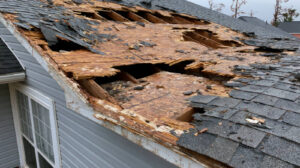
After a storm passes, you can often spot clear signs that your home needs cleanup right away. You don’t have to guess; look for storm indicators that point to damage and a needed damage assessment.
- Broken shingles or missing siding
- Fallen branches on roofs or gutters
- Mud, debris, or stains near entry points
- Musty odors, cracked windows, or interior leaks
If you notice any of these, act quickly and stay safe. You’re not alone in this—many homeowners face the same stress after severe weather.
A careful cleanup helps you protect your space, reduce further harm, and restore comfort sooner. Trust what you see, document everything, and contact a qualified team when the damage feels beyond what you can handle.
Why Fast Water Removal Matters Most
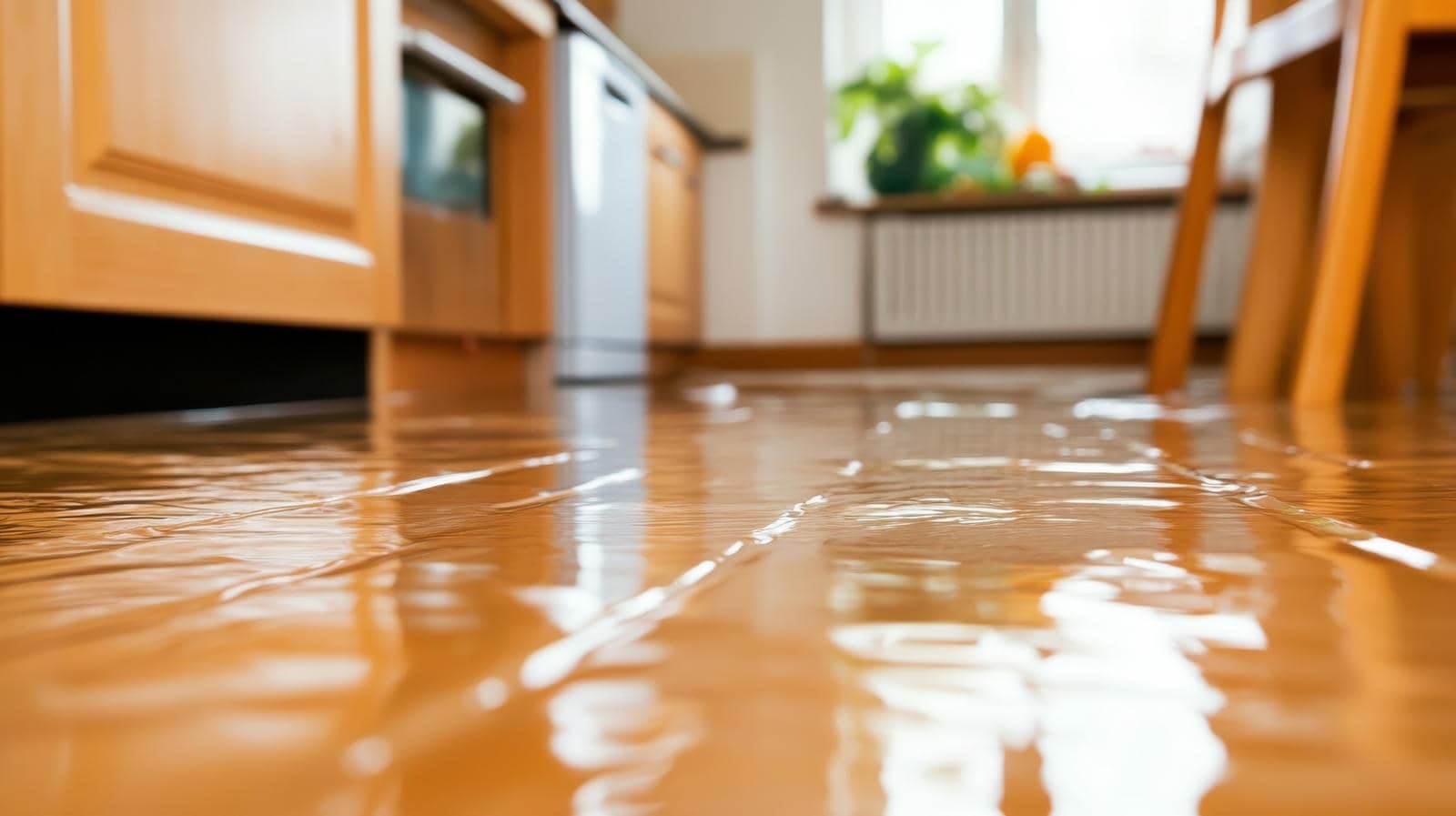
When water shows up after a storm, quick removal can make the biggest difference in how much damage your home suffers. You protect your space by acting fast, because standing water seeps into floors, walls, and belongings sooner than you might expect.
That’s why water extraction techniques matter: they help remove moisture before it spreads and creates bigger problems for your household. The rapid response importance is clear when you want to keep your home livable and your family comfortable.
You don’t have to face the mess alone, either. With prompt action and the right help, you can reduce stress, limit damage, and start feeling like your home is yours again.
Storm Cleanup Steps That Protect Your Home
A smart cleanup plan helps you protect your home, cut down on further damage, and get recovery moving faster. Start by checking hazards, wearing gloves, and documenting damage before you move anything.
Then remove standing water, discard ruined items, and dry salvageable surfaces with fans and open windows. These cleanup techniques work best when you act quickly and stay organized.
- Shut off power if water reaches outlets
- Sort belongings into keep, clean, or toss piles
- Clear gutters and drains to prevent backups
- Take photos for insurance and repair planning
Use preventive measures like tarps, boards, and temporary seals to block more rain and wind.
When you work step by step, you’ll feel more in control, and your home can begin bouncing back with less stress and fewer surprises.
How Storm Damage Leads to Mold
When storm water gets into your home, it can soak drywall, flooring, and insulation, creating the damp conditions mold needs to spread.
You usually have a short window to dry things out, because mold can start growing within 24 to 48 hours.
Acting quickly after cleanup helps you limit damage and protect your home.
Water Intrusion Risks
After a storm, even small leaks can let water seep into walls, ceilings, insulation, and flooring, creating the perfect conditions for mold to grow. You may not notice the hidden water damage right away, but you can act fast to protect your space and your peace of mind.
Check attics, basements, and closets for damp spots
Dry wet materials with fans and dehumidifiers
Remove soaked items that trap moisture
Use prevention strategies, like sealing cracks and clearing drains
When you inspect early, you help your home recover with less stress and fewer surprises.
You’re not alone in this process; many homeowners face the same risks after severe weather. A quick response helps you reduce moisture, limit damage, and keep your home feeling safe, dry, and welcoming again.
Mold Growth Timeline
Even a small amount of storm-related moisture can start mold growth fast, so the clock matters once water gets inside. In just 24 to 48 hours, spores can settle, feed, and spread through the mold lifecycle on drywall, carpet, and framing.
You may notice a musty odor first, then spots, staining, or soft surfaces. If you act quickly, you can protect your home and your people. Remove standing water, dry hidden areas, and open airflow as soon as it’s safe.
Check behind furniture, under flooring, and inside walls, because damp pockets keep mold going. Strong prevention strategies include prompt cleanup, dehumidifiers, and fixing leaks before they return.
You’re not alone in this—fast action helps you stay ahead of damage.
How Mold Remediation Fits Into Cleanup
Once storm debris is cleared, mold remediation often becomes the next critical step because hidden moisture can quickly lead to growth behind walls, under flooring, and inside insulation.
You can protect your home by acting fast, checking damp areas, and choosing proven remediation methods that fit the damage. A trained team can identify mold types, contain spread, and remove affected materials before the problem grows.
- Inspect hidden spaces early
- Dry materials thoroughly
- Replace porous items when needed
- Monitor for lingering odors or spots
When you handle cleanup in order, you’ll feel more in control and less alone. Each step supports a safer, healthier space for you and your family.
Why Sewage and Floodwater Need Extra Care
When sewage or floodwater enters your home, you’re facing more than a mess—you’re also dealing with bacteria, chemicals, and other health risks that can linger in hidden places.
You can’t always see contamination in carpets, drywall, or HVAC systems, so thorough cleanup matters.
If you handle it with the right protection and safe procedures, you can reduce the danger and restore your space more confidently.
Health Risks Explained
Sewage and floodwater can carry bacteria, viruses, chemicals, and other contaminants that can make you sick fast, so you need to treat every exposed surface and item with caution.
When you clean up, you protect yourself and everyone nearby from health hazards that can spread through cuts, contact, or airborne particles. If you breathe in dried residue or moldy debris, you may notice respiratory issues like coughing, wheezing, or throat irritation.
Stay connected with your cleanup crew, wear gloves and a mask, and wash up often. Trust your team, work steadily, and don’t rush risky tasks.
- Keep kids and pets away
- Open windows for fresh air
- Bag contaminated items right away
- Seek medical help if symptoms appear
Hidden Contamination Sources
Beyond the immediate health risks, sewage and floodwater often leave behind contamination you can’t see at first glance. You may think a surface looks dry and safe, but hidden hazards can linger in carpets, drywall, and soft furniture.
These contamination sources often include bacteria, viruses, and chemicals carried in from streets, drains, and backed-up systems. Even a small amount can spread through your home and affect the air you breathe.
If you’re dealing with storm damage, remember you’re not alone; many people face the same invisible mess. Paying attention to these hidden hazards helps you understand why sewage and floodwater need extra care and why fast, informed action matters for your space and your peace of mind.
Safe Cleanup Procedures
Because sewage and floodwater can carry bacteria, chemicals, and other hidden hazards, you need to treat cleanup as a safety task, not just a mess to wipe away.
Put on safety gear before you enter, including gloves, boots, and eye protection. Open windows when you can, and keep kids and pets away.
- Shut off power to wet areas first.
- Remove standing water, then start debris removal.
- Bag contaminated items and seal them tightly.
- Disinfect hard surfaces with approved cleaners.
You’re not alone in this; steady steps protect your home and your people.
If water reached insulation, drywall, or food, throw those items out. Wash your hands well, and watch for dizziness, nausea, or skin irritation.
If cleanup feels overwhelming, call trained help.
What Delaying Storm Cleanup Can Cost You
When storm debris sits too long, small problems can turn into expensive damage fast. You may face financial implications from soaked materials, broken fixtures, and hidden moisture that spreads behind walls.
Delays can also lead to long term damages, like warped flooring, mold growth, and weakened structures that take more time and money to restore. The longer you wait, the more likely you’re to lose items you could’ve saved and to deal with insurance headaches later.
Acting quickly helps you protect your home, your budget, and your peace of mind. You’re not alone in this process; a prompt cleanup gives you a clearer path forward and helps your property recover before damage gets worse.
When to Call Emergency Storm Cleanup
Knowing the cost of waiting makes it easier to spot the moments that call for immediate help.
Call emergency storm cleanup when you see active leaks, fallen trees blocking access, exposed wiring, soaked ceilings, or damaged roofs. You don’t need to handle it alone; your safety matters, and quick action helps you feel back in control.
Good cleanup timing can keep small problems from spreading through your home and belongings. If conditions feel unstable, trust that instinct and request emergency response right away.
- Water entering living spaces
- Structural damage or sagging areas
- Downed power lines nearby
- Heavy debris creating hazards
How Restoration Pros Speed Recovery
Restoration pros speed recovery by taking fast, organized steps that stop damage from getting worse and get your home stable again.
You’ll see them inspect the site, remove standing water, dry hidden moisture, and protect your belongings before mold can spread. They use storm recovery strategies that match your home’s needs, so you’re not left guessing what comes next.
With restoration technology advancements like moisture meters, air movers, and thermal imaging, they find damage you might miss and fix it faster.
You also get clear updates, which helps you feel included and confident during a stressful time.
Frequently Asked Questions
How Soon Should Storm Cleanup Begin After the Weather Clears?
You should begin storm cleanup as soon as the weather clears and conditions are safe. A quick storm cleanup timeline helps protect post storm safety, prevent more damage, and lets you feel supported fast.
Does Homeowner’s Insurance Cover Emergency Storm Cleanup Services?
Yes, your homeowner’s policy often covers emergency services for storm damage cleanup, but insurance coverage varies. Check your deductible, document damage, and call your insurer quickly; you’re not alone, and help’s likely available.
Can Storm Damage Affect Electrical Systems Hidden Inside Walls?
Yes, storm damage can affect electrical systems hidden inside walls, creating hidden hazards you might not see. You should treat your home carefully, prioritize electrical safety, and call a licensed electrician to inspect things quickly.
What Items Should Be Thrown Away After Floodwater Exposure?
You should throw away soaked food, medicine, cosmetics, mattresses, insulation, and anything porous after floodwater exposure. These contaminated items carry floodwater hazards, so bag them up, discard them quickly, and don’t feel alone.
How Do Professionals Document Storm Damage for Insurance Claims?
You’ll document storm damage with a damage assessment, detailed photos, videos, measurements, and itemized notes, then organize insurance documentation and receipts. You can also date everything, list losses clearly, and share it promptly with your insurer.
Wrap-Up
Storm damage cleanup matters because you need to act fast to protect your home, your health, and your peace of mind. When you remove water, debris, and damaged materials quickly, you cut the risk of mold, leaks, and costly repairs before they snowball into a disaster of biblical proportions. If you spot serious damage, don’t wait—call cleanup pros right away so you can recover safely and get life back on track.