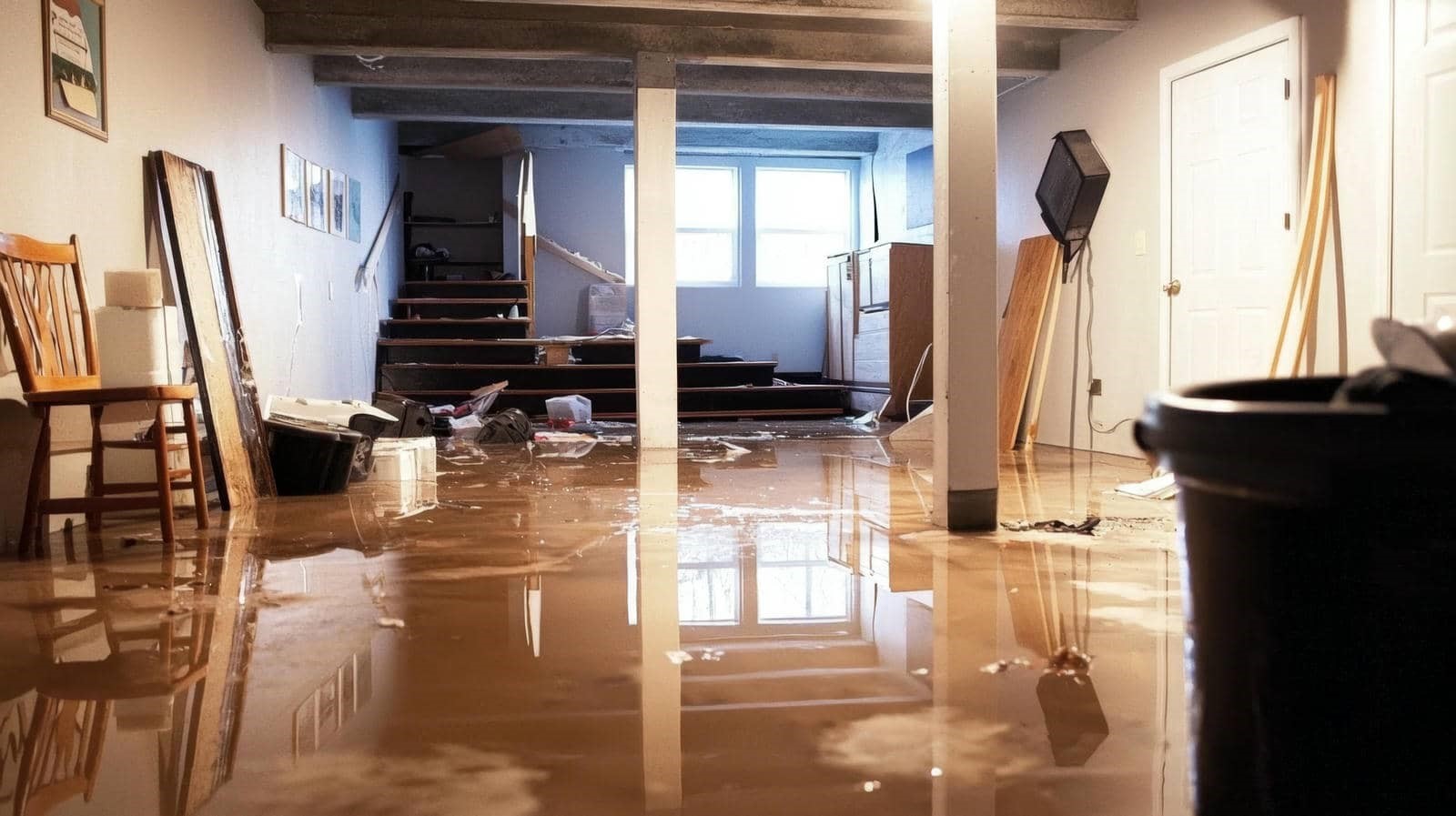
Flooded Home situations require immediate action because every hour can increase the risk of structural damage, mold growth, and costly repairs. Start by addressing safety hazards, including electrical risks and potential sewage contamination, before removing standing water and beginning the drying process. Protect salvageable belongings, use proper drying equipment, and monitor moisture levels in walls, flooring, and framing to prevent hidden damage. Taking the right steps within the first 24 hours can reduce restoration costs, limit mold growth, and improve the chances of a successful recovery.
Key Takeaways
- Fast restoration limits water soaking into drywall, insulation, carpets, and wood before damage spreads.
- Quick drying helps stop mold growth, which can begin within 24 to 48 hours.
- Rapid cleanup protects structural elements like joists, sill plates, and subfloors from weakening.
- Early action reduces electrical, sewage, and hidden moisture hazards that threaten health and safety.
- Prompt professional help can prevent minor flood damage from becoming a costly full rebuild.
Why Flood Damage Worsens So Quickly
When floodwater enters your home, damage starts immediately because water moves quickly into porous materials like drywall, insulation, wood framing, and flooring.
You’re dealing with flood dynamics that keep feeding water deeper through capillary action, gravity, and pressure differences.
As surfaces stay wet, moisture retention rises in hidden cavities, and that trapped water can spread behind walls and under finishes before you notice it.
Warm indoor conditions speed microbial growth, metal corrosion, and swelling, so the longer you wait, the more materials lose structural integrity.
You’re not alone in facing this; fast action protects your home and your recovery.
Every hour matters because wet materials change chemistry, stiffness, and odor, making restoration harder and more costly.
What to Dry Out First
Start with anything that can trap moisture or lose strength fast: wet carpet and padding, soaked drywall, insulation, baseboards, and upholstered furniture.
Next, sort flooded items by material and risk. Pull out textiles, paper goods, and portable electronics first, then move on to wood furniture and removable decor. You’ll protect the items that can still be saved and reduce odor, staining, and mold growth.
Use drying techniques that match the material: air movement for fabrics, dehumidification for porous surfaces, and controlled heat only when recommended.
Keep salvaged pieces separated so you can inspect them fully. If something feels saturated through the core, set it aside for professional evaluation.
Acting fast helps you stay organized, preserves what matters, and keeps your recovery crew working together.
How to Protect Your Home’s Structure
Once standing water is out, you need to protect the structure before hidden damage spreads through framing, subfloors, and wall cavities. You should inspect load-bearing walls, joists, and sill plates for swelling, cracking, or movement, then schedule a foundation assessment if you notice settling.
Open wet cavities so airflow can reach trapped moisture, and remove insulation that holds water against framing. Install temporary moisture barriers where vapor can migrate from damp slabs or crawlspaces. Use dehumidifiers and targeted heat to keep drying balanced, not aggressive.
Work as a team, document changes, and keep each area isolated until materials stabilize.
- Check for bowed members and fastener failure.
- Seal exposed soil in crawlspaces quickly.
- Verify moisture levels before closing assemblies.
How to Save Furniture and Belongings
After you’ve stabilized the structure, move quickly to salvage furniture and belongings before mold, corrosion, and staining set in.
Begin with a belongings assessment: photograph each item, note waterline, materials, and damage level, then sort into salvage, clean, and discard groups.
Remove cushions, drawers, and loose parts to speed drying. For wood pieces, wipe surfaces, elevate legs, and circulate air beneath them; for upholstered items, blot excess moisture and keep fabric taut.
In furniture restoration, avoid heat guns and direct sun, which can warp finishes and set stains.
Lift rugs, books, and electronics from the floor, then dry them separately on clean racks or absorbent pads.
Label boxes clearly so your team can track what’s been saved, cleaned, and returned.
How to Reduce Sewage and Health Risks
When floodwater contains sewage, treat every affected area as contaminated and restrict access immediately. You should wear gloves, boots, and a fitted mask before you enter, then shut off HVAC to limit airborne spread.
Remove standing water with pumps or wet vacs reserved for contaminated zones, and bag porous debris for disposal. Disinfect hard surfaces with an EPA-registered product after cleaning off silt, because dirt reduces effectiveness. Keep children, pets, and neighbors out until you’ve confirmed the space is safe.
- Mark contaminated rooms so everyone in your household knows the boundary.
- Wash hands, tools, and gear after each task to cut health hazards.
- Call licensed pros if sewage contamination reaches wiring, wells, or a crawlspace.
How to Stop Mold Before It Spreads
Stopping mold starts as soon as you’ve removed sewage and standing water, because damp materials can begin growing mold within 24 to 48 hours.
You should isolate affected rooms, open windows if weather allows, and run dehumidifiers and fans to speed drying.
Remove wet drywall, insulation, carpet, and porous contents you can’t fully dry.
Clean hard surfaces with detergent and water, then dry them completely.
Use moisture control methods to keep indoor humidity low and check hidden spaces such as under sinks, behind baseboards, and inside closets.
Follow mold prevention techniques by sealing leaks, improving airflow, and monitoring damp spots daily.
When you act quickly and methodically, you protect your home and support everyone who lives there.
How Early Cleanup Lowers Restoration Costs
If you start cleanup quickly, you limit moisture exposure and reduce the chance of mold growth, which cuts down on later remediation costs.
Fast extraction and drying also help protect framing, drywall, and subflooring from structural damage.
The earlier you act, the fewer materials you’ll need to replace and the lower your total restoration bill should be.
Mold Growth Prevention
Mold can start developing within 24 to 48 hours after flooding, so quick cleanup is one of the most effective ways to limit damage and lower restoration costs. When you act fast, you reduce spores, protect indoor air quality, and keep your home safer for everyone in it.
Use mold prevention strategies that include removing wet materials, drying surfaces, and disinfecting affected areas. Pair them with moisture control techniques such as dehumidifiers, airflow, and leak checks to stop hidden dampness.
- Inspect closets, corners, and under sinks first.
- Remove soaked items before they feed growth.
- Verify dryness with meters, not guesswork.
You’re not just cleaning; you’re protecting your household’s shared space and preventing recurring expenses.
Structural Damage Reduction
Fast cleanup doesn’t just limit mold; it also reduces structural damage by keeping water from soaking deeper into framing, subfloors, insulation, and drywall.
You protect load-bearing members before swelling, warping, and delamination start driving repair costs higher. By removing standing water, drying cavities, and using targeted moisture control, you help preserve foundation integrity and stop hidden deterioration that can spread behind walls and under flooring.
That means fewer replacements, less demolition, and a shorter restoration timeline. When you act quickly, you’re not just saving materials—you’re protecting the stability of your home and joining the group of homeowners who recover faster, smarter, and with less expense.
Early action keeps your structure sound and your restoration plan manageable.
Flooded Home Mold Removal Steps
Before you start cleaning, shut off the water source, remove standing water, and open up the affected area so surfaces can dry quickly.
Wear gloves, goggles, and an N95 respirator, then discard porous items that stayed wet too long.
Scrub hard surfaces with soap and water, then apply effective disinfectants according to label contact times.
Use mold removal techniques that target visible growth, including HEPA vacuuming after drying and wiping with damp cloths to limit spores.
Keep humidity low with fans and dehumidifiers, and monitor hidden areas behind baseboards, under cabinets, and around vents.
- Dry fast to break the mold cycle.
- Clean methodically to protect your household.
- Stay consistent so your home feels safe again.
When to Call Restoration Pros
If the water has soaked walls, subfloors, insulation, or HVAC components, you should bring in restoration pros right away, since hidden moisture can spread damage even after visible surfaces look dry.
You also need help if flood timing shows more than 24 hours of saturation, if the waterline reached outlets, or if you smell musty odors after drying.
Certified crews use meters, thermal imaging, and controlled extraction to verify what you can’t see. They’ll isolate contaminated materials, protect salvageable finishes, and reduce secondary losses.
When restoration urgency is high, you’re not overreacting—you’re joining a smart, prepared response team.
Call fast if structural movement, electrical risk, or sewage exposure is involved, because delayed cleanup can turn a manageable event into a major rebuild for your household.
Frequently Asked Questions
How Long Does Floodwater Stay Dangerous After the Storm?
Floodwater stays dangerous for days or longer after the storm, and you shouldn’t assume it’s safe once it recedes. You face floodwater toxicity and health risks from sewage, chemicals, and bacteria until professionals test it.
Can I Use Fans Before Electricity Is Fully Inspected?
No, you shouldn’t use fans yet; hidden electrical hazards can energize wet wiring. You might think airflow helps, but fan safety comes second. Wait for full inspection, then dry only cleared areas safely.
Should Insurance Claims Start Before Cleanup Begins?
Yes, you should start your insurance claim before cleanup begins. You’ll protect insurance timelines, document damage, and align cleanup priorities. Contact your insurer first, then photograph everything and save damaged materials for adjusters.
What Personal Items Need Immediate Digital Backup?
Back up photos, videos, scans, and documents first, especially family heirlooms records, IDs, deeds, and financial files. Save them to digital archives in the cloud and on an external drive so you don’t lose irreplaceable memories.
How Do I Document Flood Damage for a Claim?
Document flood damage with a flood damage assessment: photograph every affected room, list damaged items, note dates, and save receipts. Follow claim documentation tips, keep originals, and submit organized records promptly so you’ll strengthen your claim.
Wrap-Up
When you restore a flooded home fast, you’re like a captain patching a hull before the sea fills the ship. You dry the structure first, then protect furniture, stop sewage risks, and cut off mold before it spreads. Quick action keeps damage from traveling through walls, floors, and air. It also lowers repair costs and protects your health. If the water’s dirty, deep, or persistent, don’t wait—call restoration pros right away.