When water damage hits, mold can begin colonizing hidden surfaces before you notice the first stain. Mold remediation after water damage is important because damp drywall, framing, and insulation can support growth quickly, allowing spores and contamination to spread through the structure. If you’re seeing musty odors, discoloration, or warped materials, the problem may already be advancing, and what technicians remove first can determine how far it goes.
Key Takeaways
- Mold can start growing on wet porous materials within 24 to 48 hours after water damage.
- Hidden moisture in walls, floors, and insulation can keep mold growing even after surfaces look dry.
- Mold spreads quickly through airborne spores and HVAC systems, affecting more of the home.
- Remediation removes contaminated materials and dries the area to stop further growth.
- Fast action protects indoor air quality and helps prevent health problems and costly repairs.
Why Mold Starts After Water Damage
When water damage isn’t dried out quickly, mold can start growing on porous materials within 24 to 48 hours. You create favorable conditions for spores when moisture remains in drywall, wood, insulation, or carpet backing.
These materials hold water deep inside their structure, and surface drying won’t fully stop microbial growth. You should inspect hidden cavities, because trapped humidity can keep feeding colonies after the visible leak is gone.
Mold remediation after water damage targets the source, removes contaminated material when needed, and restores dry conditions before growth spreads.
You protect your property and your peace of mind by acting fast, documenting affected areas, and using professional drying and treatment methods that match the damage severity and your space’s needs.
How Fast Mold Spreads Indoors
Once mold takes hold indoors, it can spread quickly through damp materials and airborne spores, moving from a small affected area to adjacent rooms if moisture and temperature remain favorable.
You may see growth expand within 24 to 48 hours after water intrusion, especially on drywall, carpet, insulation, and wood.
Airflow, HVAC operation, and hidden cavities can distribute spores beyond the original wet zone, so you shouldn’t assume containment by appearance alone.
Warm temperatures and relative humidity above 60% accelerate colonization, while porous surfaces retain moisture and feed growth.
If you act fast, you help limit structural damage and reduce the chance that your team or household shares the same indoor air with an enlarging contamination source.
Signs You Need Mold Remediation
How do you know moisture has already turned into a mold problem? You can spot it through persistent clues that don’t fade after drying.
- A musty odor lingers in closets, walls, or HVAC air, even when surfaces look dry.
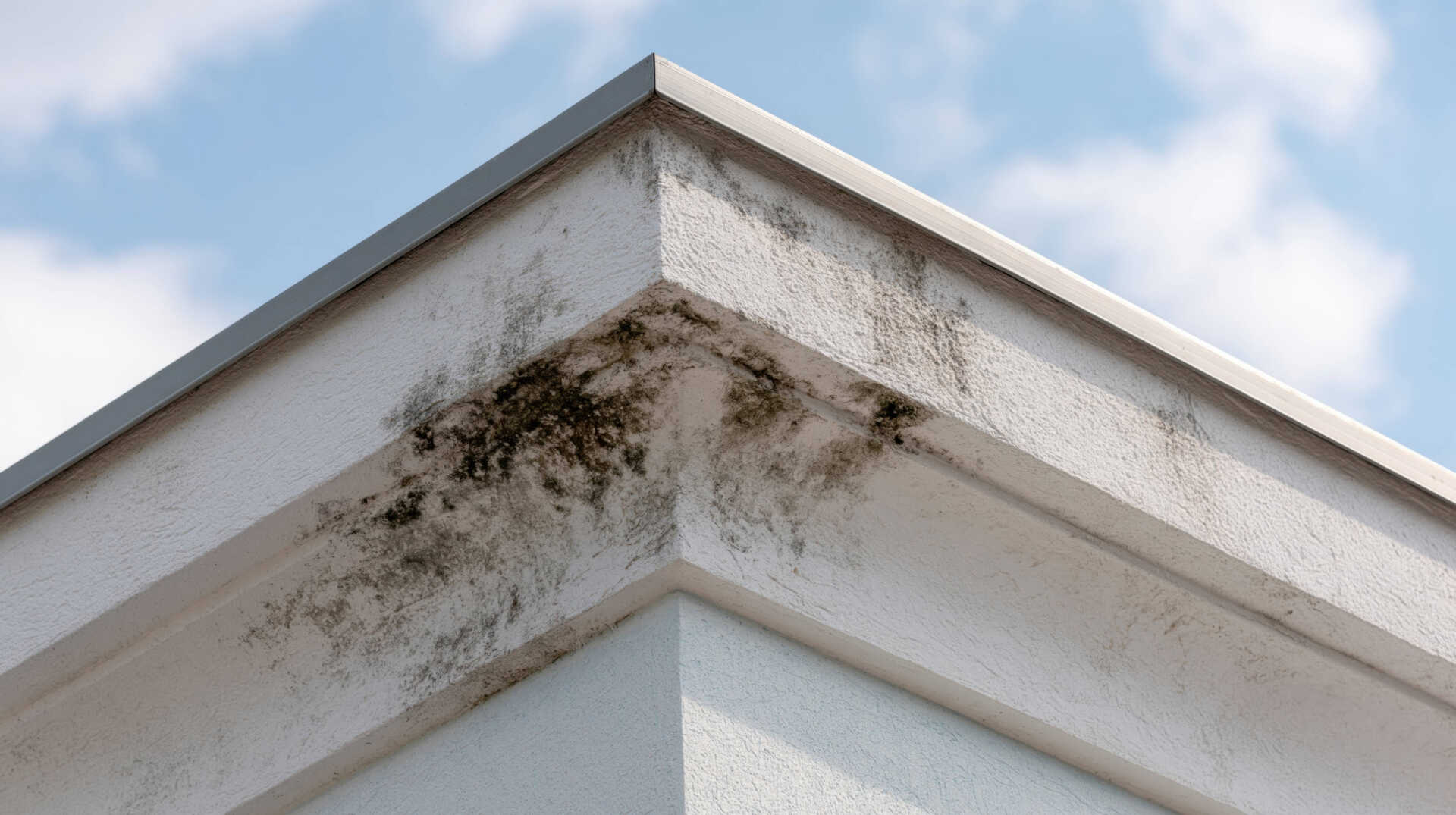
- You see discoloration, staining, or fuzzy growth on drywall, baseboards, ceilings, or grout.
- You notice worsening allergy symptoms, coughing, or headaches when you spend time indoors.
- Materials stay warped, swollen, or soft, showing hidden moisture that supports colonization.
If these signs appear, you’re not overreacting—you’re protecting your home and the people in it.
Prompt mold remediation helps you limit spread, reduce exposure, and restore a healthier indoor environment before damage becomes harder to control.
What Mold Remediation Technicians Do
Mold remediation technicians start by identifying the source of moisture, confirming the extent of contamination, and mapping affected materials so they can create a targeted removal plan.
You’ll see them set containment, use negative air controls, and protect adjoining rooms with sealed barriers. They remove porous items that can’t be cleaned, clean salvageable surfaces with approved methods, and document each step for your records.
They also inspect hidden cavities, verify that debris is cleared, and coordinate with you so you know what’s happening at every stage. Their work follows industry protocols, limits cross-contamination, and restores a safe, stable environment for your home or business.
Why Fast Drying Helps Stop Mold
Fast drying matters because moisture gives mold the conditions it needs to germinate and spread, often within 24 to 48 hours after water damage.
When you act quickly, you lower humidity, limit surface growth, and protect materials before spores colonize. Your team can use targeted airflow, dehumidification, and temperature control to stabilize the environment.
- Extract standing water fast.
- Increase air movement across wet areas.
- Run dehumidifiers until materials reach safe moisture levels.
- Inspect hidden cavities so you catch dampness early.
This approach helps you stay ahead of contamination and keeps your property in the community of clean, healthy spaces.
Fast drying doesn’t just save materials; it supports effective remediation and reduces the chance of recurring mold.
Frequently Asked Questions
How Much Does Mold Remediation Typically Cost?
You’ll typically pay $1,500 to $6,000 for mold remediation, though minor jobs can cost less and extensive contamination can exceed $10,000. Your final price depends on area size, materials affected, and hidden moisture sources.
Does Homeowners Insurance Cover Mold Removal?
Yes, your homeowners insurance may cover mold removal, but only if a covered peril caused the damage. You’ll need quick inspection, fast drying, and documented treatment, or you could face costly denials when you least expect them.
Can I Stay in My Home During Remediation?
You can stay home during remediation if the affected area’s isolated, ventilation’s controlled, and you’re not sensitive to mold. For larger jobs, you’ll usually need temporary relocation until drying and clearance testing finish.
How Long Does the Remediation Process Take?
You’ll usually spend 1 to 7 days, like a race car pit stop: fast drying, inspection, removal, and treatment all move together. Your home’s size, moisture levels, and hidden damage’ll extend or shorten the schedule.
Should I Test for Mold Before Starting Repairs?
Yes, you should test first if moisture lingered over 24 to 48 hours. You’ll confirm contamination, guide repairs, and avoid hidden spread. Use a qualified inspector, then dry, clean, and remediate accordingly.
Summary
When water damage hits, you don’t just face wet surfaces—you face a race against mold. Because mold can start growing within 24 to 48 hours, the coincidence of delayed drying and hidden moisture often turns a small leak into a bigger problem. If you act fast, remove affected materials, and dry the structure thoroughly, you can stop spores from spreading, protect indoor air quality, and keep your home safer, cleaner, and structurally sound.