
When a hurricane strikes, the aftermath can be overwhelming. You might face extensive damage that requires immediate attention and a strategic approach to restoration. Choosing the right techniques isn’t just about fixing your home; it’s about ensuring your long-term safety and resilience. By understanding the complexities of damage assessment and restoration methods, you can make informed decisions that protect your investment and well-being. What’s the next step in safeguarding your home?
Key Takeaways
- Utilizing professional restoration services ensures expert assessment and efficient recovery from hurricane damage, alleviating stress for affected individuals.
- Advanced equipment and techniques expedite the restoration process, minimizing further damage and reducing future repair costs.
- Implementing storm-resistant construction techniques enhances property resilience against future hurricanes, fostering community safety and preparedness.
- Knowledge of insurance coverage streamlines the claims process, ensuring adequate support for restoration efforts and reducing financial burden.
- Addressing water damage swiftly prevents mold growth, promoting a healthier living environment and safeguarding property integrity.
Understanding Hurricane Damage
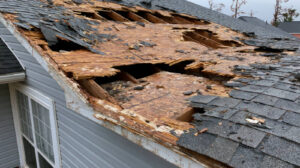
Understanding hurricane damage is crucial for effective restoration and recovery. When you experience hurricane impacts, the destruction can feel overwhelming. Evaluating the damage accurately helps you determine the necessary steps for restoration.
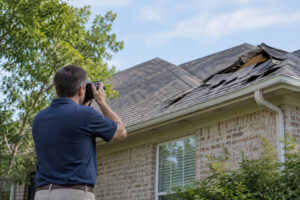
Start by documenting what you’ve lost, including structural damage to your home and personal belongings. This damage evaluation aids in insurance claims and provides a clear picture of what needs immediate attention.
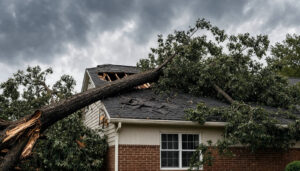
Consider the types of damage you might face: wind, flooding, and debris can all wreak havoc. Each type requires a different approach for recovery, emphasizing the importance of a detailed analysis. By closely examining each aspect, you empower yourself to make informed decisions moving forward.
Importance of Immediate Response
When a hurricane strikes, responding immediately is essential to minimize further damage and ensure safety. Each moment counts, and swift action can greatly reduce the impact on your home and belongings. A quick response time protects your property and fosters a sense of community. When you act fast, you’re not just preserving your space; you’re showing your neighbors that you’re ready to lend a hand.
Immediate action can prevent mold growth, structural issues, and costly repairs down the line. By prioritizing urgent measures, you create a safer environment for your family and those around you.
Assessment of Water Damage
Following your immediate response to hurricane damage, the next step is to evaluate the extent of water damage in your home. This water damage evaluation is essential, as it helps you understand the full impact of the hurricane.
Look for visible signs like damp walls, warped flooring, or stained ceilings, as these can indicate deeper issues.
Utilizing moisture detection tools can enhance your evaluation, revealing hidden pockets of water that may lead to mold growth or structural damage if left unattended. Pay attention to areas around windows and doors, where water intrusion is common.
As you navigate this process, remember you’re not alone—many in your community share similar experiences. Engaging with professionals can provide reassurance and expertise, guiding you through the complex recovery journey ahead.
Effective Water Extraction Techniques
When tackling water damage after a hurricane, effective extraction techniques are essential to preventing further issues.
Utilizing advanced pumping equipment and industrial dehumidification methods can greatly reduce moisture levels, while thermal imaging technology helps identify hidden water pockets.
Understanding these methods empowers you to restore your space more efficiently and effectively, giving you peace of mind during a challenging time.
Advanced Pumping Equipment
As storms release their fury, the aftermath often leaves behind significant water damage that can severely impact your property.
To tackle this challenge, utilizing advanced pumping equipment is essential for effective flood management. These machines leverage advanced technology to quickly extract standing water, minimizing further damage and mold growth.
You’ll find that powerful pumps can handle large volumes efficiently, ensuring that your space returns to normal as swiftly as possible.
Industrial Dehumidification Methods
After addressing the immediate need for water removal with advanced pumping equipment, the next step is to tackle residual moisture that can linger in your space. Utilizing industrial dehumidification methods is essential for effective moisture control. These techniques ensure that your environment remains safe and comfortable, preventing mold growth and structural damage.
| Dehumidification Equipment | Benefits |
|---|---|
| Refrigerant Dehumidifiers | Efficient for large spaces |
| Desiccant Dehumidifiers | Works well in low temperatures |
| Portable Dehumidifiers | Flexible for various areas |
| Low Grain Refrigerant (LGR) | Ideal for extreme moisture issues |
| Industrial-Grade Fans | Enhances airflow for faster drying |
Thermal Imaging Technology
Thermal imaging technology serves as a powerful tool in effective water extraction, allowing you to identify hidden moisture that may not be visible to the naked eye.
This advanced method enhances damage detection, pinpointing areas of concern before they escalate into larger problems. By using infrared cameras, you can visualize temperature differences, revealing trapped water in walls, ceilings, and floors.
This aids in efficient restoration and fosters peace of mind, knowing you’re addressing potential hazards early on.
Embracing thermal imaging means you’re part of a proactive community dedicated to restoring homes and lives after hurricane damage.
Structural Drying Methods
When faced with the aftermath of hurricane damage, effective structural drying methods are vital for preventing further deterioration. You’ll want to prioritize airflow management and moisture control to ensure that your space dries efficiently.
First, assess the extent of the water damage; this helps you determine the necessary equipment and techniques. Using high-powered fans can markedly enhance airflow, allowing moisture to evaporate quickly from surfaces. Dehumidifiers play an important role in removing excess moisture from the air, creating a balanced environment that promotes drying.
Additionally, strategically opening windows and doors can aid in natural airflow, further expediting the process.
Remember, the faster you address the water issues, the less likely you are to encounter long-term problems. By taking these proactive measures, you protect your home and create a welcoming atmosphere for yourself and your loved ones.
You deserve a space that feels safe and secure after such a challenging experience.
Mold Prevention Strategies
To effectively prevent mold growth in the wake of hurricane damage, it’s essential to act swiftly and strategically. Start by addressing any leaks and flooding immediately, as stagnant water is a breeding ground for mold.
Use dehumidifiers and fans to enhance moisture control, ensuring that your home dries thoroughly within 24 to 48 hours.
Inspect areas prone to dampness, like basements and bathrooms, and consider applying mold-resistant paints and materials during repairs. Keeping indoor humidity below 60% can greatly reduce mold growth risk.
Additionally, maintain proper ventilation throughout your home, especially in kitchens and laundry rooms.
Adopting these proactive measures protects your living space and fosters a sense of community. You’re not alone in this; many are facing similar challenges and seeking solutions together.
Repairing and Replacing Damaged Ceilings
When evaluating ceiling damage after a hurricane, you need to carefully inspect for signs of water intrusion, sagging, or structural compromise.
Selecting the right repair materials is essential for ensuring durability and preventing future issues.
Assessing Ceiling Damage
Evaluating ceiling damage after a hurricane requires a careful examination of both visible and hidden issues. You’ll want to employ effective ceiling inspection techniques, such as checking for water stains, sagging areas, or mold growth. These signs can indicate underlying problems that may not be immediately apparent.
Pay attention to joints and connections, as compromised structures can worsen over time. Once you’ve assessed the damage, consider your ceiling repair options. Depending on the severity, you might be looking at simple patching or complete replacement.
Selecting Repair Materials
Selecting the appropriate repair materials for your ceiling is essential to ensure lasting safety and aesthetics. When choosing materials, consider eco-friendly options that align with your values and promote sustainability. Durability considerations are vital; you want solutions that withstand future storms while maintaining a welcoming atmosphere in your home.
| Material Type | Eco-Friendly | Durability Considerations |
|---|---|---|
| Gypsum Board | Yes | Moderate |
| Plywood | Yes | High |
| Steel Beams | No | Very High |
| PVC Ceiling Tiles | Yes | Moderate to High |
Utilizing Professional Restoration Services
While steering through the aftermath of a hurricane, you might find that enlisting professional restoration services can greatly alleviate the stress of recovery. The professional expertise these services offer is invaluable; they understand the complexities of damage assessment and restoration. Their experience enables them to identify hidden issues, ensuring your home receives the thorough care it needs.
Additionally, the restoration benefits extend beyond just physical repairs. Professionals provide emotional reassurance, knowing that your home is in capable hands. They use advanced equipment and techniques, which can expedite the restoration process and minimize further damage. This means less downtime for you and quicker access to a safe, habitable space.
Choosing to work with professionals fosters a sense of community, as they often collaborate with local resources. Ultimately, you’re not just restoring your home; you’re rebuilding your sanctuary, ensuring it remains a place of belonging and comfort.
Long-term Solutions for Future Protection
As you consider how to fortify your home against future hurricanes, implementing long-term solutions can greatly enhance your protection. One effective approach is to adopt storm-resistant construction techniques. By using impact-resistant windows, reinforced roofs, and fortified doors, you can considerably reduce the risk of damage. These measures safeguard your home and provide peace of mind.
Additionally, landscape modifications play an essential role in hurricane preparedness. Strategically placing trees and shrubs can help deflect wind and reduce flooding risks. Elevating your garden beds and ensuring proper drainage can further protect your property from stormwater accumulation.
Embracing these proactive strategies fosters a sense of belonging within your community, as you contribute to overall resilience. By investing in long-term solutions, you’re not just protecting your home; you’re creating a safer environment for your family and neighbors, reinforcing the bonds that unite you all.
The Role of Insurance in Restoration
Understanding your insurance coverage is essential when facing the aftermath of a hurricane.
You’ll want to navigate the claim process carefully, as it can greatly impact your restoration efforts.
Additionally, being aware of common exclusions can help you avoid unexpected setbacks during recovery.
Insurance Coverage Essentials
When a hurricane strikes, the aftermath can leave you feeling overwhelmed, but having the right insurance coverage can greatly ease the restoration process.
Understanding various insurance types—like homeowners, flood, and windstorm insurance—ensures you’re prepared for the unexpected. Each policy has specific policy limits that dictate how much coverage you’ll receive, so it’s essential to evaluate these carefully.
Knowing what’s covered can help you make informed decisions during restoration and prevent financial strain. You’re not alone in this; many community members face similar challenges, and the right insurance can foster a sense of security.
Claim Process Steps
Steering through the claim process after a hurricane can feel intimidating, but knowing the steps involved can greatly ease your stress.
First, gather all necessary claim documentation, including photos of the damage and receipts for repairs. This evidence supports your claim and helps ensure you receive fair compensation.
Next, contact your insurance company to initiate the claim process. Be prepared for claim negotiation—insurance adjusters may present initial offers that don’t reflect the full extent of your losses.
Staying organized and persistent can make a significant difference. Remember, you’re not alone in this journey; many have navigated similar challenges and emerged stronger.
Common Exclusions Explained
While insurance can be a lifeline in the aftermath of a hurricane, it’s vital to recognize the common exclusions that might impact your restoration efforts. Many policies come with limitations that can leave you vulnerable.
For example, flood damage may not be covered if you didn’t purchase separate flood insurance. Similarly, wear and tear or neglect mightn’t be considered valid claims, leaving you with unexpected costs.
Understanding these policy limitations can help you navigate the complexities of recovery. It’s important to review your insurance thoroughly and communicate with your agent about any uncertainties.
Final Thoughts
In choosing the right techniques for hurricane damage restoration, you’re not just repairing your home; you’re investing in your future resilience. For instance, consider a homeowner in Florida who implemented storm-resistant construction after Hurricane Irma. This proactive approach minimized damage during subsequent storms and fostered a sense of community as neighbors shared resources and knowledge. By prioritizing effective restoration methods now, you can protect your home and contribute to a stronger, safer community for everyone.