When water damage strikes your commercial property, it’s essential to understand the importance of emergency commercial water damage services. These specialized solutions address immediate issues while mitigating long-term impacts on your business. From rapid water extraction to advanced drying techniques, these professionals are equipped to handle various scenarios. But what exactly does the restoration process entail, and how can you ensure your business recovers swiftly? Let’s explore the vital aspects you need to know.
Key Takeaways
- Emergency commercial water damage services provide immediate response to mitigate losses and prevent further damage after a water-related incident.
- These services include thorough damage assessment, water extraction, and drying of affected areas to restore normalcy.
- Professionals utilize advanced equipment and techniques to efficiently remove standing water and prevent mold growth.
- A reliable service partner assists with insurance claims to simplify the recovery process and reduce financial stress.
- Regular maintenance and emergency preparedness plans can be developed to prevent future incidents and enhance resilience.
Understanding Commercial Water Damage
When it comes to commercial properties, understanding water damage is essential for effective management and restoration. Water damage can severely affect your business impact, leading to costly repairs and potential loss of revenue.
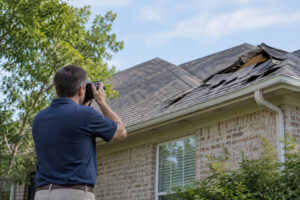
It’s vital to recognize that even minor leaks can escalate into significant issues, compromising structural integrity and creating hazardous environments. You need to assess the source and extent of water damage promptly. This includes monitoring moisture levels, identifying affected materials, and evaluating the potential for mold growth.
Regular inspections can help you mitigate risks before they spiral out of control. Implementing a proactive water damage management plan protects your assets and reassures your clients and employees of a safe environment.
Common Causes of Water Damage in Commercial Properties
In commercial properties, water damage often stems from several common sources that can disrupt operations.
You might encounter plumbing failures and leaks, severe weather incidents, or equipment malfunctions that lead to significant issues.
Understanding these causes can help you implement preventive measures and respond effectively when problems arise.
Plumbing Failures and Leaks
While plumbing failures and leaks can occur unexpectedly, understanding their common causes helps you take preventive measures in your commercial property.
Regular plumbing inspections and effective leak detection can save you from significant damage. Here are some common causes to be aware of:
- Corroded or aging pipes
- Improperly sealed joints
- High water pressure
- Faulty fixtures and fittings
- Blocked drains
Severe Weather Incidents
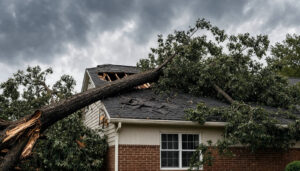
Severe weather incidents, like heavy rain, storms, and flooding, can wreak havoc on commercial properties, leading to extensive water damage that disrupts operations and incurs costly repairs.
Understanding flood impacts is vital for effective storm preparedness. When severe weather strikes, water can infiltrate through roofs, windows, and doors, overwhelming drainage systems and causing significant structural damage.
It’s important to assess your property’s vulnerability and implement preventive measures, such as installing sump pumps and reinforcing barriers. Regular maintenance and timely inspections can minimize risks and ensure your team is ready to respond swiftly.
Equipment Malfunctions and Breakdowns
Equipment malfunctions and breakdowns can lead to significant water damage in commercial properties, often catching business owners off guard.
Regular equipment inspections are essential to identifying malfunction indicators before they escalate into costly issues. Neglecting these inspections can result in:
- Leaky pipes from aging infrastructure
- Broken water heaters causing flooding
- Failed sump pumps leading to basement inundation
- Inefficient drainage systems backing up water
- Sprinkler system malfunctions during fire emergencies
Importance of Timely Response
When water damage strikes your commercial property, responding promptly is essential to mitigating further losses.
A timely intervention can mean the difference between minor repairs and extensive restoration efforts. Water can infiltrate walls, flooring, and vital infrastructure, leading to mold growth and structural damage.
That’s why a rapid response is imperative; the longer you wait, the more severe the consequences become.
Emergency Water Damage Restoration Process
As soon as water damage is detected, initiating the emergency restoration process becomes critical to prevent further complications.
You’ll want to act quickly to ensure a thorough recovery. Here’s how the process typically unfolds:
Assessment: Professionals evaluate the extent of the damage.
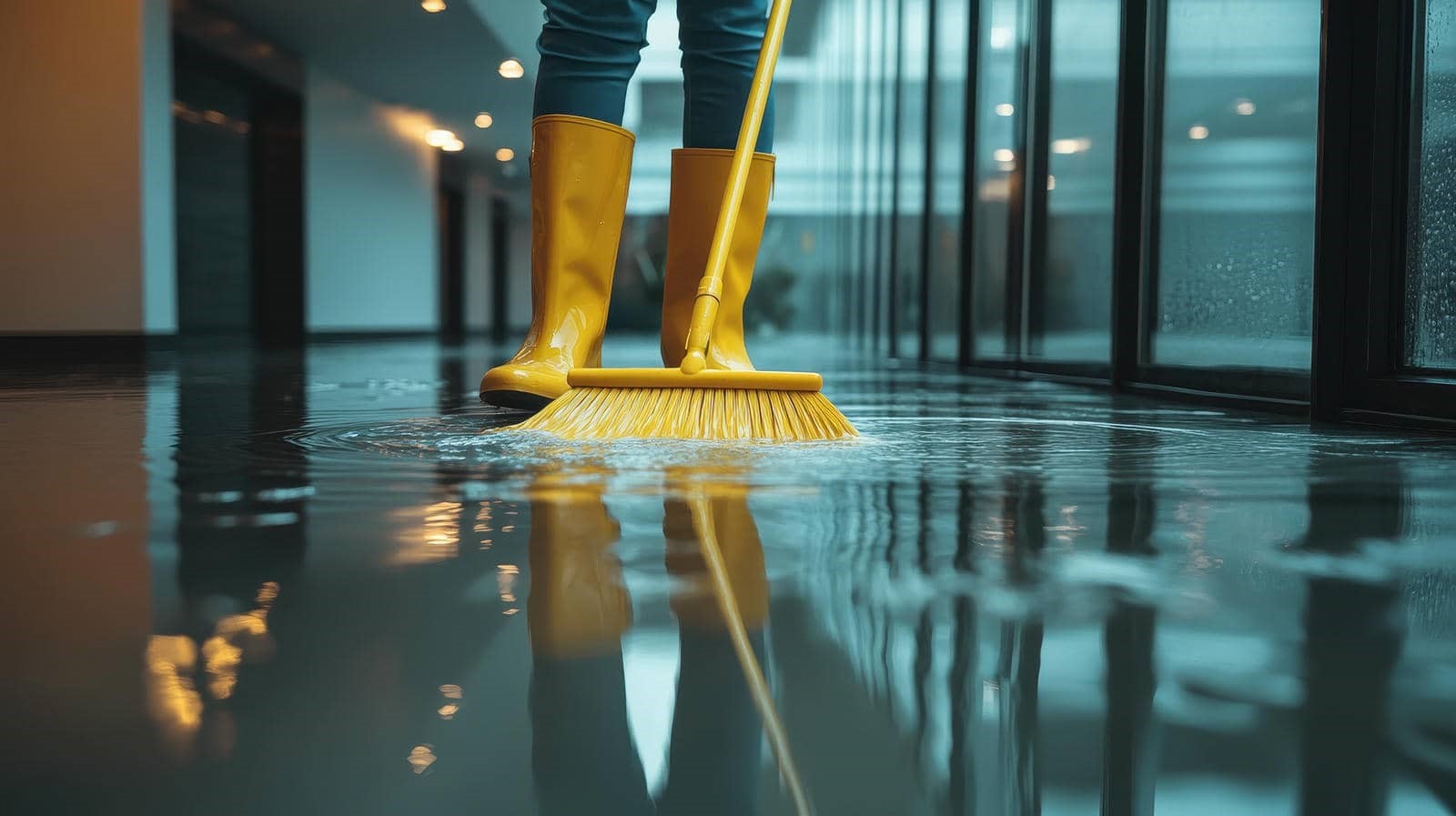
Water Extraction: They employ powerful pumps and vacuums to remove standing water, minimizing potential damage.
Drying: Advanced dehumidifiers and air movers are used to dry out affected areas, reducing moisture levels.
Mold Prevention: Experts treat surfaces with antimicrobial solutions to inhibit mold growth, safeguarding your property.
Restoration: Finally, they repair and restore damaged structures and contents, bringing your space back to its original condition.
Equipment Used in Water Damage Restoration
In the domain of water damage restoration, a variety of specialized tools and machinery play fundamental roles in effectively managing and mitigating damage. One significant piece of equipment is the water extraction machine, which helps you quickly remove standing water, minimizing further structural harm. These machines come in various sizes, allowing for tailored solutions based on the extent of the damage.
Additionally, moisture mapping tools are essential for identifying hidden pockets of moisture in walls, ceilings, and floors. This technology enables you to track the moisture levels accurately, ensuring that no area is overlooked during the restoration process.
High-powered air movers and dehumidifiers are also fundamental, as they facilitate rapid drying, preventing mold growth and preserving the integrity of your property. By utilizing this specialized equipment, you can achieve a thorough and effective water damage restoration, ensuring your commercial space returns to its pre-loss condition swiftly and efficiently.
Preventative Measures for Commercial Properties
To safeguard your commercial property from water damage, implementing regular maintenance checks is essential.
These inspections help identify potential vulnerabilities in plumbing and drainage systems before they lead to significant issues.
Additionally, having a robust emergency preparedness plan ensures your team knows how to respond swiftly and effectively in the event of a water-related incident.
Regular Maintenance Checks
While neglecting regular maintenance checks might seem like a cost-saving measure, it can lead to significant issues in commercial properties, especially regarding water damage.
Implementing rigorous maintenance schedules and conducting routine inspections is crucial for safeguarding your investment. By prioritizing these checks, you can identify potential problems before they escalate.
- Inspect plumbing systems for leaks or corrosion.
- Check roof integrity and drainage systems.
- Clean gutters and downspouts to prevent overflow.
- Verify proper sealing of windows and doors.
- Test the functionality of sump pumps and backflow valves.
These proactive measures protect your property from water damage and foster a sense of belonging within your community, showing that you care about maintaining a safe environment for everyone.
Emergency Preparedness Plans
Creating an effective emergency preparedness plan is essential for minimizing water damage risks in commercial properties, especially when unexpected events occur.
Start by conducting a thorough risk assessment to identify vulnerabilities specific to your facility. Next, establish clear emergency protocols and assign roles to team members for efficient disaster response.
Incorporate regular emergency training sessions to ensure that staff members know their responsibilities and can act swiftly during a crisis. Additionally, maintain updated contact information for local emergency services and water damage restoration companies.
Regularly review and practice these plans, fostering a culture of preparedness that unites your team. By prioritizing these measures, you’ll enhance your property’s resilience and ensure a coordinated response to any water-related emergencies.
Choosing the Right Water Damage Restoration Company
How can you ensure that you choose the right water damage restoration company for your needs? Selecting a reliable partner is essential for effective recovery, especially when dealing with insurance claims.
Here are some key factors to take into account:
Experience: Look for a company with a proven track record in water damage restoration.
Certifications: Verify they’re certified by relevant industry organizations, assuring their expertise and adherence to standards.
Customer Service: Evaluate their responsiveness and willingness to address your concerns, a critical aspect during stressful times.
Insurance Assistance: Choose a company that helps navigate insurance claims, simplifying the process for you.
Equipment: Confirm they use advanced technology and techniques to mitigate damage efficiently.
Frequently Asked Questions
How Quickly Can Emergency Services Respond to Water Damage Incidents?
Emergency services typically respond within one hour, ensuring rapid damage assessment. Their swift arrival minimizes further impact, allowing you to regain control and protect your property effectively, fostering a sense of security in challenging situations.
Are Emergency Water Damage Services Available 24/7?
Yes, emergency water damage services are available 24/7. They ensure rapid emergency response and efficient water extraction, minimizing damage and restoring your property’s integrity swiftly, so you can focus on what matters most.
What Should I Do Immediately After Discovering Water Damage?
Once you discover water damage, act quickly. Shut off the water source, remove valuables, and document the damage with photos. Contact professionals for immediate actions to mitigate further issues and ensure your property’s safety.
Will My Insurance Cover the Cost of Emergency Water Damage Services?
Your insurance might cover emergency water damage services, but it depends on your policy. Review your coverage details and start the claims process promptly to ensure you navigate any potential complications efficiently.
How Can I Prevent Mold Growth After Water Damage?
To prevent mold growth after water damage, ensure thorough moisture control by drying affected areas quickly, using dehumidifiers, and maintaining ventilation. Regularly inspect for leaks and humidity levels to reinforce mold prevention measures effectively.
Recap
In the face of water damage, think of emergency commercial water damage services as your property’s lifeline, pulling it back from the brink of disaster. By understanding the causes and responding swiftly, you can safeguard your business’s future. Choosing the right restoration company ensures a thorough recovery, allowing you to navigate the turbulent waters of damage with confidence. Don’t let water threaten your operations; act quickly to restore and protect your commercial space.