
Imagine walking into your home, only to be greeted by a persistent musty odor that seems to linger no matter how much you clean. This unsettling experience might signal hidden mold lurking in the corners of your living space. Identifying the signs early is essential, as neglecting the issue can lead to extensive damage and health risks. Understanding the steps for effective mold remediation can empower you to take control of the situation before it escalates.
Key Takeaways
- Conduct thorough inspections in moisture-prone areas, looking for visible signs like dark spots or musty odors that indicate hidden mold.
- Use a moisture meter to assess saturation levels in ceilings and walls, identifying potential water damage and mold growth sources.
- Contain affected areas during remediation to prevent mold spores from spreading throughout the property.
- Remove contaminated materials and clean surfaces with HEPA vacuums and damp cloths to minimize airborne spores.
- Implement preventative measures like waterproofing and regular leak inspections to reduce future mold growth risks.
Recognizing the Signs of Mold Growth
How do you know if mold is taking hold in your home? First, look for visible signs, such as dark spots or fuzzy patches on walls, ceilings, and other surfaces. Different mold types, like black mold or green mold, can appear in various colors and textures.
You might also notice a musty odor, which often signals hidden mold growth.
Next, pay attention to any health effects you or your family experience. Symptoms like sneezing, coughing, or skin irritation can indicate mold exposure. If you notice these signs alongside damp or humid conditions, it’s essential to act quickly.
Regularly check areas prone to moisture, such as bathrooms and basements, since these are common breeding grounds for mold.
Assessing the Damage From Ceiling Leaks
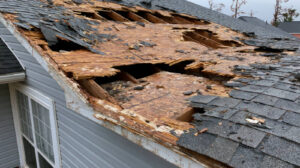
Identifying mold growth is just the first step; the next involves evaluating the damage caused by ceiling leaks, which can often be hidden from immediate view.
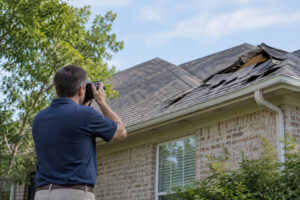
Begin with thorough ceiling inspections to spot any water stains, as these can indicate more extensive moisture issues. Pay attention to discoloration, peeling paint, or sagging drywall, which may suggest water infiltration.
Using a moisture meter can help you assess the saturation levels in your ceiling materials. If you detect elevated moisture readings, it’s vital to investigate further, as this could lead to mold growth.
Remember that even small leaks can cause significant damage over time, making it essential to address the source promptly. By understanding the extent of the damage, you can make informed decisions about repairs and remediation.
Ensuring your home remains safe and mold-free fosters a sense of belonging and comfort for you and your loved ones.
The Mold Remediation Process Explained
Once you’ve assessed the damage from ceiling leaks, understanding the mold remediation process is crucial to restoring your space.
First, identify the mold types present, as this will influence the remediation techniques you’ll use. Common molds include Aspergillus, Cladosporium, and Stachybotrys, each requiring specific handling.
Next, contain the affected area to prevent further spread. You’ll then need to remove any contaminated materials, such as drywall or insulation.
Use a HEPA vacuum and damp cloths to clean surfaces, minimizing airborne spores.
After removal, apply antifungal treatments to eliminate remaining spores. It’s important to ensure proper ventilation during this process to maintain air quality.
Finally, monitor the area for any signs of recurrence, confirming your remediation efforts were effective.
Preventative Measures for Future Water Damage
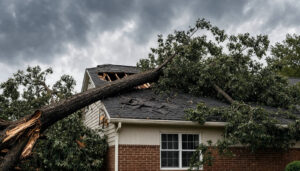
To prevent future water damage, it’s vital to adopt proactive measures that address potential vulnerabilities in your home.
Start by implementing effective waterproofing techniques, such as sealing basement walls and installing sump pumps, to keep water out. Make certain your gutters and downspouts are clear and direct water away from your foundation, preventing pooling.
Humidity control is equally important. Use dehumidifiers in damp areas like basements and bathrooms to maintain ideal humidity levels, ideally between 30-60%.
Regularly check for leaks in plumbing and roofs, addressing any issues immediately to avoid escalation. Additionally, consider insulating pipes to prevent freezing and bursting during colder months.
Finally, regularly inspect your property for signs of water intrusion and mold growth, allowing you to act quickly.
Choosing the Right Professionals for Remediation
When water damage occurs despite your best preventative efforts, selecting the right professionals for remediation becomes critical.
First, you’ll want to look for mold specialists who are certified and experienced. Verify their qualifications by ensuring they hold credentials from recognized organizations, such as the IICRC. This certification indicates they’re trained in proper mold assessment and remediation techniques.
Next, evaluate their contractor qualifications. Ask for references and review their past projects to gauge their reliability and effectiveness. It’s essential that they employ industry-standard practices for safety and thoroughness.
Don’t hesitate to ask about their methods, equipment, and follow-up procedures. A reputable specialist will be transparent and willing to explain their approach.
Finally, confirm they provide a detailed written estimate, outlining the scope of work and expected timeline. This helps establish trust and sets clear expectations for your remediation journey.
Summary
Tackling hidden mold in your home can feel like a monumental task, but it’s essential for your health and safety. By recognizing the signs and addressing any damage promptly, you can prevent a small issue from turning into a catastrophic problem. With the right professionals guiding you through the remediation process, you’ll restore your home and gain peace of mind. Remember, a mold-free environment is vital for a healthy living space!