
It’s interesting how mold can appear just when you least expect it, often lurking in hidden corners of your home. When you discover it, a systematic approach for mold cleanup and restoration is essential. You’ll need to assess the damage, prioritize safety, and employ effective removal techniques. Are you prepared to tackle the issue and prevent its return? Understanding these steps will help you maintain a healthy living environment.
Key Takeaways
- Conduct a thorough visual inspection and use moisture meters to assess the extent of mold growth and hidden dampness.
- Wear protective gear, including N95 respirators, gloves, and goggles, to ensure safety during cleanup.
- Use a vinegar-water solution for small infestations and mold-killing agents for larger issues, scrubbing surfaces thoroughly.
- Maintain humidity levels below 60% with dehumidifiers and improve ventilation to prevent future mold growth.
- Document all damage with detailed photos and inventories to support any insurance claims effectively.
Assessing the Extent of Mold Damage
How can you effectively assess the extent of mold damage in your home? Start by employing various mold identification methods.
Visual inspections are vital; look for discoloration, black spots, or any musty odors. Utilize moisture meters to detect hidden dampness, as mold thrives in moisture-rich environments.
Next, consider damage assessment tools like infrared cameras. These can help you identify moisture behind walls or under floors without invasive measures.
If you suspect extensive damage, you might want to hire a professional mold inspector who can conduct air quality tests and provide a thorough evaluation.
Document your findings, noting the locations and severity of the mold. This information will be essential for remediation efforts and any necessary repairs.
Safety Precautions During Cleanup
When tackling mold cleanup, prioritizing safety precautions is essential to protect yourself from health risks. Start by wearing appropriate protective gear, including N95 respirators, gloves, and goggles. This gear helps shield you from mold spores and other harmful particles. Verify your clothing covers as much skin as possible to minimize exposure.
Before beginning, assess the air quality in the cleanup area. If it seems compromised, consider using air purifiers with HEPA filters to reduce airborne spores. Seal off the contaminated space from the rest of your home to prevent spores from spreading. Use plastic sheeting to cover doors and vents.
Keep a well-ventilated environment by opening windows and using fans to enhance airflow, but avoid creating strong drafts that could disturb settled mold.
Stay vigilant about these precautions; they protect your health and foster a sense of community well-being among all involved in the cleanup process.
Effective Mold Removal Techniques
Although mold removal can seem challenging, employing effective techniques can greatly simplify the process. Start by identifying the affected areas and evaluating the extent of the mold growth.
For small infestations, consider using natural remedies like a vinegar-water solution or a baking soda paste. These options are both effective and safe for your home environment.
For more significant issues, utilize cleaning solutions containing mold-killing agents, such as hydrogen peroxide or commercial mold removers. Always apply these solutions directly to the moldy surface and allow them to sit for the recommended time to ensure effectiveness.
Remember to scrub surfaces with a stiff brush to remove mold thoroughly. After cleaning, confirm proper ventilation and drying to prevent future growth.
Finally, dispose of any contaminated materials responsibly, as this will help you maintain a healthy living space for you and your loved ones.
Preventing Future Mold Growth
To effectively prevent future mold growth, you need to maintain a dry and well-ventilated environment in your home.
Here are some key actions you can take to ensure humidity control and ventilation improvement:
- Use Dehumidifiers: Invest in dehumidifiers to reduce moisture levels, especially in damp areas like basements and bathrooms. Aim for humidity levels below 60%.
- Improve Ventilation: Ensure proper air circulation by using exhaust fans in kitchens and bathrooms. Open windows when the weather permits to promote airflow.
- Seal Leaks: Regularly check for and repair leaks in roofs, walls, and plumbing. Moisture intrusion is a primary mold trigger.
- Maintain Clean Gutters: Clean your gutters regularly to prevent water buildup, which can lead to leaks and increased humidity indoors.
Professional Mold Remediation Services
Even with preventative measures in place, mold can still infiltrate your home, making professional mold remediation services a valuable option.
These experts conduct thorough mold inspections to identify affected areas and assess the extent of the infestation. By utilizing advanced techniques and equipment, they ensure the effective removal of mold, thereby preventing future growth.
When considering professional help, it’s essential to understand the potential remediation costs. These can vary based on factors like the size of the infestation and the complexity of the cleanup. While it may seem like an investment, hiring professionals can save you from health risks and extensive damage down the line.
Additionally, certified mold remediation specialists follow strict protocols and safety guidelines, ensuring the process is efficient and effective.
Documenting Damage for Insurance Claims
When dealing with mold damage, accurately documenting the extent of the issue is essential for your insurance claim.
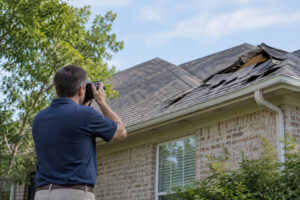
Take detailed photos of affected areas and items, and maintain an inventory of all damaged belongings.
Additionally, record your cleanup process to provide evidence of your efforts and further support your claim.
Take Detailed Photos
Capturing detailed photos of mold damage is essential for a successful insurance claim. Proper photo organization and effective documentation techniques can greatly bolster your case.
Follow these steps to ensure you don’t miss anything:
- Wide Shots: Capture the entire affected area to provide context.
- Close-Ups: Get detailed shots of mold growth, including different surfaces and materials.
- Before-and-After: If possible, take photos before cleanup and after, showing restoration efforts.
- Date and Time Stamps: Confirm your camera settings include date and time stamps for accurate documentation.
These images will serve as critical evidence when dealing with your insurance company, helping you articulate the extent of the damage clearly.
Inventory Affected Items
After documenting mold damage with detailed photos, the next step involves taking inventory of affected items. This inventory checklist is essential for insurance claims, ensuring you don’t overlook anything. Begin by listing each item, noting its condition and mold types present.
Here’s a simple table to guide your inventory process:
| Item Description | Condition |
|---|---|
| Leather sofa | Damaged by black mold |
| Wooden bookshelf | Slightly warped |
| Carpet | Heavily infested |
Be certain to include serial numbers and purchase dates. This thorough documentation supports your claim and helps you understand the extent of the damage, making the restoration process smoother.
Record Cleanup Process
Documenting the cleanup process is essential for substantiating your insurance claim and ensuring all damage is accounted for. A clear record supports your recovery plan and strengthens your position with insurers.
Follow this cleanup timeline to stay organized:
- Photograph Damage: Take clear, timestamped photos of affected areas before any cleanup begins.
- Inventory Affected Items: List and document all items that are damaged, including their value and condition.
- Record Cleanup Efforts: Keep a detailed log of each cleanup step, noting dates, methods, and materials used.
- Save Receipts: Collect and organize receipts for any expenses incurred during the cleanup process.
Recap
In your quest to conquer mold, remember that vigilance and preparation are your best allies. Just as Odysseus faced trials on his journey home, so too must you navigate the challenges of cleanup and restoration. By following these tips, you’ll reclaim your space and fortify it against future invasions. Embrace the process with a proactive mindset, and you’ll emerge victorious, ensuring a healthier environment for yourself and your loved ones.