Imagine standing on a sinking ship, watching as water breaches the hull. That’s what flood damage evaluation feels like—urgent and critical. You need to act swiftly to minimize loss and ensure safety. It starts with thorough documentation and evaluating structural integrity. However, there are hidden dangers lurking beneath the surface. What steps can you take to protect yourself and your property? Understanding the process is essential for effective recovery.
Key Takeaways
- Conduct thorough inspections of affected areas, documenting damage with clear photographs for insurance claims and future reference.
- Prioritize safety by assessing hazards, wearing protective gear, and avoiding flooded areas with swift currents.
- Identify structural issues and potential mold growth, addressing immediate concerns to prevent further damage.
- Create a detailed inventory of damaged items, noting their age, value, and condition to support insurance claims.
- Engage certified restoration professionals with relevant experience to develop effective repair and restoration strategies.
Understanding the Impact of Flooding on Property
When flooding occurs, it disrupts your daily life and causes considerable structural and environmental damage to your property. Understanding flood causes is vital for evaluating property vulnerability effectively. Common causes include heavy rainfall, rapid snowmelt, and poor drainage systems. Each of these factors can lead to water accumulation, saturating the ground and compromising your foundation.
Once water infiltrates your property, it can weaken structural components like walls and floors, leading to long-term issues such as mold growth and wood rot. Electrical systems are also at risk, posing safety hazards. The extent of damage often depends on how quickly you address the situation; delaying action amplifies vulnerability.
To mitigate future risks, consider evaluating your property’s landscape and drainage solutions. Implementing preventative measures can greatly reduce the likelihood of severe damage in future flooding events, fostering a sense of security in your living environment.
Safety Precautions Before Entering a Flooded Area
Before you enter a flooded area, assess the situation to ensure your safety and the safety of others. Start by checking for hazards like downed power lines, unstable structures, or contaminated water.
Make sure you’ve got the right personal protective gear: waterproof boots, gloves, and a mask are necessary to shield yourself from debris and pollutants.
Always use a buddy system; never go alone, as having someone nearby can be critical in emergencies. If the water level is above your knees, avoid entering, as swift currents can be deceptive and dangerous.
Before you step in, consider the potential for hidden dangers beneath the water’s surface. Keep emergency contact numbers handy and inform someone of your plans.
Prioritizing flooded area safety will help you navigate the situation more effectively, making certain you’re prepared for whatever challenges may arise.
Documenting Damage Thoroughly for Insurance Claims
After ensuring safety in a flooded area, the next important step is documenting the damage for insurance claims.
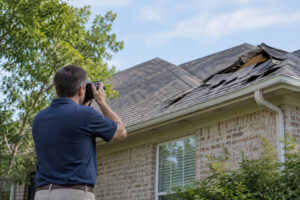
Begin your claim documentation by taking clear, detailed photographs of all affected areas, including structural damage and personal property loss. Capture wide shots for context and close-ups for specifics. Create a list of damaged items, noting their age, value, and condition prior to the flood. This information will support your damage assessment.
Next, record the extent of water exposure, noting the duration and any visible mold or contamination. If possible, obtain estimates from contractors for repair costs, as this can strengthen your claim.
Keep all receipts and records organized, as insurers may require supporting documentation. Finally, maintain a timeline of events, including when the flooding occurred and when you began cleanup efforts.
Thorough and organized documentation will enhance your chances of a successful insurance claim.
Identifying Hidden Water Damage and Mold Risks
When evaluating flood damage, you need to identify common hidden water sources like leaky pipes and basement seepage.
Look for signs of mold growth, such as discoloration or a musty odor, as these can indicate moisture issues.
Using moisture detection tools is essential for uncovering hidden damp areas that may pose health risks if left unaddressed.
Common Hidden Water Sources
Have you ever considered how many hidden water sources might be lurking in your home? Hidden leaks can occur in unexpected places, such as behind walls or under floors, often going unnoticed until damage escalates.
Pay attention to plumbing fixtures, as deteriorating seals can lead to slow drips that create significant issues over time. Additionally, basement moisture is a common concern; inadequate drainage or humidity can foster hidden water sources that contribute to mold growth.
Check your gutters and downspouts, ensuring they’re directing water away from your foundation. Regularly inspect your home for signs of moisture accumulation, as these proactive measures can help you identify potential hidden leaks before they become costly repairs.
Signs of Mold Growth
Identifying signs of mold growth is essential for protecting your home from hidden water damage.
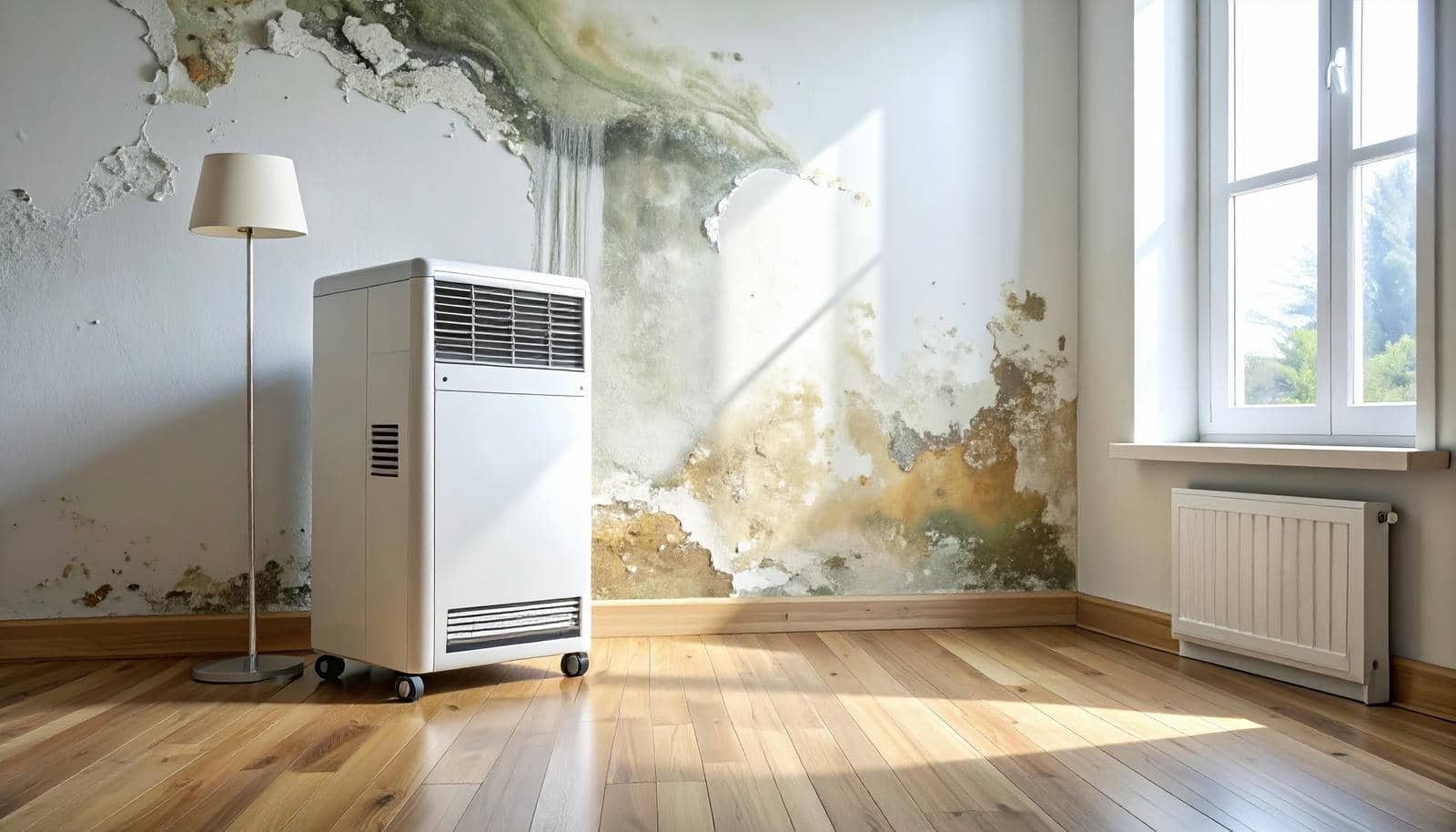
Start by using mold identification techniques such as visual inspections and sniff tests. Look for discoloration on walls, ceilings, and floors, as well as a musty odor. Pay special attention to areas with high humidity, like bathrooms and basements.
Check for water stains or peeling paint, which can indicate moisture issues conducive to mold growth. Remember, mold presents serious health risks, including respiratory problems and allergic reactions.
If you find evidence of mold, act quickly to address the underlying moisture source and remediate the affected areas. By staying vigilant, you ensure a healthier living environment for you and your family.
Importance of Moisture Detection
While you might think your home is free from hidden water damage, undetected moisture can cause significant problems over time. Effective moisture detection is essential for identifying potential threats, such as mold growth and structural damage.
Utilize detection techniques like thermal imaging and moisture meters to assess areas that aren’t visibly affected. These tools can reveal elevated moisture levels behind walls, under floors, and in ceilings, where damage often lurks undetected.
Regular assessments will empower you to address issues before they escalate, ensuring your home remains safe and healthy. By prioritizing moisture detection, you’re not just protecting your property; you’re also fostering a sense of belonging within your safe, comfortable space.
Embrace these practices to safeguard your home.
Evaluating Structural Integrity After Flooding
After flooding, evaluating the structural integrity of your property is essential to secure safety and prevent further damage.
Start with a thorough structural assessment to identify visible cracks, warping, or any other signs of distress in walls, floors, and ceilings. Pay particular attention to load-bearing walls and beams; these elements are critical for maintaining your building’s stability.
Conduct a load-bearing analysis to determine if these structural components can still support the weight above them. Use a level to check for uneven surfaces, which may indicate shifting foundations.
Remember to inspect the basement and crawl spaces, as water accumulation can weaken foundational supports. If you spot any concerning issues, it’s best to consult a structural engineer who can provide an expert evaluation and recommend necessary repairs.
Addressing these concerns promptly can ensure your home remains a safe haven for you and your loved ones.
Cleaning and Sanitizing Affected Areas Properly
To ensure a safe and healthy environment after a flood, it’s crucial to clean and sanitize all affected areas promptly and thoroughly.
Start by gathering appropriate cleaning supplies, including bleach, soap, and specialized sanitization techniques. Wear protective gear such as gloves and masks to ensure your safety.
Begin the cleaning process by removing any standing water and debris. Use a wet vacuum if necessary.
Next, scrub surfaces with a mixture of water and detergent to eliminate dirt and contaminants. Once cleaned, apply a sanitizing solution—typically a diluted bleach solution—on all surfaces, including floors, walls, and furniture. Allow it to sit for at least 10 minutes before rinsing.
Don’t forget to ventilate the area by opening windows or using fans.
Finally, check for mold growth regularly and address any issues immediately to maintain a healthy environment. Following these steps will help you restore your space effectively.
Choosing the Right Professionals for Repair and Restoration
How do you ensure that your home is restored effectively after flood damage? Choose professionals with the right qualifications and experience.
Look for certified restoration experts who’ve completed specialized training in water damage restoration, mold remediation, and structural drying. Their professional qualifications assure they understand the complexities of flood damage and adhere to industry standards.
Check their restoration experience—ask for references or case studies showcasing previous projects.
Experienced professionals can assess your specific situation, developing customized strategies for efficient repair and restoration.
Don’t forget to confirm they possess the necessary licenses and insurance to protect your investment.
Preventing Future Flood Damage Through Mitigation Strategies
While you can’t control the weather, implementing effective mitigation strategies can greatly reduce the risk of future flood damage to your home. Start by installing flood barriers around your property. These physical barriers can divert water away from critical areas, protecting your foundation and landscaping.
Next, consider landscape grading. Proper grading directs water flow away from your home, minimizing pooling and runoff issues. Verify that your yard slopes away from your foundation to enhance drainage effectiveness.
Additionally, maintain gutters and downspouts, verifying they’re clear and directing water at least six feet away from your home. Regular inspections can also identify potential problem areas early.
Frequently Asked Questions
How Long Does It Take for Flood Damage Repairs to Be Completed?
Flood damage repairs typically take several weeks to months, depending on timeframe factors like severity and repair complexity. You’ll need to assess the damage thoroughly to develop an accurate timeline for completion.
Will My Homeowner’s Insurance Cover Flood Damage Repairs?
Your homeowner’s insurance typically doesn’t cover flood damage; you’ll need flood insurance for that. Review your policy’s coverage limits carefully to understand what’s included and ensure adequate protection against potential flood-related losses in the future.
What Are the Signs of Structural Damage After Flooding?
After flooding, look for telltale signs like foundation cracks and warped walls. These visible vulnerabilities can indicate serious structural damage. Don’t delay; addressing these issues promptly can prevent further deterioration and ensure your home’s safety.
Can I Start Repairs Before My Insurance Adjuster Arrives?
You can start repairs before your insurance adjuster arrives, but check your insurance policy first. Document damage thoroughly to support your claim, ensuring repairs align with the repair timeline set by your insurer for smooth processing.
How Can I Prevent Mold Growth After a Flood?
To prevent mold growth after a flood, quickly perform water extraction and thoroughly dry the affected areas. Use dehumidifiers, ensure proper ventilation, and apply mold-prevention products to prevent spores from developing in damp environments.
Summary
As you navigate the aftermath of flooding, think of yourself as a skilled gardener tending to a storm-ravaged landscape. You must clear the debris, document your findings, and assess the soil’s integrity before planting new seeds of restoration. By engaging the right experts and implementing preventive measures, you cultivate resilience against future storms. Just as a garden flourishes with care, your property can thrive again, transforming adversity into strength through meticulous assessment and repair.