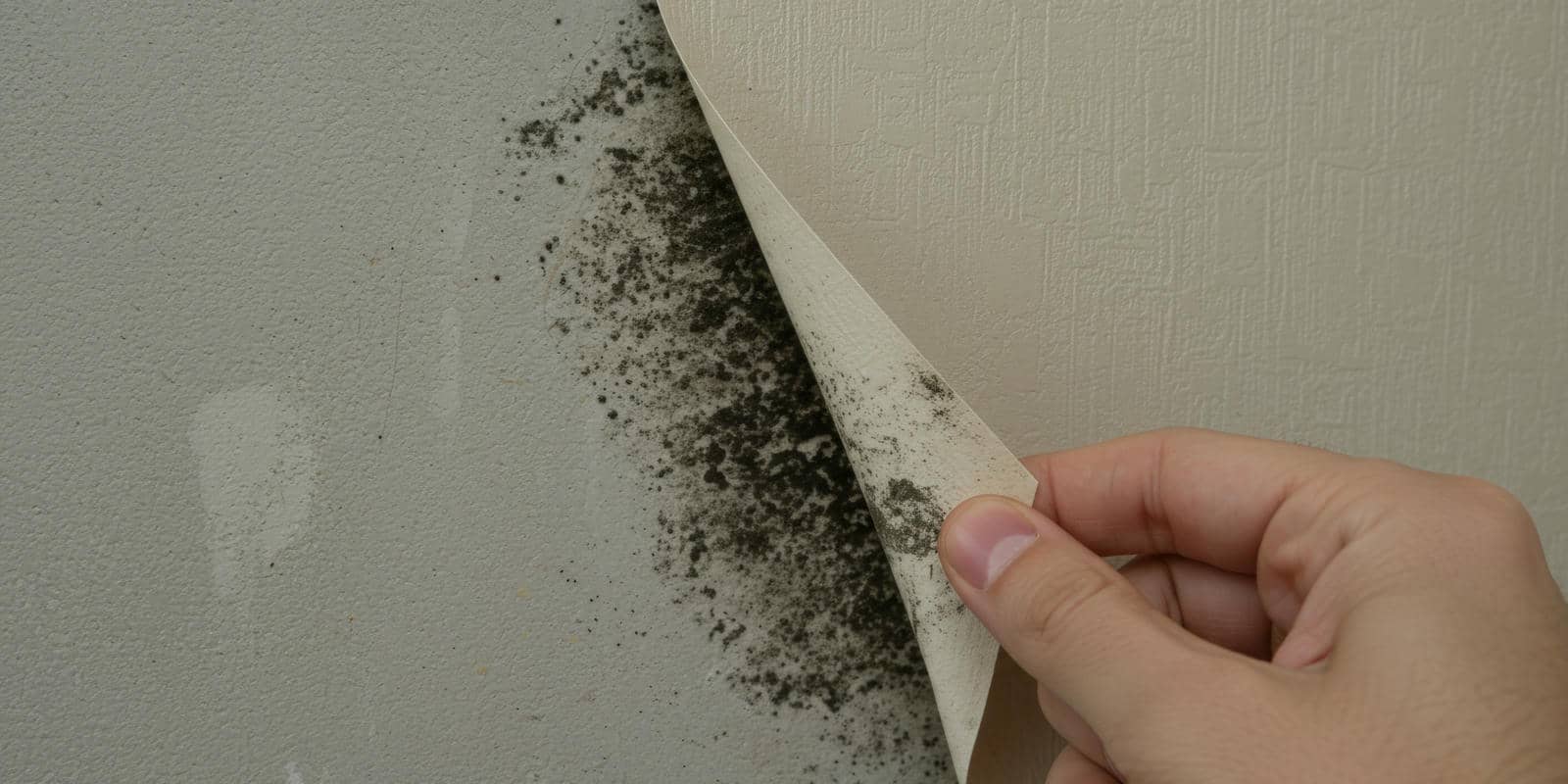
Imagine a homeowner returning to a flooded property, only to find mold creeping along walls and ceilings. It’s a common aftermath of hurricane flooding, and addressing it promptly is vital. You’ll need to assess the damage, prioritize safety, and ensure the space is properly ventilated. Each step plays a significant role in effective mold remediation that you can’t afford to overlook. What strategies should you implement to safeguard your home from lasting damage?
Key Takeaways
- Assess and document water damage and mold presence while prioritizing safety precautions like PPE and electrical checks.
- Ventilate affected areas by opening windows, using fans, and using dehumidifiers to lower humidity levels below 60%.
- Remove contaminated materials, ensuring safe disposal and thorough cleaning of surfaces with appropriate disinfectants.
- Apply mold prevention strategies, including using anti-fungal treatments and regularly monitoring humidity levels to keep them below 60%.
- Consult with professionals for thorough inspections, remediation planning, and post-remediation testing to ensure a safe environment.
Assessing the Damage
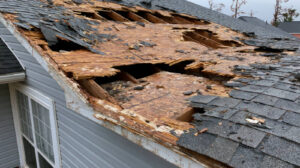
After a hurricane, the first step in mold remediation is evaluating the damage. You’ll want to identify the affected areas and assess the type of mold present. Common mold types include black mold, which can be hazardous, and other variations that thrive in damp environments.
It’s essential to pinpoint moisture sources, as these contribute considerably to mold growth. Look for water-damaged materials like drywall, carpets, and wood, which often retain moisture even after flooding recedes.
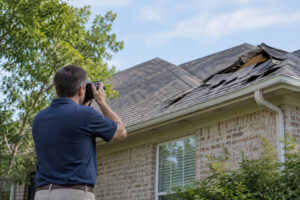
As you assess the damage, document your findings with photos and notes. This helps in understanding the extent of the mold issue and assists in planning the remediation process.
Ensuring Safety Precautions
Before you start mold remediation, it’s essential to ensure your safety first.
Wearing appropriate personal protective equipment (PPE) will minimize your exposure to harmful spores, while conducting electrical safety checks will prevent accidents from damaged wiring.
Taking these precautions protects your health and the integrity of your home during the cleanup process.
Personal Protective Equipment
When tackling mold remediation after hurricane flooding, wearing the right personal protective equipment (PPE) is vital to your safety.
Prioritize your personal safety by donning protective gear such as N95 respirators, gloves, and goggles. These items help shield you from mold spores and harmful substances often found in floodwaters.
Confirm your clothing is durable and covers exposed skin to prevent irritation and contamination. It’s also advisable to use waterproof boots to keep your feet dry and protected.
Electrical Safety Checks
While evaluating the damage from hurricane flooding, it’s essential to prioritize electrical safety checks to prevent dangerous hazards.
Start with a thorough electrical inspection of your home. Water exposure can compromise wiring, outlets, and appliances, posing serious risks. You need to look for signs of damage and ensure that circuits are functioning properly.
Conduct a circuit assessment to identify any areas that require immediate attention or repair. If you notice frayed wires or corrosion, don’t hesitate to call a licensed electrician.
Ventilating the Affected Area
As you begin the mold remediation process, ensuring proper ventilation in the affected area is crucial for effective moisture control and improved air quality. Open windows and doors to allow fresh air to circulate, which helps dilute mold spores in the environment.
If weather conditions permit, using fans can further enhance airflow and expedite drying.
Consider utilizing dehumidifiers to reduce excess moisture, as high humidity levels contribute to mold growth and deteriorate air quality. Aim for indoor humidity levels below 60% to create an inhospitable environment for mold spores.
While ventilating, monitor for any signs of mold growth. If you notice a musty smell or visible mold, it’s imperative to act before it spreads.
Proper ventilation aids in mold remediation and fosters a healthier living space for you and your loved ones. Prioritize this step to ensure the effectiveness of your overall mold remediation efforts.
Removing Contaminated Materials
Removing contaminated materials is essential in the mold remediation process, especially after hurricane flooding.
You’ll need to identify and remove items that are beyond salvage, like carpets, drywall, and insulation that have absorbed water and fostered mold growth. Effective removal techniques involve using proper personal protective equipment (PPE) to safeguard yourself from exposure.
Carefully cut away affected sections, ensuring you contain the materials to prevent further contamination. Once removed, focus on appropriate disposal methods. Local regulations often dictate how to dispose of hazardous waste, so check with your municipality to avoid fines.
Additionally, consider using heavy-duty plastic bags for transport, sealing them tightly to minimize spore spread. Following these steps helps in controlling mold and reassures your community that you’re committed to restoring a healthy environment.
Cleaning and Disinfecting Surfaces
After you’ve successfully removed contaminated materials, the next step is cleaning and disinfecting surfaces to eliminate any remaining mold spores and prevent future growth.
Start by identifying the various surface types in your space, such as wood, drywall, or tile. Each surface may require a different cleaning approach. For non-porous surfaces, use a mixture of water and a suitable disinfectant, ensuring you follow product instructions carefully.
For porous materials, like drywall, you might need to replace them entirely if they’ve been severely affected. Scrub surfaces with a brush to dislodge mold spores, then apply a disinfectant.
Don’t forget to wear protective gear, including gloves and masks, during this process.
Once you’ve cleaned, let the surfaces dry completely. This thorough cleaning removes mold spores and fosters a healthier environment for you and your community.
Drying Out the Space
After evaluating the water damage, you’ll need to implement strategies to effectively dry out the space.
Increasing air circulation is essential, as it helps reduce moisture levels, while utilizing dehumidifiers can accelerate the drying process.
Addressing these factors promptly minimizes the risk of mold growth and structural damage.
Assess Water Damage
While you may feel overwhelmed by the aftermath of flooding, analyzing water damage is vital to effectively drying out your space.
Start by identifying the areas most affected by water. Check for visible signs of mold growth, which can begin within 24 to 48 hours if moisture remains. Conduct a thorough inspection of carpets, walls, and furniture, noting any saturation.
Once you’ve evaluated the damage, prioritize water extraction—remove standing water with pumps or wet vacuums. Use towels and mops for smaller areas, ensuring you’re thorough. The sooner you act, the less chance there is for mold growth to take hold.
Increase Air Circulation
Once you’ve assessed the water damage and removed standing water, increasing air circulation becomes a key step in drying out your space.
Effective airflow techniques are vital in this process. Open windows and doors to create cross-ventilation, allowing fresh air to flow through. If possible, use fans to direct airflow throughout the affected areas, accelerating evaporation.
Positioning them strategically can help target moisture-prone spots. Maintaining a steady airflow speeds up drying and aids in humidity control, reducing the risk of mold growth.
Consider using box fans or oscillating fans for better coverage. By prioritizing air circulation, you greatly improve your chances of a thorough and successful drying process, fostering a safer and healthier environment for everyone.
Utilize Dehumidifiers Effectively
Utilizing dehumidifiers effectively is essential for thoroughly drying out your space after flooding, as they help remove moisture from the air, which can greatly reduce the risk of mold growth.
First, set your dehumidifier to the appropriate settings, typically around 30-60% relative humidity, to optimize moisture control. Place the unit in the most affected areas, ensuring it has adequate airflow and isn’t obstructed.
Run the dehumidifier continuously, checking the water reservoir frequently to avoid overflow. If possible, connect it to a drain for uninterrupted operation.
Additionally, combine dehumidifier use with other drying methods, like fans, to enhance efficiency.
Applying Mold Inhibitors
After you’ve thoroughly cleaned and dried the affected areas, applying mold inhibitors becomes essential to prevent future growth.
These mold prevention strategies help create an environment where mold struggles to thrive. Start by selecting appropriate surface treatments that are specifically designed to inhibit mold development. This can include paints, sprays, or sealants infused with anti-fungal agents.
When applying these inhibitors, make sure you follow the manufacturer’s instructions for maximum effectiveness. Coverage is key, so pay attention to corners and crevices where moisture can linger.
Consider using mold inhibitors in high-humidity areas, such as bathrooms and basements, to reinforce your efforts.
Monitoring for Recurrence
Even with mold inhibitors applied, ongoing vigilance is necessary to ensure mold doesn’t return. Implementing a mold monitoring plan is essential for recurrence prevention.
Regularly inspect areas prone to moisture, such as basements, bathrooms, and around windows. Look for signs of water damage or musty odors, which can indicate hidden mold growth.
Consider using humidity sensors to maintain ideal indoor conditions. Ideally, keep humidity levels below 60% to create an unfavorable environment for mold. Document your findings and any changes in your home’s condition, as this information can help you identify trends over time.
If you notice any mold reappearing, act quickly to address the issue before it escalates.
Establishing a routine for mold monitoring protects your home and fosters a sense of community, as sharing your experiences can empower others facing similar challenges. Stay proactive, and you’ll contribute to a healthier living environment for everyone.
Consulting With Professionals
When dealing with mold issues after hurricane flooding, consulting with professionals can be vital for effective remediation. Mold specialists have the expertise and tools necessary to identify the extent of the problem and provide tailored solutions.
Here’s why seeking expert advice is important:
Assessment: Professionals conduct thorough inspections to determine the type and severity of mold present, making sure no hidden issues remain.
Remediation Plan: They develop a strategic plan for safe removal and prevention, minimizing health risks and structural damage.
Post-Remediation Testing: After the remediation process, specialists perform tests to confirm that mold levels are safe, giving you peace of mind.
Engaging with mold specialists ensures a detailed approach to mold remediation and fosters a sense of belonging within a community that values health and safety.
Don’t hesitate to reach out for the guidance you need.
Summary
In the aftermath of hurricane flooding, swift action is your best ally against mold’s insidious advance. By following these essential steps, you restore your space and reclaim your peace of mind. Remember, vigilance is key; mold can be as persistent as a shadow. Regular monitoring and preventive measures will help ensure a safe environment for you and your loved ones. Don’t hesitate to consult professionals if needed, as their expertise can be invaluable in this critical process.