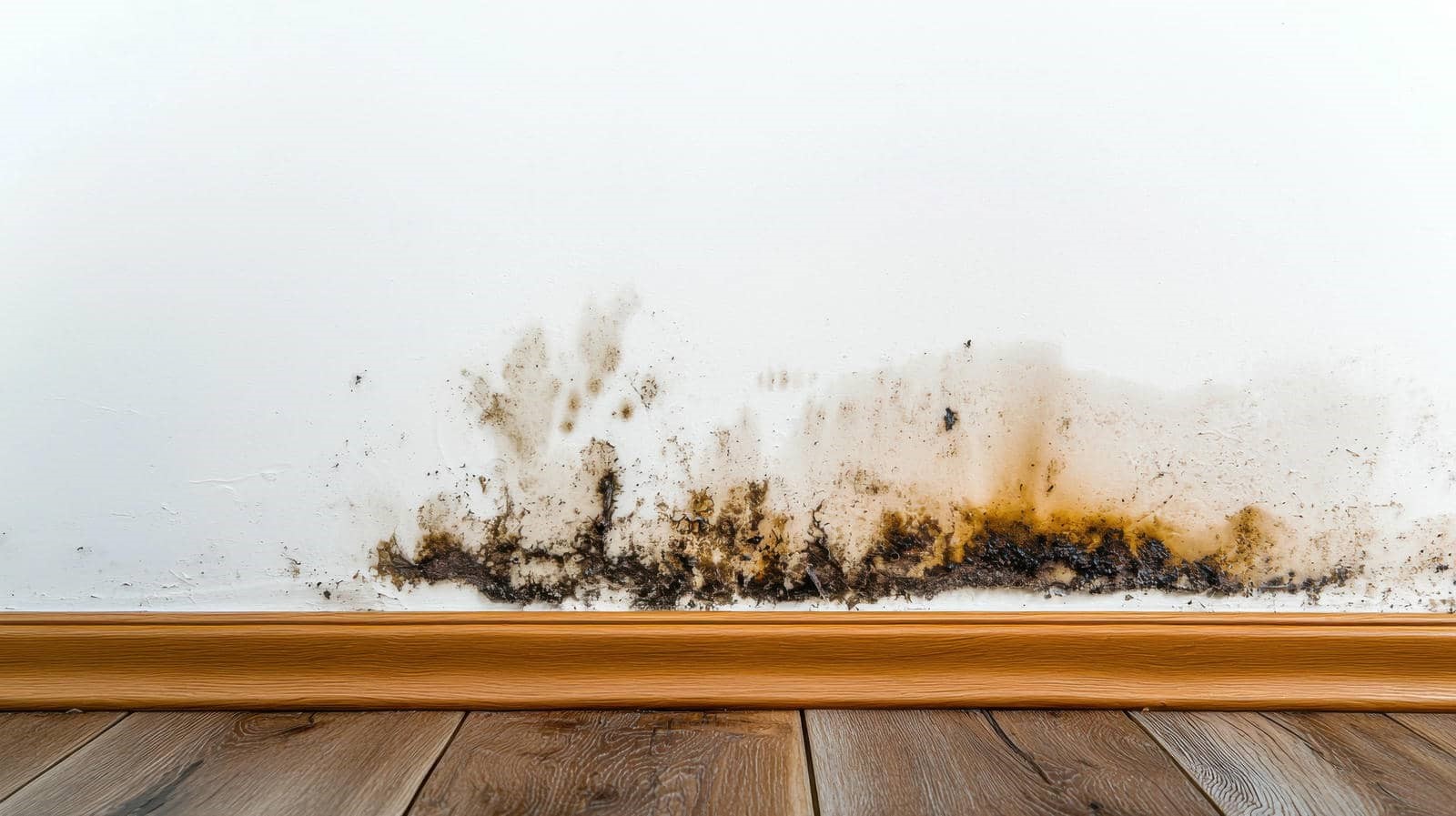
Water damage can feel like a storm sweeping through your home, leaving behind a breeding ground for mold. To combat this threat, you need to act swiftly and strategically. Understanding the extent of the damage and employing immediate water removal techniques are just the beginning. What follows is essential for preventing mold’s insidious growth and safeguarding your living space. Are you ready to explore the key strategies that can make all the difference?
Key Takeaways
- Identify and eliminate the source of moisture promptly to prevent mold growth in affected areas.
- Use dehumidifiers to maintain indoor humidity levels below 60%, reducing mold risk.
- Ensure thorough drying of materials using fans and specialized drying equipment after water removal.
- Regularly inspect and maintain potential moisture-prone areas like basements, attics, and plumbing systems.
- Improve ventilation in your home to enhance air circulation and deter mold development.
Assessing the Extent of Water Damage
Before you can effectively prevent mold growth, it’s crucial to assess the extent of water damage in your home.
Begin your damage assessment by identifying the source of moisture. Check areas like basements, crawl spaces, and behind appliances where water might accumulate.
Next, conduct a thorough moisture evaluation using a hygrometer to measure humidity levels. Any reading above 60% signals a potential mold risk.
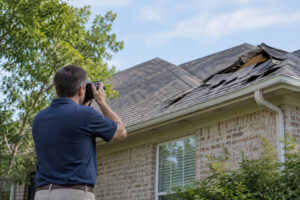
Inspect materials such as drywall, wood, and flooring for signs of water damage, like discoloration or warping.
Don’t forget to check hidden spaces, as mold can thrive in unseen areas. Keeping a close eye on all these factors helps you understand the full scope of the problem.
This proactive approach aids in effective remediation and fosters a sense of belonging to a community that values a safe, healthy living environment.
Taking these steps now will ensure your home remains mold-free in the future.
Immediate Water Removal Techniques
As soon as you identify water damage, prompt action is essential to minimize the risk of mold growth.
Implementing effective water extraction techniques is vital. Here are three immediate steps you should take:
Shut Off Electricity: Ensure safety by turning off the power in the affected area to prevent electrical hazards.
Use a Pump: If the water is substantial, consider using a submersible pump. This helps extract large volumes quickly, reducing standing water considerably.
Wet-Dry Vacuum: For smaller amounts of water, a wet-dry vacuum can be highly effective for localized water extraction. This tool can help you remove excess moisture from carpets and floors.
Effective Drying Methods
Once you’ve removed the standing water, effective drying methods become vital to prevent mold growth and restore your space.
Start by using a dehumidifier to extract moisture from the air. This tool is essential, especially in areas that remain damp. Aim to maintain indoor humidity levels below 60% to create an environment unfavorable for mold.
Next, enhance air circulation by opening windows and doors, and using fans to promote airflow throughout the affected areas. Be certain to direct fans toward wet surfaces to expedite drying.
If possible, consider using specialized drying equipment, such as air movers, which can greatly speed up the evaporation process.
Combining dehumidifier usage with improved air circulation ensures thorough drying.
Implementing Moisture Control Measures
To effectively prevent mold growth, implementing moisture control measures is essential in the wake of water damage. You can greatly reduce humidity levels and improve ventilation by following these key strategies:
Humidity Control: Use dehumidifiers to maintain indoor humidity levels below 60%. This helps create an environment that’s less conducive to mold growth.
Ventilation Improvement: Confirm proper airflow by opening windows and using exhaust fans in areas like kitchens and bathrooms. This will help disperse moisture and keep the air fresh.
Seal and Insulate: Check for leaks and seal any cracks in your home’s foundation or walls. Proper insulation can also prevent condensation, further reducing moisture accumulation.
Regular Inspection and Maintenance Practices
Regular inspections and maintenance practices are essential for identifying potential moisture issues before they escalate into mold problems. By establishing routine inspections, you can detect leaks, condensation, and other moisture sources early on, allowing for timely intervention.
It’s important to create a maintenance schedule that includes checking areas prone to dampness, such as basements, attics, and around appliances. Pay attention to the condition of roofing, gutters, and plumbing; these are common culprits for water intrusion.
Additionally, consider monitoring humidity levels in your home, as high humidity can encourage mold growth. Engaging in these practices not only protects your space but fosters a sense of community among those who prioritize a healthy living environment.
Frequently Asked Questions
How Long Does It Take for Mold to Start Growing After Water Damage?
Mold can start growing within 24 to 48 hours after water damage, depending on factors like humidity and temperature. Understanding the mold growth timeline helps you take timely action and protect your space effectively.
Can I Use Bleach to Kill Mold After Water Damage?
While bleach can kill mold, it doesn’t penetrate porous surfaces effectively. For ideal mold removal, consider professional treatments and thorough drying. Relying solely on bleach might leave hidden spores ready to sprout again.
What Are the Health Risks Associated With Mold Exposure?
Mold exposure can lead to various health effects, including respiratory issues, allergies, and skin irritation. You might experience mold symptoms like coughing, sneezing, or headaches, which can greatly impact your daily life and well-being.
Should I Hire a Professional or Handle Mold Removal Myself?
You should consider hiring professional services for mold removal methods, especially if the infestation is extensive. They’ve got the expertise and equipment to ensure thorough removal, reducing health risks and preventing future mold growth effectively.
How Can I Prevent Mold in My Basement After Water Damage?
To prevent mold in your basement, prioritize ventilation, manage humidity, and use mold prevention techniques. Open windows, install dehumidifiers, and seal cracks. These steps create a healthier environment, keeping your space safe and welcoming.
Wrap-Up
Preventing mold after water damage requires swift action and consistent maintenance. Remember, “an ounce of prevention is worth a pound of cure.” By promptly removing water, effectively drying affected areas, and implementing moisture control measures, you can drastically reduce the risk of mold growth. Regular inspections will help you stay ahead of potential issues, ensuring your space remains safe and healthy. Prioritize these strategies to safeguard your environment and protect your property.