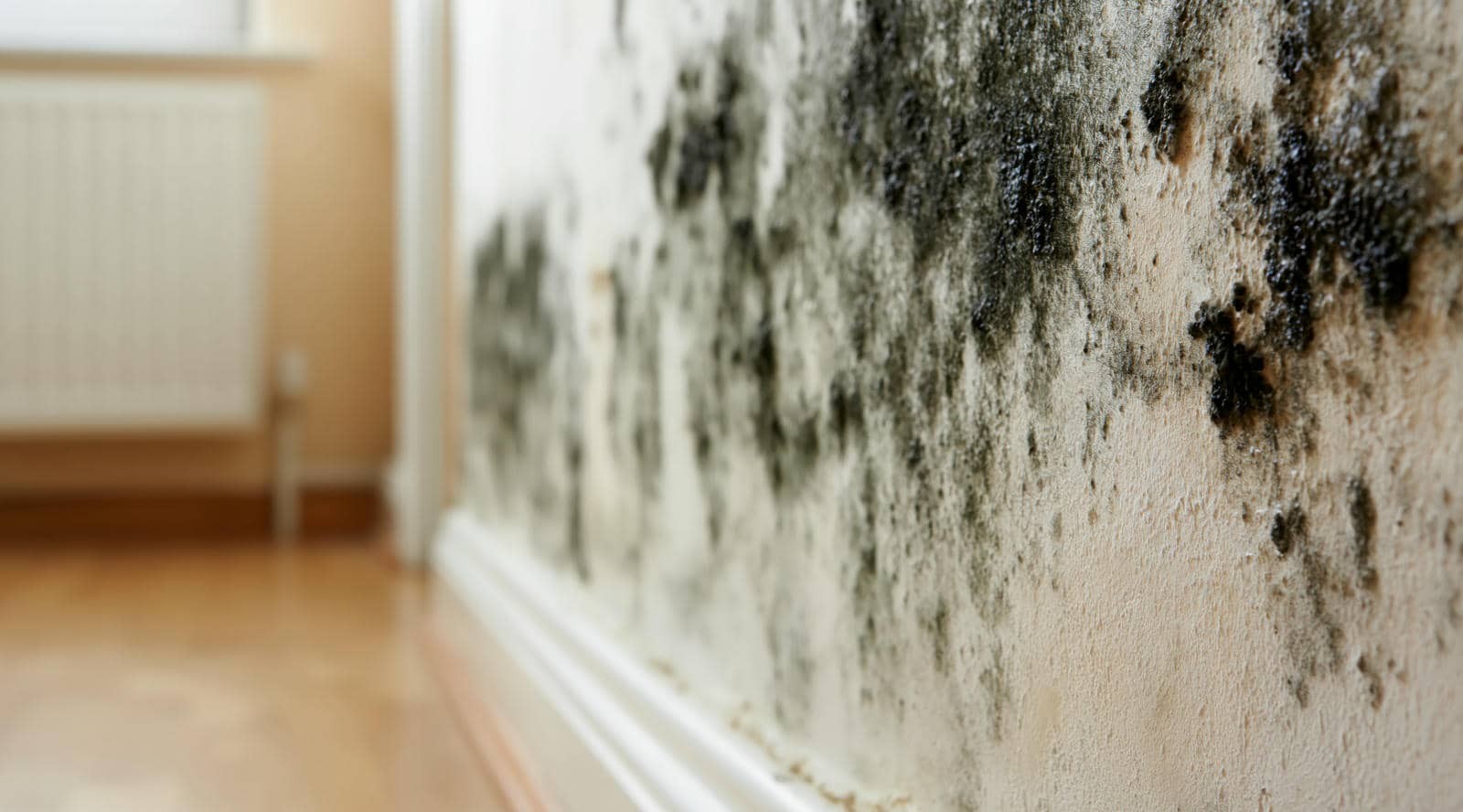
Mold Removal requires a careful, controlled approach to stop growth and prevent contamination from spreading. Start by isolating the affected area, wearing appropriate protective equipment, and addressing the moisture source that allowed mold to develop. Contaminated materials that cannot be restored may need to be removed, while salvageable surfaces should be cleaned, treated, and thoroughly dried. Since mold can hide behind walls, beneath flooring, and in other concealed spaces, proper inspection and moisture control are essential to protect your property and prevent future growth.
Key Takeaways
- Act quickly after sewage backup by shutting off water, restricting access, and documenting damage.
- Mold can start growing within 24 to 48 hours, especially in warm, humid conditions.
- Remove standing water, dry surfaces with fans and dehumidifiers, and check hidden damp areas.
- Wear gloves, goggles, and an N95 respirator when cleaning mold-contaminated materials.
- Hire professionals if sewage reached drywall, insulation, or subfloors, or if contamination lasted over 24 hours.
What To Do Right After a Sewage Backup
If sewage backs up into your home, act fast but safely: shut off the affected water source if you can do so without exposure, keep people and pets out of the contaminated area, and avoid touching standing water or porous materials.
Then ventilate the space, wear gloves, boots, and a respirator if you’ve got one, and document the damage for your insurer.
You should remove washable items and bag any debris without squeezing it.
Follow sanitation protocols by cleaning hard surfaces with detergent first, then disinfecting with an EPA-registered product.
Watch for health risks like gastrointestinal illness, skin irritation, and respiratory symptoms.
If the backup involves widespread contamination, call a licensed restoration team right away.
You don’t have to handle this alone; your safest move is to act methodically and protect everyone at home.
How Fast Mold Grows After Sewage Damage
Mold can begin growing within 24 to 48 hours after sewage damage if moisture remains in place, and that timeline can shrink even more in warm, humid conditions. You’re not overreacting; you’re recognizing a real biological response.
When sewage introduces water, organic material, and contaminants, mold spores settle quickly and exploit favorable growth conditions.
- Warm temperatures accelerate colonization.
- Humidity keeps surfaces viable for growth.
- Porous materials can support faster spread.
You can protect your space by treating the backup as urgent, since visible mold often appears after hidden expansion has already started.
Acting fast helps your home feel safe again and keeps your cleanup plan grounded in sound, practical steps.
Drying Out Walls, Floors, and Hidden Spaces
Once the backup is contained, drying the affected areas becomes the next priority because moisture trapped in walls, subfloors, and cavities keeps mold active.
You’ll need strong moisture control, so remove standing water, pull baseboards if needed, and expose damp materials to measured airflow. Set dehumidifiers to maintain low indoor humidity, and use fans to improve air circulation across wet surfaces.
Open access panels or small inspection cuts only where you can verify hidden wetness, then monitor with a moisture meter until readings return to normal.
You’re not alone in this process; a methodical dry-out protects your home’s structure and helps your space feel safe again.
Keep checking cool corners, wall voids, and floor edges, because lingering dampness can restart growth quickly.
Safe Mold Removal After Sewage Cleanup
With the area dry and moisture levels under control, you can start removing mold safely by treating every contaminated surface as a potential health hazard.
Wear gloves, goggles, and an N95 respirator, then isolate the work zone to protect your home team. Use disposable cleaning supplies, and bag debris as you go.
- Scrub hard surfaces with detergent and warm water.
- Rinse, then disinfect using a sewage-safe product labeled for mold.
- Dry each area completely to support mold prevention.
Focus on nonporous materials first, since porous items may hold residue deeper in the fibers.
Change cloths often, and never spread spores by over-wetting surfaces.
When you finish, inspect seams, corners, and fasteners for hidden growth. A methodical cleanup helps you restore a healthier, safer space.
When to Call a Sewage Cleanup Pro
When does a cleanup job cross the line into professional territory? If sewage has reached drywall, insulation, subfloors, or HVAC ducts, you need a pro.
You’re also safer calling one when backup water sat longer than 24 hours, the odor is strong, or anyone in your home has asthma, a weakened immune system, or other health risks.
A sewage cleanup specialist can isolate the area, remove contaminated materials, disinfect surfaces, and dry the structure with measured airflow and dehumidification. That reduces hidden mold growth and protects your indoor air.
They’ll document damage for insurance claims, which can save time and frustration.
If the spill is large, repetitive, or tied to a main line failure, don’t push through alone—you’re part of a community that handles this the right way together.
Frequently Asked Questions
Can Backup Damage Affect Indoor Air Quality Long-Term?
Yes, it can. You may face lingering indoor pollutants, microbial growth, and odors after backup damage, but prompt cleanup and strong air filtration can restore healthy conditions, reduce exposure, and help you feel secure again.
How Do I Know if Sewage Damaged My Home’s Insulation?
You’ll know through an insulation inspection and sewage assessment: look for discoloration, odors, sagging, dampness, and compressed fibers. You can also test moisture levels, and a pro’ll confirm contamination so you’re not guessing alone.
Can Personal Belongings Be Saved After Mold Exposure?
Yes, you can often save personal belongings after mold exposure, like rescuing valuables from a storm. You should use mold remediation techniques, prioritize personal item preservation, and act fast to protect textiles, documents, and electronics.
Will Insurance Cover Mold Removal After a Sewage Backup?
You’ll often get coverage, but your insurance policies may exclude sewage backups unless you’ve added an endorsement. Check coverage limits, document damage, and file quickly. You’re not alone; adjusters often help guide restoration claims.
How Can I Prevent Future Backups From Causing Mold?
You can prevent future backups by installing backflow valves, scheduling drain inspections, and keeping sump systems maintained. Prioritize preventive measures and moisture control, dry surfaces quickly, and monitor humidity so you’ll protect your home and community.
Wrap-Up
After a sewage backup, you’re the captain of a flooded ship. Act fast, dry every wall, floor, and hidden seam, and scrub hard surfaces with detergent and disinfectant. Wear protective gear, use disposable supplies, and watch for mold in corners and cracks like shadows in a basement. If the damage runs deep or reaches porous materials, you shouldn’t sail alone—call a sewage cleanup pro to steer the cleanup safely and keep your home healthy.