
When a hurricane strikes, the aftermath often reveals significant water intrusion, setting the stage for potential mold growth. Understanding the immediate steps for effective mold cleanup is essential. You need to assess the damage, remove water promptly, and implement drying techniques. But it’s not just about cleaning up; identifying hidden mold and preventing its return are equally important. How you approach these tasks can make all the difference in the safety and integrity of your home.
Key Takeaways
- Document all damage with photos and assess structural integrity to identify areas needing repair and potential mold growth.
- Wear protective gear during cleanup to safeguard against health risks from debris and mold exposure.
- Remove standing water quickly using pumps or vacuums, then deploy dehumidifiers to dry affected areas and prevent mold development.
- Inspect for mold growth in moisture-prone areas, using moisture meters to detect hidden dampness behind walls and floors.
- Consult professionals for extensive mold issues or significant structural damage to ensure safe and effective remediation.
Assessing Hurricane Damage
When assessing hurricane damage, it’s vital to approach the situation systematically to ensure you identify all affected areas.
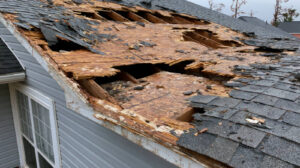
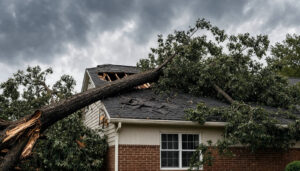
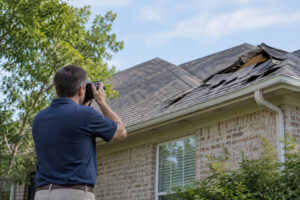
Start by documenting the hurricane aftermath with photographs or videos, ensuring you capture both the exterior and interior of your property. This visual evidence will aid in your damage assessment and facilitate communication with insurance providers.
Next, inspect structural elements like roofs, walls, and foundations for signs of compromise. Pay attention to water intrusion, as moisture can lead to mold growth, complicating future cleanup efforts.
Don’t forget to check essential systems, including electrical, plumbing, and HVAC, as they may have sustained hidden damage.
Finally, compile a detailed inventory of damaged items, noting their condition and value. This organized approach streamlines your recovery process and fosters a sense of community and support as you work through the challenges posed by the hurricane.
Safety Precautions Before Cleanup
After evaluating the hurricane damage, prioritizing safety before starting cleanup is crucial.
Begin by donning appropriate protective gear, including gloves, masks, and goggles, to shield yourself from debris and potential contaminants. These precautions protect your health and foster a sense of community as you tackle this challenging task.
Next, ensure electrical safety. Inspect the area for damaged wiring or appliances before re-establishing power. If you spot any hazards, avoid using electricity and consult a professional electrician.
It’s essential to stay aware of your surroundings, as unseen dangers can lurk in the chaos.
As you prepare, remember that implementing these safety measures isn’t just about protecting yourself—it’s about safeguarding the well-being of everyone involved.
Water Removal Techniques
When dealing with hurricane damage, effective water removal is critical to preventing further issues like mold growth.
You’ll need to start by pumping out any standing water, then employ dehumidification methods to dry out the affected areas.
Finally, removing wet materials promptly will help mitigate damage and promote a safer environment.
Pumping Out Standing Water
Pumping out standing water is a crucial first step in effective mold cleanup and restoration after a hurricane.
Once the storm passes, you need to quickly address water hazards that can escalate into serious problems. Begin by evaluating the extent of standing water in your home. Use a submersible pump or a wet/dry vacuum to efficiently remove the water.
Be cautious, as stagnant water can contain contaminants and pose health risks. Confirm you wear protective gear to safeguard against these hazards.
After extracting the water, inspect the area for damage and moisture retention, as this can lead to mold growth if not addressed promptly. Taking these actions will help you create a safer, healthier environment for you and your family.
Dehumidification Methods Explained
Understanding effective dehumidification methods is crucial for preventing mold growth after a hurricane. You have several dehumidifier options to evaluate, each suited for different environments.
Portable dehumidifiers are great for smaller areas, while whole-house systems provide thorough moisture control throughout your home. When selecting a dehumidifier, check its capacity and energy efficiency ratings to ensure it meets your needs.
Additionally, using fans can enhance air circulation, speeding up the drying process. In tandem with dehumidifiers, keeping windows closed and utilizing HVAC systems helps maintain a controlled environment, minimizing residual moisture.
Effective Wet Material Removal
Although water removal is critical in preventing further damage, knowing the right techniques can make all the difference.
Start by identifying all wet materials, as effective wet material disposal is essential for moisture control. Utilize a wet/dry vacuum for carpets and upholstery, ensuring you extract as much water as possible. For larger areas, consider using submersible pumps to expedite the process.
After initial removal, employ fans and dehumidifiers to promote drying and reduce humidity levels. Remember to inspect hidden areas, like behind walls, where moisture can linger.
Regular monitoring of moisture levels is key to preventing mold growth, so stay vigilant. Implementing these strategies will help you reclaim your space and foster a healthier environment.
Drying and Dehumidification Methods
When a hurricane wreaks havoc on your property, effective drying and dehumidification methods are crucial to prevent further damage and mold growth. Start with a thorough moisture assessment to identify affected areas. This will guide your choice of dehumidifier types, such as refrigerant or desiccant models, depending on your specific needs.
Here’s a quick comparison of common dehumidifier types:
| Dehumidifier Type | Best Use |
|---|---|
| Refrigerant | Warm, humid climates |
| Desiccant | Cold, damp areas |
| Ventilation | Large, open spaces |
| Heat Recovery | Energy-efficient drying |
Utilize fans and open windows to enhance airflow and expedite the drying process. Regularly monitor humidity levels to ensure your home returns to a safe environment. By implementing these methods, you’ll protect your property and promote a healthier living space.
Mold Identification and Inspection
After ensuring your property is dry, the next step involves mold identification and inspection. Understanding the various mold types is essential, as they can differ in appearance and health effects. Common mold types include black mold, which can be toxic, and green mold, often linked to damp areas.
To effectively inspect for mold, utilize thorough inspection techniques. Start by examining areas prone to moisture, like basements and bathrooms. Look for discoloration, musty odors, or visible growth on surfaces. Using a flashlight can help you spot hidden mold in dark corners.
You might also consider employing moisture meters to detect dampness behind walls or under flooring. If you’re uncertain about your findings, don’t hesitate to consult professionals who specialize in mold inspection.
Proper identification sets the foundation for effective remediation and protects your home and health from potential mold hazards.
Effective Mold Removal Strategies
To effectively remove mold from your property, it’s essential to follow a systematic approach that addresses both the visible growth and the underlying moisture issues.
Start by donning protective gear, including gloves, masks, and goggles, to shield yourself from mold spores. Next, gather the right cleanup equipment, like HEPA vacuums and specialized mold removal solutions.
Begin the cleanup process by isolating the affected areas to prevent spores from spreading. Use a damp cloth or sponge to wipe down surfaces, ensuring you don’t dry out the mold, which can release spores into the air.
For porous materials like drywall, it might be necessary to remove and replace them entirely.
Finally, thoroughly dry the area after cleaning to eliminate any remaining moisture, as this is key to preventing mold from returning.
Preventing Future Mold Growth
Although mold can be a persistent problem, implementing proactive measures can greatly decrease its likelihood of returning. You can adopt various mold prevention techniques and humidity control methods to create a healthier environment.
| Mold Prevention Techniques | Humidity Control Methods |
|---|---|
| Regular inspection of damp areas | Use dehumidifiers in high moisture areas |
| Confirm proper ventilation | Seal leaks in windows and roofs |
| Clean and dry water-damaged materials | Maintain indoor humidity below 60% |
When to Seek Professional Help
When evaluating hurricane damage, it’s essential to recognize the severity of the situation.
If you notice extensive mold growth or experience safety concerns like structural instability, it’s time to call in professionals.
Addressing these issues promptly can prevent further damage and health risks.
Severity of Damage
Recognizing the severity of damage after a hurricane is essential for determining whether to seek professional help.
Start with a thorough damage assessment; look for signs of structural integrity issues, such as cracks in walls or sagging ceilings.
If you notice substantial damage—especially if it compromises the home’s safety—it’s vital to consult professionals. They can provide a detailed evaluation and help you understand the full extent of the damage, which may not be immediately visible.
Remember, attempting to handle serious damage on your own can lead to further complications. Trusting experts ensures you’re protecting your home and your well-being.
Don’t hesitate to reach out for help when you recognize that the damage exceeds your comfort level.
Mold Growth Signs
How can you identify mold growth in your home after a hurricane? Look for common mold symptoms, which can indicate the presence of mold. High indoor humidity levels can also promote mold growth, making it essential to monitor these conditions.
Here’s a quick reference table to help you recognize signs of mold:
| Sign | Description | Action |
|---|---|---|
| Visible Mold | Dark spots or fuzzy patches | Investigate further |
| Musty Odor | Persistent, damp smell | Check hidden areas |
| Water Damage | Stains or discoloration on walls | Assess moisture sources |
| Health Issues | Respiratory problems or allergies | Consult a professional |
If you notice any of these signs, it’s time to seek professional help.
Safety Concerns
Even if you’re vigilant about identifying mold, there are vital safety concerns that necessitate professional intervention.
If you encounter any of the following situations, it’s time to call in experts:
- Severe Flood Risks: If water damage is extensive, specialists can assess the full scope of the issue.
- Health Symptoms: If you or your family members experience respiratory issues or allergic reactions, it’s best to let professionals handle the cleanup.
- Structural Damage: When mold is located behind walls or in crawl spaces, you’ll need safety gear and expertise to ensure proper removal.
- Toxic Mold Types: If you suspect black mold, immediate professional help is essential to avoid serious health risks.
Prioritizing safety is vital in mold remediation efforts.
Review
In the wake of a hurricane, you might think the real battle ends with the storm, but ironically, it’s just the beginning. Mold thrives in the aftermath, turning your home into an unwelcome breeding ground. By following the right cleanup strategies—documenting damage, removing water, and ensuring thorough drying—you can reclaim your space. However, ignoring these steps can leave you with more than just water damage; it can lead to a mold nightmare that’s far more difficult to tackle.