Floodwater Removal begins with safety and a careful assessment of the affected property before cleanup starts. Confirm the structure is safe, eliminate electrical hazards if possible, and stop the source of the water before removing any standing water. Once the area is secure, use the proper extraction equipment, begin the drying process quickly, and separate salvageable belongings from contaminated materials. Making the right decisions early helps reduce mold growth, limit structural damage, control repair costs, and improve the chances of a successful recovery.
Key Takeaways
- Prioritize safety: shut off utilities, avoid standing water near الكهرباء, and inspect for structural damage before entering.
- Remove floodwater using pumps or wet/dry vacuums, and direct discharge away from foundations.
- Dry all affected areas quickly with fans and dehumidifiers to limit mold growth.
- Discard unsalvageable materials, clean reusable surfaces, and wear protective gear during cleanup.
- Check hidden moisture with a meter, repair damaged materials, and document losses for insurance.
Check for Unsafe Flood Damage First
Before you start removing floodwater, check for unsafe damage first. You protect everyone when you treat flood safety as your first task.
Inspect floors, walls, stairs, and ceilings for sagging, cracking, or shifting. If you smell gas, hear hissing, see sparks, or find damaged wiring, leave immediately and call emergency services.
Avoid entering rooms with standing water near outlets or appliances. Use a flashlight, not candles. Wear boots, gloves, and eye protection.
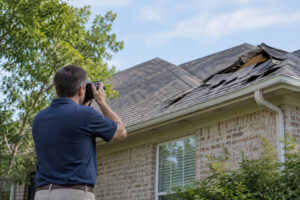
Perform a damage assessment from the safest point possible, and document structural issues with photos. If the building feels unstable, stay out until a qualified professional clears it.
Your caution keeps your crew aligned and prevents injuries. Don’t rush; unsafe conditions can worsen fast and quietly.
Stop the Water and Protect Your Home
Shut off the main water supply and any affected fixtures to stop additional flooding.
Seal gaps at doors, vents, and utility openings with sandbags, towels, or plastic sheeting to limit intrusion.
Move valuables, electronics, and critical documents to higher ground immediately.
Shut Off Water Sources
If floodwater is still entering your home, turn off the main water supply immediately to stop additional flow and reduce the risk of contamination or structural damage.
Locate your water source and use the emergency shutoff valve if the primary supply remains active. Then check nearby fixtures, appliances, and hose connections for pressure release.
- A dark meter box beside the curb
- A metal valve in a basement corner
- A still sink with no fresh flow
- A silent washer line behind the machine
- Dry hands gripping a cold shutoff handle
You’re protecting your household fast, and that matters.
If you share utilities with neighbors, tell them the line is off so everyone stays aligned.
Keep the area clear, document the shutoff, and wait for official clearance before restoring service.
Seal Entry Points
Once the water source is off, block the pathways floodwater uses to get inside. Inspect doors, window frames, foundation cracks, utility penetrations, and garage thresholds for entry point identification. Mark each gap, then clean the surfaces so sealants bond well.
Use waterproof caulk for hairline cracks, expanding foam for larger voids, and weatherstripping for loose doors. Apply sandbags or temporary flood barriers at low openings if water is still rising.
Check exterior vents and pipe sleeves, then reinforce them with compatible sealing techniques. Inside, move along walls and confirm no active seepage remains.
You and your household are stronger when you act fast and methodically. Document every sealed area so you can verify protection later and coordinate the next cleanup step.
Protect Valuables Quickly
Move your most valuable items first, starting with documents, electronics, medications, cash, and family heirlooms. Use emergency packing now; don’t wait for water levels to rise.
Place each item in sealed bags or waterproof bins and move them to valuables storage on an upper floor or in a vehicle. Label boxes clearly so your team can find them fast. Keep one dry tote for essentials you’ll need in 24 hours.
- Passport and IDs
- Laptop and charger
- Prescription bottles
- Wedding photos
- Cash envelope
Work together, stay calm, and clear one room at a time. Keep cords off wet floors and shut down power to affected outlets.
Quick action protects your belongings and helps your household recover with less loss.
Remove Floodwater With the Right Equipment
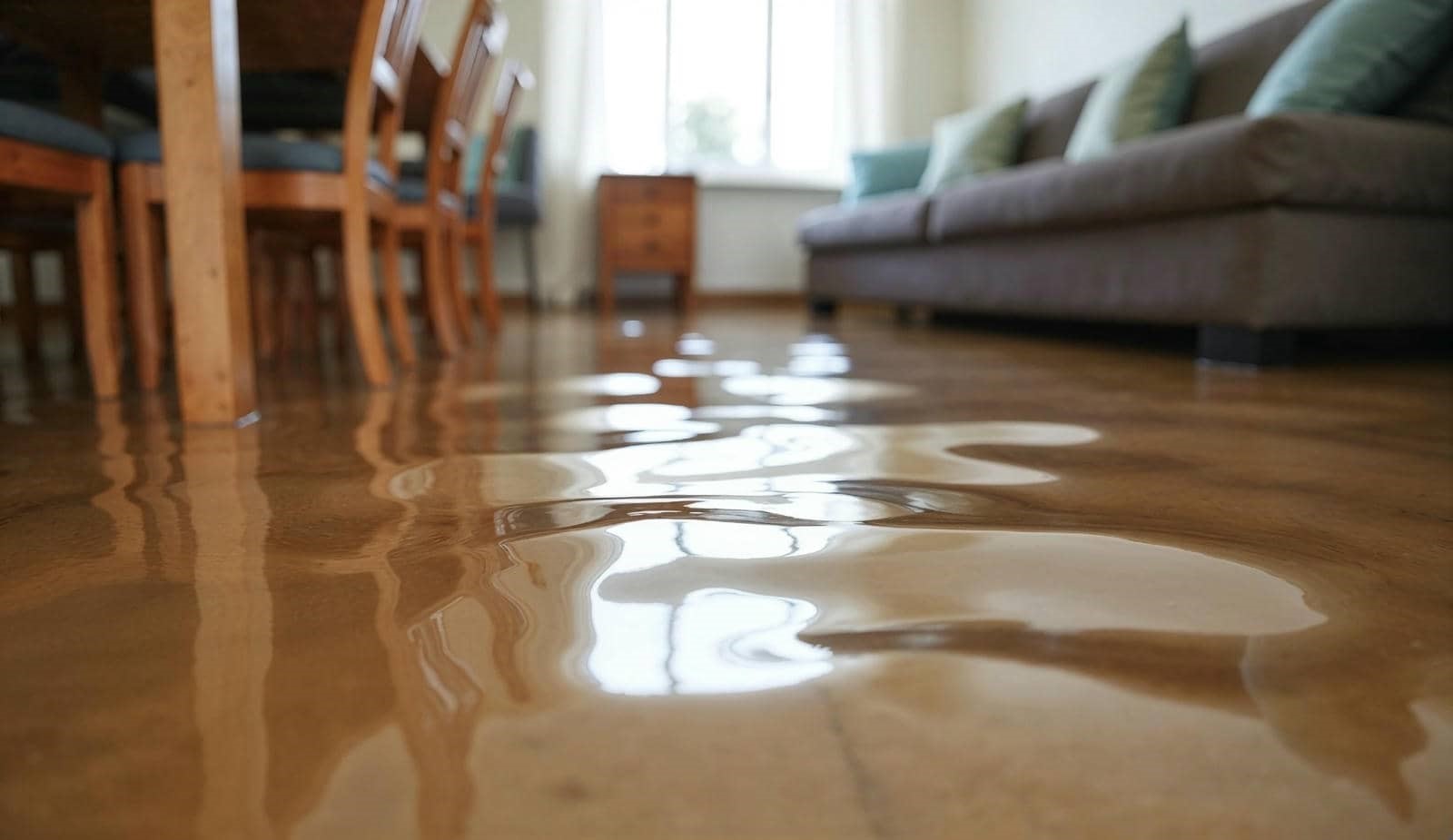
Use submersible pumps, wet/dry vacuums, and heavy-duty hoses to remove floodwater quickly and safely. Choose flood pumps rated for the depth and debris load you’re facing, and place them at the lowest point first.
Use water vacuums for shallow standing water and edge cleanup where pumps can’t reach. Route discharge hoses outdoors and away from foundations so you don’t send water back inside.
Keep electrical cords elevated, grounded, and dry, and shut off power before you start if water is near outlets. Work in sections, monitoring flow so equipment doesn’t clog or run dry.
If you’re part of a cleanup crew, coordinate each pass to clear water efficiently and keep the space under control.
Dry Walls, Floors, and Belongings
Begin drying walls immediately with high airflow, dehumidification, and moisture monitoring to limit structural damage and mold growth.
Remove standing water from flooring, then salvage only materials that haven’t delaminated, warped, or lost bond.
You should clean, dry, and isolate belongings quickly to preserve salvageable items and prevent secondary contamination.
Dry Walls Fast
Once standing water is gone, you need to dry walls, floors, and belongings quickly to slow mold growth and prevent further structural damage.
Open windows if weather allows, run fans, and use dehumidifiers for strong moisture control. Remove baseboards and drill small access holes only if needed to vent trapped air behind wall insulation.
Keep air moving across damp surfaces, and check hidden cavities, corners, and closets daily. You’re not alone in this process; steady action protects your space and your people.
- Humid air streaming out through a cracked window
- A fan pushing dry air along a soggy wall
- Dehumidifier coils beading with collected water
- Towels lifting sheen from a damp floor
- Belongings spaced apart for even drying
Salvage Flooring Materials
If your flooring stayed wet long enough to warp, swell, or delaminate, you need to assess it quickly and separate salvageable materials from those that must be removed.
You should compare flooring types carefully: solid wood may dry and recover if cupping is mild, while laminate, particleboard, and most carpet pads usually can’t be saved.
Lift damaged sections at the perimeter, expose the subfloor, and check for odor, discoloration, and soft spots.
Use salvage techniques like controlled demolition, dehumidification, and targeted air movement to limit secondary damage.
You’re not doing this alone; each sound decision protects your space and helps your team move forward.
Keep only materials that dry flat, stay structurally intact, and show no microbial growth.
Dispose of unsalvageable layers promptly.
Preserve Belongings Safely
After you remove unsalvageable flooring, move quickly to dry the remaining structure and contents before moisture spreads into walls, trim, and furnishings.
Open cavities, run dehumidifiers, and position fans to push air across wet surfaces. Lift rugs, separate stacked items, and wipe salvageable belongings with clean cloths.
Document damage for flood insurance, then store photos and receipts with your emergency kits. Keep family heirlooms, books, and electronics in a dry room until you can assess them.
- A fan streaming across exposed joists
- Boxes of photos raised on blocks
- Damp drywall cut cleanly above the stain
- Shelves lined with drying dishes
- Emergency kits beside labeled salvage piles
Clean Up Contaminated Flood Materials
Before you start restoring the area, remove and discard flood-damaged materials that can’t be cleaned and fully dried, including soaked drywall, insulation, carpet padding, particle board, and heavily contaminated personal items.
You’ll protect your space by separating contaminated debris from salvageable items right away. Wear gloves, boots, eye protection, and a respirator when handling hazardous materials, and bag small waste securely before moving it outside.
Use sealed containers for sharp or biohazardous debris, and never mix flood waste with regular trash unless local rules allow it.
Wash reusable tools and hard surfaces with detergent after each pass.
Work methodically through each room so your team stays organized, reduces cross-contamination, and keeps the cleanup controlled, efficient, and safe for everyone involved.
Stop Mold After Flood Cleanup
Dry all exposed surfaces quickly to stop mold from taking hold after flood cleanup. You should keep air moving, remove wet materials, and monitor humidity below 60% for reliable mold prevention.
Run fans across walls, floors, and framing; then use dehumidifier usage continuously in closed rooms until moisture readings stabilize.
Check hidden cavities, corners, and baseboards with a meter, because trapped dampness breeds spores fast.
Work as a team: share tasks, label affected zones, and verify each pass.
- Wet drywall
- Damp subfloor
- Steam on windows
- Dark corner seams
- Humid air pockets
Repair Flood-Damaged Areas
Remove and replace swollen drywall, warped trim, and contaminated insulation. If you find hidden decay, treat it before closing walls. Use approved materials that match local code and resist future moisture.
Document every loss for flood insurance, and keep receipts, photos, and contractor reports organized.
Reinstall flooring, finishes, and fixtures in sequence so each layer cures properly. Seal joints, improve drainage, and test systems before occupancy.
Work with licensed pros when damage is extensive; you’ll protect your home, reduce repeat repairs, and get back to normal with confidence.
Frequently Asked Questions
How Do I Document Flood Damage for Insurance Claims?
Photograph every affected area, list damaged items, record serial numbers, and save receipts. You’ll need a detailed damage assessment for flood insurance claims, with dates, measurements, and insurer-ready notes that prove loss quickly and clearly.
When Should I Call a Professional Restoration Company?
Call a professional restoration company when water’s rising, mold’s spreading, or structural damage appears. You’ll need an emergency contact, a clear restoration timeline, and expert help fast, so you’re protected, informed, and never alone.
Can I Stay in My Home During Flood Cleanup?
You shouldn’t stay if floodwater, mold, or electrical hazards remain. For flood safety, leave until home inspections confirm structural integrity, contamination control, and dry conditions. You’ll protect your household and belong to recovery support.
How Do I Dispose of Ruined Furniture After Flooding?
You’ll need to drag ruined furniture to a debris pickup point or landfill—like banishing a soggy giant. Check local rules, separate flood damage debris, remove cushions, and document furniture disposal for claims.
What Emergency Supplies Should I Keep for Future Floods?
You should keep flood preparedness kits with water, food, meds, flashlight, batteries, radio, first aid, documents, and chargers. Build emergency communication plans with contacts, meeting points, and alerts so you’re ready, connected, and protected.
Review
Now the water is gone, but the real test begins. If you dry every surface fast, disinfect contaminated materials, and monitor hidden moisture, you can stop damage before it spreads. Check framing, insulation, and drywall for failure, then repair only what is sound. Document everything before you replace it. One missed pocket of dampness can trigger mold, rot, and costly delays. Act now, and you’ll turn a flooded space back into a safe one.