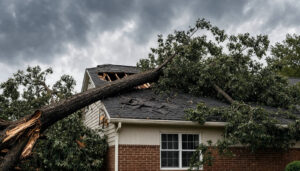
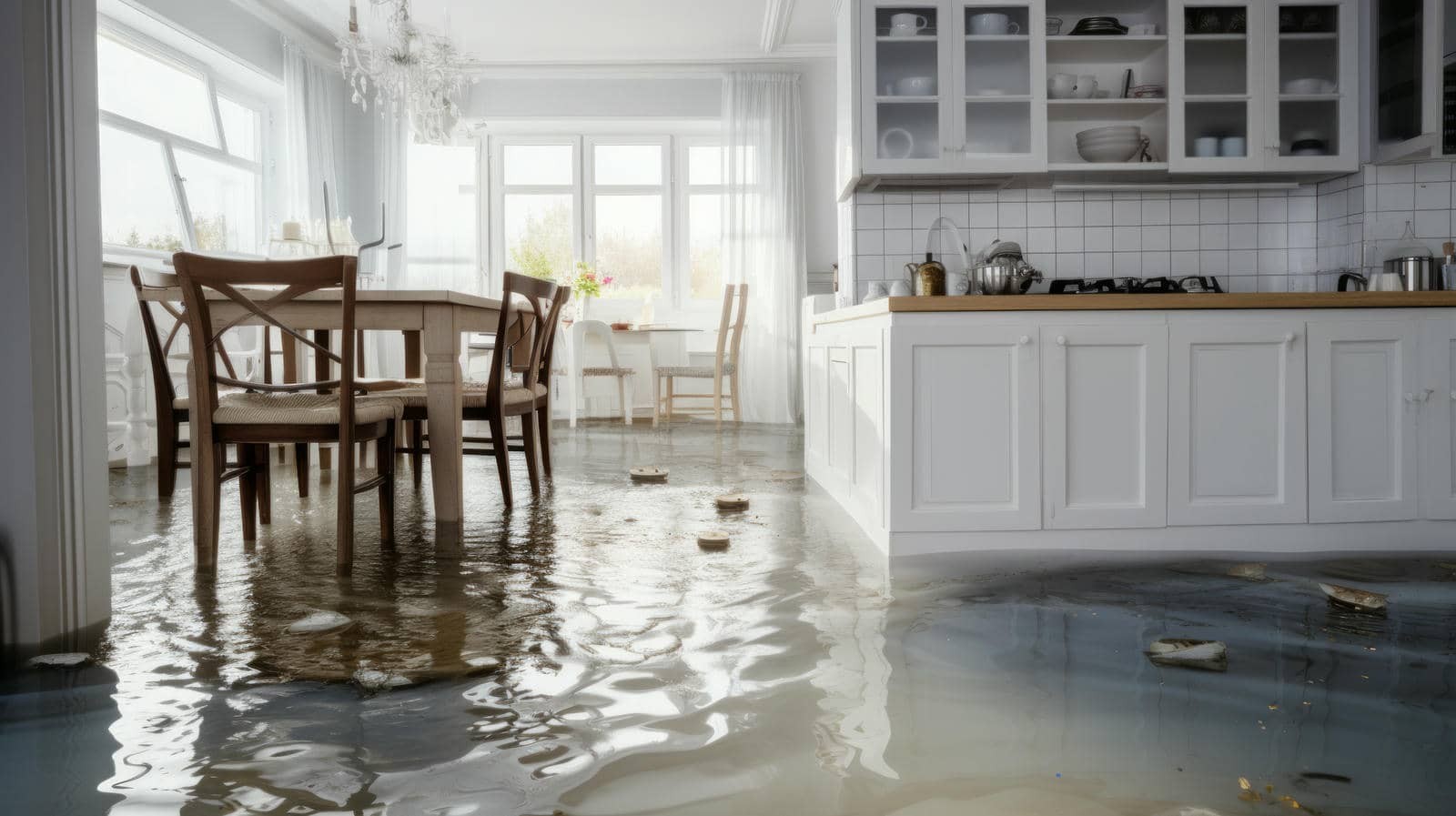
When floods strike, swift action is vital for homeowners. You need to assess the damage immediately to prioritize repairs and ensure your safety by wearing protective gear and shutting off utilities. Effective water extraction techniques can minimize further issues, but the work doesn’t stop there. Once the water is gone, drying and dehumidifying your home becomes necessary to prevent mold growth. However, it’s also important to take into account long-term flood restoration strategies to prevent future incidents.
Key Takeaways
- Assess and document damage thoroughly to prioritize repairs and identify items needing immediate attention.
- Ensure safety by wearing protective gear and checking for structural integrity before starting restoration work.
- Use high-capacity pumps for efficient water extraction and monitor for any remaining water pockets.
- Dry the affected areas quickly with fans and dehumidifiers, while monitoring moisture levels to prevent mold growth.
- Implement preventative measures like improving drainage systems and sealing foundation cracks to mitigate future flood risks.
Assessing the Damage Immediately
As soon as it’s safe to enter your home after a flood, you need to assess the damage to determine the extent of repairs required.
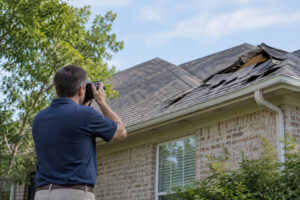
Start with a thorough damage evaluation, documenting all affected areas and items. Take photographs of structural damage, flooring, and personal belongings. This documentation will be essential for your insurance claims, as it provides evidence of your losses.
Check for any waterlogged materials, including drywall, insulation, and furniture, as these can lead to mold growth if not addressed promptly.
Make a list of all damaged items and prioritize them based on their condition and significance.
If you encounter extensive damage, consider consulting professionals who specialize in flood restoration. They can help you navigate the repair process and ensure that your home is safe and livable.
Ensuring Safety and Health Precautions
Once you’ve assessed the damage, your next priority should be to ensure safety and implement health precautions before you begin any cleanup or repairs.
Floodwaters can pose significant health risks, so taking the right steps is essential for your well-being and that of your family.
Here are four key precautions to follow:
- Wear Protective Gear: Use gloves, boots, and masks to safeguard against contaminants in the water.
- Turn Off Utilities: Shut off electricity and gas to prevent accidents and reduce the risk of electrocution.
- Check for Structural Damage: Ensure the stability of your home before entering, as weakened structures may collapse.
- Maintain Emergency Preparedness: Keep a first aid kit handy and stay aware of local health advisories related to the flood.
Effective Water Extraction Techniques
With safety measures in place, it’s time to tackle the water extraction process. Start by evaluating the extent of the flooding, then gather the necessary pumping equipment.
Using high-capacity pumps is vital for effective water removal, as they can quickly eliminate standing water and minimize damage. Submersible pumps are particularly useful for deeper areas, while portable pumps can handle smaller spaces efficiently.
Ensure you position the equipment strategically to maximize water extraction. If possible, use multiple pumps to increase the rate of water removal.
After deploying the pumps, monitor the area closely to identify any remaining water pockets that may require additional attention.
If you’re unable to manage the extraction process yourself, don’t hesitate to reach out to professional restoration services. They possess advanced pumping equipment and expertise, ensuring a thorough and effective water removal process, safeguarding your home from further damage.
Drying and Dehumidifying Your Home
Effective drying and dehumidifying are essential steps in flood restoration, as they prevent mold growth and structural damage.
To successfully manage moisture control in your home, follow these strategies:
- Remove Water: Use pumps or wet vacuums to eliminate standing water immediately.
- Increase Air Circulation: Open windows and doors to enhance airflow, and consider using fans to speed up the drying process.
- Deploy Dehumidifiers: Set up portable dehumidifiers to reduce humidity levels effectively, especially in enclosed spaces.
- Monitor Moisture Levels: Use a moisture meter to track progress, ensuring that surfaces are adequately dried.
Preventing Future Flood Damage
After successfully drying and dehumidifying your home, it’s important to take proactive steps to prevent future flood damage.
Start by evaluating your landscaping solutions. Verify that soil slopes away from your foundation, promoting proper drainage. Consider planting native vegetation that can absorb excess water efficiently.
Next, invest in effective drainage systems. Install French drains or sump pumps to redirect water away from your property.
Regularly clean gutters and downspouts to prevent blockages, which can contribute to water pooling around your home.
You might also want to seal cracks in your foundation and basement walls to keep water from infiltrating.
Additionally, check your roof for leaks and repair any issues promptly to avoid water damage.
Frequently Asked Questions
What Insurance Coverage Should I Have for Flood Damage?
You need flood insurance, which typically isn’t covered under standard policies. Explore coverage options such as building and contents insurance to ensure comprehensive protection. It’s essential to assess your area’s flood risk for adequate coverage.
How Can I Tell if My Home Has Hidden Water Damage?
You’ll spot hidden water damage by examining your walls for water stains or detecting mold growth in damp corners. Trust your instincts; if something feels off, it probably is. Don’t ignore the signs!
Should I Hire Professionals or Attempt DIY Restoration?
You should consider hiring professionals for complex damages, as they offer expertise and advanced tools. However, if you’re confident, DIY techniques can be effective for minor issues, saving you money while gaining valuable experience.
What Items Are Salvageable After a Flood?
You can often salvage items like metal appliances, furniture, and certain electronics after a flood, provided they’re properly cleaned and dried. Prioritize flood recovery efforts to minimize damage and restore your belongings effectively.
How Long Does the Flood Restoration Process Typically Take?
Restoration timelines after flooding often stretch from a few days to several weeks, depending on damage severity. Effective drying techniques can expedite the process, helping you reclaim your space and restore your peace of mind faster.
Recap
In the aftermath of a flood, think of your home as a ship that’s taken on water. You must act swiftly to bail it out, ensuring it doesn’t sink beneath the weight of damage. By evaluating the situation, prioritizing safety, and employing effective restoration techniques, you can salvage your space and prevent future disasters. Remember, just as a vessel requires maintenance to withstand storms, your home needs fortification to brave the elements. Stay proactive, and protect your investment.