You may not realize that the first step in emergency water extraction isn’t removing water at all. When you call a crew, they inspect the source, trace how far it’s spread, and check for electrical or structural hazards before any pumping starts. They’ll also protect key materials and shut off affected systems as needed. That first visit sets the drying plan, and what they find next can change everything.
Key Takeaways
- The first step is to identify and stop the water source to prevent more damage.
- Inspect the area for electrical, slip, and structural hazards before entering.
- Map the wet footprint to find all affected floors, walls, and hidden moisture pockets.
- Set containment and choose the safest extraction method based on water type and severity.
- Remove standing water with pumps, vacuums, and weighted tools, then prepare for drying.
Emergency Water Extraction Explained
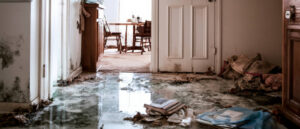
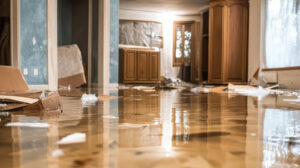
When water enters your home unexpectedly, emergency water extraction removes standing water quickly to limit further damage and prepare the area for structural drying.
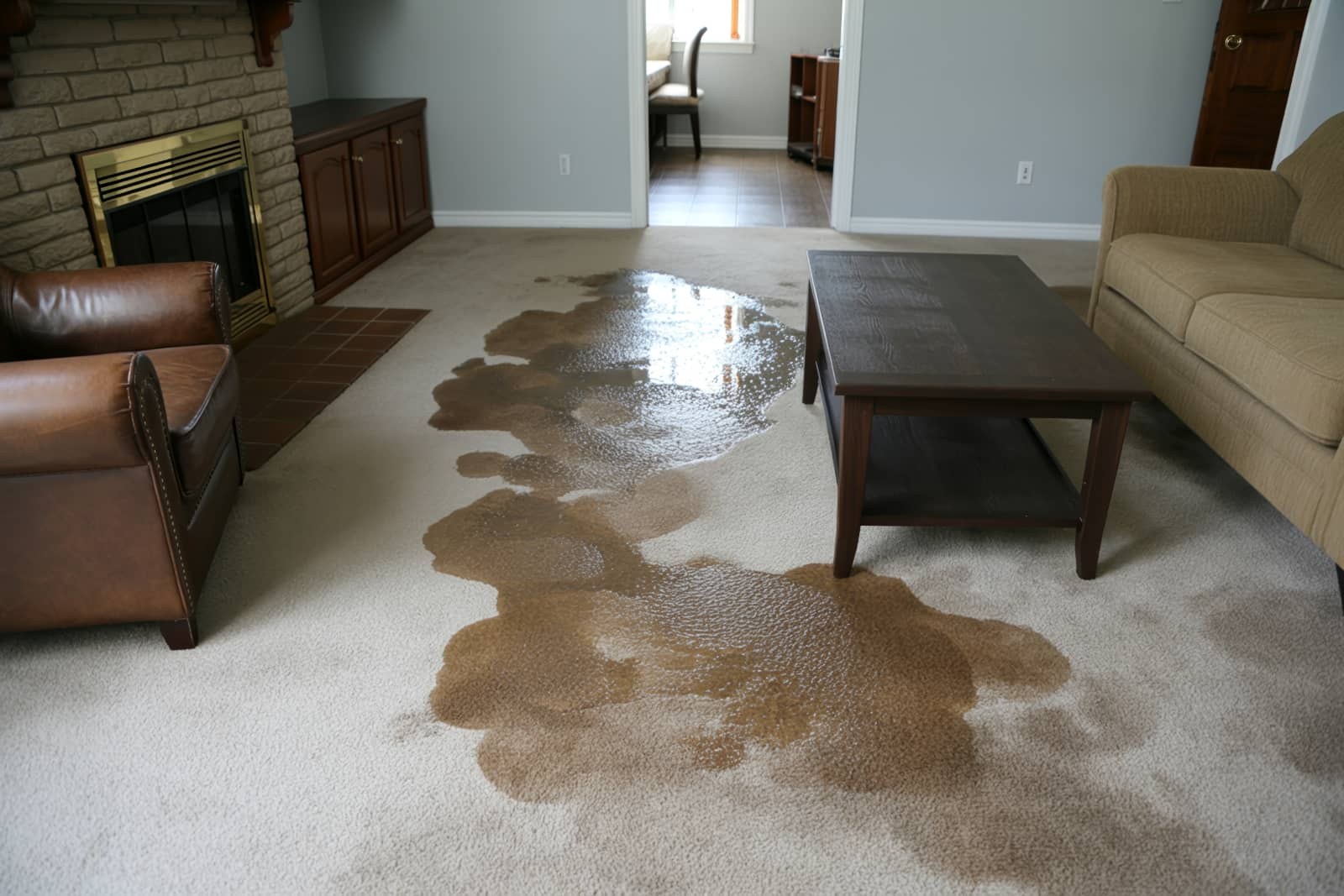
You’ll see crews use pumps, wet vacuums, and weighted extraction tools to pull water from floors, carpets, and hidden pockets. This step in emergency water extraction for homes helps you protect finishes, reduce swelling, and slow material breakdown.
Technicians move methodically so they can clear accessible water first, then address trapped moisture in low spots and absorbent surfaces. By acting fast, you keep conditions safer for your household and create better results for the drying phase that follows.
You’re not facing the damage alone; a trained team works with you to restore control and stabilize the space.
Why Crews Inspect First
You inspect first so you can identify the water source, stop further intrusion, and choose the right extraction method.
You also map how far the water has spread so you can target affected materials and hidden moisture.
Before any equipment starts, you check for electrical, slip, and structural hazards to keep the crew and your home safe.
Assess Water Source
Before crews remove standing water, they inspect the water source to determine the safest and most effective extraction method. You’ll know whether the water came from a clean supply line, a drain backup, or exterior flooding, and that classification guides every next step.
Crews check shutoff points, break source pressure, and verify that the flow has stopped before extraction begins. They also confirm whether the water contains debris or contaminants that require different equipment and protective gear.
This quick assessment helps you avoid spreading unsafe water and lets the team choose pumps, vacuums, and containment measures that fit your home. By identifying the source first, you get a more controlled response, faster removal, and a clearer path to drying your space with confidence.
Map Damage Spread
Once crews know the water source, they inspect how far it’s spread so they can target the full damage area. You’ll see them trace moisture across floors, walls, trim, and subfloors to define the wet footprint.
They use meters, thermal imaging, and visual checks to separate surface water from absorbed moisture, which helps them avoid missing hidden pockets. This mapping tells you which rooms need extraction first and where water has migrated by capillary action or under flooring.
When you understand the spread, you can prioritize equipment placement, reduce re-wetting, and speed up drying. It also helps your team communicate clearly about scope, so everyone works from the same damage picture.
That’s how crews turn confusion into a focused, shared plan.
Check Safety Hazards
Crews inspect safety hazards first because standing water can hide electrical risks, structural weak points, and contamination that change how extraction proceeds.
You’ll see them check breakers, outlets, and submerged cords before anyone moves equipment. They also test floors, stairs, and ceilings for sagging or collapse potential, since water can weaken framing fast.
If sewage, chemicals, or HVAC backflow is present, they’ll isolate the area and use protective gear to keep your home safe and your team protected.
This first pass sets the extraction plan, tells you where entry is safe, and prevents avoidable shock, falls, and exposure.
When you know the hazards were checked, you can trust the process and stay connected to each step of the response.
How Water Extraction Removes Standing Water
Water extraction pulls standing water out of your home with pumps, wet vacuums, and specialized equipment that rapidly lowers surface moisture.
You’ll see crews start in the deepest areas, then work outward so water doesn’t spread back across clean sections. They move methodically, capturing pooled water from floors, carpets, and subfloors before it can soak deeper into materials.
Powerful suction removes bulk water first, then smaller tools lift residue from seams, edges, and low spots. This step reduces swelling, staining, and microbial growth while setting up faster drying.
Because you’re part of a coordinated response, the process feels controlled and efficient. Once the standing water is gone, your space is ready for targeted moisture removal and structural drying.
What Crews Move, Protect, and Shut Off
You’ll need to move furniture fast to clear access for extraction and keep water from wicking into materials.
Crews also protect salvageable belongings with blocks, plastic, and containment, then shut off affected power, water, or gas lines as needed.
That sequence reduces secondary damage and keeps the work area safe for drying.
Move Furniture Quickly
First, move furniture out of the wet area as fast as conditions allow to reduce wicking, staining, and secondary damage. You’ll want your crew to lift, slide, or pivot pieces without dragging them across soaked flooring.
They’ll prioritize upholstered seating, wood tables, rugs, and anything with absorbent padding. For heavy items, they can place blocks or foil pads under legs to limit contact with moisture until removal is complete.
They’ll keep pathways clear so extraction hoses, air movers, and technicians can work safely and efficiently. If an item’s base is already saturated, they may separate cushions, remove drawers, or stand it upright to improve airflow.
This quick, coordinated move helps your home recover faster and keeps your restoration team working as one.
Protect Belongings And Shutoffs
Once the furniture is out of the wet zone, crews protect nearby belongings and control active water sources to prevent further loss.
You’ll see them lift rugs, electronics, photos, and loose décor, then move items to a dry room or elevate them on blocks. They wrap fragile pieces in plastic, place foil or foam under furniture legs, and cover upholstery with breathable protection when needed.
Next, they locate shutoffs for the main supply, fixtures, and appliances, then close valves to stop ongoing leaks. If a line or appliance is still feeding water, they isolate it immediately.
You’re kept informed so you know what’s being saved, what’s being disconnected, and why. This step helps your home stay organized, your valuables stay safer, and the drying plan start without extra moisture.
How Moisture Is Measured After Extraction
After emergency water extraction, technicians measure moisture to confirm how much water remains in walls, floors, and other materials.
You’ll see them use pin and pinless meters for direct and surface readings, then compare results with room temperatures and unaffected areas. This gives your crew a baseline, so they can tell whether hidden dampness still lingers behind drywall, under trim, or inside flooring.
They may also log readings at multiple points in each room to map patterns and spot pockets that need more attention. You don’t need to guess or rely on touch; the numbers guide every decision.
When you stay informed about the readings, you know your home’s condition, and your restoration team can work with confidence, precision, and a shared plan.
How Extraction Sets Up Drying
By removing standing water quickly, extraction gives drying equipment a manageable starting point and prevents excess moisture from spreading deeper into materials.
You create a drier surface zone, so airflow, heat, and dehumidification can work efficiently instead of fighting pooled water. That matters because wet materials release moisture slower once saturation drops.
- You reduce the load on dehumidifiers.
- You limit migration into drywall, trim, and framing.
- You help evaporation begin at the surface.
- You support more even structural drying.
When extraction finishes well, your space joins the drying process sooner and with less hidden moisture.
That means you’re not just removing water; you’re setting conditions that let the rest of the crew work together toward a stable, dry home.
What Happens on the First Visit
On the first visit, the water extraction team inspects the affected areas, identifies the source and spread of water, and determines which materials need immediate removal or special handling.
You’ll get a fast assessment of safety hazards, moisture migration, and access issues so the crew can work efficiently. They set containment, protect unaffected rooms, and map out extraction zones.
Then they use pumps, vacuums, and weighted tools to remove standing water from floors, carpets, and cavities. If your home has contaminated water, they’ll isolate and document affected materials for disposal.
You’ll also hear clear next steps for drying, monitoring, and insurance records. This first pass is designed to stabilize your space, reduce further loss, and help you feel informed and included.
Frequently Asked Questions
How Soon Should Water Extraction Begin After a Leak?
You should begin water extraction immediately, ideally within 24 hours, because delays let moisture spread, weaken materials, and increase mold risk. Act fast, and you’ll protect your home, belongings, and recovery timeline.
Can Extraction Remove Water From Carpets and Padding?
Yes, you can extract water from carpets and padding. You’ll use powerful pumps and vacuums to pull moisture fast, reducing saturation, preventing mold, and preparing your floors for thorough structural drying and restoration.
What if Water Has Reached Electrical Outlets?
If water has reached electrical outlets, you’ll shut off power at the breaker and keep clear. You’ll call a licensed electrician immediately, because energized outlets can shock you and complicate drying, repairs, and safe reentry.
Do I Need to Leave My Home During Extraction?
Think of your home like a worksite: you may need to leave during extraction if electrical, sewage, or structural hazards exist. Your crew will tell you when it’s safe to stay or return.
How Long Does Emergency Water Extraction Usually Take?
You’ll usually see extraction take 1–6 hours, depending on water depth, affected area size, and access. You’ll get faster results when you call promptly, because crews can remove standing water before it spreads further.
Summary
On the first visit, you can expect the crew to size up the situation, check for hazards, and quietly get the water under control. They’ll remove standing water, protect salvageable materials, and pause any systems that could complicate the job. Then they’ll measure moisture to see what’s still hidden. That first pass doesn’t fix everything, but it sets the stage for a cleaner, faster recovery and helps your home start settling back to normal.