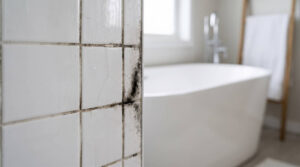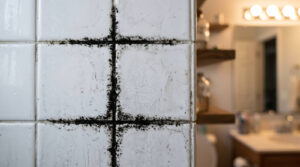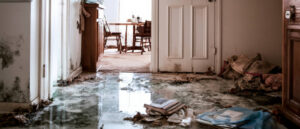
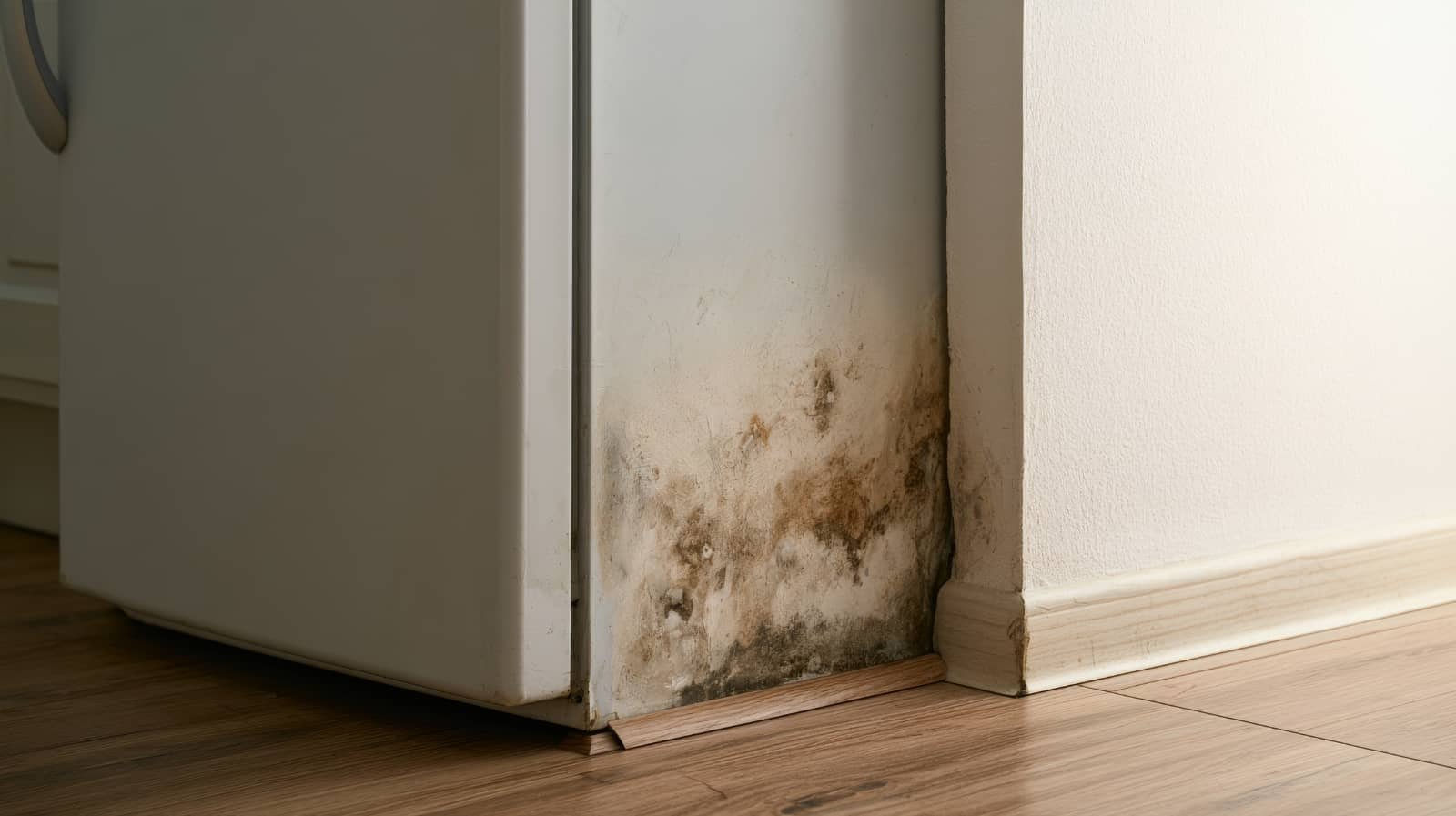
You can sometimes save moldy drywall, but only if the growth stays on the surface and the board is still firm, dry, and unstained beneath the paper face. Once you see swelling, soft spots, or hidden moisture, cleaning alone won’t solve the problem. The real question is whether you’ve found the source and whether the wall has started to fail. What happens next depends on details you can’t afford to miss.
Key Takeaways
- Drywall can be saved when mold is only on the surface and the panel remains firm, dry, and structurally sound.
- Check for staining, swelling, crumbling, soft spots, or dampness; these signs usually mean replacement is needed.
- Small, dry mold spots on sound drywall can often be cleaned with HEPA vacuuming and EPA-registered cleaner.
- Always fix the moisture source first, including leaks, poor ventilation, or high humidity, or mold will return.
- Replace drywall if damage is extensive, hidden growth is suspected, or the wall cavity contains wet insulation or damaged framing.
When Moldy Drywall Can Be Saved
If the mold is limited to the surface and the drywall has stayed structurally sound, you may be able to save it with careful cleaning.
You should inspect the face paper for staining, soft spots, swelling, or crumbling; if you find those signs, mold removal from drywall gets less reliable.
When the growth is light, dry, and confined, you can usually clean the area with HEPA vacuuming, damp wiping, and an EPA-registered cleaner, then dry the surface completely.
You need to wear gloves, eye protection, and an N95 or better, because spores can spread during cleanup.
If the panel feels firm, stays flat, and doesn’t show hidden damage, you’re likely in the safe zone to keep it.
Find and Fix the Moisture Source
You need to identify any hidden leaks behind walls, under floors, or around windows, because mold will return if the source remains active.
Inspect plumbing lines carefully and repair any failures, including slow seepage, loose fittings, or damaged supply and drain pipes.
You should also control humidity buildup with ventilation, dehumidification, and prompt drying of wet materials.
Identify Hidden Leaks
Where’s the moisture coming from? You need to trace hidden leaks before you touch the drywall.
Start with visual clues: staining, swelling, peeling paint, and cool or damp wall sections. Use a moisture meter to map suspect areas, then inspect adjacent spaces, attic framing, exterior penetrations, windows, and baseboards.
Check for condensation on cold surfaces and look for dark trails that suggest water is moving behind finishes. If a leak is intermittent, monitor after rain or heavy use.
You’re not just hunting damage; you’re protecting your space and the people who share it. Document what you find, mark the source, and confirm the area stays dry.
Only when the moisture source is controlled should you assess whether the drywall can truly remain in place.
Repair Plumbing Failures
Once you’ve confirmed the moisture source, repair any plumbing failure before considering drywall cleanup or replacement.
Shut off the water, relieve pressure, and inspect supply lines, drain joints, shutoff valves, and fixture connections for cracking, corrosion, loose fittings, or pinhole leaks.
Replace damaged sections with approved materials, torque fittings to spec, and test each repair under full operating pressure.
If you find intermittent leakage, check for failed seals behind tubs, sinks, or toilets, and verify that the assembly is watertight after reinstallation.
Document what failed, what you replaced, and the test results so you can coordinate with your remediation team.
You’re protecting your space and your people when you correct the plumbing first; otherwise, mold can return and spread in the same wall cavity.
Stop Humidity Buildup
After plumbing repairs, trace any remaining moisture by checking for condensation, roof leaks, exterior wall intrusion, poor ventilation, and high indoor humidity.
You need to identify each source before you seal, clean, or replace drywall, because hidden dampness can keep mold active.
Measure indoor relative humidity; keep it below 60% with exhaust fans, dehumidifiers, and consistent HVAC operation. Vent bathrooms, kitchens, and laundry areas directly outdoors.
Seal penetrations, repair flashing, and improve drainage so exterior water can’t reach the wall cavity.
If you find insulation or framing that’s wet, dry it fully before closing the assembly.
Work methodically with your crew or family, because everyone benefits when the space stays dry, stable, and safe.
When Moldy Drywall Must Be Removed
You should remove moldy drywall when moisture damage has spread through the panel, because surface cleaning won’t restore compromised gypsum or paper backing.
If mold has reached the wall cavity, you’ll likely find contaminated insulation, framing, or hidden surfaces that also need removal and remediation.
In these cases, you must open the assembly, remove affected materials, and correct the source of moisture before replacement.
Extensive Moisture Damage
When moisture has penetrated drywall deeply or stayed in place long enough to soften, swell, delaminate, or discolor the panel, cleaning alone usually won’t solve the problem.
You should treat the sheet as compromised when it loses rigidity, crumbles at edges, or shows widespread staining after drying. In these cases, surface treatment won’t restore strength or reliably remove embedded growth.
You’ll usually get better results by removing the affected section, then correcting the moisture source before replacing it. That approach protects your repair and helps your space feel safe and cohesive again.
If the damage extends across large areas, cuts are cleaner, easier to patch, and less likely to fail later. Trust your inspection: severely waterlogged drywall isn’t a candidate for cosmetic cleanup.
Contaminated Wall Cavities
If mold has moved beyond the drywall surface and contaminated the wall cavity, cleaning the face of the panel usually isn’t enough. You need to assume hidden growth on insulation, framing, or wiring until you inspect the cavity directly.
In that case, you should remove the affected drywall, then evaluate all exposed materials for staining, odor, and softening. If insulation is damp or colonized, replace it. If wood framing shows active growth, clean it only after you correct the moisture source and verify the cavity is dry.
You’ll protect your home best when you work methodically and document what you find. If the contamination is broad, call a qualified remediator so your space can return to a safe, healthy condition with confidence.
How to Clean Small Mold Spots
For a few small mold spots on drywall, a careful surface cleaning may be enough if the drywall is still sound and the moisture source has been corrected.
You should wear gloves, eye protection, and a well-fitted respirator so you can work safely. Lightly dampen the area with detergent solution; don’t dry scrub, which can release spores. Wipe the spot gently with disposable cloths, then clean the surrounding surface and let it dry fully.
Use a fan and dehumidifier to lower humidity, and monitor for any return of staining or musty odor. If the finish softens, crumbles, or the spot keeps growing, the wall isn’t staying dry. At that point, you’ll need a more aggressive repair.
How to Cut Out Moldy Drywall
Cut out moldy drywall when the damage goes beyond a small, cleanable spot or the board has softened, stained through, or started to break apart.
Mark the repair area so you include all visible damage and a little clean margin. Use a utility knife to score the drywall, then cut along the lines with controlled pressure.
Remove screws or nails, and pry the panel free without shaking debris through the room. If you’re working near wiring or plumbing, move slowly and check the cavity before each cut.
Bag the removed pieces right away and keep the edge of the opening crisp. This careful approach helps your crew stay protected and gives you a sound base for the next repair step.
Dry and Disinfect the Area
Once the moldy drywall is out, dry the cavity completely before you disinfect it. You should run fans and a dehumidifier, but don’t trap moisture behind plastic or close the wall too soon.
Check framing, sheathing, and nearby surfaces until they’re dry to the touch and no cool, damp spots remain.
Then apply a registered antimicrobial cleaner or a disinfectant labeled for porous-building materials, following the dwell time on the product label.
Wear gloves, eye protection, and a respirator if residue may become airborne. Work methodically so you don’t miss edges, corners, or fastener holes.
If you stay disciplined here, you help your crew or household move forward with a cleaner, safer repair.
Stop if odors, staining, or dampness persist.
Replace Wet Insulation and Damaged Framing
Pull out any insulation that got wet or shows mold growth, because it can hold moisture and spread contamination even after the drywall is gone. Bag it immediately and remove it from the work area without shaking loose debris.
Next, inspect the framing for staining, soft spots, swelling, or surface growth. If you find damaged studs, plates, or blocking, you’ll need to cut out and replace the compromised sections, not just scrub them. Use dry, sound lumber that matches the existing dimensions, and fasten it securely so the wall stays square and stable.
You’re building back a clean cavity your crew can trust. Before you close the wall, verify that every repaired surface feels dry and firm, with no hidden decay or visible residue left behind.
Prevent Mold From Coming Back
To keep mold from coming back, you have to correct the moisture source, not just clean the surface. You need dry conditions, steady airflow, and routine checks, so your drywall stays stable and your home feels safe for everyone in it.
Seal leaks, maintain gutters, and keep indoor humidity below 60%. Run exhaust fans during showers and cooking, and vent dryers outdoors. If you spot condensation, wipe it quickly and improve insulation around cold surfaces.
- Inspect plumbing under sinks and behind walls
- Use a dehumidifier in damp rooms
- Keep furniture a few inches off exterior walls
- Replace stained caulk and failed weatherstripping
When to Call a Mold Professional
Call a mold professional when the affected drywall covers a large area, mold keeps returning after cleaning, or the material has been soaked by a leak or flood.
You should also call one if you smell a strong musty odor, see staining behind paint, or suspect hidden growth inside wall cavities.
Professionals can test moisture, inspect framing, and determine whether you can safely save the drywall or need full replacement.
If you have asthma, allergies, or immune concerns, don’t take risks; belong to the group that protects health first.
A trained remediator will contain spores, remove contaminated material, and correct the moisture source.
That’s the standard you want when the damage feels beyond simple cleanup.
Frequently Asked Questions
How Quickly Can Mold Grow on Drywall?
Mold can grow on drywall within 24 to 48 hours after moisture exposure, and you’ll see visible colonies in 3 to 12 days if conditions stay damp, warm, and poorly ventilated.
Is Black Mold Always Dangerous?
No, black mold isn’t always dangerous, but you shouldn’t assume it’s harmless. You can’t judge risk by color alone; species, exposure, and moisture matter. You’ll protect your space by testing, drying, and evaluating damage carefully.
Can Painting Over Mold Stop It?
No, you can’t paint over mold and stop it; you’ll only hide the growth briefly. You need to eliminate moisture, clean or remove contaminated drywall, then prime and repaint for a lasting, safe result.
Does Bleach Kill Mold on Drywall?
Bleach can kill surface mold on drywall, but you can’t rely on it for porous material. You’ll need to dry the area, fix moisture, and remove damaged drywall if growth has penetrated deeply.
Will a Dehumidifier Prevent Drywall Mold?
Yes, you can slow drywall mold with a dehumidifier, like drying a damp cave, but you won’t stop it if leaks or condensation remain. You’ve got to keep humidity below 60% and fix moisture sources.
Conclusion
When you treat moldy drywall, think of it as a warning flag, not just a stain. If the surface is dry, firm, and the damage stays small, you can often clean it and move on. But if the board feels soft, swollen, or keeps darkening, cut it out. Fix the moisture source, dry every layer, and replace what’s compromised. If growth runs deep or spreads fast, call a mold professional.