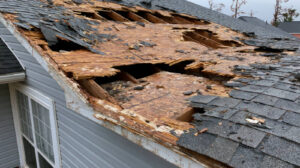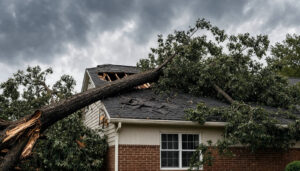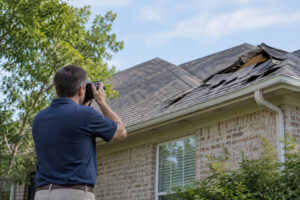

When a ceiling leak occurs, you might notice dark spots forming, signaling potential mold growth. It’s important to act quickly, as mold can develop within 24 to 48 hours after water exposure. Understanding the steps involved in effective mold remediation is fundamental to ensuring a safe living environment. From identifying the source of the leak to employing the right removal techniques, each phase plays an essential role in your home’s recovery. What comes next is significant for long-term prevention.
Key Takeaways
- Identify and repair the source of ceiling leaks to prevent further moisture accumulation and mold growth.
- Use a combination of N95 respirators, gloves, and goggles for personal protection during mold remediation.
- Clean affected areas with mold-specific solutions, following manufacturer instructions for effectiveness.
- Utilize dehumidifiers and industrial fans to reduce humidity and expedite drying after cleanup.
- Conduct post-remediation inspections using moisture meters to ensure no residual mold or moisture remains.
Understanding the Impact of Ceiling Leaks on Mold Growth
When a ceiling leaks, it creates the perfect environment for mold growth, especially in humid conditions. Mold thrives on moisture sources, and a leaking ceiling provides an ideal substrate for its lifecycle to flourish.
The mold lifecycle begins with spores that settle on wet surfaces, quickly germinating in the presence of persistent moisture. Once established, mold can spread rapidly, releasing more spores into the environment, which can lead to health issues for you and your loved ones.
To effectively combat mold growth, it’s essential to address the moisture sources causing the leak. Regular inspections and prompt repairs can greatly reduce the risk of mold proliferation.
Understanding the relationship between ceiling leaks and mold development empowers you to take proactive measures, ensuring a healthier living space. By being vigilant, you’re safeguarding your home and fostering a sense of community and support among those who share similar concerns.
Identifying Signs of Mold After Water Damage
After experiencing water damage, it’s essential to identify signs of mold promptly.
Look for visual indicators like discoloration on walls or ceilings, and pay attention to any musty odors that may arise.
Recognizing these symptoms early can help you address the issue before it escalates.
Visual Indicators of Mold
Visual indicators of mold can emerge quickly following water damage, making it essential to recognize them promptly.
You should look for discoloration on walls, ceilings, or floors, which may appear as green, black, or white spots. These variations indicate different mold types, each carrying unique health risks.
Peeling paint or wallpaper can also signal underlying mold growth, necessitating immediate attention.
If you notice water stains or damp patches, they’re often precursors to mold development.
Additionally, check for any fuzzy or slimy textures, as these are common signs of mold proliferation.
Being vigilant about these visual indicators can help you mitigate potential health issues and promote a safer living environment for you and your loved ones.
Musty Odor Detection
How can you tell if mold is lurking in your home after water damage? One of the most telling signs is musty scent identification. If you detect a damp, earthy odor, it’s likely that mold is present.
This scent often indicates hidden moisture, creating an ideal environment for mold growth. To address this, you can employ odor elimination techniques such as using dehumidifiers to reduce humidity levels and improving ventilation in affected areas.
Additionally, sealing leaks and repairing water damage promptly is essential in preventing mold proliferation. Regularly inspecting your home for these odors, especially after water incidents, fosters a healthier living environment and helps maintain a sense of belonging within your space.
Stay vigilant and proactive in your mold management efforts.
Safety Precautions Before Starting Remediation
Before you begin mold remediation, it’s vital to prioritize safety to protect yourself and others in the vicinity. Here’s a quick reference table to help guide your preparations:
| Safety Equipment | Purpose | Disposal Method |
|---|---|---|
| N95 Respirator | Protects against inhaling spores | Seal in plastic bags |
| Gloves | Prevents skin contact with mold | Dispose of after use |
| Goggles | Shield eyes from irritants | Clean and reuse or dispose |
| Protective Clothing | Prevents mold exposure on skin | Clean and reuse or dispose of |
| Ventilation Equipment | Ensures airflow and reduces spores | Follow local regulations |
Using personal protective equipment (PPE) is imperative. Make sure you have proper gear and understand safe disposal methods for contaminated materials. By taking these precautions, you contribute to a safer environment for everyone involved in the remediation process.
Assessing the Extent of Mold Infestation
After ensuring safety precautions are in place, the next step is evaluating the extent of mold infestation.
Start by identifying the affected areas, as different mold types thrive under specific growth conditions. Look for visible mold on surfaces, such as ceilings, walls, and insulation. Pay attention to dark spots, discoloration, or a musty odor, which often indicate hidden infestations.
Use moisture meters to assess humidity levels, since excess moisture promotes mold growth. Remember that certain mold types, like black mold, can pose health risks, so it’s essential to gauge the severity accurately.
Document your findings with photographs and notes, noting the size and location of mold patches. This assessment will guide your remediation efforts and help you communicate the issue effectively, fostering a sense of community and support as you address the problem.
Understanding the extent of infestation is critical for a successful mold remediation process.
Effective Mold Removal Techniques
To effectively remove mold, you need to first identify all areas of mold growth within your space.
Next, use appropriate cleaning solutions that target mold spores while ensuring safety.
Finally, a thorough drying process is essential to prevent future mold development.
Identify Mold Growth Areas
Identifying mold growth areas is essential for effective remediation following ceiling leaks. You need to focus on specific locations where moisture accumulates, as these spots are prime for mold development.
Use appropriate mold detection techniques and moisture measurement tools to assess the extent of the issue. Here are three critical areas to inspect:
Ceiling and Walls: Check for discoloration or peeling paint, which may indicate hidden mold.
Insulation: Inspect any insulation in the ceiling space; this can trap moisture and support mold growth.
HVAC Systems: Verify vents and ducts are clear of mold, as they can spread spores throughout your home.
Use Proper Cleaning Solutions
When it comes to effectively removing mold, using the right cleaning solutions is crucial. Opt for cleaning agents specifically formulated for mold remediation, as they’ll ensure solution effectiveness. Common choices include hydrogen peroxide, vinegar, and commercial mold removers, which target mold spores and prevent further infestation.
Always follow the manufacturer’s instructions to maximize their efficacy. Before application, verify the surface is free of debris, allowing the cleaning agents to penetrate effectively.
When using any solution, wear protective gear to safeguard yourself from harmful spores. Remember, the right cleaning solutions help eliminate visible mold and inhibit future growth, fostering a healthier environment.
Make informed choices, and you’ll create a space that feels safe and welcoming for everyone.
Ensure Thorough Drying Process
After using the right cleaning solutions, ensuring a thorough drying process is essential in preventing mold’s return.
Effective moisture control is critical, and utilizing proper drying equipment can make all the difference. Here are three key steps to follow:
Deploy Industrial Fans: Use high-velocity fans to circulate air and expedite evaporation.
Utilize Dehumidifiers: These devices help reduce humidity levels, aiding in moisture control and preventing mold growth.
Monitor Moisture Levels: Regularly check humidity levels with a hygrometer to ensure they stay below 60%.
Preventing Future Mold Growth
To effectively prevent future mold growth, maintaining a dry environment is vital. Utilize mold-resistant materials during construction or renovation, as these can considerably reduce moisture retention. Regular maintenance is important—check for leaks, inspect your roof, and ensure proper ventilation in bathrooms and kitchens.
Here’s a quick reference table to help you stay proactive:
| Action | Frequency | Benefits |
|---|---|---|
| Inspect plumbing | Monthly | Early leak detection |
| Clean gutters | Bi-annually | Prevent water overflow |
| Run dehumidifiers | As needed | Reduce humidity levels |
| Seal windows & doors | Annually | Prevent moisture intrusion |
Professional vs. DIY Mold Remediation
Addressing mold growth effectively often leads homeowners to contemplate their options for remediation. You can choose between DIY techniques and professional services. Each approach has its merits and challenges, so it’s essential to weigh them carefully.
Cost Comparison: DIY methods may save money upfront, but consider potential hidden costs, like equipment needs or redoing the job.
Time Efficiency: Professionals often work faster due to experience and access to specialized tools, while DIY can lead to delays if you aren’t familiar with the process.
Safety Protocols: Remediation requires adherence to safety protocols. Professionals are trained to handle hazardous materials, while DIYers may lack the necessary knowledge or equipment.
Ultimately, your choice should hinge on your comfort level with mold remediation, the extent of the issue, and how quickly you want it resolved.
Balancing these factors will help you make the best decision for your home.
Importance of Post-Remediation Inspection and Testing
While you may feel relieved after completing mold remediation, it’s essential not to overlook the importance of post-remediation inspection and testing. This step verifies the post-remediation effectiveness of your efforts, ensuring that no residual mold spores linger in your home.
Implementing thorough inspection protocols allows you to assess the affected areas and confirm that moisture levels are within acceptable ranges, preventing future growth.
During this process, professionals often utilize advanced tools like moisture meters and air quality tests to detect hidden mold. By conducting these evaluations, you protect your living environment and foster a sense of belonging within your community by maintaining safe, healthy spaces for everyone.
Ultimately, post-remediation inspection and testing provide peace of mind, confirming that your home is mold-free and ensuring that your remediation efforts were successful.
Don’t skip this essential step; it’s critical for your health and well-being.
Final Thoughts
Effective mold remediation after ceiling leaks is essential for maintaining a healthy indoor environment. By promptly addressing leaks, ensuring proper safety measures, and employing effective removal techniques, you can greatly reduce the risk of mold-related health issues. Don’t forget to conduct post-remediation inspections to confirm that your efforts have successfully eliminated the problem and prevented future growth.