Many people underestimate the health risks associated with black mold, often dismissing it as just an aesthetic issue. However, its presence can lead to serious respiratory problems and other health complications. Identifying and removing black mold requires a thorough approach, combining inspection, effective remediation, and preventive strategies. Understanding these facets is essential for safeguarding your indoor environment, but you might be surprised by the complexities involved in effective mold management.
Key Takeaways
- Conduct thorough inspections in high-risk areas like bathrooms, kitchens, basements, and attics to identify black mold presence.
- Utilize professional mold removal services for advanced remediation techniques and thorough assessments of mold type and extent.
- Implement effective water damage repair methods, including water extraction and structural drying, to prevent mold growth.
- Use DIY cleaning solutions like bleach, vinegar, or baking soda for non-porous surfaces, ensuring proper protective gear is worn.
- Maintain low humidity levels and promptly address leaks or spills to prevent future mold growth and ensure a healthier home environment.
Understanding Black Mold and Its Risks
Black mold, often referred to as Stachybotrys chartarum, poses significant health risks that shouldn’t be underestimated. Understanding its biology is essential for recognizing the dangers it presents.
This mold thrives in damp, humid environments, often fueled by environmental factors such as water leaks and poor ventilation. When indoor humidity exceeds 60%, it creates an ideal breeding ground for mold spores, which can easily spread throughout your home.
Exposure to black mold can lead to a range of health issues, from respiratory problems to skin irritations. Those with allergies or compromised immune systems are particularly vulnerable.
You should be proactive in addressing any moisture issues in your living space to mitigate the risk of mold growth. By staying informed about mold biology and its environmental requirements, you can take steps to safeguard your health and create a safe, welcoming environment for yourself and your loved ones.
Identifying Signs of Black Mold in Ceilings
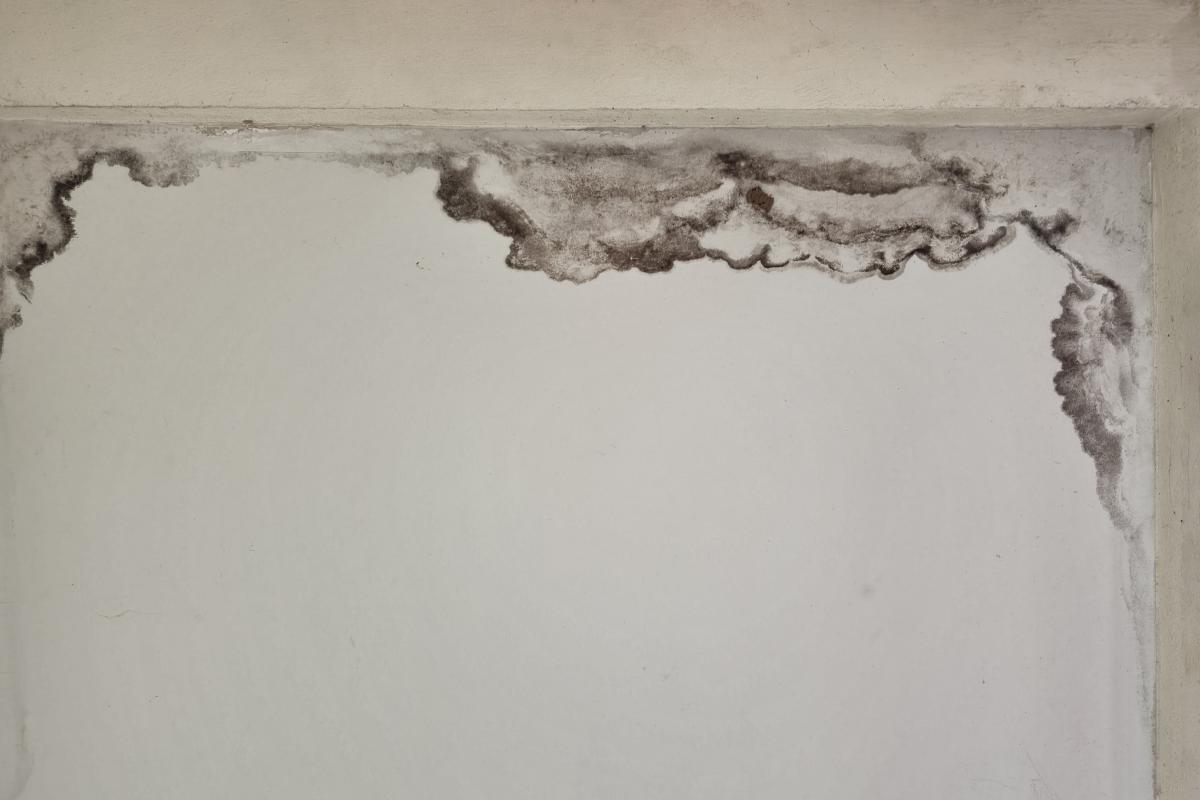
When inspecting your ceilings for black mold, look for visual indicators such as dark spots or discoloration that may signify growth.
Additionally, pay attention to any health symptoms you or your family members may experience, like respiratory issues or persistent headaches, as these can be linked to mold exposure.
Identifying these signs early can help you address the problem before it escalates.
Visual Indicators to Spot
Identifying the signs of black mold in ceilings is essential for maintaining a healthy indoor environment.
Start by performing a thorough mold color identification; black mold typically appears as dark green or black patches.
Next, conduct a surface texture analysis. You might notice a fuzzy or slimy texture, indicating mold growth.
Pay attention to any discoloration or staining, which can manifest as dark spots or streaks, often accompanied by a musty odor.
Look for water damage or condensation, as these conditions promote mold development.
Regular inspections can help you catch problems early, ensuring a safe space for you and your loved ones.
Health Symptoms to Monitor
How can you tell if black mold is affecting your health?
It’s essential to practice symptom recognition, as the health effects can be subtle yet significant. Watch for respiratory issues, like persistent cough, wheezing, or difficulty breathing. You might also experience nasal congestion, skin irritations, or eye irritation.
Fatigue and headaches can accompany these symptoms, signaling an underlying problem. If you notice any of these signs, consider your environment—especially ceilings where mold often thrives.
Don’t ignore these symptoms; they can worsen over time or affect those with weakened immune systems. Staying vigilant can help you protect yourself and your loved ones from the harmful impact of black mold.
Trust your instincts and seek professional assistance when in doubt.
Effective Water Damage Repair Techniques
Although water damage can be an intimidating challenge, employing effective repair techniques can considerably mitigate its impact.
Start with water extraction to remove any standing water, as this is vital in preventing further damage and mold growth. You can use a wet/dry vacuum or a sump pump, depending on the extent of the water.
After extraction, focus on structural drying. Open windows to promote airflow, and utilize fans or dehumidifiers to expedite the drying process. This is critical for preventing hidden moisture that can lead to mold development.
Inspect materials like drywall and flooring; if they’re saturated, you may need to replace them to ensure a thorough repair.
Professional Mold Removal Services
When faced with mold issues, seeking professional mold removal services is essential for effective resolution. These experts utilize advanced mold remediation techniques, ensuring a thorough and safe removal process. You’ll benefit from their specialized knowledge, which includes identifying the type of mold and evaluating the extent of the infestation through professional assessments.
Hiring professionals ensures the eradication of mold and prevents future outbreaks. They employ equipment and methods that are beyond standard capabilities, providing a deeper clean and a more effective barrier against mold recurrence.
Additionally, professionals will guide you through the necessary steps to restore your space, creating a healthier environment for you and your loved ones. By choosing a trusted mold removal service, you embrace a proactive approach, fostering a sense of belonging in a safe and mold-free home.
Your peace of mind is their priority, and it’s a decision you won’t regret.
DIY Methods for Black Mold Elimination
If you prefer a hands-on approach, you can effectively tackle black mold removal using several DIY methods.
Start by creating a cleaning solution with one part bleach to three parts water. This powerful mixture can eliminate mold from non-porous surfaces. Always wear protective gear, including gloves and a mask, to safeguard against spores.
For smaller areas, consider using white vinegar, which naturally inhibits mold growth. Spray it directly onto the affected surface, let it sit for an hour, then wipe it clean.
Baking soda is another effective cleaning solution; mix it with water to form a paste, apply it to the moldy area, and scrub gently.
After using these methods, make sure the area is thoroughly dried to prevent future mold growth.
Preventive Measures to Avoid Future Mold Growth
To prevent future mold growth, you need to control indoor humidity levels, ensuring they stay between 30% and 60%.
Proper ventilation in areas like bathrooms and kitchens is essential, as it helps reduce moisture buildup.
Additionally, regularly inspecting potential problem areas, such as basements and around windows, will allow you to catch any issues before they escalate.
Control Indoor Humidity Levels
Controlling indoor humidity levels is essential for preventing future mold growth, as high moisture creates an ideal environment for mold spores to thrive.
Effective humidity control involves proactive moisture management strategies. Here are four key actions you can take:
- Use Dehumidifiers: Invest in quality dehumidifiers to maintain suitable indoor humidity levels, ideally between 30-60%.
- Monitor Humidity: Use hygrometers to regularly check humidity levels, allowing you to adjust your strategies accordingly.
- Seal Leaks: Inspect your home for leaks and seal any gaps to prevent moisture intrusion.
- Dry Wet Areas: Quickly dry any wet surfaces or spills to minimize moisture accumulation.
Ensure Proper Ventilation
Maintaining proper ventilation in your home is essential for preventing mold growth, especially after implementing humidity control measures.
Effective ventilation systems promote ideal air circulation, reducing stagnant air and minimizing moisture buildup. Make sure to regularly open windows and use exhaust fans in kitchens and bathrooms to expel humid air.
Additionally, consider installing energy-efficient ventilation systems that enhance airflow throughout your home. It’s vital to check that vents aren’t blocked by furniture or other obstructions, as this can hinder air movement.
By prioritizing proper ventilation, you protect your home from future mold infestations and create a healthier living environment for you and your loved ones.
Regularly Inspect Areas
While you may not think about it often, regularly inspecting areas prone to moisture is crucial for preventing future mold growth.
Establishing a consistent inspection frequency safeguards your home and fosters a sense of belonging within your space.
Here are four key areas to focus on during your inspections:
- Bathrooms: Check around sinks, tubs, and toilets for leaks or condensation.
- Kitchens: Inspect under sinks and around appliances for any signs of moisture.
- Basements: Look for water intrusion or dampness, particularly after heavy rains.
- Attics: Verify vents are clear and check for any signs of roof leaks.
Conclusion
Addressing black mold effectively is essential for your health and home. Many homes in the U.S. experience some form of mold growth. By understanding its risks, identifying early signs, and employing both professional and DIY removal methods, you can safeguard your indoor environment. Remember to implement preventive measures to keep humidity in check and moisture at bay. Taking these steps ensures a safer, healthier living space for you and your loved ones.