When storm damage hits, it can feel overwhelming, but taking the right steps can make the process manageable and affordable. Start by evaluating the damage and ensuring your safety. Next, document everything for insurance claims to maximize your coverage. But what about finding reliable repair services without breaking the bank? Let’s explore the essential steps to navigate this situation wisely and efficiently.
Key Takeaways
- Start with safety precautions by wearing sturdy shoes and gloves, and assessing hazards before evaluating storm damage.
- Document all damage with comprehensive photos and detailed notes to support your insurance claims.
- Consider temporary repairs like covering broken windows with tarps or using buckets to catch leaks to prevent further damage.
- Seek affordable repair services by obtaining multiple quotes, checking online reviews, and getting referrals from trusted sources.
- Evaluate the need for professional help if the damage is extensive or beyond your skill level to ensure safety and effective repairs.
Assessing the Damage: Safety First
Before you step outside to evaluate storm damage, it’s vital to prioritize safety. Start by following established safety protocols to protect yourself and your loved ones. Put on sturdy shoes and gloves, and consider wearing a hard hat if you suspect there might be falling debris.
As you step outside, focus on hazard identification. Look for downed power lines, unstable structures, or sharp objects that could cause injury. Keep a safe distance from any hazards, and if you spot a problem, report it to the appropriate authorities.
It’s also wise to have a buddy system in place—if you can, have someone accompany you during the evaluation. This enhances safety and fosters a sense of community.
Documenting the Damage for Insurance Claims
When filing an insurance claim for storm damage, meticulous documentation is key.
Start by taking extensive photos of the affected areas, then record detailed notes about what you observe.
Finally, gather repair estimates to support your claim and ensure you’re fully prepared for the process ahead.
Take Comprehensive Photos
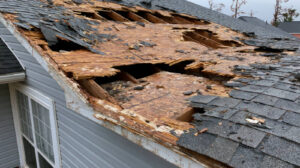
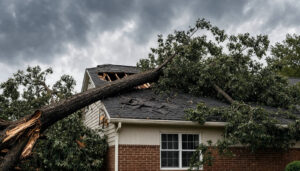
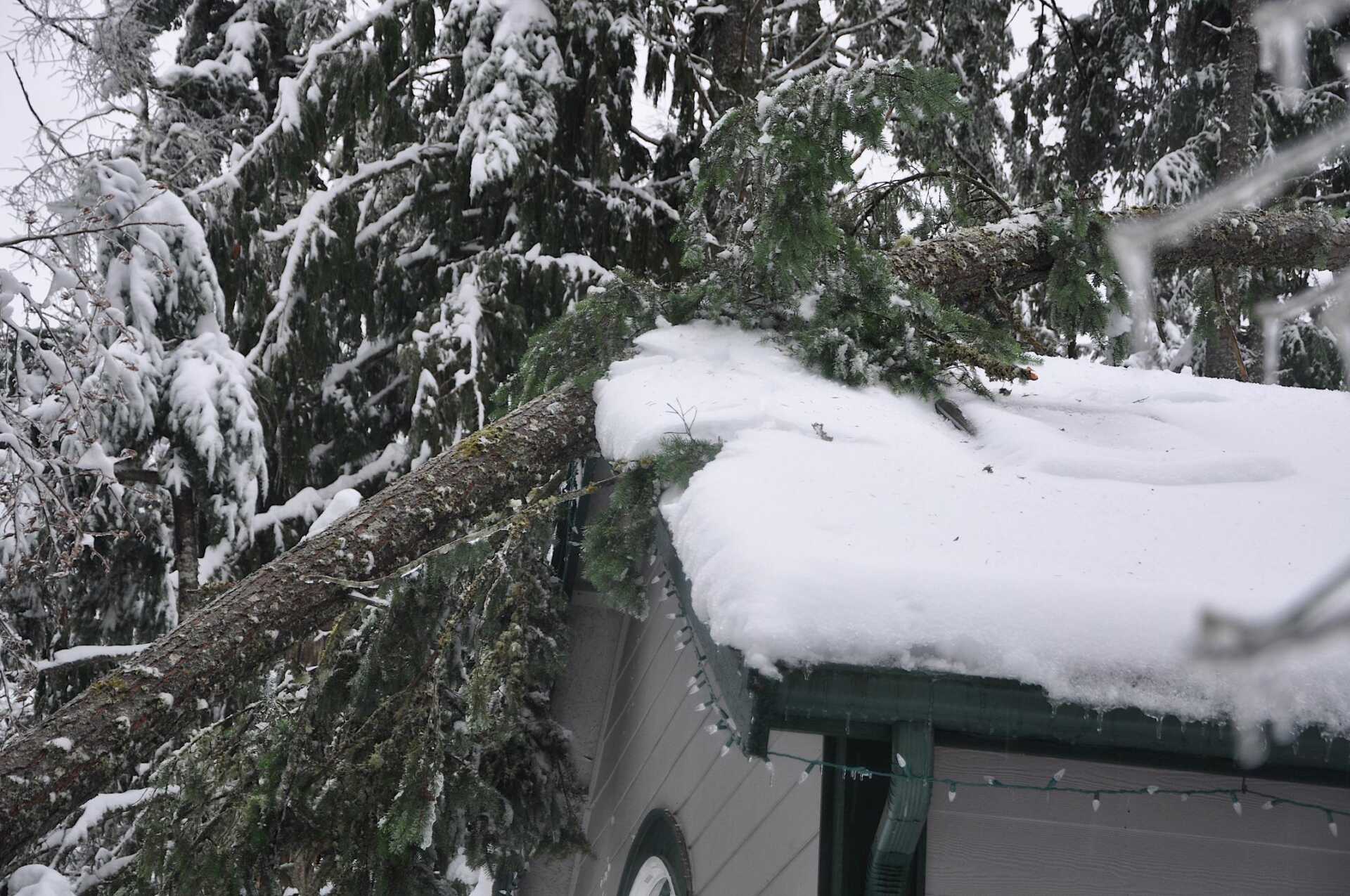
Taking thorough photos of storm damage is vital for ensuring your insurance claim is processed smoothly and fairly. Start by capturing wide shots of the overall damage, then zoom in on specific issues like broken windows or roof damage.
Make sure your images are clear and high-quality; blurry photos can weaken your case. After taking your photos, organize them in a folder on your device, labeling each image with a brief description.
This photo organization will help you easily reference them when dealing with your insurance adjuster. Remember, the more detailed and clear your documentation, the better your chances of receiving a fair settlement.
Don’t skip this vital step—it’s your best tool for a successful claim!
Record Detailed Notes
While photos provide visual evidence of storm damage, recording detailed notes is equally crucial for supporting your insurance claim. Start by using effective note-taking techniques, like bullet points or numbered lists, to capture essential information.
Document the date, time, and nature of the damage, along with any immediate repairs you made. Organizing information clearly helps you convey the situation to your insurance adjuster. Be specific about the extent of the damage and any items affected, as this adds credibility to your claim.
Don’t forget to include the surrounding context, like weather conditions or previous issues. By taking thorough notes, you ensure your claim is well-supported, making it easier for you and your insurance company to navigate the process together.
Gather Repair Estimates
How can you ensure your insurance claim is processed smoothly? Gathering repair estimates is essential. Here’s what you should do:
Document all damage: Take clear photos and write down specific details.
Get multiple estimates: Reach out to different contractors for repair costs.
Make contractor comparisons: Evaluate their quotes, timelines, and reviews.
Keep everything organized: Store estimates and notes in one place for easy access.
Temporary Repairs to Prevent Further Issues
When storm damage strikes, addressing the most urgent issues immediately can prevent further complications down the line.
Start by identifying areas where water may enter your home, like broken windows or damaged roofs. Use tarps or plastic sheeting as temporary solutions to shield these vulnerable spots. Secure the tarps tightly to avoid being blown away by the wind.
Next, if you notice any leaks, consider using buckets to catch dripping water and protect your belongings.
For larger openings, plywood can serve as a quick protective measure—just cut it to size and secure it in place.
Finding Affordable Repair Services
Where can you find affordable repair services after storm damage?
It’s vital to explore budget-friendly options that meet your needs without breaking the bank.
Start by considering these resources:
Ask for referrals: Friends, family, or neighbors may know reliable local repair services.
Online reviews: Check platforms like Yelp or Google for feedback on contractors’ quality and pricing.
Community boards: Local social media groups often share recommendations and special deals.
Get multiple quotes: Comparing prices helps you find the best fit for your budget.
DIY Repair Tips for Minor Damages
When you notice minor storm damage, the first step is to assess how extensive the issues really are.
Grab some essential repair tools, like a hammer, nails, and a patching compound, and get ready to tackle those repairs yourself.
With the right approach, you can save money and restore your home without needing to call in the pros.
Assessing Damage Extent
How can you effectively assess the extent of storm damage before diving into repairs?
Start by identifying the damage types and setting your repair priorities. Here’s a quick guide to help you evaluate:
Check the roof for missing shingles or leaks.
Inspect windows and doors for cracks or broken seals.
Examine siding and exterior walls for dents or water damage.
Look for debris that could cause further damage.
Once you’ve pinpointed these issues, you can prioritize repairs based on severity.
Minor damages can often be fixed quickly, helping you regain your home’s safety and comfort.
Engaging in this process empowers you and fosters a sense of community as you share your experiences with others facing similar challenges.
Essential Repair Tools
Having the right tools at your disposal can make all the difference when tackling minor storm damage repairs.
Start by assembling a basic repair toolkit, which should include a hammer, screwdrivers, a utility knife, and pliers. These essential supplies will help you address a variety of issues, from reattaching shingles to fixing fences.
Don’t forget to stock up on duct tape and wood glue for quick fixes! For larger repairs, consider adding a level and a stud finder to your toolkit.
Knowing you have these tools ready fosters a sense of community, as you can share your skills with neighbors facing similar issues.
With your repair toolkit in hand, you’ll feel empowered to restore your home and strengthen your bond with your surroundings.
Understanding Your Insurance Coverage
Understanding your insurance coverage is essential after a storm, as it can greatly impact your repair options and financial recovery.
Take the time to review your insurance policy and know your coverage limits. Here’s what you should focus on:
Types of Coverage: Understand whether you have dwelling, personal property, and additional living expenses coverage.
Deductibles: Know your deductible amounts, as they can affect your out-of-pocket costs.
Claim Process: Familiarize yourself with how to file a claim and the necessary documentation.
Exclusions: Be aware of what’s not covered, such as certain types of flooding.
Preventive Measures for Future Storms
After maneuvering through the complexities of your insurance coverage, it’s time to think about how to safeguard your property against future storms.
Start by implementing storm-resistant landscaping. This means choosing native plants that can withstand harsh weather, positioning trees away from your home, and creating barriers with shrubs to redirect wind and rain.
Next, consider flood proofing techniques. Elevate outdoor appliances and utilities, install sump pumps, and use permeable materials for driveways to minimize water accumulation.
Regular maintenance is key—clear gutters, inspect your roof, and ensure that drainage systems function properly.
When to Call in the Professionals
When storms cause significant damage, knowing when to call in the professionals can save you time, money, and further complications.
Here are some key signs that it’s time to reach out for emergency contacts and professional services:
- You notice structural damage to your home.
- There’s extensive water damage or flooding.
- You find mold or mildew growth.
- The repairs required are beyond your skill level.
Don’t hesitate to call for help if you see any of these signs.
Professionals can assess the situation accurately and provide the right solutions. They’ll ensure that your home is safe and secure, preventing further damage.
Remember, it’s better to invest in expert help than to risk your safety or the integrity of your home.
Connecting with reliable professional services can also give you peace of mind, knowing you’re part of a community that prioritizes safety and well-being.
Final Thoughts
Maneuvering storm damage repair doesn’t have to break the bank. By evaluating the damage carefully, documenting it for insurance, and considering temporary fixes, you can save both time and money. Don’t forget to tap into local resources and ask for help from neighbors—after all, who wouldn’t want a supportive community during tough times? With the right approach, you can guarantee your home’s safety and stability without overspending. Are you ready to take the next steps?