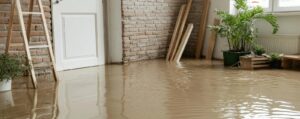
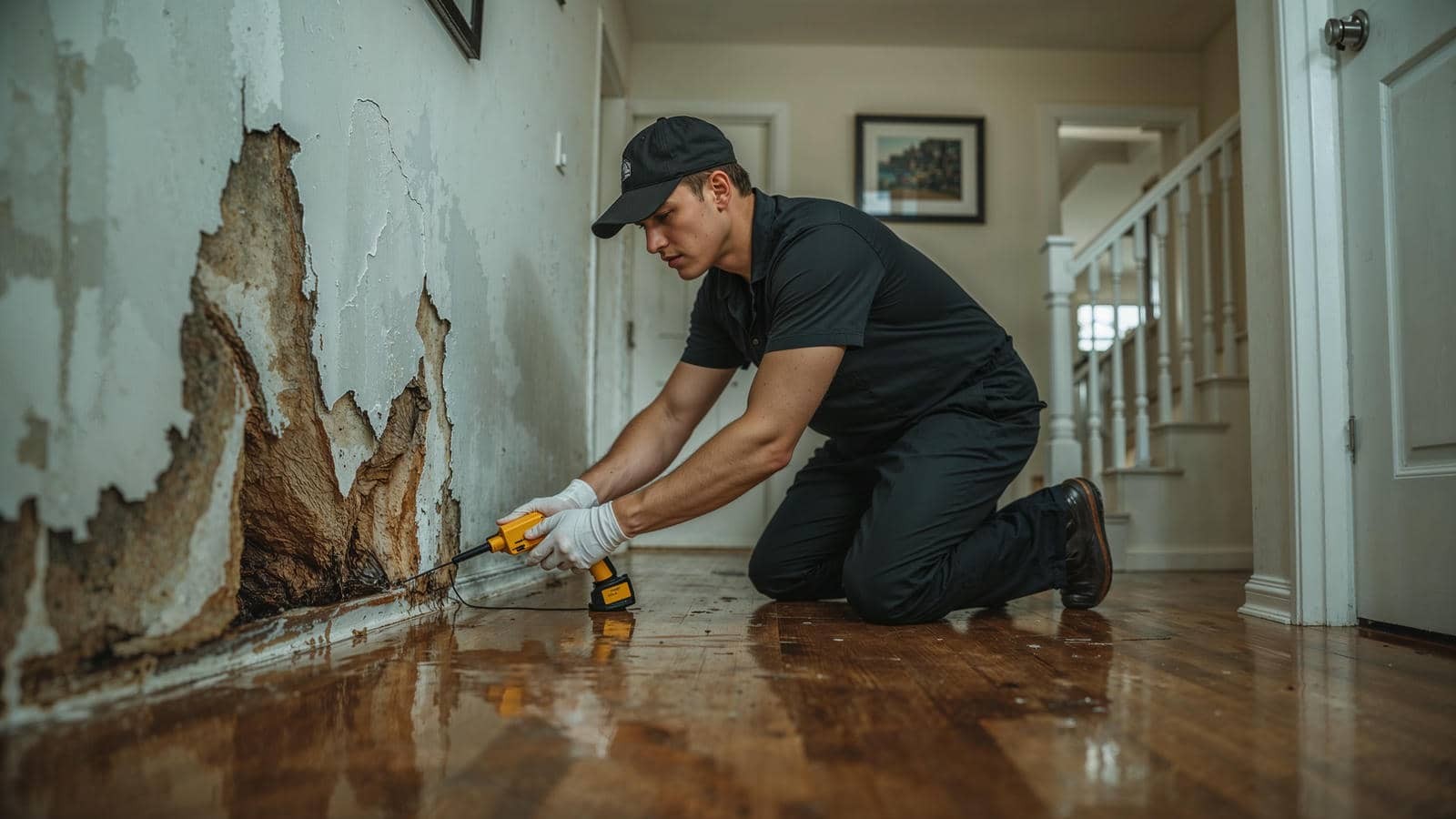
Prioritizing flood damage assessment strategies is essential for effective recovery and resource allocation. Timely evaluations enable you to assess immediate risks, coordinate responses, and minimize confusion. Furthermore, accurate documentation is crucial for insurance claims and capturing all losses. By integrating innovative tools and engaging evaluators, you can uncover hidden damages and address long-term impacts. Understanding these intricacies can greatly enhance community resilience, but what specific steps should you consider in your approach?
Key Takeaways
- Timely assessments enable immediate risk evaluation, enhancing coordinated responses and efficient resource allocation during flood recovery efforts.
- Quick damage evaluation minimizes confusion and ensures a clear understanding of the situation, facilitating effective recovery strategies.
- Accurate documentation of damages is crucial for navigating insurance claims and providing strong evidence for adjusters, minimizing potential claim oversights.
- Engaging professional evaluators helps identify hidden damages, improves assessment accuracy, and increases community trust in recovery efforts.
- Developing a comprehensive recovery plan addresses community needs, fosters collaboration, and ensures ongoing monitoring of recovery progress.
Understanding the Importance of Timely Assessments
When a flood strikes, understanding the importance of timely assessments can make a significant difference in recovery efforts. You need to prioritize risk evaluation immediately, as the sooner you assess damage, the better equipped you’ll be to coordinate an effective response. This involves collecting data on the extent of flooding, identifying safety hazards, and evaluating infrastructure damage.
By acting quickly, you gain a clearer picture of the situation and facilitate faster resource allocation, which is essential for community recovery.
Moreover, timely assessments foster collaboration among stakeholders, including local authorities, emergency services, and community organizations. When everyone’s on the same page, response coordination becomes streamlined, minimizing confusion and maximizing efficiency.
Identifying Key Areas for Evaluation
As you commence the assessment process, identifying key areas for evaluation is crucial for a thorough understanding of flood damage. By focusing on specific metrics, you can ensure that your evaluation is strategic and impactful.
Here are some key evaluation metrics to take into account:
Extent of water intrusion: Measure how deeply water has penetrated structures.
Damage to critical infrastructure: Assess the impact on utilities, roads, and emergency services.
Material degradation: Evaluate the condition of building materials and furnishings.
Environmental impact: Understand how the flood affects local ecosystems and water quality.
Community resilience: Gauge how well the affected population can recover.
Adopting a critical infrastructure focus helps prioritize efforts, ensuring that the most crucial areas receive immediate attention.
Implementing Effective Assessment Tools
To effectively assess flood damage, you need to adopt innovative technologies that streamline the evaluation process.
Standardized assessment protocols will ensure consistency across evaluations, while real-time data analysis will boost decision-making capabilities.
Innovative Technology Integration
Integrating innovative technology into flood damage assessments enhances accuracy while streamlining the evaluation process.
By adopting cutting-edge tools, you can expedite recovery efforts and ensure your community’s resilience. Here are some effective strategies:
- Drones are used for aerial surveys, capturing high-resolution images quickly.
- Satellite imagery to assess widespread damage over large areas.
- GIS mapping to visualize affected zones and prioritize response efforts.
- Mobile apps for real-time data collection and reporting from the field.
- 3D modeling to create thorough views of impacted structures.
Standardized Assessment Protocols
Although flood damage assessments can vary considerably in complexity and scope, implementing standardized assessment protocols is essential for ensuring consistency and reliability.
By adopting standardized criteria, you align your team’s efforts, making it easier to compare results across different incidents. This enhances accuracy and fosters collaboration among stakeholders who share a common understanding of what constitutes effective assessment.
Utilizing assessment templates can streamline the process, ensuring that no critical factors are overlooked. These templates guide you through each phase, promoting thorough documentation and facilitating communication within your organization.
Ultimately, standardized protocols serve as a foundation for effective decision-making, empowering you and your team to respond more efficiently to flood-related challenges.
Real-Time Data Analysis
Standardized assessment protocols lay the groundwork for integrating real-time data analysis into flood damage evaluations.
By leveraging real-time monitoring, you can enhance the efficiency and accuracy of your assessments. Data visualization tools help make sense of complex datasets, ensuring that you and your team can quickly interpret critical information.
Consider these effective strategies:
- Utilize drones for immediate aerial views of affected areas.
- Implement IoT devices to gather live water level data.
- Use GIS mapping to visualize flood impact zones.
- Integrate mobile applications for field data collection.
- Establish dashboards for real-time decision-making.
Engaging Professional Evaluators
When evaluating flood damage, engaging professional evaluators is essential for obtaining accurate and reliable insights. These experts bring specialized knowledge, backed by professional training and evaluator certifications, ensuring that assessments are thorough and credible. Their expertise allows them to identify hidden damages that may not be immediately visible, providing a detailed overview of the situation.
By collaborating with qualified evaluators, you enhance the credibility of your assessment and foster a sense of community. Their insights can guide you in making informed decisions regarding repairs and resource allocation.
In addition, professional evaluators often have access to advanced tools and methodologies, which can greatly improve the accuracy of the assessment.
Ultimately, investing in professional evaluations strengthens your response strategy and helps build trust within your community. Engaging these experts ensures that everyone affected receives the support they need during challenging times.
Prioritizing Safety During Assessments
Since flood assessments often involve hazardous conditions, prioritizing safety is essential for everyone involved.
By implementing effective safety protocols, you can greatly reduce risks during the assessment process. A thorough risk assessment should be your starting point, evaluating potential dangers like unstable structures, contaminated water, and electrical hazards.
Consider these key strategies to enhance safety during assessments:
- Establish clear communication channels among team members.
- Equip everyone with personal protective equipment (PPE).
- Regularly review and update safety protocols.
- Conduct on-site safety briefings before assessments.
- Encourage team members to report any unsafe conditions immediately.
Documenting Damage for Insurance Claims
When you’re documenting damage for insurance claims, accuracy is essential.
You’ll need to employ effective evidence collection techniques to build a strong case and avoid common submission mistakes that could jeopardize your claim.
Understanding these strategies will help ensure you receive the compensation you deserve.
Importance of Accurate Documentation
Accurate documentation of flood damage is vital for maneuvering the often complex insurance claims process. When you take the time to document thoroughly, you support your case with concrete evidence, increasing your chances of a successful claim.
Here are some key reasons why you should prioritize this:
- Ensures you capture all damage, avoiding overlooked areas.
- Strengthens your claim by providing clear evidence for adjusters.
- Helps in preserving evidence, critical for potential disputes.
- Facilitates faster processing of your claim, reducing stress.
- Supports accurate estimates for repairs or replacements.
Utilizing effective documentation techniques will empower you to navigate this challenging time with confidence, ensuring you receive the support you rightfully deserve.
Essential Evidence Collection Techniques
Collecting essential evidence after a flood can greatly impact the outcome of your insurance claim. Engaging in effective evidence gathering is vital; use a systematic approach to document damage thoroughly.
Start by taking clear photographs of affected areas, ensuring you capture wide shots and close-ups to illustrate the extent of destruction. Consider noting the date and time of each image.
Additionally, compile a detailed inventory of damaged items, including their value and purchase receipts if available. Assessment techniques like creating written descriptions of the damage can help convey the situation accurately.
Keep records organized and readily accessible, as this will strengthen your case and foster clearer communication with your insurer, ultimately enhancing your chances of a successful claim.
Common Claim Submission Mistakes
Documenting damage correctly is just as important as the evidence you gather. Common claim submission mistakes can lead to claim errors and submission delays that hinder your ability to receive compensation.
To enhance your documentation process, consider the following:
Neglecting to take clear, dated photographs of all damage.
Failing to keep detailed notes of conversations with insurance representatives.
Omitting supporting documents, like receipts or repair estimates.
Ignoring deadlines for submission can jeopardize your claim.
Combining unrelated damages into one claim complicates the assessment.
Analyzing Long-Term Impact on Property
As you assess the long-term impact of flood damage on property, it’s essential to evaluate the immediate repairs and the broader implications for property value and structural integrity.
Floods can lead to hidden damages that compromise the foundation and critical systems, potentially decreasing your property’s value considerably over time. You’ll want to reflect on how this impacts future resale and insurance implications, as insurers may raise premiums or deny coverage for properties with a history of flooding.
Additionally, ongoing maintenance costs can escalate if initial repairs are insufficient. Documenting all damages and repairs meticulously will help you navigate insurance claims more effectively.
This strategic approach aids recovery and fosters a sense of community among affected homeowners, as sharing experiences and solutions can build collective resilience.
Prioritizing these analyses now can safeguard your investment and enhance your peace of mind for the future.
Developing a Comprehensive Recovery Plan
Understanding the long-term impacts of flood damage lays the groundwork for a robust recovery plan.
To effectively navigate the complexities of recovery, you need to prioritize strategic elements that foster resilience and community cohesion. Here are key considerations for developing your plan:
Assess community needs: Engage local residents to identify specific recovery priorities.
Allocate resources wisely: Make certain that funding and materials directly address the most pressing needs.
Foster collaboration: Build partnerships with local organizations and stakeholders for thorough support.
Implement training programs: Equip community members with skills for future flood preparedness and response.
Monitor progress regularly: Establish metrics to evaluate the effectiveness of recovery efforts and adjust strategies as needed.
Integrating Community Resources and Support
To effectively address flood damage, you need to build strong local partnerships that leverage available resources.
Engaging volunteer networks can amplify support and streamline recovery efforts within your community.
Building Local Partnerships
Building local partnerships can greatly enhance flood damage assessment efforts by leveraging community resources and support.
When you engage with local organizations and residents, you foster a sense of belonging and collaboration. This approach can lead to more effective resource sharing and community engagement, ultimately improving response times during flood events.
Consider the following strategies:
- Establish connections with local nonprofits and businesses.
- Organize community forums to discuss flood risks and strategies.
- Create a shared resource database for assessments and support.
- Involve local schools and universities in research and training.
- Develop emergency response teams that include community members.
Engaging Volunteer Networks
Local partnerships provide a solid foundation for engaging volunteer networks, which can greatly amplify flood damage assessment initiatives.
By harnessing community outreach, you create a sense of belonging among volunteers, fostering camaraderie and commitment.
Initiating volunteer training programs equips participants with the necessary skills, ensuring they’re prepared for the complexities of damage assessment.
Encourage local organizations and schools to participate, tapping into existing networks that can mobilize quickly during crises.
As volunteers gain experience, they’ll develop a deeper connection to their community, enhancing their sense of purpose.
Strategic collaboration with these networks strengthens your assessment efforts and builds resilience, making your community more adept at facing future challenges together.
Engage and empower; the impact will be profound.
Continuous Improvement of Assessment Strategies
As new data emerges and technologies advance, continually refining flood damage assessment strategies becomes essential for effective disaster response and recovery.
You should focus on enhancing your methodology through ongoing assessment training and strategy evaluation. This commitment fosters a stronger, more resilient community prepared to tackle future challenges.
- Leverage technology for real-time data collection and analysis.
- Incorporate feedback loops to improve assessment accuracy.
- Regularly update training materials to reflect best practices.
- Engage stakeholders in collaborative evaluation processes.
- Monitor and adapt strategies based on post-event analyses.
Frequently Asked Questions
How Do Weather Patterns Influence Flood Damage Assessments?
Weather variability greatly impacts your flood damage assessments. By integrating advanced assessment techniques, you can adapt to changing patterns, ensuring more accurate evaluations and effective responses, ultimately fostering a sense of community resilience in the face of uncertainty.
What Training Is Required for Effective Flood Damage Evaluators?
To excel in flood damage evaluation, you’ll need flood assessment certifications and strong evaluator skillsets. Studies show effective assessments reduce recovery costs, emphasizing the importance of specialized training in this critical field.
How Often Should Flood Damage Assessments Be Conducted?
You should conduct flood damage assessments regularly, ideally after each significant flood event and during peak flood frequency seasons. Timing these assessments strategically ensures accurate data collection and effective response planning for future flooding risks.
What Are the Common Challenges Faced During Assessments?
You’ll encounter challenges like inefficient data collection and poor resource allocation during assessments. These hurdles can hinder your ability to make informed decisions, ultimately impacting recovery efforts and community resilience in flood-affected areas.
How Can Technology Improve Flood Damage Assessment Accuracy?
Utilizing drone imagery enhances your flood damage assessments by capturing detailed visuals, while data analytics processes this information to provide precise insights. Together, they greatly improve accuracy, enabling better decision-making and resource allocation during recovery efforts.
Recap
In the wake of a flood, your community’s resilience resembles a sturdy tree weathering a storm. By prioritizing flood damage assessments, you’re not just documenting losses but cultivating the roots for recovery. Each evaluation acts as a branch, extending towards safety and long-term stability. Engaging professionals and utilizing innovative tools ensures no hidden damage goes unnoticed, allowing you to build a robust recovery plan. Ultimately, these strategies illuminate the path to restoration, fostering trust and strength within your community.