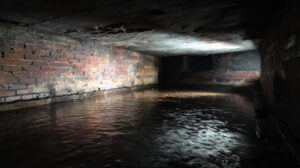
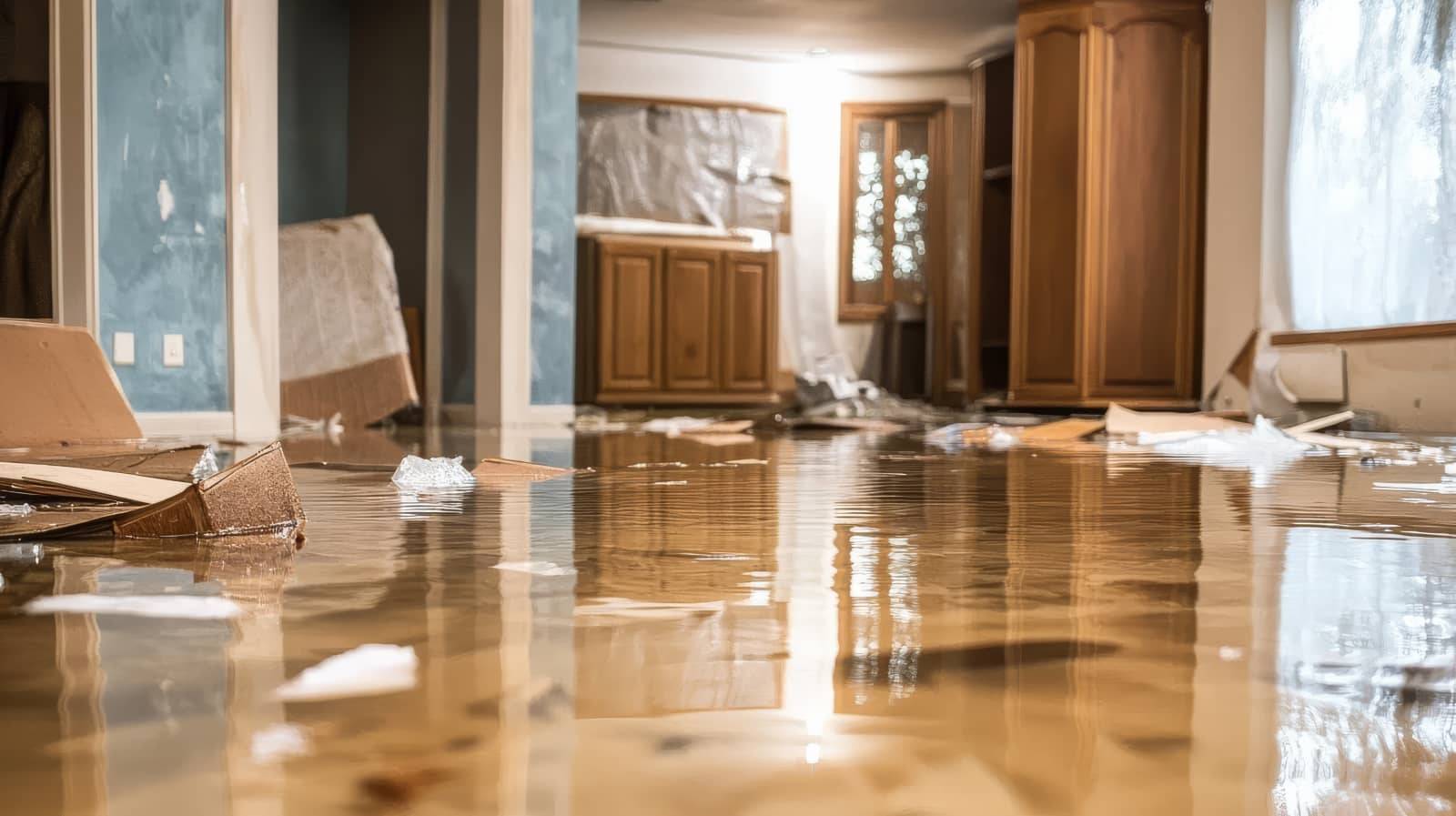
Most basements will experience some form of water damage over their lifetime, and you can’t ignore the early signs. If you see standing water, damp baseboards, warped flooring, or musty odors, you may need extraction before the damage spreads. Leaks, burst pipes, flooding, and failed appliances can saturate materials fast, and waiting too long can turn a manageable repair into a structural and mold problem.
Key Takeaways
- Water extraction is necessary when standing water, spreading moisture, or wet materials remain after leaks, floods, or appliance failures.
- It is needed when carpets, drywall, flooring, or baseboards stay saturated, warped, or soft despite normal ventilation.
- Immediate extraction is important to prevent mold growth, structural damage, and moisture spreading into adjacent rooms.
- Professional extraction is recommended when hidden moisture may exist in closets, cabinets, crawl spaces, or behind walls.
- Extraction becomes necessary when delayed drying increases repair costs, weakens materials, and worsens indoor air quality.
Signs Water Extraction Is Needed
You need water extraction when you notice standing water, visible spreading moisture, or materials that stay wet after a leak, flood, burst pipe, or appliance failure.
You should also look for damp baseboards, warped flooring, sagging ceilings, musty odors, and water lines on walls or furniture.
If carpet feels saturated, underlayment is soft, or drywall darkens and crumbles, you’re seeing clear signs of when water extraction is necessary.
Check hidden spaces too, including closets, cabinets, and crawl spaces, because moisture can linger where you can’t easily see it.
When wet materials don’t dry with normal ventilation, you need professional removal of the water to protect your property and keep your space safe, stable, and ready for you and your household.
Why Fast Water Extraction Matters
Fast water extraction matters because moisture starts damaging building materials almost immediately, especially in drywall, insulation, subfloors, and framing.
You reduce swelling, warping, and delamination when you act fast, and you limit the spread of water into adjacent rooms and concealed cavities. Quick removal also helps you control humidity, which slows microbial growth and protects finishes, adhesives, and electrical components.
If you wait, the cleanup gets more complex, structural materials lose integrity, and restoration timelines stretch.
You’ll also make the drying process more efficient because extraction removes bulk water before dehumidifiers and air movers take over.
Acting promptly helps you stay in control, protect your property, and keep your home or business moving toward recovery with fewer disruptions.
When Leaks and Burst Pipes Need Help
When a leak or burst pipe releases enough water to soak flooring, walls, or ceilings, professional extraction becomes necessary to limit structural damage and hidden moisture.
You may notice warped trim, bubbling paint, or a soft floor, but surface signs don’t show how far water has spread. Technicians use moisture meters and thermal imaging to locate trapped water behind drywall and under subfloors.
They remove standing water, then target damp cavities so mold can’t gain a foothold. If you act quickly, you protect framing, insulation, and finishes, and you keep repairs more manageable.
You’re not overreacting when a plumbing failure saturates multiple materials; you’re responding like a prepared property owner who values a safer, drier space for everyone inside.
When Flooding and Appliance Failures Need Extraction
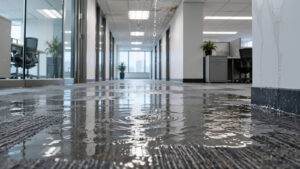
When floodwater saturates flooring, drywall, and insulation, you need extraction to limit structural absorption and contamination.
If an appliance leaks or fails, you should remove the water quickly to prevent hidden moisture damage, corrosion, and mold growth.
Rapid extraction also reduces drying time and lowers the risk of secondary property loss.
Floodwater Saturation Risks
Floodwater saturation can quickly overwhelm flooring, drywall, insulation, and contents, so you need water extraction as soon as standing water appears after a flood or appliance failure. Rapid removal limits capillary migration, protects structural materials, and reduces the chance that moisture keeps spreading hidden behind surfaces.
You lower the moisture load before it wicks upward.
You protect subflooring, trim, and wall cavities from prolonged dampness.
You reduce contamination transfer across affected rooms.
You support faster drying, safer cleanup, and more predictable restoration.
When you act early, you join a prepared response instead of chasing escalating damage. That quick decision helps your space recover with less demolition, fewer material losses, and a clearer path back to normal.
Appliance Leak Damage
Appliance leaks can release a surprising amount of water in minutes, and you need extraction fast when a dishwasher, washing machine, refrigerator line, water heater, or HVAC unit fails.
You may see standing water, but moisture often spreads under cabinets, into subfloors, and behind wall cavities. You should isolate the appliance, shut off the water supply, and limit foot traffic to reduce tracking and secondary damage.
In a shared home, prompt coordination helps everyone protect flooring, drywall, and electrical systems.
Professional extraction targets visible water and trapped moisture that you can’t reach with towels or a shop vacuum. You’re dealing with a contained but serious intrusion, and a methodical response helps your space stay safe, functional, and ready for cleanup.
Rapid Extraction Benefits
Rapid extraction reduces the time water has to migrate into porous materials, so you limit swelling, delamination, corrosion, and microbial growth before they become harder and costlier to address.
When flooding or an appliance failure hits, you need fast removal to stabilize your space and protect your property with your crew.
- You lower moisture content before drywall, trim, and subfloors absorb it.
- You reduce the chance of hidden saturation behind baseboards and cabinets.
- You help HVAC and electrical components dry sooner, cutting secondary damage.
- You support a cleaner, safer restoration path for you and your household.
When you act quickly, you keep the affected area within a manageable recovery window and make professional drying more effective.
How Pros Remove Water From Your Home
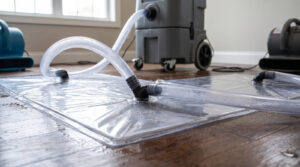
Professionals remove water from your home by first evaluating the source, spread, and depth of the moisture. They then use truck-mounted extractors, portable pumps, and specialized wet vacuums to pull standing water from floors, carpets, and hidden cavities.
You’ll see technicians map affected rooms, lift corner sections, and check subfloors so they can target every saturated area. They work in sequence, starting with open water, then moving to carpet backing, padding, and wall bases.
If moisture hides beneath cabinets or inside trim, they use access points and slim extraction tools to reach it. This process helps your home’s structure and gives you a clear, organized recovery path.
It also lets you stay informed and confident while the team restores your space.
What Happens If You Wait Too Long
If water sits too long, the damage spreads beyond the visible puddle. You may think the surface looks dry, but moisture keeps moving into drywall, subfloors, insulation, and framing.
Within hours, materials swell and weaken; within days, mold can start colonizing damp areas. You also risk staining, corrosion, and warped flooring that can’t be ignored.
Waiting longer usually means extraction gets harder, cleanup gets more technical, and repair costs rise fast. In your home, the hidden moisture can lower indoor air quality and invite odors that linger.
- Structural materials absorb water.
- Mold growth accelerates.
- Metal components corrode.
- Restoration becomes more complex.
What to Do After Water Extraction
After water extraction, you should keep drying the affected area to remove any remaining moisture in walls, floors, and hidden cavities.
Use dehumidifiers and high-velocity air movers to accelerate evaporation, and monitor humidity so you know when conditions return to normal.
Remove damp baseboards, insulation, or carpet padding if needed, because trapped moisture can spread damage.
Inspect for staining, swelling, or soft spots, and document everything for your claim or repair records.
Clean and disinfect surfaces to reduce microbial growth, especially after leaks, flooding, burst pipes, or appliance failures.
If you smell mildew or see recurring moisture, call a restoration professional immediately.
Acting quickly helps you protect your property and stay part of the group that responds early, restores efficiently, and prevents secondary damage.
Frequently Asked Questions
How Do I Know if Hidden Water Remains Behind Walls?
You’ll suspect hidden water if walls feel cool, stain, swell, or smell musty. Use a moisture meter or thermal camera, and check baseboards, outlets, and trim. If readings stay high, you’ve likely trapped moisture.
Can Clean Water Still Require Professional Extraction?
Yes, clean water can still need professional extraction. You’ll want it removed quickly if it’s pooled, saturating materials, or reaching hidden spaces, because even uncontaminated water can weaken structures, promote mold, and extend drying time.
Will Water Extraction Save Hardwood Floors From Warping?
Yes, you can often save hardwood floors from warping if you extract water immediately, dry thoroughly, and control humidity. Quick professional action reduces swelling, cupping, and permanent damage, helping you restore your space faster.
Does Insurance Cover Emergency Water Extraction Services?
Yes, your policy often covers emergency water extraction if the damage stems from a sudden, accidental event. You’ll need prompt reporting, documentation, and mitigation records; exclusions for neglect, floods, or sewer backup may still apply.
How Soon Should I Call After Noticing Minor Dampness?
Call immediately—minor dampness can coincide with hidden leaks and rapid mold growth. You’ll protect your space, feel supported, and let technicians assess moisture, extract water if needed, and prevent costly structural damage before it spreads.
Summary
When you see standing water, warped flooring, or musty odors, don’t wait for the problem to deepen. Fast extraction helps you stop moisture before it spreads like a hidden tide beneath your home. If leaks, burst pipes, flooding, or appliance failures leave materials saturated, you need professional drying right away. Acting quickly protects your structure, limits mold growth, and keeps restoration costs down. In water damage, time isn’t just money—it’s the difference between repair and ruin.