When it comes to evaluating stormwater damage, a strategic approach is essential. You’ll need to combine thorough site inspections with advanced technology to accurately identify and document damage indicators. Utilizing tools like drones and GIS mapping can enhance your evaluation process. But how do you prioritize which areas need immediate attention? Understanding these strategies can greatly improve your response plan and help mitigate future risks. Let’s explore the key elements of effective stormwater damage assessment.
Key Takeaways
- Conduct thorough site inspections using detailed checklists to identify drainage issues and signs of erosion.
- Utilize technology like drones and GIS mapping for aerial damage assessments and geospatial insights.
- Document damage meticulously with photographs, records of conditions, and inventory for insurance claims.
- Engage the community in the assessment process to gather insights and enhance stormwater management strategies.
- Implement preventative measures such as rain gardens and pervious pavements to mitigate future stormwater damage risks.
Understanding Stormwater Damage
Stormwater damage can greatly impact infrastructure, ecosystems, and communities. Understanding this damage is essential for effective stormwater management and flood mitigation. You’ll notice that heavy rainfall can lead to excess runoff, overwhelming drainage systems, and causing localized flooding. This disrupts daily life and undermines the integrity of roads, bridges, and buildings.
By identifying areas prone to such damage, you can implement proactive measures to enhance resilience. For instance, adopting green infrastructure solutions, like permeable pavements and rain gardens, can drastically reduce runoff and improve water quality.
Moreover, regular monitoring and maintenance of stormwater systems are important. When you stay ahead of potential issues, you bolster community safety and protect valuable ecosystems.
Together, by prioritizing stormwater management strategies, you can create a more resilient environment that fosters a sense of belonging and security for everyone in your community.
Initial Site Inspection Techniques
When evaluating potential stormwater damage, conducting an initial site inspection is essential for identifying vulnerabilities. Start your site evaluation by creating a detailed inspection checklist that covers key areas such as drainage systems, soil conditions, and existing infrastructure.
Focus on potential problem spots like low-lying areas, clogged drains, and any signs of erosion. Use a systematic approach to document your findings, noting the specifics of each location you inspect.
Pay attention to the surrounding environment, including vegetation and impervious surfaces, as these can influence water flow and accumulation. Engaging with local stakeholders can also provide insights into historical issues and community concerns.
Identifying Key Damage Indicators
After completing the initial site inspection, you can start identifying key damage indicators that signal potential stormwater issues.
Focus on damage patterns such as erosion, sediment buildup, and vegetation stress. These elements often reveal underlying problems. For instance, if you see concentrated water flow paths, it may indicate improper drainage.
Conducting an indicator analysis helps you pinpoint specific areas requiring further investigation.
Look for cracks in pavement, staining on walls, or water pooling in unusual locations. Each of these signs can provide insights into how stormwater interacts with the environment and infrastructure.
Utilizing Technology for Assessment
To effectively assess stormwater damage, leveraging technology can greatly enhance your evaluation process. Utilizing drone surveys allows you to capture detailed aerial views, identifying damage patterns more efficiently.
Mobile apps facilitate real-time data collection, making it easier to document findings on-site. Remote sensing and GIS mapping provide geospatial insights, helping you visualize affected areas.
Incorporating data analytics enables you to interpret trends, while sensor technology offers continuous monitoring of water levels and conditions.
Thermal imaging can reveal hidden issues like moisture accumulation, enhancing your assessment accuracy. Cloud computing ensures that data is securely stored and accessible, fostering collaboration among stakeholders.
Augmented reality can overlay critical information onto real-world views, improving decision-making.
Finally, machine learning algorithms can analyze historical data, predicting future damage risks. By embracing these technologies, you’ll promote a more thorough and effective stormwater damage assessment strategy.
The Role of Professional Assessors
Professional assessors play a critical role in stormwater damage evaluation, bringing expertise that enhances the accuracy and reliability of assessments. With their professional qualifications, they apply advanced assessment methodologies tailored to the unique challenges of stormwater impacts.
You’ll find that these experts utilize a combination of field surveys, data analysis, and modeling techniques, ensuring thorough evaluations that reflect the true extent of damage.
Their analytical approach identifies immediate concerns and anticipates potential long-term effects, helping you make informed decisions about remedial actions.
Collaborating with professional assessors fosters a sense of community, as their insights guide homeowners and municipalities through complex recovery processes.
By engaging these skilled professionals, you’re not just addressing the damage; you’re investing in sustainable solutions that protect your environment and property for the future.
Trusting their expertise means you’re part of a proactive effort to mitigate stormwater challenges together.
Documenting Damage for Insurance Claims
Effective documentation is essential when filing insurance claims for stormwater damage. To ensure a smooth claims process, start by conducting thorough evidence collection.
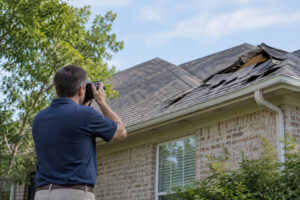
Take clear photographs of all affected areas, capturing the extent of damage to structures, landscaping, and personal property. Make certain to document dates and times of the damage and any relevant weather conditions.
Next, create a detailed inventory of the damaged items, including their original value and replacement costs. This claim documentation will serve as your primary resource during the claims process.
Keep records of any repairs or assessments conducted by professionals, as these can further substantiate your claim.
Prioritizing Areas for Immediate Attention
While evaluating stormwater damage, prioritizing areas for immediate attention is essential to mitigate further issues. You should start with priority mapping to identify high-risk zones where damage could escalate.
Conduct a thorough risk assessment, considering factors like the extent of damage, proximity to critical infrastructure, and potential environmental impact. This will help you focus resources effectively.
Once you’ve established priority areas, engage with local stakeholders to understand their concerns and insights. Collaboration fosters a sense of belonging and ensures that community needs are met.
Implementing immediate interventions in these prioritized zones can greatly reduce risks and repair costs.
Finally, document your findings and actions to create a transparent process for future assessments. By prioritizing effectively, you address current damage and build a resilient framework for managing stormwater challenges moving forward.
Long-term Monitoring and Evaluation
To effectively manage stormwater impacts, you need a robust system for continuous data collection.
This data allows for precise impact assessment techniques that can inform future mitigation strategies.
Continuous Data Collection
As stormwater management increasingly relies on data-driven strategies, continuous data collection becomes essential for long-term monitoring and evaluation.
By implementing real-time monitoring systems, you can gather critical data on rainfall patterns, runoff volumes, and system performance. This proactive approach allows for timely data analysis, enabling you to identify trends and potential issues before they escalate.
Utilizing advanced sensors and IoT technology, you’ll enhance your decision-making processes, ensuring that stormwater systems are resilient and effective.
As you foster a culture of collaboration and data sharing, you’ll strengthen community ties and promote collective responsibility in managing stormwater challenges.
Ultimately, continuous data collection empowers you to optimize strategies and safeguard your environment against future stormwater impacts.
Impact Assessment Techniques
Effective impact assessment techniques are essential for understanding the long-term implications of stormwater management practices. By employing robust impact evaluation and risk analysis methods, you can gain valuable insights into the effectiveness of your strategies.
Consider these key techniques:
Longitudinal Studies: Track changes over time to assess how stormwater initiatives affect the community and environment.
Community Surveys: Gather feedback to understand public perception and emotional responses to stormwater management efforts.
Environmental Monitoring: Measure ecological health to evaluate the sustainability of implemented practices.
Developing a Response Plan
While stormwater damage can disrupt communities and ecosystems, developing a robust response plan is crucial for mitigating its impacts. Start by assembling a dedicated response team that includes local authorities, emergency services, and community representatives. This team should be well-trained in emergency protocols tailored to your area’s specific vulnerabilities.
Next, identify critical infrastructure, such as drainage systems and roadways, that require immediate attention during a stormwater event. Create clear lines of communication to ensure everyone is informed and coordinated during emergencies. Incorporate real-time monitoring tools to assess damage and resource needs effectively.
Lastly, engage the community in your planning process. Their insights can enhance response strategies and foster collective ownership of the plan. By prioritizing collaboration and preparedness, you can markedly reduce the adverse effects of stormwater damage and strengthen your community’s resilience.
Preventative Measures for Future Incidents
Implementing preventative measures is essential to minimize the risk of future stormwater damage and enhance community resilience.
By taking proactive steps, you can protect your neighborhood and foster a sense of belonging among residents.
Consider these strategies:
Rain garden implementation: These gardens absorb excess rainwater, reducing runoff and improving water quality. You’ll be contributing to a healthier ecosystem while beautifying your community.
Previous pavement solutions: Installing permeable surfaces allows water to seep through, preventing flooding and reducing erosion. This innovation strengthens infrastructure and promotes sustainable growth.
Community workshops: Engaging residents in education about stormwater management fosters a collective responsibility.
Together, you can develop tailored solutions that meet your community’s specific needs.
Frequently Asked Questions
How Can I Prepare My Property for Potential Stormwater Damage?
To prepare your property for potential stormwater damage, conduct regular property inspections and implement stormwater mitigation strategies, like installing drainage systems and maintaining vegetation, ensuring you’re proactive in protecting your home and community.
What Are Common Myths About Stormwater Damage Assessments?
You’ll find that common stormwater misconceptions include beliefs that assessments are unnecessary for minor flooding or that insurance covers all damages. Understanding these assessment myths helps you make informed decisions and better protect your property.
Are There Specific Regulations for Stormwater Management in My Area?
Yes, there are specific stormwater regulations in your area. You must ensure local compliance by reviewing municipal guidelines and state mandates that help manage runoff effectively and protect water quality for your community’s benefit.
How Often Should Stormwater Assessments Be Conducted?
You should conduct stormwater assessments at least annually, but consider seasonal variations. Adjust your assessment timing based on stormwater frequency and local regulations to ensure effective management and community safety. Regular evaluations foster a sense of belonging.
What Are the Costs Associated With Stormwater Damage Assessments?
Stormwater damage assessments typically range from $500 to $5,000, depending on the assessment methodologies used. Insurance implications can greatly influence costs, so it’s essential to choose an efficient approach that minimizes long-term liabilities and maximizes community resilience.
Review
Stormwater damage assessment strategies are essential for safeguarding communities and sustaining environments. By systematically surveying sites, spotlighting significant damage indicators, and strategically utilizing technology, you can bolster your response efforts. Prioritizing prompt intervention and long-term monitoring mitigates future risks and fosters community collaboration. Together, through proactive planning and persistent vigilance, you can pave the path to a more prepared, resilient future against stormwater challenges.