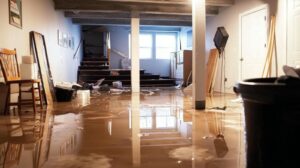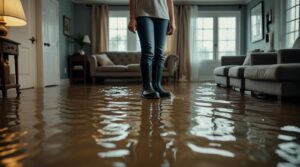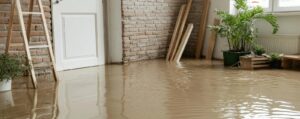
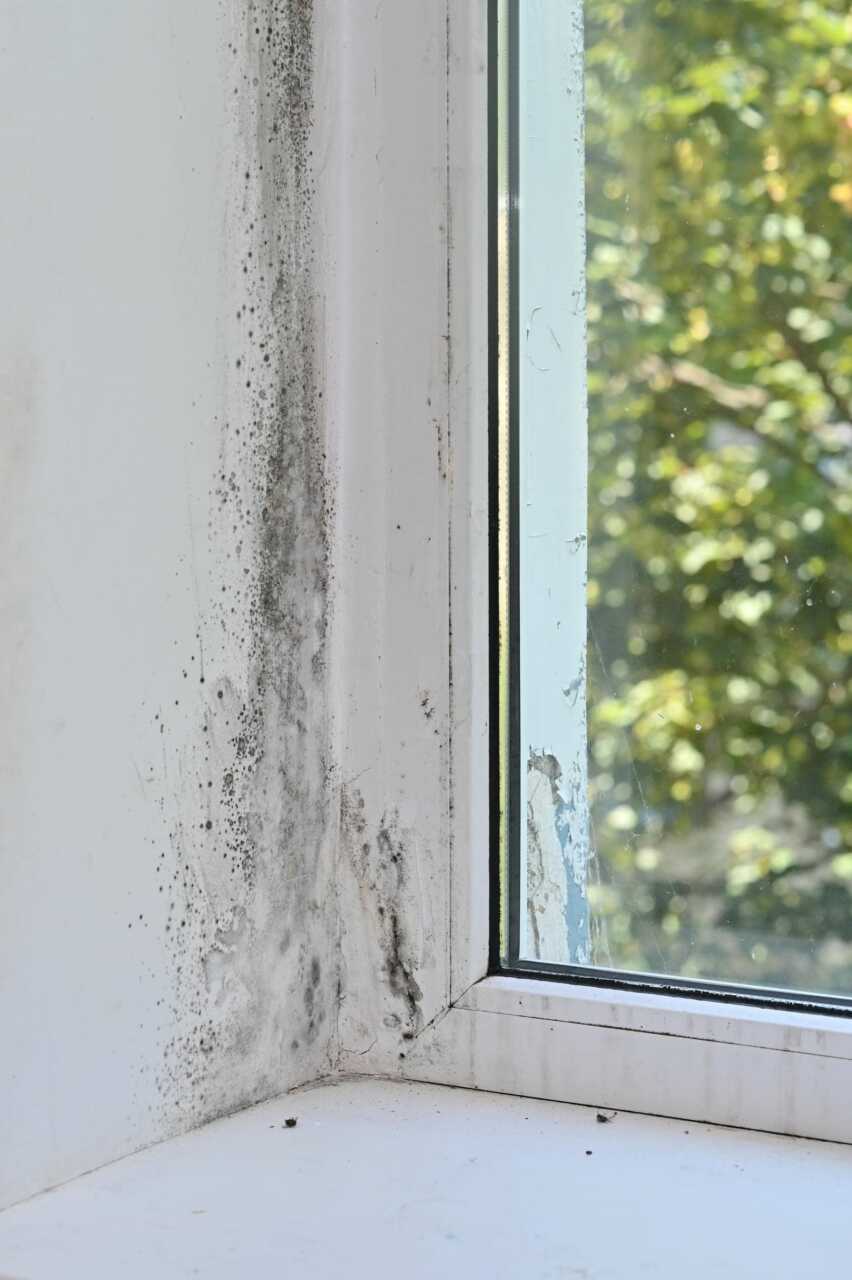
When faced with commercial water damage, a swift and systematic response is vital. You need to assess the damage quickly, prioritize safety, and stop the source of water to minimize losses. Each step requires careful attention to detail and the right equipment. Understanding these essential tips can make a significant difference in recovery efforts. Let’s explore how you can effectively navigate this challenging situation and ensure a successful restoration process.
Key Takeaways
- Quickly assess and document the damage with photographs and notes for accurate insurance claims and restoration tracking.
- Stop the source of water immediately by inspecting pipes, appliances, and monitoring water meter readings for leaks.
- Utilize professional-grade equipment like pumps and dehumidifiers for efficient water removal and moisture control.
- Conduct a thorough risk assessment to identify hazards and ensure safety during the restoration process.
- Communicate clearly with your insurance provider about the damage and maintain detailed records of all interactions and actions taken.
Assess the Damage Quickly
When facing water damage, it’s vital to assess the situation quickly—ideally within the first few hours. A rapid response can greatly mitigate the extent of the damage, preserving both your property and peace of mind.
Start with a thorough damage evaluation to identify the source and severity. Check for visible signs like wet walls, flooring, or structural integrity issues.
Document your findings with photographs and notes, as this information will be important for insurance claims and potential restoration efforts. Pay attention to hidden areas such as ceilings and behind appliances, where moisture may lurk unnoticed.
If the damage is extensive, consider engaging professionals who specialize in water damage restoration. Their expertise can help you navigate the complexities of the recovery process, ensuring you’re not alone in this challenging situation.
Prioritize Safety First
When dealing with water damage, your safety must come first.
Always assess potential hazards thoroughly, use appropriate protective gear, and shut off utilities to prevent further risks.
Taking these precautions ensures a safer and more efficient restoration process.
Assess Hazards Thoroughly
Before you begin any restoration efforts, it’s essential to assess hazards thoroughly to confirm safety for everyone involved.
Start with hazard identification, where you pinpoint potential dangers such as electrical risks, structural instability, and contaminated water.
Conduct an exhaustive risk assessment to evaluate the severity of these hazards and determine the necessary precautions.
Document your findings to confirm all team members are informed and prepared.
This process protects your crew while fostering a culture of safety that emphasizes collaboration and vigilance.
Encourage open communication about identified risks, allowing everyone to contribute to a safer working environment.
Use Protective Gear
Using the right protective gear is essential for ensuring safety during water damage restoration. By adhering to safety protocols, you protect yourself and enhance the efficiency of the restoration process.
When selecting protective clothing, keep the following items in mind:
- Waterproof gloves to prevent skin contact with contaminated water
- N95 respirators to filter out harmful airborne particles
- Durable boots to safeguard against slippery surfaces and sharp objects
- Full-body suits to shield against contaminants and chemicals
Equipping yourself with appropriate protective gear minimizes risk and fosters a safer work environment.
Shut Off Utilities
Protecting yourself with appropriate gear is just the first step; securing your environment is equally important.
Before you begin any restoration efforts, familiarize yourself with utility shutoff procedures for your property. This includes water, electricity, and gas lines, which can pose significant hazards during water damage incidents.
Verify you know how to safely shut off these utilities and have your emergency contact information readily available. In case of complications, you’ll want to reach out to professionals who can assist.
Taking these precautions safeguards your well-being and sets a solid foundation for effective restoration.
Prioritizing safety verifies you and your team can work efficiently, minimizing further damage and potential risks.
Stop the Source of Water
When a water damage incident occurs, promptly stopping the source of water is essential to minimize further damage. Effective water source identification and employing leak detection techniques are vital steps in this process.
Here’s how you can tackle the issue efficiently:
Inspect visible pipes for any signs of corrosion or leaks.
Utilize moisture meters to detect hidden leaks in walls or ceilings.
Check appliances like washing machines or refrigerators for malfunctioning hoses.
Monitor water meter readings to identify unexplained spikes that may indicate a hidden leak.
Remove Standing Water
Swiftly removing standing water is essential to prevent further damage and mold growth in commercial spaces. Start by evaluating the extent of the water accumulation.
Utilize effective water removal techniques such as pumps or wet vacuums to eliminate excess water efficiently. For larger areas, consider industrial-grade pumps designed for rapid extraction.
After initial removal, inspect for hidden pockets of water that may require specialized tools like moisture meters. Verify you have the right standing water solutions in place, such as dehumidifiers, to address residual moisture.
Time is of the essence; the longer water lingers, the greater the risk of structural damage and health hazards. By acting quickly and using the appropriate equipment, you protect your investment and foster a safe environment for your team.
Dry Affected Areas Thoroughly
Thoroughly drying affected areas is essential for preventing long-term damage and mold growth in commercial properties.
Once you’ve removed standing water, implementing effective drying techniques can make all the difference.
Here are some moisture removal methods to take into account:
Air movers: Utilize high-velocity fans to increase airflow and speed up evaporation.
Dehumidifiers: Employ industrial-grade dehumidifiers to extract moisture from the air and surfaces.
Heat sources: Use portable heaters to raise the temperature, enhancing evaporation rates.
Moisture meters: Measure moisture levels in materials to ensure thorough drying.
Use Professional Equipment
When tackling commercial water damage, using professional equipment is essential for effective restoration.
Advanced dehumidification tools, high-powered water extractors, and thermal imaging technology help you assess and address moisture issues quickly and efficiently.
Investing in these tools speeds up the recovery process and minimizes potential long-term damage to your property.
Advanced Dehumidification Tools
In many cases, utilizing advanced dehumidification tools is crucial for effective water damage restoration.
You’ll want to focus on the right equipment selection to achieve ideal results. Implementing proper dehumidification techniques can greatly speed up the drying process, preventing further damage.
Consider the following key tools:
Desiccant Dehumidifiers: Ideal for low-humidity environments, they absorb moisture effectively.
Refrigerant Dehumidifiers: Best for warmer conditions, they cool air to remove moisture.
LGR Dehumidifiers: Low-grain refrigerant units offer high efficiency in moisture extraction.
Air Movers: Essential for enhancing airflow, promoting faster evaporation.
High-Powered Water Extractors
High-powered water extractors are essential for efficiently removing large volumes of water during the restoration process. When you invest in these advanced tools, you’ll experience significant high powered benefits, including quicker drying times and reduced potential for mold growth.
Their extractor efficiency allows you to tackle extensive water damage effectively, minimizing disruption to your operations. Utilizing professional-grade equipment enhances your restoration efforts and fosters a sense of security among your team and clients.
You’ll find that the combination of power and precision in these extractors ensures thorough water removal, paving the way for a successful restoration. By prioritizing high-quality equipment, you’re making a commitment to excellence that reflects your dedication to quality service and client satisfaction.
Thermal Imaging Technology
Although water damage may not always be visible to the naked eye, thermal imaging technology allows you to identify hidden moisture and assess the extent of damage effectively.
This professional equipment offers numerous thermal imaging benefits and applications essential for restoration.
- Detects moisture behind walls and ceilings
- Identifies hidden leaks in plumbing systems
- Assesses insulation integrity and energy loss
- Facilitates quick decision-making for remediation
Monitor Humidity Levels
Maintaining ideal humidity levels is essential during the water damage restoration process. High humidity can prolong drying times and contribute to structural damage.
To effectively monitor and control humidity, utilize humidity monitoring tools like hygrometers, which provide real-time data on moisture levels. Regularly check readings to verify they remain within the suitable range, typically between 30% and 60%.
Implementing humidity control methods is equally important. Dehumidifiers can be invaluable in reducing excess moisture in the air, while proper ventilation helps promote airflow, aiding in quicker drying.
Make certain your team is trained on these tools and methods; their effectiveness hinges on consistent monitoring and adjustment. By prioritizing humidity management, you’ll create a healthier environment for your property, ensuring a successful restoration process and fostering a sense of community among those involved.
Your diligence in this area protects your investment and supports the well-being of everyone in the space.
Address Mold Prevention
To effectively prevent mold growth, you need to conduct regular inspections and maintenance of your property.
Implementing moisture control strategies, such as using dehumidifiers and sealing leaks, is essential in keeping your environment dry.
Regular Inspections and Maintenance
While regular inspections and maintenance may seem time-consuming, they’re crucial for preventing mold growth in commercial properties.
Implementing preventive measures through routine checks allows you to identify potential issues before they escalate. Here are some critical steps to include in your inspection process:
Examine high-humidity areas, such as basements and bathrooms, for signs of moisture.
Inspect HVAC systems to ensure proper airflow and humidity control.
Check for leaks in plumbing and roofs that could lead to water accumulation.
Assess insulation and ventilation to promote air circulation and reduce dampness.
Moisture Control Strategies
Effective moisture control is essential in preventing mold growth in commercial properties. To achieve this, install moisture barriers in areas prone to water exposure, such as basements and crawl spaces. These barriers help prevent water intrusion and maintain structural integrity.
Additionally, implement humidity control strategies, like using dehumidifiers and ensuring proper ventilation, to keep indoor humidity levels below 60%. Regularly monitor humidity levels with hygrometers, and address leaks or water damage immediately to minimize moisture buildup.
Educate your staff on recognizing signs of mold and moisture issues, fostering a proactive maintenance culture. By taking these steps, you’ll create a healthier environment, safeguard your property, and promote a sense of belonging within your community.
Document the Restoration Process
As you navigate the complexities of water damage restoration, documenting each step of the process becomes essential for both insurance claims and future reference.
Accurate restoration documentation aids in process tracking and ensures you have a clear record of actions taken.
To effectively document your restoration efforts, consider these key elements:
- Photographic Evidence: Capture before, during, and after images to illustrate damage and restoration progress.
- Detailed Logs: Maintain a daily log of activities, equipment used, and moisture readings.
- Material Records: Keep receipts and specifications for all materials and equipment purchased or rented during the restoration.
- Communication Records: Document conversations with contractors, suppliers, and any involved parties for transparency.
Communicate With Insurance Providers
Communicating with your insurance provider is essential to ensure a smooth and efficient water damage restoration claim process. Start by notifying your insurer immediately after the damage occurs; this illustrates diligence and allows them to guide you through the necessary steps.
When discussing the situation, be clear and concise about the specifics of the damage, including the extent and any immediate actions taken to mitigate further issues.
Keep detailed records of all communications, including dates, names, and topics discussed. This helps track the progress of your claim and serves as a valuable reference if discrepancies arise.
Effective communication fosters a cooperative relationship with your insurance provider, which can expedite the claim process.
Finally, don’t hesitate to ask questions; understanding your coverage options will empower you and ensure you receive the assistance you need during this challenging time.
Frequently Asked Questions
How Long Does Commercial Water Damage Restoration Usually Take?
Commercial water damage restoration usually takes several days to weeks, depending on the restoration timeline and project phases. You’ll see progress as technicians assess damage, remove water, and restore affected areas systematically for ideal results.
Can I Perform Restoration Tasks Myself?
You can attempt DIY restoration, but it’s risky without proper training. Professional assistance ensures thorough, efficient recovery, minimizing long-term damage. Weigh your skills against potential complications to decide the best approach for your situation.
What Types of Insurance Cover Water Damage Restoration?
Most commercial property insurance policies cover water damage restoration. However, it’s essential you review your specific policy details, as coverage can vary. Flood insurance may be necessary to ensure thorough protection against extensive water damage.
Are There Any Health Risks Associated With Water Damage?
Water damage can lead to mold growth, presenting serious health hazards. Imagine a hidden leak gradually turning your workspace into a breeding ground for illness. Addressing moisture promptly protects both your property and your well-being.
How Can I Prevent Future Water Damage in My Building?
You can prevent future water damage by implementing waterproofing techniques and conducting routine maintenance. Regularly inspect your building’s roof, gutters, and plumbing to identify potential issues before they escalate, ensuring a safe environment for everyone.
Summary
In the aftermath of water damage, every second counts. By following these ten tips, you’ll safeguard your property and ensure a smoother recovery process. However, the real challenge lies in the unseen threats—mold lurking in hidden corners and the ticking clock of insurance claims. Will you be prepared to tackle these challenges head-on? Stay vigilant, maintain your records, and act decisively; your quick response could make all the difference in restoring your commercial space.