Could it be true that the fastest emergency damage repair starts before cleanup begins? You can limit storm damage by shutting off power, stopping water at the source, and removing standing water right away. Then you dry walls, floors, and furniture, watch for hidden moisture that can trigger mold, and make temporary repairs to keep the problem from spreading. The next step matters more than most people expect.
Key Takeaways
- Shut off power if safe, stop the water source, and keep everyone away from wet electrical hazards.
- Remove standing water quickly using pumps, wet vacs, mops, or buckets to limit further damage.
- Dry walls, floors, and furniture with fans, dehumidifiers, and open windows when conditions are safe.
- Prevent mold by keeping humidity below 50% and cleaning hard surfaces thoroughly.
- Make temporary repairs with tarps, plywood, or sealant to protect openings until permanent fixes are done.
Stop Storm Water Damage Immediately
Act fast to stop storm water damage immediately, because every minute counts once water starts entering your home.
You should move to flood safety first: shut off power to affected rooms if it’s safe, then identify the source and seal it with temporary water barriers like sandbags, plastic sheeting, or door dams.
Keep family members away from wet outlets, sagging ceilings, and slippery floors. If you can, direct runoff away from foundations and clear gutters or drains that’re backing up.
These steps won’t solve everything, but they buy you time and reduce structural stress.
You’re not alone in this; homeowners who respond quickly protect each other, their property, and their peace of mind.
Stay focused, use sturdy materials, and reassess the barrier line often.
Remove Standing Water Quickly
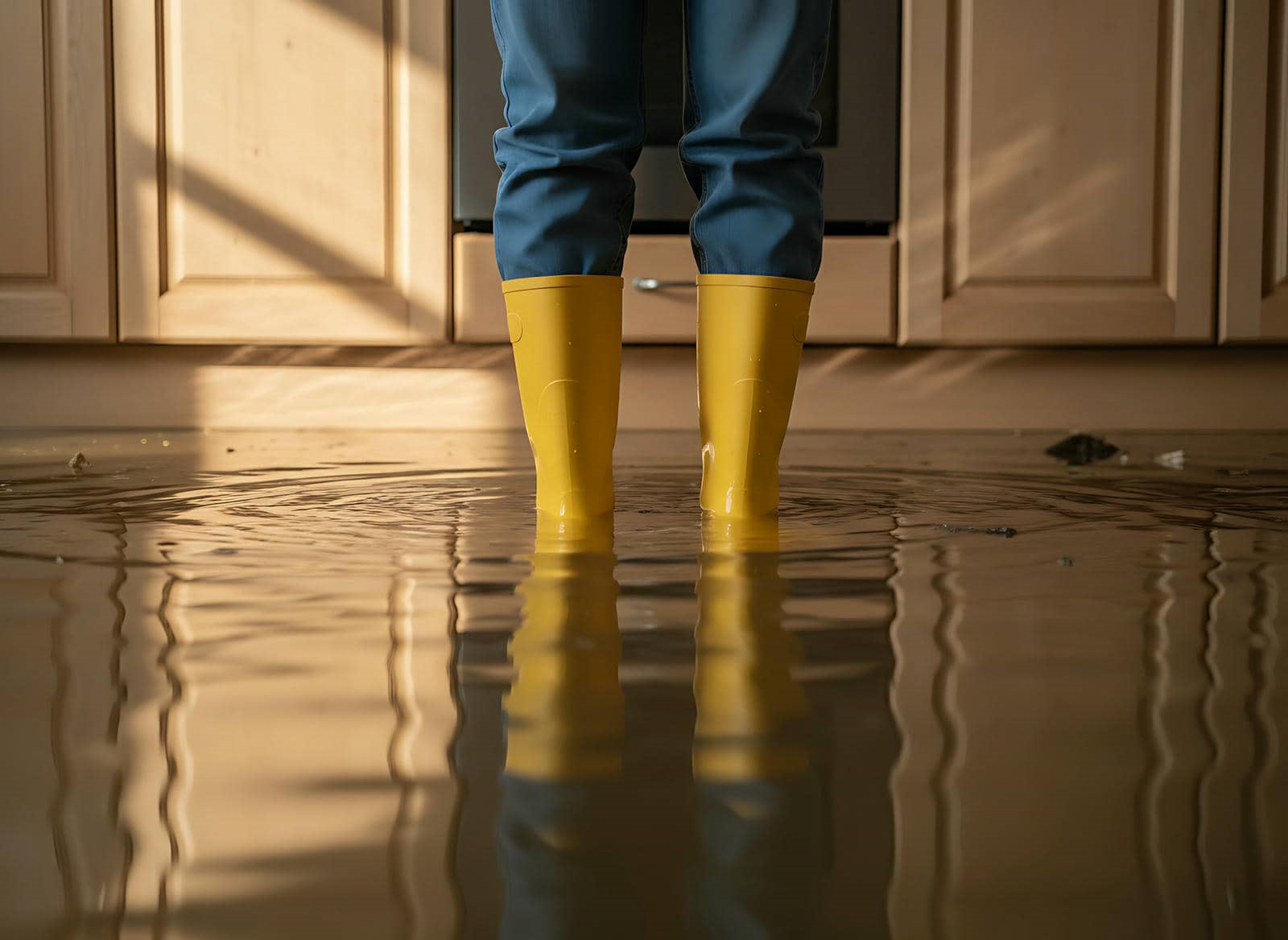
Once you’ve stopped new water from coming in, remove any standing water as quickly as possible to limit swelling, mold growth, and hidden structural damage. You’re not alone—use proven water extraction techniques and the right flood response equipment to regain control fast.
Start with a pump or wet vacuum for deep water.
Use mops, squeegees, and buckets to clear shallow pooling.
Move methodically room by room, checking corners and low spots.
Keep electrical safety first: shut off power to affected areas before you enter pooled water. Wear boots and gloves, and empty collection tanks often so suction stays strong.
If the water keeps returning, document it and call a qualified restoration team. Fast action protects your space and helps your household feel secure again.
Dry Out Walls, Floors, and Furniture
With the standing water removed, you need to dry walls, floors, and furniture fast to prevent warping, mold, and hidden moisture pockets. Open windows if weather allows, run fans to move air across surfaces, and place dehumidifiers in the wettest rooms.
Pull baseboards if they’re swollen, and lift rugs so subfloors can dry evenly. Check drywall, trim, and upholstery with a moisture meter, then assess damage before you salvage belongings.
Move damp furniture away from walls and separate cushions, drawers, and fabric layers so airflow reaches every side. Use clean towels to blot wood finishes, not rub them.
Keep the space organized so you can track what’s drying, what needs repair, and what’s safe to keep. Act quickly, stay methodical, and you’ll protect your home and your team.
Prevent Mold After Storm Water Damage
Even after the water is gone, mold can begin growing within 24 to 48 hours, so you need to keep drying surfaces, control humidity, and remove anything that stays damp.
You’re not alone in this process; these mold prevention strategies help you protect your space with confidence.
- Run fans and dehumidifiers to keep indoor humidity below 50%.
- Open windows only when outside air is dry and safe.
- Clean hard surfaces with detergent, then dry them fully.
Use humidity control techniques every day until moisture readings stay stable.
Check closets, baseboards, and under furniture, because hidden dampness feeds spores. If materials still smell musty or feel cool, keep drying them.
Acting quickly reduces risk, supports recovery, and helps your home feel safe again.
Make Temporary Repairs to Protect Your Home
Before more damage spreads, you should make temporary repairs that secure the structure and keep water, wind, or pests out.
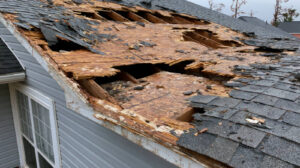
Start by covering roof gaps with secure tarp installation, fastening edges to sound framing with screws and furring strips. If a window is broken, use window boarding with exterior-grade plywood cut to size and anchored into studs, not the sash.
Seal small openings with weatherproof tape or caulk only as a short-term measure. Remove loose debris, then check gutters, vents, and doors for breaches.
Wear gloves and eye protection, and keep your footing stable on ladders.
These steps won’t replace professional restoration, but they’ll protect your home and help your household stay safe while you arrange permanent repairs.
Frequently Asked Questions
How Do I Document Damage for an Insurance Claim?
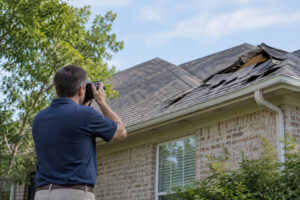
You should photograph all damage, note dates, and list affected items for your damage assessment. Keep receipts, organize records, and submit them promptly to support your claim process. You’ll feel prepared, not alone, throughout it.
When Should I Call a Professional Restoration Company?
Call a professional restoration company when damage spreads like wildfire, you smell mold, or water’s still intruding. You’ll get emergency response, expert assessment, and a controlled restoration process, so you’re not facing it alone.
Is Flood-Damaged Food Safe to Eat?
No, you shouldn’t eat flood-damaged food. For flood safety, discard anything touched by floodwater, including canned goods with damage. Follow strict food disposal practices, clean storage areas, and you’ll protect your household together.
How Do I Know if Electrical Systems Are Damaged?
You’ll know electrical systems are damaged if you notice tripped breakers, burning odors, flickering lights, or dead outlets; schedule a wiring inspection right away. These electrical signs mean you shouldn’t restore power alone.
What Permits Are Needed for Major Emergency Repairs?
You’ll usually need building, electrical, plumbing, and sometimes mechanical permit types, depending on scope. Check local repair regulations first; you’re not alone here. Your inspector can guide you, and emergency approvals often move quickly.
Recap
When storm damage hits, act fast to limit the spread. Shut off power and water, remove standing water, and dry walls, floors, and furniture with fans and dehumidifiers. Watch humidity closely and inspect hidden areas so mold does not take hold. Then make temporary repairs to seal openings and protect your home from further damage. Think of your house as a ship in rough water: quick, careful action helps it stay afloat until full repairs are complete.