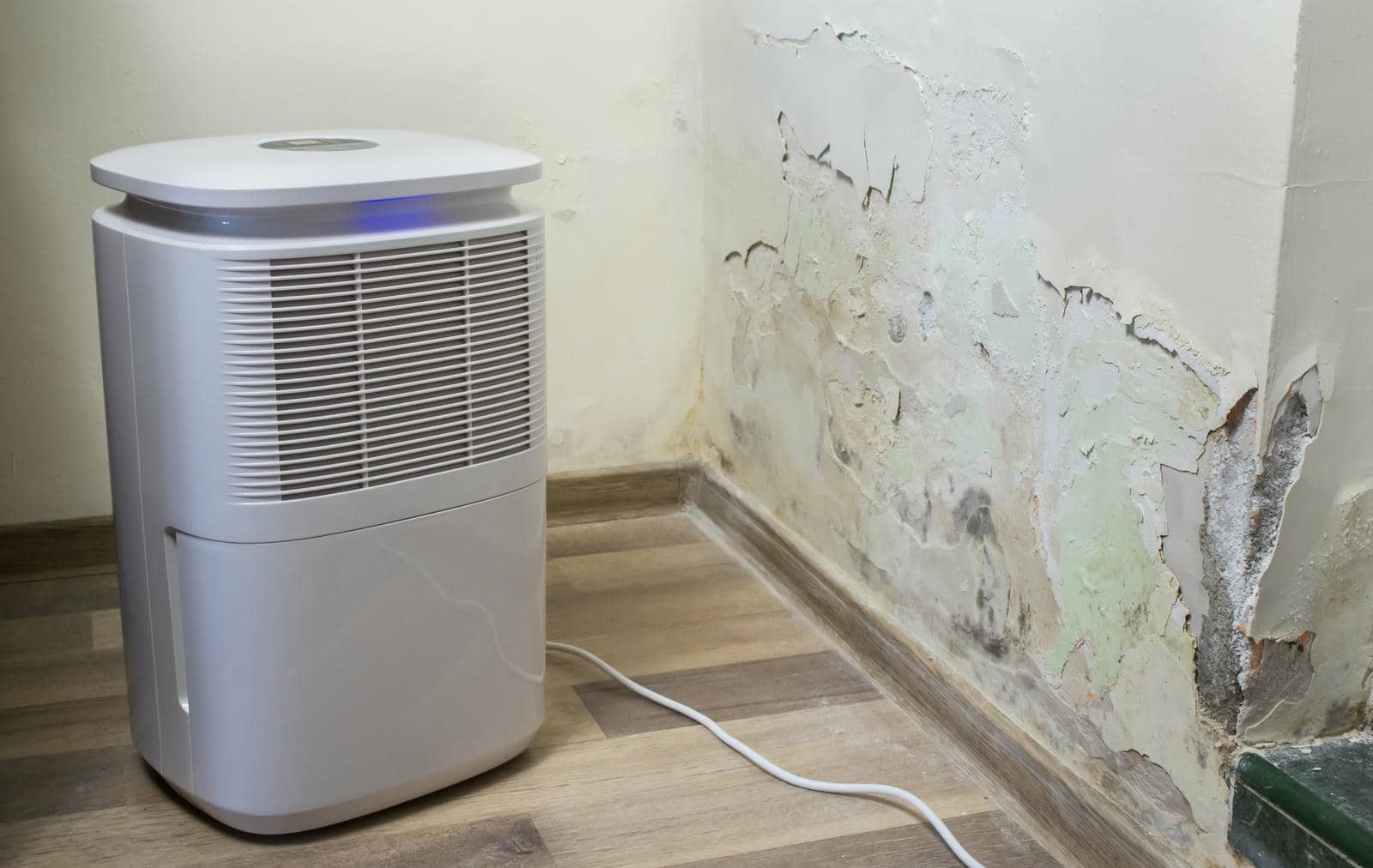
When flooding occurs, mold cleanup is essential for restoring safety in your environment. You need to assess the extent of mold growth and ensure that you’re following proper safety measures. By understanding the best practices, you can effectively remove affected materials and disinfect surfaces. However, the process doesn’t end there; monitoring humidity and preventing future mold growth is equally critical. Let’s explore these practices further to ensure a thorough and effective cleanup.
Key Takeaways
- Assess the extent of mold growth by inspecting for water damage, discoloration, and using a moisture meter to identify affected areas.
- Ensure safety by wearing appropriate PPE, maintaining ventilation, and informing others nearby to minimize exposure during cleanup.
- Remove and discard porous materials showing mold growth, while sealing them in heavy-duty trash bags to prevent spore spread.
- Clean and disinfect non-porous surfaces with a disinfectant solution, scrubbing thoroughly and ensuring surfaces dry completely to prevent regrowth.
- Monitor humidity levels below 60%, conduct regular inspections, and ensure proper airflow to prevent future mold growth in the home.
Assess the Extent of Mold Growth
How can you accurately assess the extent of mold growth after flooding?
Begin by employing effective mold identification techniques. Inspect your home thoroughly, focusing on areas with visible water damage and high humidity. Look for discoloration on walls, ceilings, and floors, as well as musty odors that signal mold presence. Using a moisture meter can help you pinpoint areas with excess moisture, a key factor in mold growth.
Next, implement humidity control methods. Keeping indoor humidity below 60% is essential. Use dehumidifiers to reduce moisture levels, especially in damp areas.
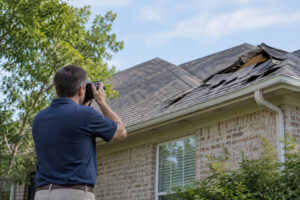
After identifying affected spots, document your findings with photos and notes to track the severity of the issue. This systematic approach clarifies the extent of mold growth and fosters a sense of community, as sharing your experiences can guide others facing similar challenges.
Taking these steps will empower you to tackle the problem effectively.
Ensure Proper Safety Measures
After identifying the extent of mold growth, prioritizing safety measures is vital before you begin cleanup.
Start by wearing personal protective equipment (PPE) such as gloves, goggles, and a mask to shield yourself from mold spores and toxins. This gear is essential for your safety and helps maintain your air quality as you work.
Verify the workspace is well-ventilated; open windows and use fans if possible to minimize inhalation of harmful particles.
If the mold covers a large area, consider using an N95 respirator or a full-face mask for added protection.
It’s also wise to inform others in your vicinity about the cleanup to prevent exposure.
Remember, taking these precautions safeguards your health and fosters a sense of community responsibility.
Remove Affected Materials
Once you’ve secured the safety measures in place, it’s time to address the affected materials.
Begin by identifying all items that have been exposed to moisture and are showing signs of mold growth. This includes drywall, carpeting, insulation, and personal belongings. For effective mold removal, you’ll need to discard porous materials that can’t be adequately cleaned, as they may harbor spores even after treatment.
Use heavy-duty trash bags to contain these items, making sure they’re sealed tightly to prevent further contamination.
For non-porous materials, such as metal or plastic, you can often clean them with appropriate solutions, but be cautious; if mold persists, consider discarding them too.
Remember, removing affected materials promptly helps prevent mold from spreading and fosters a healthier environment for you and your loved ones.
Prioritize thoroughness to ensure a successful recovery from the flooding incident.
Clean and Disinfect Surfaces
To effectively combat mold growth, it’s crucial to clean and disinfect all surfaces that were exposed to moisture. Start by identifying the various surface materials in your home, including wood, drywall, and tile. Each material requires specific disinfecting techniques to ensure thorough cleaning.
For non-porous surfaces like tiles, use a mixture of water and a disinfectant solution. Scrub vigorously to eliminate any mold spores.
On porous materials such as drywall, if mold is present, it’s often best to remove and replace the affected sections instead of attempting to clean.
Always wear protective gear, such as gloves and masks, while handling cleaning solutions to safeguard your health.
After wiping down surfaces, make sure they’re completely dry, as moisture promotes further mold growth.
Monitor and Prevent Future Mold Growth
While you’ve taken significant steps to clean and disinfect your home, ongoing monitoring and prevention of mold growth are vital to maintain a healthy environment.
To effectively manage mold prevention, focus on these key areas:
Humidity Control: Keep indoor humidity levels below 60%. Use dehumidifiers or air conditioners to help maintain ideal moisture levels, especially in damp areas like basements.
Regular Inspections: Frequently check for any signs of mold, especially in hidden areas like behind appliances or under sinks. Early detection is important in preventing larger infestations.
Ventilation: Ensure proper airflow throughout your home. Use exhaust fans in bathrooms and kitchens to reduce moisture buildup, and open windows whenever possible to promote air circulation.
Frequently Asked Questions
How Long Does It Take for Mold to Appear After Flooding?
Mold can start growing within 24 to 48 hours after flooding, depending on humidity and temperature. Understanding this mold growth timeline helps you address flood damage effects promptly, ensuring a healthier living environment for you.
Can I Paint Over Mold-Infested Surfaces?
No, you shouldn’t paint over mold-infested surfaces. Instead, focus on mold prevention strategies and proper surface preparation techniques. Address the mold first to ensure a lasting, beautiful finish and protect your home from future damage.
Is It Safe to Use Bleach for Mold Removal?
Using bleach for mold removal isn’t always safe. While it can kill surface mold, it doesn’t penetrate porous materials effectively. Consider safer alternatives that thoroughly address the problem, ensuring a healthier environment for you and your family.
How Do I Know if Mold Is Toxic?
How can you tell if mold’s toxic? Use mold identification methods like visual inspection and air testing. If you notice symptoms like headaches or respiratory issues, it’s wise to get professional help for safety.
When Should I Hire a Professional Mold Remediation Service?
You should hire a professional mold remediation service if mold inspection reveals extensive growth or health risks. While remediation costs can vary, expert help ensures safety and thorough removal, effectively protecting your home and well-being.
Summary
In the aftermath of flooding, tackling mold isn’t just about cleaning up; it’s like stitching a wound to prevent infection. If you ignore the signs, the problem can fester, compromising your home and health. By evaluating mold growth, ensuring safety, removing affected materials, cleaning thoroughly, and monitoring humidity, you’re not just restoring your space—you’re safeguarding your future. Just as a gardener tends to weeds before they overrun a garden, proactive measures today will protect your environment tomorrow.