When floodwater hits, you need to act quickly to stop mold before it spreads through walls, flooring, and air ducts. You’ll want to dry damp areas within 24 to 48 hours, clean affected surfaces with detergent, and know when disinfection alone isn’t enough. If the damage is widespread or water sat too long, professional flood mold remediation may be the safer move. The next steps can make the difference between recovery and a bigger problem.
Key Takeaways
- Act within 24–48 hours: inspect wet walls, floors, and cavities, then isolate affected rooms to limit mold spread.
- Remove standing water, discard porous materials wet over 48 hours, and clean hard surfaces with detergent and EPA-registered disinfectant.
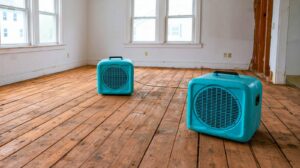
- Dry the area fast with fans and dehumidifiers, keeping indoor humidity below 60% to stop mold growth.
- Wear gloves, N95 respirators, and eye protection, and maintain ventilation to reduce exposure during cleanup.
- Call professionals for visible mold, water damage over 48 hours, or contamination larger than 10 square feet.
Flood Mold Cleanup: Stop the Spread Fast
Act quickly to stop mold from spreading after a flood. You should inspect damp walls, floors, and hidden cavities within 24 to 48 hours, because moisture fuels rapid growth.
Keep indoor humidity low, open windows if weather allows, and run dehumidifiers to protect your space.
Use prevention techniques like isolating wet areas, removing soaked fabrics, and sealing off unaffected rooms.
Wear safety measures such as gloves, N95 respirators, and eye protection when you enter contaminated zones.
You’re not alone; many homeowners face this, and early action helps you regain control.
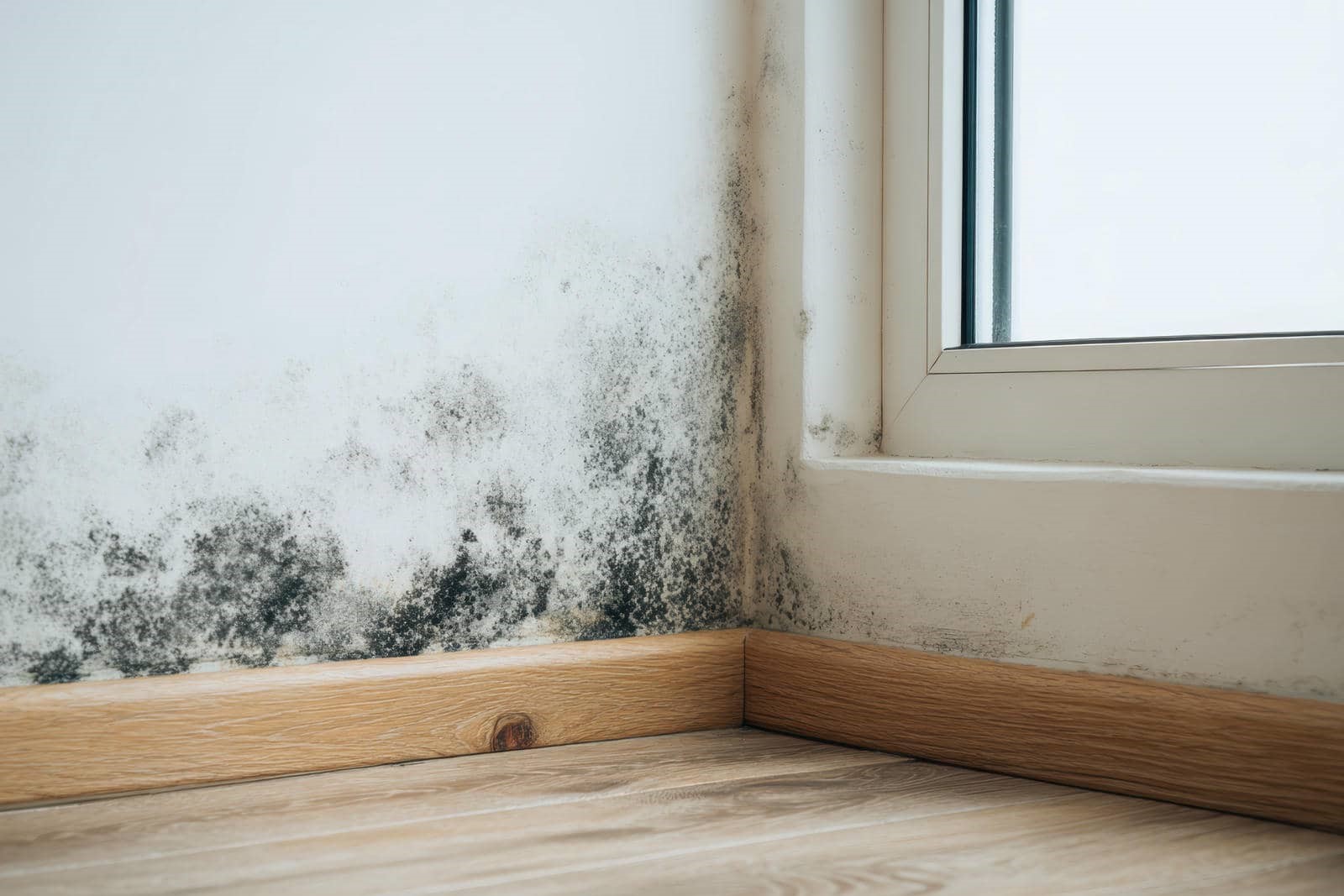
Document damage, watch for discoloration or musty odors, and maintain steady airflow.
If materials stay wet, mold can colonize fast, so your prompt response matters.
Flood Mold Cleanup Methods That Work
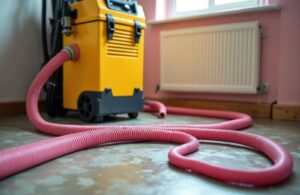
Start with a methodical cleanup plan so you remove contamination without spreading it further: pump out standing water, discard porous materials that stayed wet for more than 48 hours, and clean hard surfaces with detergent and water before disinfecting them with an EPA-registered product labeled for mold control.
Then dry every area fast with fans and dehumidifiers, keeping indoor humidity below 60%. You’ll protect your space by removing baseboards only where moisture remains trapped, then checking hidden cavities for dampness.
Wear gloves, eye protection, and an N95 respirator while you work.
As you restore rooms, document damaged materials and replace them with moisture-resistant options that support long term solutions.
These preventive measures help you rebuild safely, reduce recurrence, and keep your home feeling like a place where you belong.
When to Call a Flood Mold Cleanup Pro
When should you bring in a flood mold cleanup pro? You should call one when water sat more than 24 to 48 hours, mold growth appears, or the affected area exceeds about 10 square feet.
You’ll also want a professional assessment if you smell musty air, see warped drywall, or notice recurring staining after drying. A certified team can measure moisture, isolate contaminated zones, and remove porous materials safely.
If anyone in your home has asthma, allergies, or immune concerns, don’t wait. You deserve a space that feels safe and steady, and trained specialists help you get there.
They’ll verify hidden damage behind walls, document conditions, and guide next steps so you can restore your home with confidence and avoid costly mistakes.
Frequently Asked Questions
How Long Does Flood Mold Cleanup Usually Take?
Usually, you’ll need 1–7 days for flood mold cleanup, depending on damage size. You’ll use mold removal techniques like HEPA vacuuming and antimicrobial treatment, and cleanup timeframes improve when you start drying quickly and stay coordinated.
Can Flood Mold Return After Cleanup?
Yes, it can, like a fax in a knight’s court, if moisture lingers. You’ll reduce risk with flood damage assessments and mold prevention strategies, sealing leaks, drying thoroughly, and monitoring humidity so your space stays safe.
What Safety Gear Should I Wear During Cleanup?
You should wear protective equipment like N95 respirators, gloves, goggles, and boots. Follow safety precautions by sealing skin, ventilating the area, and changing contaminated clothes. You’ll protect yourself and stay confident throughout cleanup.
Does Homeowners Insurance Cover Flood Mold Damage?
Usually not; you’ll need flood insurance for flood-caused mold damage, while homeowners insurance may cover sudden, non-flood water losses. Act fast with mold prevention steps, document damage, and contact your insurer to review exclusions.
How Do I Know if Hidden Mold Is Still Present?
You can tell by using mold detection methods and watching for hidden mold signs: musty odors, staining, warped materials, or dampness. Like a lantern in fog, a moisture meter and inspection will reassure you.
Final Thoughts
When floodwater floods your space, you’ve got to act fast and stay focused. Dry damp areas within 24 to 48 hours, remove standing water, and clean and disinfect every affected surface with care. If mold spreads beyond 10 square feet or water sits too long, you shouldn’t wait—call certified pros. This prompt, practical process protects your property, prevents persistent problems, and helps you breathe easier with confidence.