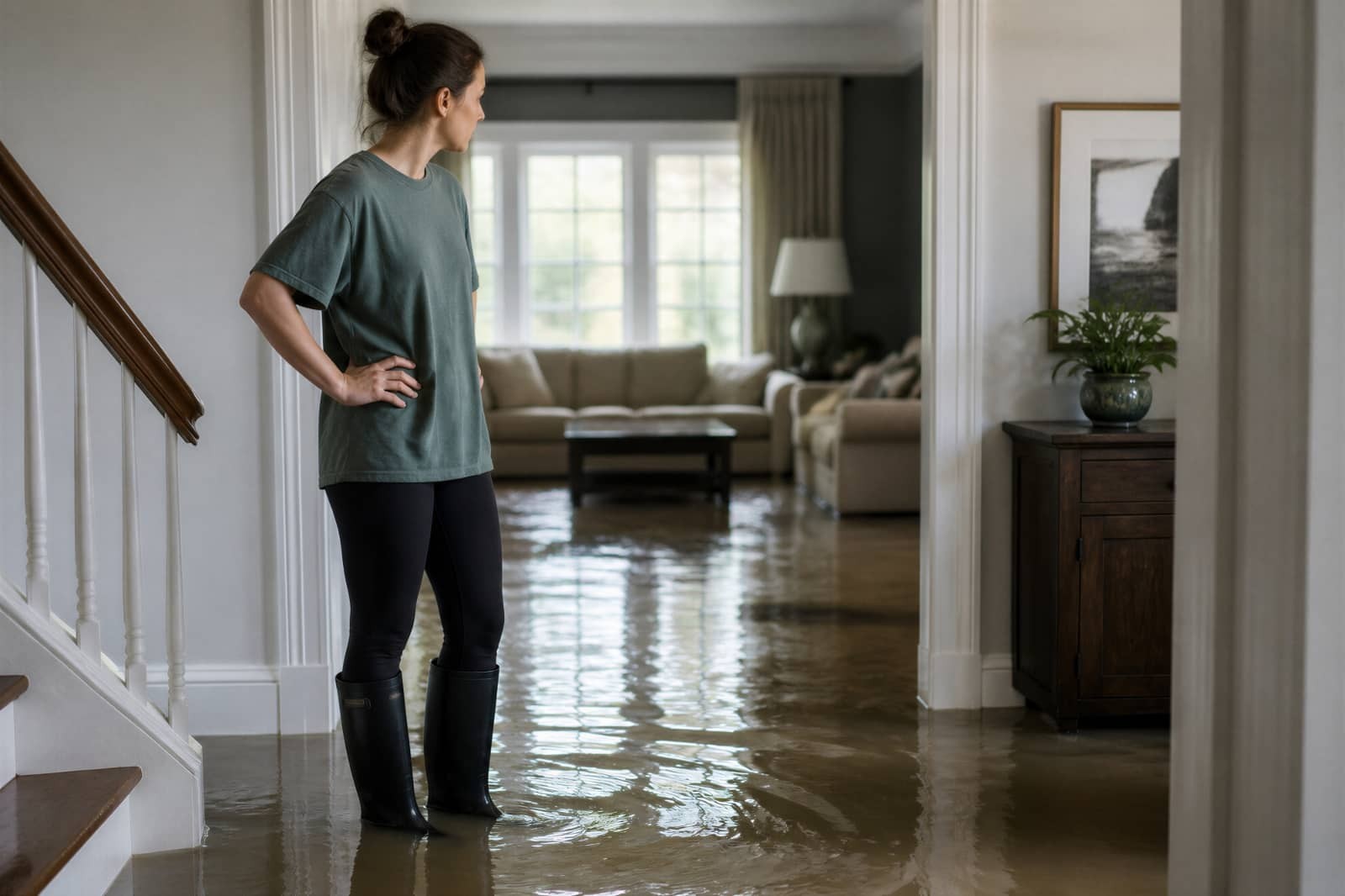
A soaked floor, swollen drywall, and the sharp smell of damp wood can quickly signal a costly mess. You’ll see water damage restoration prices shift based on water type, affected area size, drying time, material removal, and repair scope. Clean water usually costs less, while gray or black water raises labor and disposal needs. If you want to control the bill, timing and documentation matter more than you might think.
Key Takeaways
- Water category matters: clean water costs less, while gray and black water require more cleanup, safety measures, and disposal.
- Larger affected areas increase labor, equipment, containment, and demolition costs, especially when multiple rooms or hidden spaces are involved.
- Removing soaked or contaminated materials adds demolition and disposal fees, and replacement costs rise when finishes must be matched.
- Longer drying times need more equipment and monitoring, especially in humid or poorly ventilated spaces, which raises restoration costs.
- Fast repairs and thorough documentation can reduce losses, support insurance claims, and prevent mold or structural damage.
What Affects Water Damage Restoration Cost?
Several key factors affect water damage restoration cost, starting with the water category, since clean water is less complex to address than contaminated gray or black water.
You also pay for the affected area, because larger spaces need more labor, equipment, and monitoring.
Drying time matters too; if moisture lingers in walls, floors, or insulation, crews must run dehumidifiers longer and inspect more often.
Material removal can raise costs when drywall, carpet, or baseboards can’t be salvaged.
Repairs after drying add another layer, especially if you need repainting, flooring replacement, or structural fixes.
These cost factors for water damage restoration shape your final bill, so you and your restoration team can plan the work efficiently and stay aligned throughout the process.
How Water Type Changes the Price
You’ll usually pay the least for clean water because it’s the simplest to extract, dry, and sanitize.
Gray water raises the price since it can contain contaminants that require more cleaning and disposal.
Black water costs the most because you’ll need stricter containment, full protective measures, and more intensive remediation.
Clean Water Costs
When the water is clean, restoration usually costs less because crews can focus on extraction, drying, and minor repairs instead of contamination cleanup. You’ll often pay for faster response, basic moisture mapping, and targeted equipment use, so the bill stays more predictable.
Clean water events usually affect a smaller scope, which can reduce labor hours and limit demolition. Still, costs rise if water spreads under flooring, soaks drywall, or reaches hidden cavities.
You’ll also see higher charges when drying takes longer or when repairs involve trim, insulation, or subfloor materials. If you act quickly, you help protect your space and keep your team’s work efficient.
That quick action supports a smoother recovery and keeps you closer to a manageable budget.
Gray Water Costs
Gray water typically costs more to restore than clean water because it can contain contaminants from sinks, showers, dishwashers, or washing machines.
You’ll usually see higher labor and equipment charges because technicians must wear protective gear, isolate the area, and clean surfaces more thoroughly.
The price also rises when porous materials, like carpet pad, drywall, or insulation, need removal to prevent lingering moisture and odor.
If water spreads across multiple rooms, your total goes up fast since drying time, containment, and sanitation all scale with the affected area.
You can lower costs by calling for service quickly, since faster response often limits demolition and shortens drying.
In your home, prompt action helps your team restore safe conditions and keep the job focused.
Black Water Costs
Black water usually costs the most to restore because it may contain sewage, floodwater, or other hazardous contaminants that demand strict safety controls.
You’ll pay for protective gear, containment, air filtration, and antimicrobial treatment before crews remove any materials.
Because this water can soak drywall, insulation, and flooring deeply, technicians often need to tear out more contaminated building parts than with cleaner water types.
That increases labor, disposal fees, and drying time.
You may also need lab testing or health-code compliant cleanup, which adds to the bill.
If the loss spreads into multiple rooms or structural cavities, expect costs to rise fast.
When you understand these risks, you can compare bids better and feel more confident choosing a team that protects your home and your people.
How Affected Area Size Raises Costs
A larger affected area usually drives restoration costs up because crews need more time, labor, and equipment to extract water, dry materials, and monitor moisture levels.
When damage spreads across multiple rooms, you’re paying for broader containment, more demolition, and extra supplies to protect unaffected spaces.
Larger footprints can also require additional technicians, stronger dehumidification setups, and more frequent moisture checks across walls, floors, and subfloors.
If water reaches hidden cavities or adjacent units, access work increases fast.
You’ll often see costs rise in steps, not linearly, as square footage expands.
To stay with the process, ask your estimator for a room-by-room scope so you can see exactly where the added expense comes from and make informed choices together.
How Drying Time Adds to the Bill
When materials stay wet longer, restoration costs rise because crews must keep equipment running and return for repeated moisture checks. You’re paying for dehumidifiers, air movers, and monitoring time until readings hit safe targets.
If humidity stays high, technicians may need to adjust airflow, reposition gear, or extend the drying plan. That extra runtime adds electricity use and labor hours, which your invoice reflects. Fast response can shorten this phase, but hidden moisture in walls, subfloors, and insulation often slows progress.
You’ll usually see higher totals when weather, poor ventilation, or saturated structural cavities make drying less efficient. A thorough team tracks data closely, so you stay informed and your property returns to normal with fewer surprises and less disruption overall.
Material Removal Costs
Material removal can become one of the biggest restoration expenses when water has soaked drywall, insulation, carpet, padding, or baseboards beyond salvage. You’re paying for skilled labor, containment, cutting, hauling, and disposal, and the bill rises when crews must protect untouched rooms.
Wet materials often hide moisture, so technicians remove extra sections to stop mold and structural decay. If your home has multiple affected areas, each room adds time and waste volume. Category 2 or 3 water usually forces more demolition because contaminated materials can’t be cleaned safely.
You can reduce surprises by asking for a clear scope, measured tear-out, and disposal fees up front. When you know what’s being removed, you’re better prepared to stay in control together.
Repair Costs After Water Removal
Once demolition ends, repair costs usually cover the rebuild phase: replacing drywall, insulation, baseboards, flooring, trim, paint, and any damaged cabinets or structural components.
You’ll usually see costs rise with material grade, room size, and how much framing needs attention. If water reached subfloors, joists, or load-bearing elements, your repair scope becomes more technical and labor-heavy.
Matching existing finishes can also add expense, especially when you need custom flooring or discontinued trim. In kitchens and baths, cabinet work, countertops, and tile often drive higher totals.
You can expect contractors to price labor, materials, and finish work separately, so each line item matters. When your team documents the damage clearly, you stay informed and confident throughout the rebuild process.
How to Reduce Water Damage Restoration Costs
You can lower water damage restoration costs by acting fast, limiting the spread, and documenting the loss before repairs begin.
Shut off the water source, protect unaffected rooms, and move valuables to reduce the affected area. Call a qualified restoration team quickly so drying starts before moisture wicks into drywall, flooring, and framing.
Ask for a moisture map and scope estimate; this helps you avoid unnecessary material removal and duplicate labor. If the water is clean, you may salvage more materials, but contaminated water usually requires faster demolition.
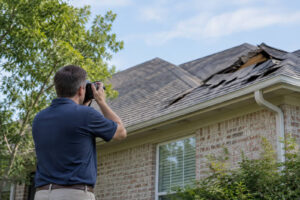
Keep receipts, photos, and contractor notes so your claim stays organized and your community of support can help.
Finally, compare repair options and prioritize essential work first, since reduced drying time and smaller repairs usually mean lower total costs.
Frequently Asked Questions
Does Insurance Cover Water Damage Restoration Costs?
Usually, your insurance covers sudden water damage, but not gradual leaks or poor maintenance. You’ll need to review your policy, document damage, and file fast to maximize covered restoration costs.
How Quickly Should Water Damage Be Reported?
You should report water damage immediately—before the walls start auditioning for mold roles. Call your insurer and a restoration pro within 24 hours; you’ll limit damage, protect coverage, and keep costs from multiplying fast.
Are Mold Inspections Included in Restoration Pricing?
Usually, you’ll need mold inspections as an extra cost unless your restoration quote specifically includes them. You should ask for it upfront, because moisture category, affected space, drying time, and repairs can change pricing fast.
Can Hidden Moisture Increase Final Restoration Expenses?
Yes—hidden moisture can drive costs up fast. You’ll often see repairs rise 20% to 50% when crews uncover trapped water, because you need longer drying, more demolition, and extra material replacement to restore safely.
Do Emergency Service Calls Cost More?
Yes, you’ll usually pay more for emergency calls because you need immediate dispatch, after-hours labor, and faster equipment setup. You’re also paying to limit damage, which can reduce longer-term drying and repair costs.
Wrap-Up
Think of water damage like a small leak in a boat: ignore it, and you’ll be bailing nonstop. Your restoration bill depends on the water type, the size of the affected area, drying time, material removal, and final repairs. Clean water usually costs less than gray or black water, while faster action can limit damage and labor. If you document everything and move quickly, you can keep costs down and restore your space sooner.